
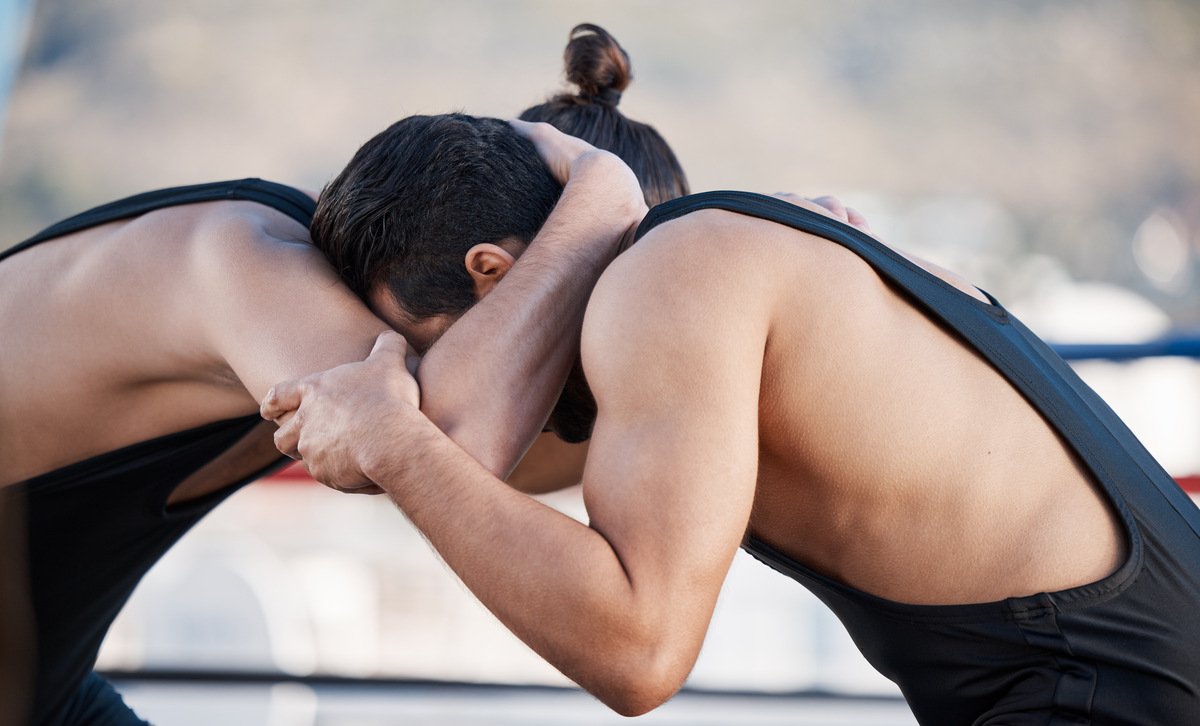
We open by mapping how a single Midwestern state functions as a long-running performance system for elite wrestling. Our focus is on sustained talent development, repeatable pathways, and measurable outcomes that link college programs to world stages.
In 2013 the community pushed back when the IOC dropped the sport from the planned 2020 schedule, and leaders helped get the discipline reinstated in under seven months. That episode shows how local networks influence national debate and preserve competitive opportunity.
We will trace the throughline from collegiate identity to Olympic impact. Our analysis targets trends and mechanisms, not just highlights, using events, programs, records, and museum medal totals as evidence.
Key anchors will be the University of Iowa competitive culture, post-college training ecosystems, and public institutions that preserve the past while shaping future coaches and athletes. We frame current relevance by noting that each olympic cycle resets standards, and the state’s systems keep producing contenders year after year.
Why Iowa Still Sets the Pace in Olympic Wrestling
We outline the factors that let local match environments and tournament calendars build elite competitors over time. Our focus is operational: depth, conversion, and durability form a practical measure of Olympic sports strength.
What we mean by “Olympic sports strength” in a wrestling context
Depth is the size of the talent base across high school and college. Conversion tracks how often athletes move from local titles to the national team. Durability measures how long systems produce top performers across time.
How the state’s identity shapes the national conversation
Early participation in high school creates a wide base that feeds college rooms and post-college training centers. Frequent high-pressure matches and stacked tournaments simulate qualification stress, so athletes gain experience before they face Team trials.
Coaching continuity and shared technical language ease transitions from folkstyle to international styles. Hubs like Iowa City for training and Waterloo for heritage visibility make the reputation self-reinforcing: strong rooms attract strong partners, raising the competitive level nationwide.
- Many matches and tournaments sharpen mental toughness.
- Coaches and teams export methods that shape national standards.
- The pipeline converts breadth into titles and long-term results.
From College Dominance to Olympic Impact: The Iowa Wrestling Blueprint
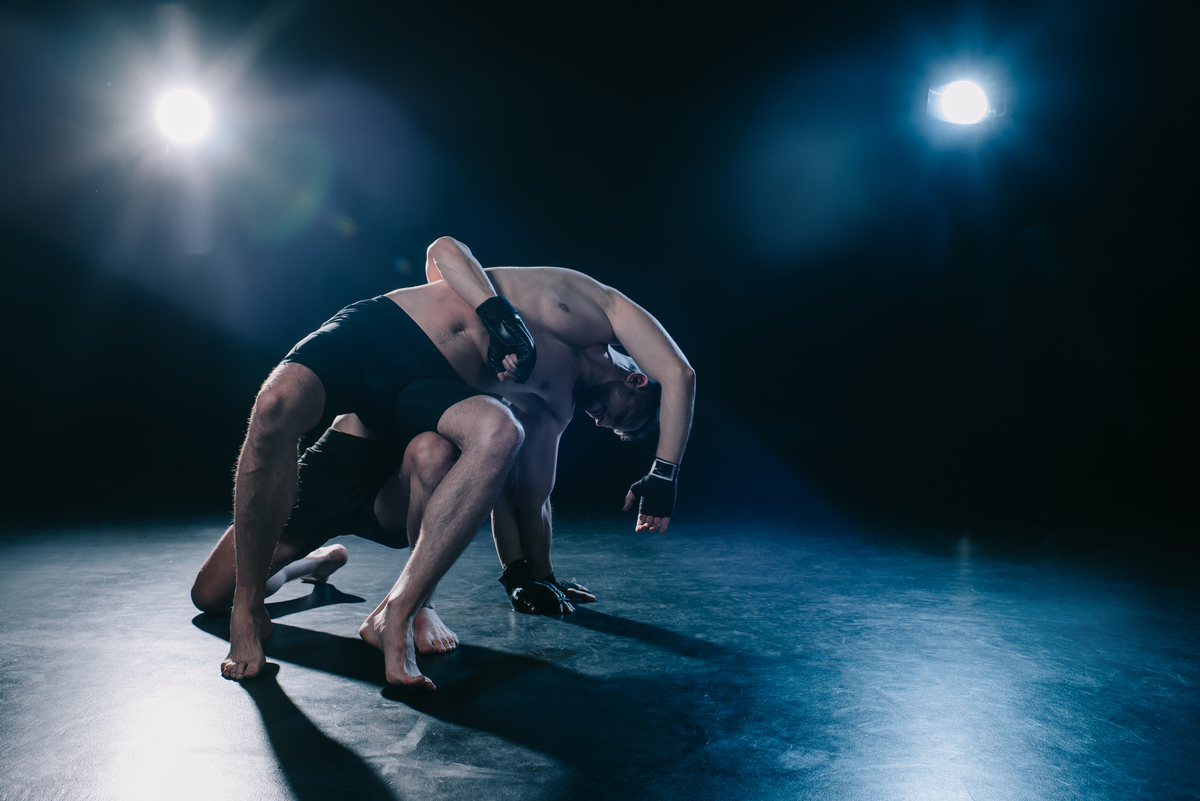
We map the path from Division I culture to the technical and mental demands of world-class freestyle and Greco-Roman competition. The Dan Gable Museum underscores both freestyle and Greco-Roman legacies, showing that college systems feed multiple international disciplines.
How NCAA championships and Division I standards translate to freestyle and Greco-Roman
Conditioning, positional discipline, and composure move cleanly from the Division room to senior brackets. An ncaa champion profile usually reflects years of system-building: strength norms, recovery habits, and tactical preparation that survive style shifts.
Why match volume, tournament pressure, and elite coaching matter over time
Frequent high-level matches sharpen decision speed and late-match execution. Tournament density forces athletes to adapt to varied opponents in short windows, a core advantage in international draws.
- ncaa championships teach elimination composure that mirrors trials.
- Division success provides a base; specific par terre and exposure work must be added.
- Elite coach input and post-college training compound benefits over years and produce the environment where gold expectations are earned, not assumed.
Iowa Olympic Sports Strength Wrestling Tradition Olympic Success in the Modern Era
We assess how modern medal targets shape planning across four-year cycles and influence who reaches the podium. Each Games resets qualifying and seeding benchmarks, so programs plan multi-year peaks rather than single seasons. That planning changes selection math for the olympic team and affects who gets priority access to senior events.
What today’s medal expectations look like across Games cycles
Planners set podium probability goals that track into training blocks and match schedules. Gold is treated as an explicit aim in some rooms, while silver medal and bronze outcomes are framed as strong, measurable returns.
How the pipeline remains visible at the senior level and Team USA
Post-college pathways are clear: top rooms produce athletes who enter senior international calendars. The Hawkeye Wrestling Club reports 20 Olympians and four gold medalists, a visible link to national rosters and team usa lineups.
Where wrestlers and coaches show up in the biggest matches
We see Iowa-connected wrestlers and coach figures often in Trials settings, selection events, and world-level brackets. Travel, varied opponents, and dense schedules create late-match edges that decide tight bouts on the day.
- Medal narratives include who makes the team, not just who reaches the podium.
- Senior visibility matters for seeding and match experience at the world level.
The 2013 Turning Point: Iowa’s Role in Saving Olympic Wrestling
We view 2013 as a governance case study. A sudden IOC decision created a shock that demanded quick coordination across clubs, coaches, and national bodies.
How the IOC decision triggered a rapid U.S. response
Rapid national coordination after the vote
The announcement cut across calendars and planning cycles. It forced leaders to make clear, public arguments about the sport’s value and future.
The Iowa-led committee and its national ripple effect
Who led the response and why it mattered
A committee including Dan Gable, Terry Brands, and Doug Schwab provided credible, visible leadership. Their standing eased fast messaging and opened doors at the federation and IOC level.
Why reinstatement reshaped the sport’s trajectory
A restored path preserved long-term planning
In less than seven months the IOC reversed course, which stabilized athlete pathways and multi-year training plans. That outcome kept programs focused on four-year cycles rather than crisis mode.
- Credibility built over years shortened response time.
- A focused message turned a state-level rally into a country-wide narrative.
- Leaders like Tom Brands fit into a wider ecosystem of coach advocates shaping policy and practice.
Medals, Museums, and Measurable Legacy in Waterloo
We use museum records and exhibit artifacts to translate personal podiums into community metrics. The National Wrestling Hall of Fame Dan Gable Museum will Celebrate Wrestling in the Olympics during July and August, keeping the story visible day after day for visitors and athletes alike.
Curated medal totals and honorees
The museum catalogs 32 honored individuals who collectively hold 16 gold, 11 silver medal results, and 9 bronze. Those totals give us a clear, countable measure of how dense elite outcomes are in this local ecosystem.
Exhibits, uniforms, and tangible memory
Displays include singlets and Olympic uniforms from Tom Brands, Jordan Burroughs, Dan Gable, Steve Fraser, Gable Steveson, Adeline Gray, Dennis Hall, and Clarissa Chun. Physical artifacts turn wrestling history into a teaching tool for new people and visiting athletes.
Linking local displays to world-level validation
The museum also shows World Championship medals, such as Terry Brands’ world golds (1993, 1995) and Dave Schultz’s 1985 silver and 1986 bronze. That connection proves Olympic medal pathways sit inside a larger international record.
| Type | Count |
|---|---|
| Gold | 16 |
| Silver medal | 11 |
| Bronze | 9 |
By combining numbers, artifacts, and seasonal programming, the museum keeps wrestling history active across years and shows how medals and memories reinforce public interest.
The Hawkeye Wrestling Club Effect: Post-College Training and Olympic Readiness
We examine how a dedicated post-college hub keeps elite athletes in an environment tailored for long-term podium readiness.
Founded in 1973: longevity as an institutional edge
The Hawkeye Wrestling Club began in 1973 and has built stable coaching methods and consistent training partners over decades. That longevity creates predictable routines and performance standards that survive turnover.
Measured conversion: Olympians and gold medal outcomes
HWC reports 20 olympians and four gold medalists. These figures show medal conversion as a measurable output tied to a club model, not just marketing language.
Why a college-caliber room matters at the senior level
When college-level intensity continues after eligibility ends, athletes keep technical sharpness and conditioning. Experienced coaches and year-round partners make the transition to world competition smoother.
Travel, tournament planning, and resources that change probabilities
Structured travel and selective tournament schedules increase opponent variety and help athletes peak at the right time. Facility access, integrated sports performance, and clear planning are practical resources that raise medal odds.
- Post-college clubs bridge the gap between college seasons and senior calendars.
- Long-running programs provide repeatable routines that shape champion habits.
- Shared training cycles let a team reinforce elite practices every year.
| Metric | Value | Why it matters |
|---|---|---|
| Founding year | 1973 | Creates institutional memory and coaching continuity |
| Olympians produced | 20 | Shows sustained conversion to world level |
| Gold medalists | 4 | Indicates high-end output from the training model |
Coaching, Culture, and Carver-Hawkeye Arena as Competitive Advantages
We consider how long-term leadership, a charged venue, and a modern training hub combine to sharpen performance across the program.
Tom Brands’ tenure and program profile
Tom Brands became head coach in 2006 and his continuity signals system stability. That steady leadership helps the team plan multi-year cycles and keeps coaching methods consistent across school programs.
Attendance leadership and the home-mat edge
The program led the nation in home attendance 20 of the last 21 seasons, averaging about 14,905 fans. Packed stands raise pressure on visiting teams and lift home competitors on match day.
Carver-Hawkeye win rates and consistency
Carver opened in January 1983 with a 35-7 win over Oklahoma and now shows a 273-26 all-time record. Under Brands the home mark is 127-11, a clear indicator of year-to-year consistency in a high-variance sport.
Hosting trials and international events
Hosting U.S. Trials and the United World Wrestling Cup normalizes world-level competition in-state. These events sharpen local operations and give nearby athletes exposure to top tournament logistics and opponents.
A world-class training facility as an integrated system
The new facility near Carver links practice rooms, strength space, locker rooms, exhibition areas, a recruiting/viewing suite, offices, and an underground tunnel to the arena. This integration supports daily training at the highest level and helps keep titles within reach.
- Continuity: a long-serving head coach reduces turnover and preserves methods.
- Environment: attendance and venue history create a tangible home advantage.
- Infrastructure: an integrated facility connects present performance to future titles.
| Metric | Value | Why it matters |
|---|---|---|
| Home attendance lead | 20 of 21 seasons | Creates consistent competitive atmosphere |
| Carver record | 273-26 | Shows home match dominance over time |
| Record under Brands | 127-11 | Reflects impact of coaching continuity |
Conclusion
Our conclusion ties coaching, venues, and pipeline data to measurable outcomes and future trends.
We show that no single factor explains continued output. The 2013 reinstatement response, Waterloo museum totals, the Hawkeye Wrestling Club’s post-college conversions, and Carver-Hawkeye attendance and win rates form a linked system.
That system moves athletes from high school and school pride into college rooms and then into senior calendars. Day-to-day training, year-over-year planning, and repeated competition create titles that signal readiness at higher levels.
Looking ahead, these layers make the state a useful barometer. If we want to track where national podium chances rise or fall, this local ecosystem remains one of the clearest measures.
Learn More About the NIL Landscape
Name, Image, and Likeness plays an increasing role in college sports, and understanding how it works often requires more than individual articles or news updates.
RallyFuel is a platform focused on NIL-related topics across college athletics. It brings together information about athletes, NIL activity, and the broader structure behind modern college sports, helping readers explore the topic in more depth.
👉 Explore the Athletes on RallyFuel – Discover top college athletes, compare NIL valuations, and dive deeper into the world of NIL.
FAQ
What do we mean by “Olympic sports strength” in a wrestling context?
We use the term to describe a program’s consistent ability to produce elite athletes, coaches, and results at world and Olympic levels. That includes NCAA champions who transition to freestyle or Greco-Roman, sustained national-team representation, strong club systems like the Hawkeye Wrestling Club, and measurable medal returns at world championships and the Games.
How does the state’s collegiate identity influence the national wrestling conversation?
Our college teams set standards for coaching, conditioning, and match preparation that other programs study and emulate. Division I success, high match volume, and demanding tournament schedules create athletes ready for Team USA trials, world teams, and senior international competition.
How do NCAA championships and Division I standards translate to freestyle and Greco-Roman success?
NCAA competition builds mat toughness, technical depth, and weight management skills. When coaches and clubs focus on international rules and freestyle technique after college, many NCAA champions adapt into medal contenders for the world stage and the Olympic team.
Why do match volume, tournament pressure, and elite coaching matter over time?
Frequent high-level matches sharpen decision-making and conditioning. Tournament pressure teaches athletes to recover quickly between rounds. Elite coaches—those who have produced national champions and Olympians—provide the strategic planning and individualized training that turns talent into consistent podium finishes.
What do medal expectations look like across modern Olympic cycles?
Medal targets vary by cycle, but we expect a core group of senior-level athletes—often from powerhouse college programs and clubs—to contend for gold, silver, and bronze. Performance depends on depth across weight classes, international experience, and preparation through world championships and the Olympic Trials.

Leave a Comment