
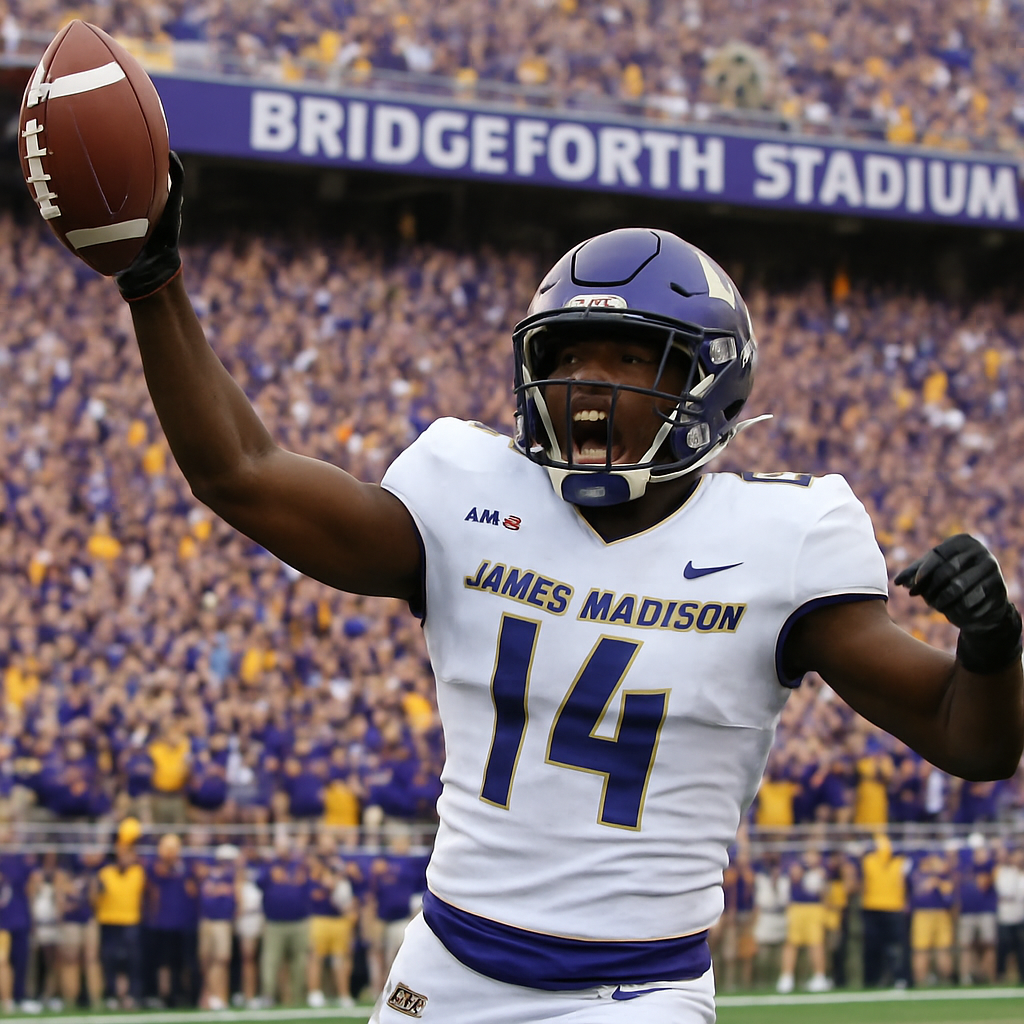
If you’ve walked past Kline’s Dairy Bar lately, you might have seen a JMU athlete endorsing a local business. This visibility isn’t just school spirit; it represents the new frontier of James Madison University NIL deals. At its core, this is simply the “Right of Publicity.”
Summary
JMU’s NIL landscape allows student-athletes to monetize their name, image, and likeness through legitimate, service-based partnerships with local businesses, not salaries from the university.

The Montpelier Collective aggregates fan and alumni support to broaden opportunities across sports, complementing individual endorsements. Clear guardrails—Virginia NIL laws, NCAA compliance, and trademark licensing—ensure transparency and legality, while JMU equips athletes with financial, legal, and branding skills. Fans can fuel the ecosystem by joining the Collective, supporting sponsor businesses, and engaging athletes on social media.
Just as a pro athlete gets paid to appear on a cereal box, Dukes can now profit from their personal brand. The university doesn’t pay a salary. Instead, local businesses pay athletes for specific services, like signing autographs or posting on social media.
Embracing this change is vital for keeping pace with Sun Belt Conference athlete compensation trends . Winning now requires mastering the boardroom as well as the turf. JMU football recruiting and NIL opportunities reveal exactly how the program plans to keep top talent right here in Harrisonburg.
Why Your Name is Your Brand: Defining NIL for the JMU Community
While it often sounds like athletes are just drawing a salary, the rules require a clear exchange of value. A Duke can’t simply get paid for being on the roster; that would be illegal “pay-for-play.” Instead, building a personal brand as a JMU athlete operates like a standard business contract. Whether it’s signing autographs or filming a commercial for a dealership on South Main Street, the athlete must actually perform a service to earn that check.
The most valuable real estate for these students is often on their smartphones. Social media monetization for college basketball players or softball stars turns their Instagram accounts into digital billboards. A local burger joint might pay a player to post a photo eating their signature meal, trading a fee for access to thousands of loyal fans who trust that athlete’s taste.
Harrisonburg’s economy sees real returns from this arrangement as well. Local business marketing with Harrisonburg college players allows small owners to tap into purple-and-gold passion without buying expensive television ads. When a beloved quarterback endorses a downtown coffee shop, it creates an authentic connection that drives foot traffic while putting money in a student’s pocket.
Individual endorsements are powerful, but they are only one piece of the puzzle keeping the Dukes competitive. To streamline these opportunities and pool resources for maximum impact, the fanbase relies on a specialized engine known as the Montpelier Collective.
Inside the Montpelier Collective: How Fans and Alumni Fuel Duke Success
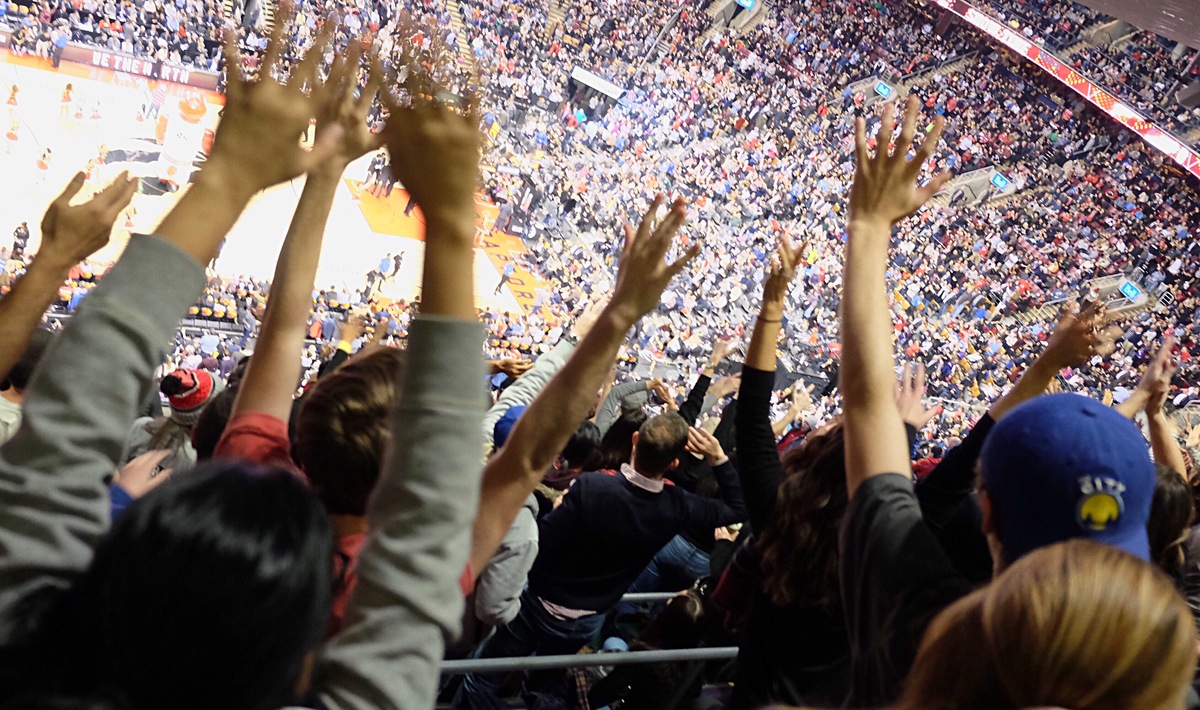
Think of the Montpelier Collective as a dedicated clearinghouse rather than a mysterious backroom fund. It operates independently from the university administration to legally connect the JMU Nation with student-athletes. While the school manages scholarships and training, this third-party organization focuses entirely on facilitating NIL opportunities, acting as the bridge between enthusiastic supporters and the players they cheer for on Saturdays.
While corporate sponsors are vital, the collective’s true power lies in aggregation. It pools contributions from hundreds of average fans to fund opportunities for players across various sports, ensuring that financial support isn’t limited to just the star quarterback. This “crowdfunding” approach means that a local teacher’s monthly contribution is just as essential to the ecosystem as a large check from a business owner.
To streamline how to support JMU student athletes through collectives , the organization offers tiered options suitable for any budget. Montpelier Collective membership levels generally include:
- Student Level: An affordable entry point designed for current Dukes on campus to support their peers.
- Alumni Level: A popular mid-tier for graduates looking to give back steadily.
- 1908 Club: A premium tier offering exclusive access to player meet-and-greets and special events.
These contributions do more than just put cash in pockets; they stabilize the roster. The primary benefits of donating to jmu sports collectives include giving coaches a compelling pitch to retain top talent who might otherwise transfer to schools with deeper pockets. By building a robust war chest, the fanbase actively protects the team’s future competitiveness.
With significant money changing hands, strict oversight is essential to keep the program safe from violations. Specific regulations keep these deals legal in Virginia.
Playing by the Rules: Navigating Virginia NIL Laws and NCAA Compliance
While the headlines might feel like the “Wild West,” the Commonwealth has established strong guardrails to protect schools like James Madison University. Recent virginia NIL legislation for college sports prevents the NCAA from penalizing universities for facilitating these deals, giving coaches the confidence to support athletes without fear of sanctions. This legislative shield ensures the Dukes can remain aggressive against rivals without risking their standing.
Even with state protection, deals must happen in the daylight. Every agreement creates a paper trail, and adhering to jmu athletic department compliance requirements for brands is non-negotiable for partners. Athletes must disclose every transaction to the university, confirming that payments are for actual work performed—like signing autographs—rather than prohibited “pay-for-play” bribes.
Visual branding adds another layer of complexity to these agreements. A quarterback cannot simply wear their purple jersey in an ad without permission because official jmu dukes licensing and trademark policies protect the university’s specific intellectual property. Businesses often need a separate agreement to display school marks, ensuring a clear separation between an individual’s endorsement and the institution’s approval.
Navigating contracts and intellectual property rights places a professional burden on young adults. With legal responsibilities now in the mix, the focus shifts from simply following rules to equipping these students with the real-world business skills necessary to manage their newfound income responsibly.
Beyond the Game: Building Financial Literacy and Personal Brands as a Student-Athlete
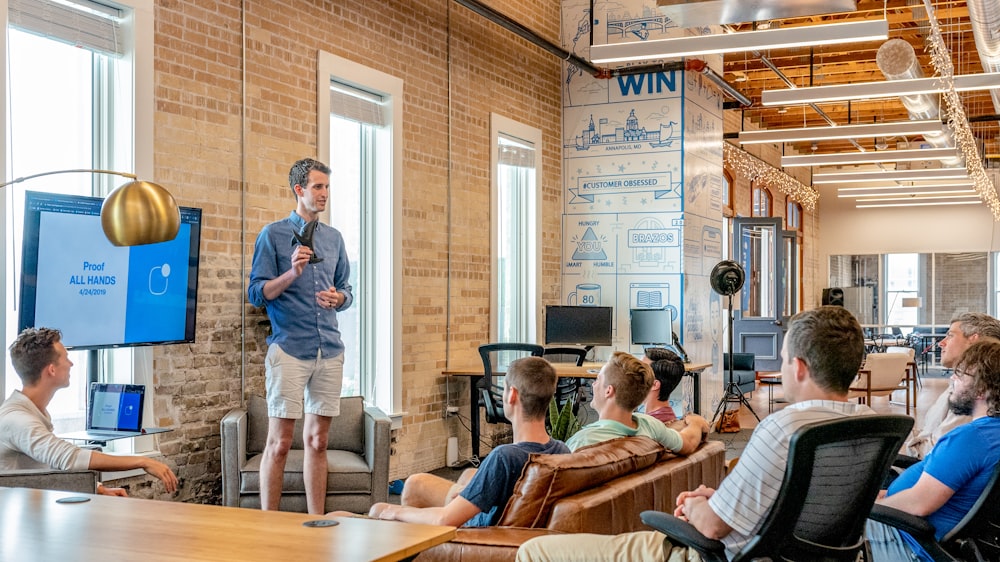
When a 19-year-old linebacker signs a sponsorship deal, they effectively become a small business owner overnight. Earning the money is only the first step; keeping it requires a skill set rarely taught in high school. JMU recognizes this gap and has integrated financial literacy resources for dukes student-athletes directly into their support systems, ensuring players win as much in their bank accounts as they do on the field.
Income from endorsements isn’t free money; it is taxable earnings that come without a traditional employer withholding a percentage for the government. Without proper guidance, a student might spend their full check only to face a surprise bill from the IRS in April. Providing access to tax advice for college athletes earning income helps them set aside the necessary funds, turning a potential financial pitfall into a lesson in fiscal responsibility.
To build these competencies, the university focuses on practical life skills that go beyond the playbook:
- Tax Preparation: Understanding 1099 forms and quarterly estimated payments.
- Budgeting: Learning to manage irregular income streams versus steady expenses.
- Contract Review: Identifying red flags before signing legal documents.
- Brand Strategy: Crafting a public image that appeals to future employers.
These lessons serve a dual purpose: protecting eligibility today and building a resume for tomorrow. By navigating ncaa eligibility rules for personal endorsements alongside business fundamentals, Dukes graduate with a head start on their professional careers. This holistic approach ensures the program builds leaders, not just players, setting the stage for how fans can directly contribute to this ecosystem.
Your Action Plan for the NIL Era: Supporting the Future of JMU Athletics
Modern athletics is no longer a confusing transaction; it is a powerful way for Harrisonburg to rally around its team. James Madison University NIL deals are simply the newest engine driving the Dukes’ success.
When comparing mid-major university NIL collectives, JMU’s strength lies in its community. You can now explain how these partnerships work to fellow fans, highlighting the genuine connections being built locally.
Your next step is impactful. Whether you contribute to the Montpelier Collective, patronize a sponsoring business, or follow an athlete on social media, you are actively securing the future of JMU sports.
Learn More About the NIL Landscape
Name, Image, and Likeness plays an increasing role in college sports, and understanding how it works often requires more than individual articles or news updates.
RallyFuel is a platform focused on NIL-related topics across college athletics. It brings together information about athletes, NIL activity, and the broader structure behind modern college sports, helping readers explore the topic in more depth.
👉 Explore the Athletes on RallyFuel – Discover top college athletes, compare NIL valuations, and dive deeper into the world of NIL.
Q&A
Question: What does “NIL” mean at JMU, and how do athletes earn money without breaking rules?
Short answer: NIL refers to a student-athlete’s right to profit from their name, image, and likeness—essentially their personal brand. At JMU, athletes are not paid a salary by the university; they earn money by providing real services to businesses, such as signing autographs, appearing in ads, or posting on social media. Paying someone merely for being on the roster is prohibited “pay-for-play.” Every legitimate deal involves a clear exchange of value, like any standard business contract.
Question: How does the Montpelier Collective work, and how is it different from the university?
Short answer: The Montpelier Collective is an independent, third-party organization that legally connects fans and alumni with student-athletes to facilitate NIL opportunities. It aggregates contributions—big and small—to support players across multiple sports, not just the stars. Membership options typically include Student, Alumni, and the premium 1908 Club (with perks like meet-and-greets). By pooling resources, the Collective helps stabilize rosters and strengthens JMU’s competitiveness.
Question: What rules keep NIL deals at JMU legal and compliant?
Short answer: Virginia’s NIL legislation provides protective guardrails, allowing universities like JMU to help facilitate deals without NCAA penalties. Still, transparency is essential: athletes must disclose all agreements, and there must be documentation showing payment for actual services, not pay-for-play. Brands working with athletes must follow JMU compliance requirements, ensuring every partnership is above-board and properly reported.
Question: Can athletes use JMU logos or wear official jerseys in endorsements?
Short answer: Not automatically. JMU’s trademarks and licensing policies protect school marks, so using official logos, uniforms, or other branded elements typically requires a separate licensing agreement. This keeps the athlete’s personal endorsement distinct from any implied university approval.
Question: How is JMU preparing student-athletes to manage NIL income and build their brands?
Short answer: JMU integrates practical education into athlete support, focusing on financial literacy and professional skills. Key areas include tax preparation (such as understanding 1099s and quarterly estimates), budgeting for irregular income, contract review to spot red flags, and brand strategy to cultivate a marketable public image. These tools safeguard eligibility today and help athletes build resumes and life skills for careers beyond sports.




Leave a Comment