
We present an evidence-based overview of how university kentucky builds clear pathways from college competition to the Olympic Games. This piece summarizes Tokyo 2020 outcomes, program updates, and how calendar year cycles shape athlete preparation.
Our focus covers both track and field and shooting in a single landscape. We explain how NCAA seasons, qualification windows, and training time align to create measurable progress. You will find clear definitions, milestone markers, and the infrastructure that supports high performance.
We note why shooting has recently shown strong results on the world stage while also outlining the long history of track and field as an Olympic avenue in Kentucky. The tone is professional and athlete-centered, avoiding promotional language. Over the course of this article, we move from high-level context to medal-defining moments and the next wave of talent entering each program.
Kentucky’s Olympic sports landscape: Track & Field and shooting at the University of Kentucky
We outline how measurable standards and a structured competition year shape clear pathways for college athletes aiming for Olympic selection. This landscape relies on repeatable performance, season planning, and a strong team culture.
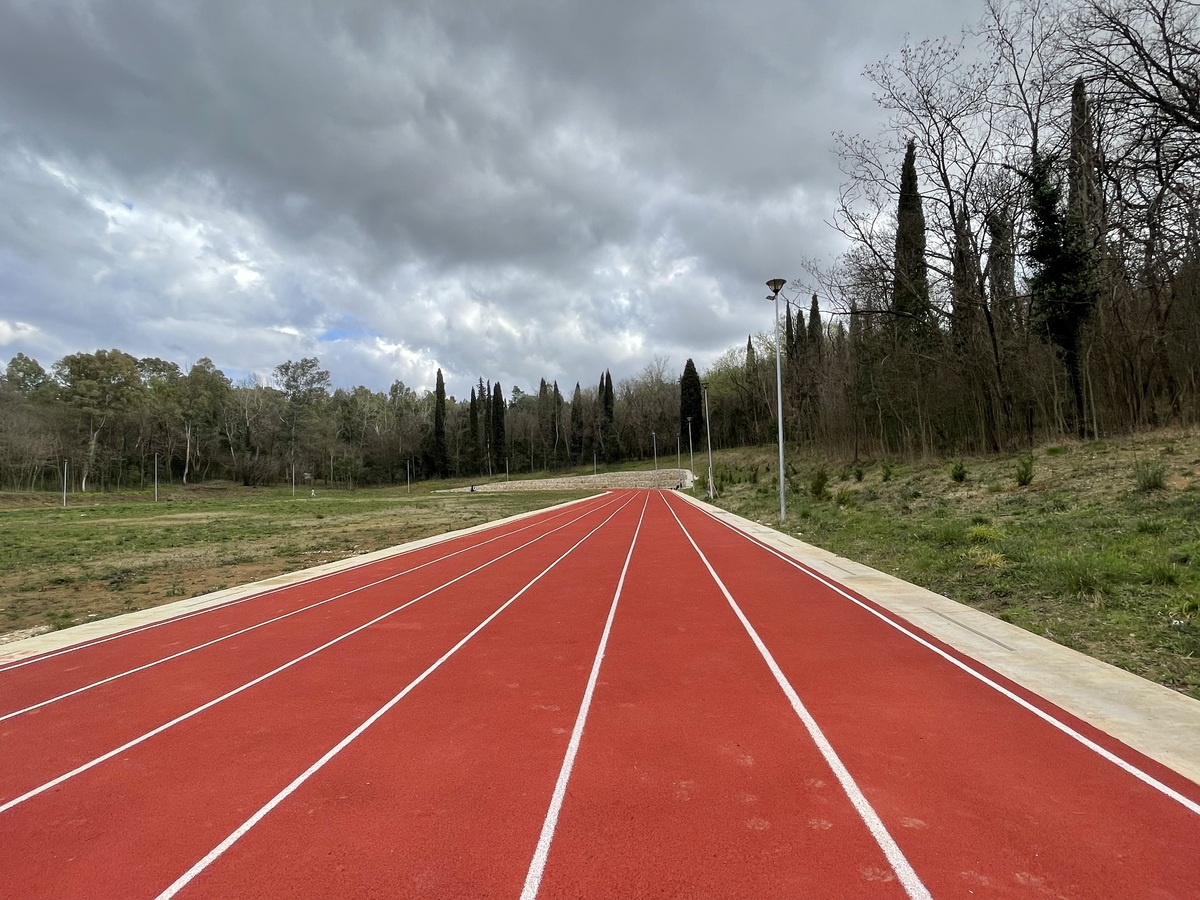
Why Track & Field remains a key Olympic pathway in Kentucky
Performance is quantified by times and distances that athletes must match across multiple meets. That repeatability—not a single result—defines readiness for trials.
Conference championships and NCAA events act as high-pressure simulations. They teach athletes to execute under margins that decide an Olympic berth.
How Kentucky shooting sports became a national medal-producing pipeline
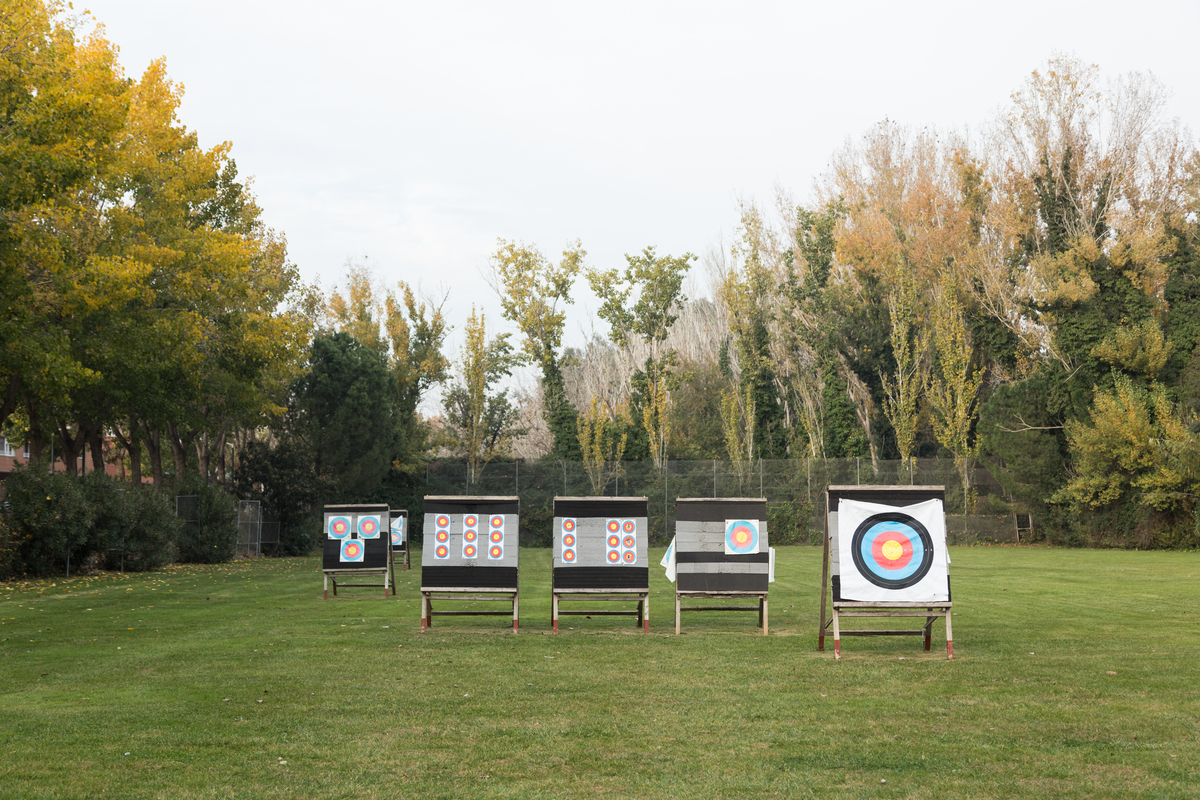
Rifle rewards precision, composure, and consistency. University kentucky has produced qualifiers and medalists across eras—Nancy Johnson, Mary Tucker, Will Shaner, and Henry Junghaenel—showing program continuity.
Daily training standards, internal competition, and coaching structure create an environment where individual events mirror international formats. That team-based support turns good shooters into medal contenders.
- People—coaches and teammates—sustain excellence.
- Championships replicate Olympic pressure.
- Next sections will trace specific medals, records, and recruiting moves that shape future seasons.
Track & Field Kentucky Olympic Sports Programs Shooting: defining moments and medal history
We trace how standout collegiate results converted into podium outcomes on the world stage. Mary Tucker’s silver medal in mixed air rifle at Tokyo and Will Shaner’s gold in men’s air rifle are central examples.
Tokyo 2020 highlights: Mary Tucker earns Olympic silver in mixed air rifle
Mary Tucker and Lucas Kozeniesky advanced through qualification by just 0.5 points to reach the gold medal match. They finished with a silver medal after a 17-13 final versus China’s Yang/Yang.
Will Shaner’s gold medal run
Will Shaner won men’s air rifle gold and had strong mixed results with Alison Marie Weisz, placing sixth overall and narrowly missing the bronze match.
| Athlete | Event | Key result | Notable season mark |
|---|---|---|---|
| Mary Tucker | Mixed air rifle / smallbore | Silver medal (Tokyo), 6th in women’s final | Perfect 600 air; 1195 aggregate (2020-21) |
| Will Shaner | Men’s 10m air rifle | Gold medal (Tokyo); ISSF WC Croatia gold | 250.5 final; strong season averages |
| Nancy Johnson / Henry Junghaenel | Rifle events | Gold medalists (2000, 2016) | Program continuity across years |
Technical notes: 10m air rifle uses a standing position with finals scored shot-by-shot, so repeatability under pressure matters. Three-position smallbore tests prone, standing, and kneeling—demanding stability and endurance.
We conclude that ncaa championships, conference meets, and national rifle championships build the repeatable scoring and finals experience that translate directly to success at the games.
Program developments and the next wave of athletes in Kentucky rifle
National Signing Day 2025 brought four high-level recruits who extend the program’s competitive pipeline. This class is a clear sign of continuity as the team plans for the 2026-27 season.
We view these additions as fit-for-standard: Noah Abzug, Maggie Palfrey, Iva Rakonjac, and Briley Sralla. Head coach Harry Mullins noted the signees match the program’s daily expectations and competitive culture.
“These athletes fit the standard set at Kentucky,” said Harry Mullins, highlighting fit and readiness for high-level training and finals pressure.
Recruiting class spotlight
Noah Abzug brings junior Olympic experience in smallbore and sectional air rifle. He placed 26th at the 2025 Junior Olympic Championships and earned an invite to the American Legion 3-Position event—early exposure to pressure environments that build season consistency.
Maggie Palfrey is a national champion in air rifle and smallbore sectional winner with repeated perfect 300s. Her CMP title and 584 smallbore mark show a high scoring ceiling for NCAA finals and conference championships.
Iva Rakonjac adds world-stage experience. Her ISSF and European Championship results include a team bronze for Serbia and top-15 individual finishes—valuable depth for women’s air events.
Briley Sralla offers a track record of national medals across air rifle and smallbore, including Junior Olympics gold. She brings repeatable finals readiness and team championship experience.
| New Signees | Primary events | Top results |
|---|---|---|
| Noah Abzug | Smallbore / air rifle | 26th JO smallbore; American Legion invite |
| Maggie Palfrey | Air rifle / smallbore | CMP air rifle champion; 584 smallbore; multiple 300s |
| Iva Rakonjac | 10m air rifle / 50m smallbore | European team bronze; top-15 European finishes |
| Briley Sralla | Air rifle / smallbore | Junior Olympics gold; CMP podiums |
Roster turnover and continuity
After the 2025-26 year, four seniors—Sofia Ceccarello, Martin Voss, AJ Hotko, and Brandon Evans—are expected to depart. Replacing them will test depth but also keep performance targets stable.
What matters most when evaluating this class is event diversity, composure in finals, and consistency across a season. Those traits translate best to conference and rifle championships and, for top performers, to Olympic Games qualification cycles.
Conclusion
The program’s strength shows when season structure, coaching, and athlete consistency align toward medal outcomes.
We see that in verified results: Mary Tucker’s silver in mixed air rifle and Will Shaner’s gold in men’s 10m air rifle. Those outcomes prove collegiate precision can scale to the highest stage.
Roster moves frame the next chapter. The 2025 signing class arrives for 2026‑27 as four seniors exit after 2025‑26. That turnover will test depth and sustain competitive standards within the team.
What to watch next year: how new athletes integrate, how returning shooters set the training bar, and which championship moments signal future Olympic games readiness.
Learn More About the NIL Landscape
Name, Image, and Likeness plays an increasing role in college sports, and understanding how it works often requires more than individual articles or news updates.
RallyFuel is a platform focused on NIL-related topics across college athletics. It brings together information about athletes, NIL activity, and the broader structure behind modern college sports, helping readers explore the topic in more depth.
👉 Explore the Athletes on RallyFuel – Discover top college athletes, compare NIL valuations, and dive deeper into the world of NIL.
FAQ
What is the scope of the University of Kentucky’s Olympic sports efforts in track and rifle?
The university fields elite teams in both track and rifle disciplines. Our track programs develop sprinters, mid-distance and field-event athletes toward NCAA and international competition. The rifle team focuses on 10m air rifle and three-position smallbore events, producing NCAA champions and international medalists.
Why does track remain an important Olympic pathway in Kentucky?
Track offers clear event-specialist pathways from high school to collegiate competition to international meets. Collegiate coaching, facilities, and competition schedules expose athletes to high-pressure environments similar to those at world championships and the Olympic Games, helping them progress technically and mentally.
How did the University of Kentucky build a medal-producing rifle program?
Success came from targeted recruiting, investing in range facilities, and hiring coaches experienced at NCAA and international levels. The program emphasizes technical fundamentals in 10m air rifle and three-position smallbore, consistent competition, and performance analytics — all factors that convert collegiate results into national and Olympic success.
What were the Tokyo 2020 highlights involving UK athletes?
Mary Tucker earned a silver medal in the mixed team air rifle event, showcasing the university’s ability to prepare athletes for Olympic pressure. Will Shaner captured gold, further demonstrating Kentucky’s presence on the international shooting stage.
What made Mary Tucker’s 2020–21 season notable?
Tucker swept NCAA championships and posted record-setting scores in both air rifle and smallbore events. Her season combined national titles with consistent high-level international results, elevating the program’s profile and serving as a model for athlete development.

Leave a Comment