
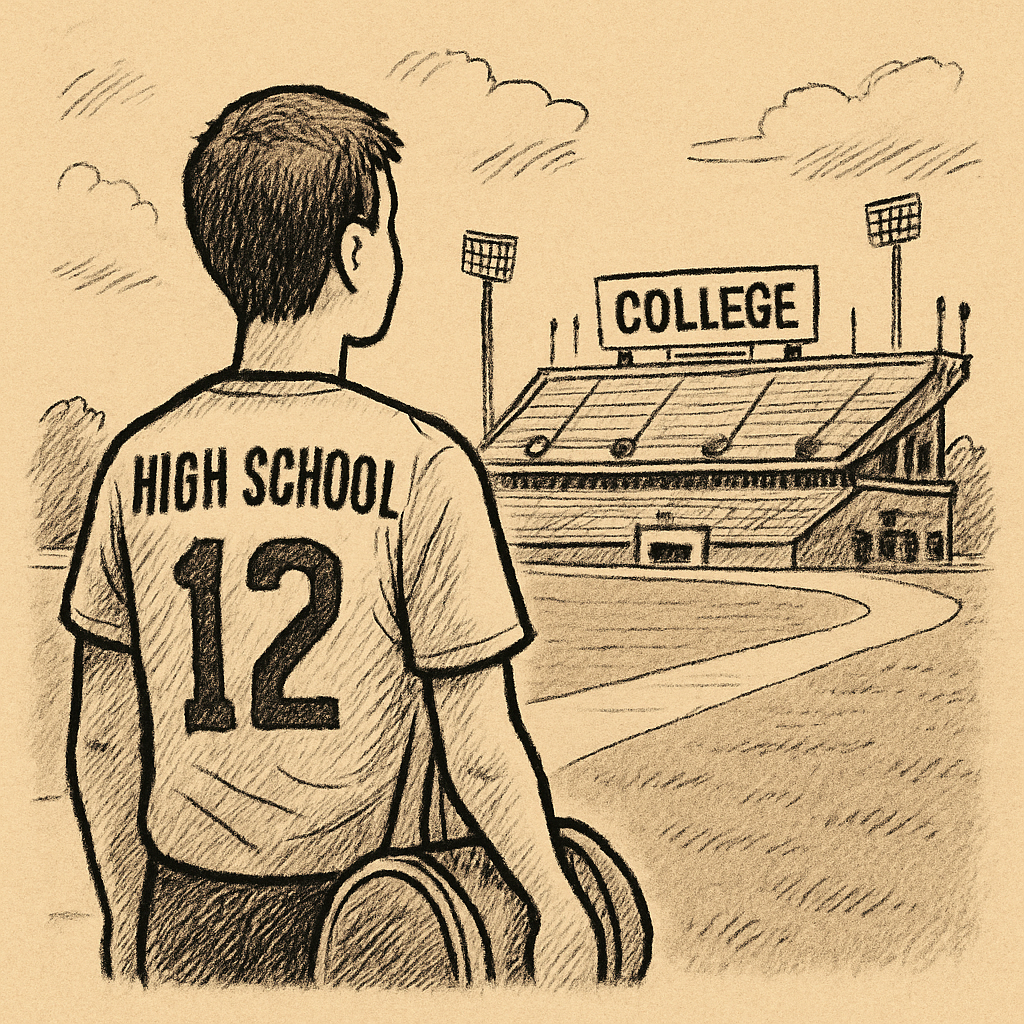
For decades, a college jersey strictly belonged to the school, but today, that uniform represents a personal business for the player wearing it. Seeing a star quarterback endorse a Baton Rouge dealership means witnessing college athlete NIL (Name, Image, and Likeness) in action.
Think of these agreements like a “digital lemonade stand”: the student owns the brand, and businesses simply pay to put their sign on it. Louisiana state NIL deals stand out because legislators quickly established flexible laws to give local teams a distinct home-field advantage.
Navigating this shift—from state statutes to fan-funded “collectives”—often feels confusing, but understanding the playbook behind the paychecks clarifies the system.
Summary
This piece explains how NIL works in Louisiana: athletes earn private endorsement income through quid pro quo marketing, not direct university payments. It details Louisiana’s SB 250, which lets coaches facilitate deals under oversight, and highlights fan-funded collectives like Bayou Traditions and the Nilsu portal that streamline partnerships for fans and businesses. It outlines key compliance limits for high school athletes and international students, plus tax obligations for eligible players. The article closes with practical ways for supporters and companies to engage responsibly to keep LSU competitive.
Why Your Favorite Tiger Can Now Sign a Deal—and Who Actually Pays
A common misconception is that the university cuts a monthly check to the quarterback. In reality, the school covers tuition and facilities, but the cash in a player’s pocket comes entirely from private businesses. This financial relationship is an endorsement—a marketing agreement where a company pays a college athlete nil money to use their fame to sell products.
Legality hinges on a concept called quid pro quo, or “work-for-pay.” A car dealership in Baton Rouge can’t simply hand over keys because they want the team to win; the player must actually earn that compensation through specific services. Common requirements for these deals include:
- Social media endorsements
- Local TV commercials
- Autograph signings
Marketability often matters more than just stats, creating massive opportunities for women’s sports. Because advertisers value audience engagement, some of the top earning female athletes at LSU command multi-million dollar valuations based on their social media following rather than just broadcast time.
Navigating these business deals without breaking NCAA rules required the state government to step in. To understand the current playbook, we must examine the rulebook that made Louisiana a safe haven for these contracts.
How Louisiana Senate Bill 250 Gave LSU a Legal Home-Field Advantage
State legislators realized early on that keeping coaches on the sidelines of business deals was hurting recruiting. Under the updated Louisiana Senate Bill 250 regulations, restrictions were lifted that previously banned university staff from facilitating deals for their players. Think of this as removing a gag order; while the school still cannot pay the athlete directly for their name, image, and likeness, a coach can now legally introduce a star linebacker to a local car dealership owner without fear of punishment.
With this new freedom comes a specific paper trail designed to protect both the university and the student. The reporting requirements for LSU athletic department officials ensure that every contract is reviewed for fairness and legality before the ink dries. This oversight process confirms the athlete isn’t signing away their rights in perpetuity and verifies that the deal is a legitimate marketing exchange rather than a prohibited recruiting bribe disguised as sponsorship.
By aggressively protecting these rights at the state level, Louisiana gave its universities a distinct head start. When comparing Louisiana NIL laws to NCAA policies, the state statute effectively shields local schools from national interference, allowing them to operate more freely. However, while coaches can now make introductions, the heavy lifting of fundraising and payment distribution has shifted to a powerful new entity known as the “collective.”
The Bayou Traditions Secret: Why Fan Memberships Are the Engine of LSU Success

If the coach acts as the matchmaker, the “collective” functions as the bank vault. Organizations like Bayou Traditions serve as the official NIL collective for LSU, acting essentially as a crowd-funded payroll department for student-athletes. Instead of relying solely on a few wealthy donors, these groups allow thousands of everyday supporters to pool their money. This creates a steady stream of Tiger fans NIL marketplace opportunities, ensuring that athletes receive reliable compensation for charity work, appearances, or social media promotion while keeping the program competitive.
Participating isn’t just a donation; it is a transactional exchange where fans get closer to the action. By signing up for a monthly subscription, supporters unlock specific Bayou Traditions collective membership benefits designed to enhance their fandom:
- The Contributor ($10/mo): Access to exclusive player interviews and behind-the-scenes content.
- The Supporter ($25/mo): Automatic entry into monthly raffles for signed memorabilia.
- The Champion ($100/mo): Invitations to private meet-and-greets with athletes.
- The Legend ($500/mo): VIP experiences like sideline passes or private dinners with players.
This fan-funded war chest directly influences the scoreboard. When a five-star quarterback compares scholarship offers, the financial stability provided by a robust collective is often the deciding factor, showcasing the massive impact of NIL on Louisiana collegiate recruiting. While individual fan memberships build the financial base, local companies play the other half of the game; fortunately, setting up a corporate deal is easier than you might think.
3 Steps for Your Local Business to Partner with Athletes via the Nilsu Portal
You might assume that putting a Tiger on your commercial requires a million-dollar marketing budget, but the playing field has leveled significantly. The university has streamlined the process through an official digital marketplace, effectively removing the need for expensive agents or backroom negotiations.
Getting started is surprisingly similar to using a standard job board like LinkedIn. The Nilsu portal for business registrations acts as a secure clearinghouse where compliance is baked directly into the system. Here is the standard workflow to secure a deal:
- Register: Create a verified employer account on the exchange platform.
- Search: Browse athlete profiles filtered by sport, personal interests, or social media reach.
- Propose: Submit a specific pitch outlining the work (like an autograph session) and the payment.
Successful campaigns often rely on authenticity rather than just star power. One of the best practices for local businesses sponsoring Tigers is to look beyond the starting quarterback; a niche partnership with a softball player or track star often yields higher engagement rates for a fraction of the cost. Learning how to partner with LSU student athletes effectively means matching their local reputation with your specific customer base.
While the portal makes standard deals simple, the legal landscape gets murkier when dealing with specific groups like international students or high school recruits. Understanding these boundaries is critical to avoiding compliance penalties.
From High School to F-1 Visas: Navigating the Complex Side of NIL Rules
Parents often ask if their talented teenager can start earning early, but the Louisiana High School Athletic Association currently maintains strict prohibitions. Violating LHSAA high school NIL eligibility rules can cost a student their amateur status, potentially erasing scholarship offers before they even graduate. It is vital to wait until official university enrollment before signing any endorsement contracts to ensure the player remains eligible to compete on Friday nights.
The playbook gets significantly more complicated for athletes arriving from abroad. Federal law places severe international student NIL restrictions on F-1 visas, prohibiting them from performing “active work” like autograph signings or commercials while on U.S. soil. Because even a well-intentioned social media post can jeopardize their legal residency status, businesses must exercise extreme caution when approaching international stars to avoid accidental visa violations.
For eligible players, the final hurdle is the IRS. This isn’t “allowance money”; it requires strictly preparing for tax obligations for student athletes in Louisiana, including federal filings and Louisiana state income tax on athlete revenue. Treating these earnings professionally protects the players we cheer for, ensuring the only drama remains on the scoreboard as we look toward the future of fan support.
The Future of the Purple and Gold: Why Supporting NIL Is the New Way to Be a Tiger Fan
Understanding the business behind the jersey changes how you watch Saturday night football. You now see that the role of agents in Louisiana NIL negotiations is vital for protecting athletes and keeping local teams competitive. This isn’t just a financial trend; it is the modern engine of college sports success, turning the fan base into an active participant in the team’s future.
You don’t need a million-dollar budget to positively impact Louisiana state NIL deals. Start supporting the ecosystem today:
- Join a collective to pool contributions with other fans.
- Follow athletes on social media to boost their engagement metrics.
- Register your local business for micro-endorsements.
Learn More About the NIL Landscape
Name, Image, and Likeness plays an increasing role in college sports, and understanding how it works often requires more than individual articles or news updates.
RallyFuel is a platform focused on NIL-related topics across college athletics. It brings together information about athletes, NIL activity, and the broader structure behind modern college sports, helping readers explore the topic in more depth.
👉 Explore the Athletes on RallyFuel – Discover top college athletes, compare NIL valuations, and dive deeper into the world of NIL.
Q&A
Question: Who actually pays athletes in Louisiana NIL deals, and what counts as valid compensation?
Short answer: Not the university—private businesses pay athletes for specific marketing work (quid pro quo). Common deliverables include social media posts, local TV spots, and autograph signings. The school still provides scholarships and facilities, but endorsement cash comes from companies that leverage an athlete’s name, image, and likeness to promote products. Marketability and audience engagement, not just on-field stats, often drive value—especially in women’s sports with strong social followings.
Question: What did Louisiana Senate Bill 250 change, and how are deals kept compliant?
Short answer: SB 250 removed prior restrictions so coaches and staff can now legally help facilitate deals (for example, introducing a player to a local business). The school still can’t pay athletes directly, but staff can connect parties under an oversight process. LSU officials review contracts to ensure fairness, protect athlete rights, and verify the deal is a real marketing exchange—not a disguised recruiting inducement. This state framework gives Louisiana schools more room to operate compared to general NCAA limits.
Question: What is a “collective” like Bayou Traditions, and how do fan memberships help LSU?
Short answer: A collective is a fan-funded hub that organizes, funds, and distributes NIL opportunities to athletes. Bayou Traditions acts like a crowd-powered payroll department, creating steady, compliant gigs (charity events, appearances, social promotion) while keeping LSU competitive in recruiting. Fans get perks for monthly memberships—ranging from exclusive content ($10) and memorabilia raffles ($25) to meet-and-greets ($100) and VIP experiences ($500)—turning support into tangible athlete opportunities.
Question: How can my local business partner with LSU athletes through the Nilsu portal?
Short answer: Use the university’s digital marketplace to handle compliance and outreach:
- Register: Create a verified employer account.
- Search: Filter athlete profiles by sport, interests, or social reach.
- Propose: Submit a clear pitch with the work (e.g., an autograph session) and payment. For best results, prioritize authentic fits over star power—niche partnerships with athletes in sports like softball or track can deliver higher engagement at lower cost.
Question: Are there limits for high school or international athletes, and what about taxes?
Short answer: Yes. The LHSAA prohibits high school NIL activity; students should wait until they’re officially enrolled in college to avoid losing eligibility. International athletes on F-1 visas face strict limits on “active work” in the U.S. (e.g., signings, commercials), and even well-meant social posts can risk status—so extreme caution is advised. For eligible athletes who do earn NIL income, federal and Louisiana state taxes apply, so treating these earnings professionally is essential.




Leave a Comment