

For decades, the only prize a tournament hero could expect was a trophy and a scholarship, but the game has fundamentally changed. Top performers are now walking enterprises, with the lists of highest paid March Madness athletes via NIL deals often rivaling professional rookie contracts.
This financial explosion traces back to 2021, when a landmark ruling ended the strict era of “amateurism” that previously prohibited players from earning a dime. Although schools still do not pay a direct salary, the tournament has become the highest-stakes marketing window in sports. Brands now compete furiously for exposure, turning viral moments on the court into lucrative NIL deals off of it.
This system operates as the “Influencer Model” applied to varsity sports. Name, Image, and Likeness (NIL) allows students to monetize their fame exactly like a social media star promoting energy drinks. As millions of fans tune in, collegiate basketball player valuation rankings skyrocket, proving that for the modern athlete, a strong social media following is becoming just as valuable as a jump shot.
The $7 Million Jump Shot: Decoding the On3 NIL 100 Rankings for Tournament Stars
Seeing a teenager valued at over $3 million might seem impossible, but in the modern tournament ecosystem, it is the new standard. These massive figures, meticulously tracked by industry leaders like the On3 NIL 100, are not guaranteed salaries paid by the university payroll. Instead, they represent a “valuation”—an estimate of what a player’s personal brand is worth on the open market. It is essentially a price tag calculated by combining their on-court fame with their potential to sell products to fans.
Evaluating On3 NIL 100 rankings for tournament stars requires looking beyond the box score to understand why some players earn more than others. A player averaging 20 points per game might actually have a lower valuation than a charismatic bench player who boasts two million TikTok followers. Brands are paying for attention, not just athletic efficiency, which has turned collegiate basketball player valuation rankings into a measure of celebrity influence.
Several factors drive these multi-million dollar estimates:
- Performance: Excellence on the court ensures prime-time national TV exposure.
- Social Reach: The total aggregation of followers across Instagram, TikTok, and X.
- Market Size: Playing for a “Blue Blood” school with a massive, wealthy alumni base increases value.
- Brand Demand: How “advertiser-friendly” and safe the athlete’s public image is for corporations.
Ultimately, the top NIL deals go to the athletes who can capture attention both during the game and after the final buzzer. A high valuation signals that a company believes the athlete can directly influence purchasing decisions for thousands of fans. This creates a unique economy where digital influence is currency, setting the stage to explore how viral moments specifically supercharge this marketability.
Beyond the Jersey: How Social Media and Viral Moments Supercharge NIL Marketability
When a player hits a game-winning shot in March, they aren’t just advancing to the next round; they are instantly increasing their price tag. This phenomenon illustrates how March Madness performances boost NIL marketability in real-time, transforming a standard “Cinderella story” into a lucrative financial event. A single highlight reel that captures the nation’s imagination can double a player’s valuation overnight, creating “Viral Equity.” It is no longer just about points scored; it is about the ability of a player to dominate morning headlines and social feeds, turning a fifteen-second clip into long-term earning potential.
Corporations have quickly realized that a student-athlete’s Instagram feed often reaches a more engaged audience than a traditional television commercial. This helps explain the massive impact of social media following on NIL earnings, where a charismatic guard with a million TikTok followers can command significantly higher fees than a quiet superstar. National giants like Powerade, Bose, and Buffalo Wild Wings aggressively scout these personalities, handing out five-to-six-figure contracts to players who can seamlessly integrate products into their digital lives. The math is simple for these advertisers: they are paying for access to the specific demographic that follows the athlete.
Sustaining this income requires staying in the spotlight, which is why team success is financially vital. A “Deep Run” in the tournament guarantees weeks of prime-time television exposure, providing opportunities for post-game press conference viral moments and brand value to skyrocket. Every extra game played offers another chance to be a meme or a hero, further cementing the athlete’s status as a household name. While corporate endorsements provide the flashiest headlines, a quieter, yet more powerful financial engine known as the “Collective” works in the background to ensure these stars stay enrolled at their current schools.
The ‘Collective’ Secret: How Fan-Funded Booster Clubs Drive Recruitment and Retention
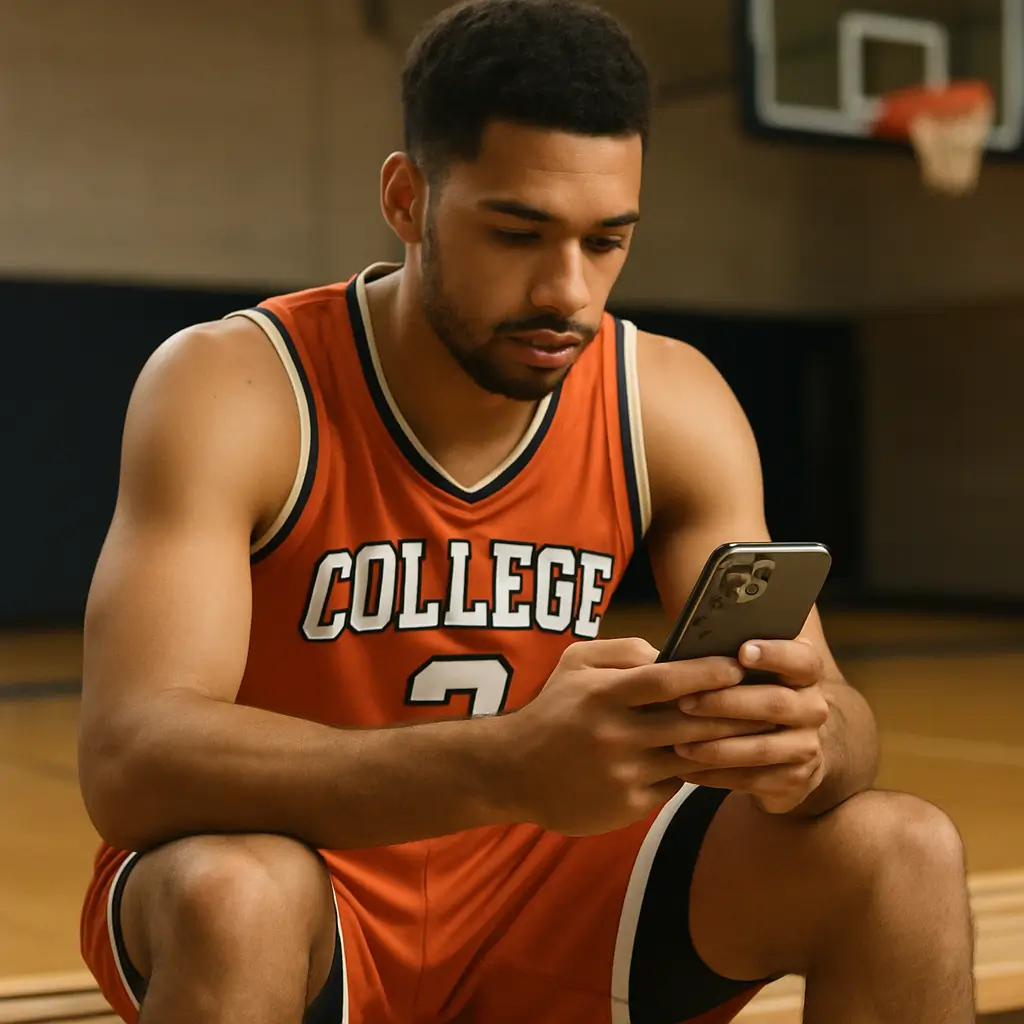
While national brands pay for advertising, the true financial engine of college sports often runs closer to home. University Collectives operate essentially as super-charged booster clubs, where wealthy alumni and passionate fans pool their money into a single fund to ensure their team remains competitive. This cash is distributed to athletes in exchange for minor tasks like autograph signings or charity appearances, effectively creating a crowdfunded salary for the roster. This system is crucial because the role of university collectives in tournament recruitment allows schools to promise guaranteed income to top prospects regardless of their social media fame.
This financial safety net has turned the off-season into a high-stakes marketplace. When a star player enters the “Transfer Portal”—the system for switching schools—they effectively become a free agent seeking the best offer. Coaches and alumni groups must now bid against rivals to land top talent, illustrating exactly how the transfer portal influences NIL deals. If a competitor’s collective offers a higher monthly payout, a key player may decide to pack their bags for a new campus to secure their financial future.
Understanding where the paycheck comes from helps clarify the landscape of modern NIL contracts:
- Source: Brand deals come from corporate marketing budgets; Collective payments come from donor wallets.
- Goal: Brands want product sales and exposure; Collectives want wins and trophies.
- Stability: Brand deals fluctuate with viral fame; Collectives offer steady, salary-like reliability.
While men’s basketball often dominates the conversation about donor-funded rosters, the biggest revolution in individual marketing power is actually happening on the women’s side of the bracket.
Shattering the Glass Ceiling: Why Women Stars are Winning the Tournament Gold Rush
While professional leagues have long struggled with massive wage disparities, the modern collegiate landscape is actively flipping the script on the gender pay gap in NCAA tournament endorsements. Corporate sponsors aren’t looking at ticket sales alone; they are chasing social media influence, an arena where women’s basketball stars frequently outpace their male counterparts. Consequently, household names from the women’s bracket have consistently dominated the top earning college basketball stars list, proving that in the digital economy, marketability relies on audience reach rather than just raw athletic statistics.
Advertisers crave genuine connection, and data implies that female athletes often maintain a significant “engagement advantage”—a higher percentage of followers who actually interact with their content compared to male athletes. Because these players successfully operate as lifestyle influencers who happen to play elite sports, the most valuable brands sponsoring college basketball players—ranging from major cosmetics lines to national insurance agencies—see a clearer path to return on investment. A thirty-second TikTok featuring a skincare routine or a pre-game meal can often generate more direct sales than a standard television commercial, making these athletes incredibly efficient marketing partners.
This financial leverage has fundamentally changed career timelines for the sport’s biggest names. In the past, turning pro was the only reliable way to earn a paycheck, but now, staying in school for a senior year often creates a lucrative runway to build a personal brand before graduating. As these valuations continue to skyrocket, many top-tier players are facing a surprising economic reality that complicates their decision to leave campus.
The Pro vs. College Paycheck: Why Some Stars Earn More in School Than the NBA or WNBA
Turning professional used to be the ultimate financial goal for any elite player, but the modern comparison of NIL income and NBA rookie salaries reveals a shocking new reality: getting drafted can sometimes mean taking a pay cut. Professional leagues like the NBA and WNBA operate under strict “rookie wage scales,” which lock entry-level players into fixed salaries based on where they are picked. Conversely, the college NIL market acts like the Wild West with no salary caps. A player who is a college superstar but projected as a second-round pick might earn three times more by staying in school, creating a massive financial incentive to delay the pros.
Nowhere is this disparity clearer than in women’s basketball, where top collegiate earnings often dwarf professional starting wages. Consider the breakdown for a top-tier female athlete:
- WNBA Rookie Salary (Top 4 Pick): Approximately $76,000 (Base Salary).
- Top College Star NIL Valuation: $500,000 to $3.1 Million (Endorsements & Collectives).
- Financial Verdict: Staying in college can yield 10x to 40x the earning power of a rookie contract.
However, this influx of cash brings hidden dangers, particularly regarding the tax implications for high earning student athletes. Unlike a pro paycheck where taxes are automatically withheld, NIL payments classify athletes as independent contractors. This means a 19-year-old receives the full amount upfront but must discipline themselves to save nearly 40% for the IRS. Without proper guidance in navigating NIL contract negotiations for college athletes, many young stars risk spending money that actually belongs to the government, turning a dream scenario into a debt nightmare.
From Viral Moments to Generational Wealth: Building a Sustainable Financial Future
March Madness has evolved from a showcase of amateur grit into a high-stakes financial launchpad. We now see the Final Four not just as a battle for a trophy, but as a real-time lesson in how student athletes monetize deep tournament runs. The headlines about massive valuations make sense when you realize these players are no longer just students—they are startup companies wearing jerseys, leveraging every three-pointer for maximum market value.
Yet, the true test begins after the confetti falls. The difference between a fleeting viral moment and generational security comes down to boring, but essential, long-term financial planning for college sports millionaires. Without professional guidance, six-figure earnings can disappear as quickly as a busted bracket. The smartest athletes are already looking past the immediate commercial check to build portfolios that outlast their playing days.
The game has officially changed, turning campus stars into tycoons overnight. As you watch the next buzzer-beater, remember the stakes have never been higher, both on the court and in the bank account. It forces a question that defines this new era of college athletics: What would you do if you were handed $500,000 at age 19?
Learn More About the NIL Landscape
Name, Image, and Likeness plays an increasing role in college sports, and understanding how it works often requires more than individual articles or news updates.
RallyFuel is a platform focused on NIL-related topics across college athletics. It brings together information about athletes, NIL activity, and the broader structure behind modern college sports, helping readers explore the topic in more depth.



Leave a Comment