
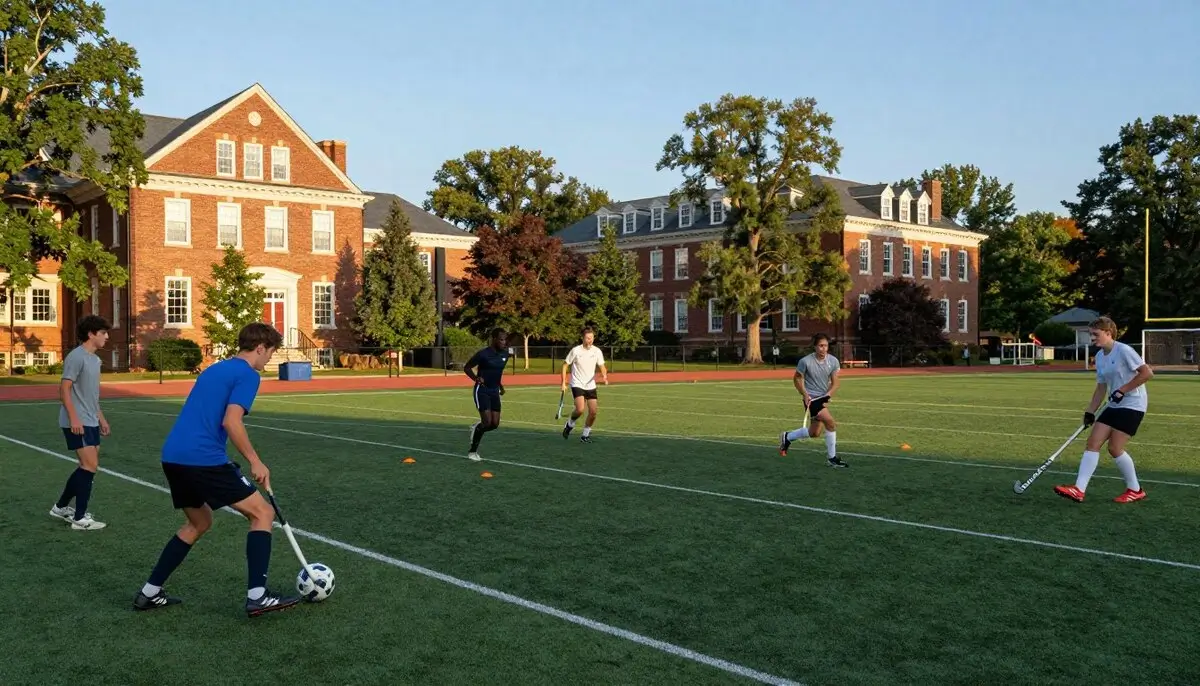
Universities in Massachusetts are renowned for their collegiate athletics programs, particularly in Olympic sports. As we explore the world of these institutions, we gain insight into the unique challenges and opportunities faced by student-athletes striving for academic balance.
We will delve into the comprehensive frameworks that enable these students to excel both on the field and in the classroom. By examining the Olympic sports programs offered by Massachusetts universities, you will understand how these institutions foster an environment that promotes academic rigor alongside athletic excellence.
The Legacy of Olympic Sports in Massachusetts Universities
The legacy of Olympic sports in Massachusetts is deeply rooted in its universities. For decades, these institutions have played a pivotal role in nurturing athletes who go on to compete at the highest levels. The combination of academic excellence and athletic prowess has made Massachusetts a hub for Olympic talent.
Historical Development of Collegiate Olympic Programs
The history of collegiate Olympic programs in Massachusetts dates back to the early 20th century. Universities such as Harvard and Boston University have long-standing traditions in Olympic sports, with many of their alumni achieving international recognition. Over the years, these programs have evolved to include a wide range of Olympic disciplines.
Massachusetts’ Unique Position in Olympic Athletics
Massachusetts’ unique position in Olympic athletics can be attributed to its strong academic institutions, which provide an encouraging environment for student-athletes. The state’s rich history in Olympic sports, combined with its cutting-edge training facilities, makes it an ideal location for aspiring Olympians.
The synergy between academic rigor and athletic training in Massachusetts universities has produced numerous Olympic athletes. This legacy continues to inspire new generations of student-athletes, ensuring that Massachusetts remains a significant contributor to the world of Olympic sports.
Top Massachusetts Universities with Olympic Sports Programs
Massachusetts universities have a long-standing tradition of excellence in Olympic sports, with top programs that attract athletes from across the country. These institutions have not only produced numerous Olympic athletes but have also provided them with the academic and athletic resources necessary to excel.
Harvard University
Harvard University is renowned for its rigorous academic programs and competitive athletic teams. Its Olympic sports programs have a rich history, with many athletes competing at the highest level. Harvard’s state-of-the-art facilities and experienced coaching staff provide student-athletes with the resources they need to succeed.
Boston University
Boston University is another institution with a strong Olympic sports presence. Its programs in sports like rowing and track and field have produced numerous Olympians. The university’s commitment to both academic and athletic excellence makes it an attractive choice for aspiring Olympic athletes.
Northeastern University
Northeastern University is known for its innovative co-op programs and competitive athletic teams. Its Olympic sports programs benefit from the university’s strong athletic department and dedicated coaching staff, providing an encouraging atmosphere for student-athletes to thrive.
MIT
The Massachusetts Institute of Technology (MIT) may be known for its academic rigor, but it also has a strong tradition in Olympic sports. MIT’s programs in sports like rowing and sailing have produced talented athletes who have competed at the Olympic level.
Boston College
Boston College rounds out our list with its strong athletic programs and commitment to excellence in Olympic sports. The college’s programs in sports like ice hockey and track and field have a history of producing Olympians, and its state-of-the-art facilities provide student-athletes with top-notch training environments.
Massachusetts Olympic Sports: Excellence in Training and Competition
Massachusetts universities have established themselves as leaders in Olympic sports, providing student-athletes with the resources they need to excel. This excellence is built on several key factors that contribute to the success of their Olympic programs.
State-of-the-Art Training Facilities
The universities in Massachusetts boast state-of-the-art training facilities that are designed to meet the needs of elite athletes. These facilities include advanced tracks, swimming pools, and training equipment that enable student-athletes to hone their skills and achieve their full potential. For instance, Harvard University’s Bright Hockey Center and Northeastern University’s Barletta Natatorium are examples of top-notch facilities that facilitate Olympic training.
Specialized Coaching Staff
The coaching staff at Massachusetts universities are experienced professionals with a deep understanding of Olympic sports. They provide personalized guidance and training programs tailored to the needs of each student-athlete, helping them to develop the skills required for Olympic competition.
Partnerships with Olympic Training Centers
Many Massachusetts universities have established partnerships with Olympic Training Centers, providing their student-athletes with access to additional resources and training opportunities. These partnerships enhance the athletes’ preparation for Olympic competition and contribute to the overall excellence of the programs.
Standout Olympic Sports in Massachusetts Universities
From the Charles River to the slopes of the Berkshire Mountains, Massachusetts universities offer a diverse range of Olympic sports programs that excel on the national and international stage. These programs have not only produced numerous Olympians but have also contributed significantly to the development of Olympic sports in the United States.
Rowing Programs
Massachusetts is home to some of the most prestigious rowing programs in the world. Harvard University’s rowing team, for instance, has a storied history, having produced multiple Olympic medalists. The program’s success is attributed to its state-of-the-art facilities and experienced coaching staff.
Swimming and Diving
Universities like MIT and Harvard have outstanding swimming and diving programs. These programs have a tradition of producing athletes who compete at the highest levels, including the Olympics. Their facilities and coaching are among the best in the country.
Track and Field
Track and field is another area where Massachusetts universities excel. Boston University and Northeastern have robust programs that have produced Olympians in various events. Their training facilities and coaching staff are geared towards producing top athletes.
Winter Sports Excellence
Winter sports, including alpine skiing and figure skating, are also well-represented in Massachusetts universities. Boston College, for example, has a strong winter sports program with athletes competing in various Winter Olympics events.
| University | Standout Olympic Sport | Notable Alumni |
|---|---|---|
| Harvard University | Rowing | Olympic Medalists in Rowing |
| MIT | Swimming and Diving | Multiple NCAA Champions |
| Boston University | Track and Field | Olympic Athletes in Sprint Events |
| Boston College | Alpine Skiing | Winter Olympians |
Academic Requirements for Student-Athletes
The academic requirements for student-athletes in Massachusetts universities are multifaceted, involving stringent admission standards and ongoing eligibility criteria. To succeed in both academics and athletics, student-athletes must navigate a complex landscape of academic expectations.
Admission Standards for Athletes
Universities in Massachusetts have high admission standards for student-athletes, including high school GPA, standardized test scores, and rigorous coursework. For instance, Harvard University requires a minimum GPA of 3.5 and SAT scores of 1450 or higher.
Maintaining Academic Eligibility
To remain eligible, student-athletes must maintain a minimum GPA and complete a certain number of credit hours each semester. Academic assistance services such as tutoring and advising help student-athletes meet these requirements.
Academic Performance Metrics
| Metric | Description | Threshold |
|---|---|---|
| GPA | Minimum Grade Point Average | 2.5 |
| Credit Hours | Minimum credit hours per semester | 12 |
| Progress Toward Degree | Percentage of degree requirements completed | 75% |
By understanding these academic requirements, we can appreciate the challenges faced by student-athletes in balancing academics and athletics.
Scholarship Opportunities for Olympic Sport Athletes
The state of Massachusetts is renowned for its robust scholarship programs tailored to Olympic sport athletes, fostering both academic excellence and athletic prowess. These financial aid opportunities enable student-athletes to pursue their dual commitments without undue financial burden.
Athletic Scholarships
Athletic scholarships are a primary source of funding for Olympic sport athletes. These scholarships are awarded based on athletic performance and potential, helping to cover tuition fees and other educational expenses.
Academic Merit Scholarships
In addition to athletic scholarships, academic merit scholarships are available to student-athletes who excel academically. These scholarships recognize and reward academic achievements, further aiding students in their educational pursuits.
Combined Athletic-Academic Funding
Some universities in Massachusetts offer combined funding packages that include both athletic and academic merit scholarships. This holistic approach to financial aid ensures that student-athletes receive comprehensive assistance.
By offering a range of scholarship opportunities, Massachusetts universities demonstrate their commitment to nurturing both the academic and athletic talents of their students.
Assistance Frameworks for Student-Athletes
Massachusetts universities provide comprehensive assistance frameworks for student-athletes, enabling them to excel in both academics and sports. These help networks are multifaceted, addressing various aspects of a student-athlete’s university experience.
Academic Tutoring Programs
Universities offer academic tutoring programs tailored to the needs of student-athletes, ensuring they maintain academic eligibility while pursuing their athletic goals. These programs often include:
- Personalized tutoring sessions
- Study hall programs
- Academic advising
Mental Health Resources
Recognizing the mental health challenges faced by student-athletes, universities provide access to mental health resources, including counseling services and stress management workshops.
Career Development Services
To prepare student-athletes for life after sports, universities offer career development services, such as resume building, interview preparation, and career counseling.
Nutrition and Wellness Assistance
Many universities also provide nutrition and wellness guidance, including personalized nutrition plans and health programs, to help student-athletes optimize their performance.
Notable Olympic Athletes from Massachusetts Universities
Massachusetts universities have a rich history of producing Olympic athletes who excel both on and off the field. These individuals have not only brought glory to their institutions but have also served as role models for aspiring student-athletes.
Medal Winners and Their Academic Achievements
Many Olympic medal winners have graduated from Massachusetts universities. For instance, swimmers from Harvard University have won numerous medals while maintaining excellent academic records. “As I look back on my time at Harvard, I realize that the skills I developed as a student-athlete have been invaluable in my Olympic journey,” said one Harvard alumnus and Olympic medalist.
Current Olympic Hopefuls
Current student-athletes from Massachusetts universities are also making waves in Olympic sports. Northeastern University’s rowing team, for example, has produced several athletes competing at the highest levels. These athletes demonstrate the ongoing commitment to excellence in both academics and athletics.
Success Stories of Academic-Athletic Balance
The success of Olympic athletes from Massachusetts universities underscores the importance of balancing academic and athletic pursuits. By leveraging resources such as academic tutoring and mental health assistance, student-athletes can achieve their full potential. As one coach noted, “Our athletes are not just training to win medals; they’re building lifelong skills.”
These stories highlight the achievements of notable Olympic athletes from Massachusetts universities, showcasing their academic and athletic prowess.
Challenges of Balancing Rigorous Academics with Elite Athletic Training
Massachusetts universities’ student-athletes must navigate the intricate balance between rigorous academic programs and elite athletic training. This dual demand requires exceptional time management skills, as students juggle training sessions, competitions, and academic responsibilities.
Time Management Demands
Effective time management is crucial for student-athletes to meet their academic and athletic obligations. They must prioritize tasks, create schedules, and adhere to them strictly to balance their responsibilities.
Physical and Mental Stress
The pressure to excel in both academics and athletics can lead to significant physical and mental stress. Student-athletes often experience fatigue, anxiety, and pressure to perform, which can impact their overall well-being.
Institutional Solutions and Accommodations
To help student-athletes, Massachusetts universities have implemented various institutional solutions. These include:
- Academic assistance services tailored to student-athletes’ needs
- Mental health resources to address stress and anxiety
- Flexible scheduling options for classes and assignments
Flexible Academic Programs
Some universities offer flexible academic programs that allow student-athletes to adjust their course load or schedule according to their training and competition demands. This flexibility helps student-athletes manage their time more effectively.
Remote Learning Options
Remote learning options have become increasingly popular, enabling student-athletes to keep up with their coursework even when they are away for competitions. This accommodation helps reduce the stress associated with balancing academics and athletics.
By understanding the challenges faced by student-athletes and the solutions implemented by Massachusetts universities, we can appreciate the complexity of balancing academics and athletics. As we continue to explore the world of Olympic sports in Massachusetts universities, it’s clear that aiding student-athletes is a multifaceted endeavor.
Olympic Sports Development Pathways
Massachusetts universities offer a robust pathway for student-athletes to transition from collegiate sports to Olympic competition. These institutions have a proven track record of nurturing athletes who excel at the highest levels.
From College Athlete to Olympic Competitor
The journey to becoming an Olympic competitor often begins in college. Massachusetts universities provide top-notch training facilities and experienced coaching staff that help athletes develop their skills. Many student-athletes have successfully transitioned to Olympic competition through these programs.
Post-Graduate Training Opportunities
For those who continue their athletic careers post-graduation, Massachusetts offers various training opportunities. These include elite training centers and sports-specific programs that cater to athletes aiming for Olympic glory.
International Competition Experience
Gaining international competition experience is crucial for athletes aspiring to compete at the Olympics. Massachusetts universities facilitate this through participation in global events and collaborations with international sports organizations. Key benefits include:
- Exposure to diverse competition styles
- Opportunities to compete against top athletes worldwide
- Development of strategies for handling high-pressure situations
By leveraging these pathways, student-athletes in Massachusetts can significantly enhance their chances of becoming Olympic competitors.
The Future of Olympic Sports in Massachusetts Universities
Massachusetts universities are on the cusp of a new era in Olympic sports, driven by emerging sports programs and technological innovations. As we explore the future of Olympic sports in the state, several key trends emerge that will shape the landscape of collegiate athletics.
Emerging Sports Programs
New sports programs are being introduced, offering students a wider range of competitive opportunities. These emerging programs are designed to attract top talent and enhance the overall Olympic sports ecosystem in Massachusetts.
Technological Innovations in Training
Universities are leveraging cutting-edge technology to improve training methods, enhance athlete performance, and reduce injury risk. This includes advanced analytics, biomechanical analysis, and personalized coaching.
| Innovation | Description | Benefit |
|---|---|---|
| Advanced Analytics | Data-driven insights into athlete performance | Improved training efficiency |
| Biomechanical Analysis | Detailed examination of athlete movement | Reduced injury risk |
Expanding International Recruitment
Massachusetts universities are increasingly looking beyond state borders to attract top international talent, enriching their Olympic sports programs with diverse perspectives and skills.
Adapting to Changing Olympic Standards
As Olympic standards evolve, universities in Massachusetts are adapting their programs to ensure compliance and competitiveness, preparing student-athletes for the global stage.
Massachusetts Universities: A Hub for Olympic Excellence
As we have explored the world of Massachusetts Olympic Sports Universities, it becomes evident that these institutions play a pivotal role in nurturing both academic and athletic excellence. The balance achieved by student-athletes is a testament to the robust assistance frameworks in place, including state-of-the-art training facilities, specialized coaching staff, and comprehensive academic help.
Massachusetts universities, such as Harvard University and Boston University, have a rich legacy in Olympic sports, producing medal winners and fostering a culture of excellence. The collegiate athletics programs in these universities not only contribute to the development of Olympic athletes but also provide a platform for students to excel academically and athletically.
In conclusion, Massachusetts Olympic Sports programs in universities are a cornerstone of the state’s athletic prowess. As we look to the future, it is clear that these programs will continue to thrive, driven by their commitment to excellence in both academics and athletics, reinforcing the significance of Massachusetts universities in the world of Olympic sports.
Learn More About the NIL Landscape
Name, Image, and Likeness plays an increasing role in college sports, and understanding how it works often requires more than individual articles or news updates.
RallyFuel is a platform focused on NIL-related topics across college athletics. It brings together information about athletes, NIL activity, and the broader structure behind modern college sports, helping readers explore the topic in more depth.
FAQ
What are the top Massachusetts universities with Olympic sports programs?
The top Massachusetts universities with Olympic sports programs include Harvard University, Boston University, Northeastern University, MIT, and Boston College, which have a rich history of producing Olympic talent and offer state-of-the-art training facilities and coaching staff.
What are the academic requirements for student-athletes in Massachusetts universities?
Student-athletes in Massachusetts universities must meet specific academic requirements, including admission standards, eligibility criteria, and performance metrics, to ensure they balance their academic and athletic responsibilities.
What scholarship opportunities are available to Olympic sport athletes in Massachusetts universities?
Olympic sport athletes in Massachusetts universities can access various scholarship opportunities, including athletic scholarships, academic merit scholarships, and combined athletic-academic funding, to aid their academic and athletic pursuits.
What assistance frameworks are available for student-athletes in Massachusetts universities?
Massachusetts universities offer comprehensive assistance frameworks for student-athletes, including academic tutoring programs, mental health resources, career development services, and nutrition and wellness guidance, to help them succeed both on and off the field.
How do Massachusetts universities balance academic rigor with Olympic sports excellence?
Massachusetts universities achieve a balance between academic rigor and Olympic sports excellence by providing student-athletes with flexible academic programs, remote learning options, and institutional solutions to accommodate their athletic training and competition schedules.
What are the standout Olympic sports in Massachusetts universities?
Massachusetts universities excel in various Olympic sports, including rowing programs, swimming and diving, track and field, and winter sports, with many student-athletes achieving success at the national and international levels.
What is the pathway from college athlete to Olympic competitor?
The pathway from college athlete to Olympic competitor involves post-graduate training opportunities, international competition experience, and dedication to elite athletic training, with many Massachusetts universities providing resources and guidance to help student-athletes progress to Olympic competition.
How do Massachusetts universities adapt to changing Olympic standards?
Massachusetts universities stay up-to-date with changing Olympic standards by adapting their training programs, recruiting internationally, and leveraging technological innovations in training to ensure their student-athletes remain competitive at the Olympic level.


Leave a Comment