
Summary
This piece explains how McNeese athletes monetize their Name, Image, and Likeness through two primary channels: direct brand partnerships via the Opendorse marketplace and fan-driven support through the Poke Blue Collective. It emphasizes NCAA and Louisiana law compliance, requiring “work for pay,” full disclosure, and tax preparedness. The article details ROI for local businesses and how community-backed NIL boosts recruiting and retention in the Southland Conference. It concludes with actionable ways fans and sponsors can participate to build a sustainable ecosystem benefiting athletes and the Lake Charles economy.
Driving down Ryan Street, you might notice something new: a McNeese quarterback promoting a local dealership on Instagram. For decades, a scholarship was the only compensation a Cowboy could accept, but the rules of amateur sports have changed fundamentally.
The “Influencer Model” now applies directly to athletics. Just as content creators earn money from ads, McNeese University NIL deals allow students to monetize their Name, Image, and Likeness. Since NCAA regulations still prevent the university from paying players for touchdowns, these NIL opportunities rely entirely on outside businesses and fans to bridge the financial gap.
Staying competitive in the Southland Conference now requires mastering two distinct income paths: direct brand partnerships and fan-driven collectives. McNeese NIL creates a marketplace where local support directly influences roster stability.
Turning Influence into Income via the Opendorse Marketplace
For many players, finding sponsorships doesn’t require a Hollywood agent. The Opendorse marketplace for McNeese Cowboys and Cowgirls functions as a digital storefront for student athlete personal brand development in Lake Charles. Athletes create profiles showcasing their rates and interests, allowing anyone—from a fan wanting a video shoutout to a shop owner needing an ad—to connect directly with the talent they want to support.
These exchanges must follow a strict “work for pay” rule. A business cannot simply hand a player cash for being on the roster; the athlete must provide a specific service, like signing autographs or posting on social media about a lunch special. This requirement ensures the deal is a legitimate business transaction, not an impermissible recruiting bribe.
Locals often wonder how do McNeese athletes earn endorsement income without a massive corporate budget behind them. The process for small businesses is straightforward:
- Browse: Filter the online roster by sport or price to find the right partner.
- Pitch: Send a proposal detailing the task, such as attending a ribbon-cutting.
- Pay: Once the athlete completes the work, payment processes securely through the app.
While direct deals maximize exposure, the Poke Blue Collective serves as the “Community Chest” of McNeese Sports.
Why the Poke Blue Collective is the “Community Chest” of McNeese Sports
While direct deals allow businesses to hire specific players, not every fan owns a company that needs advertising. This is where the Poke Blue Collective steps in. It operates as a booster club for the modern era—an independent organization that gathers McNeese State donor support for athlete collectives into a single pool. Unlike the university’s official budget, which covers scholarships and facilities, this money is legally distinct and specifically designated to pay athletes for charitable work or community appearances.
Keeping talent in Lake Charles is the primary goal of this pooled approach. In the current landscape of college sports, larger universities aggressively recruit top players from mid-major schools using the promise of substantial mcneese nil earnings. By pooling resources, the collective ensures that Cowboys and Cowgirls can earn market-value compensation right here at home, making it easier for coaches to keep a winning team together.
Fans don’t just donate into a void; they receive access in return. The collective operates on a membership model similar to a subscription service, offering tiered perks that bring supporters closer to the team:
- Exclusive content: Access to behind-the-scenes interviews and practice footage.
- Merchandise: Official gear that highlights Pokes NIL collective membership benefits.
- Experiences: Invitations to private meet-and-greets with players.
This system provides a powerful engine for McNeese athletics, but it operates under a magnifying glass. Because money is changing hands, the collective must strictly adhere to regulations to ensure players remain eligible to compete.
Staying in Bounds: Louisiana State Law and NCAA Compliance
Just as referees enforce penalties on the field, strict regulations govern financial opportunities off the field to protect the integrity of college sports. The golden rule, enforced by both the NCAA and specific Louisiana NIL state law requirements for student athletes, separates legitimate sponsorship from prohibited “pay-for-play” schemes. A business can pay a McNeese linebacker to sign autographs at a grand opening, but they cannot legally hand him cash simply for making a tackle or agreeing to enroll at the university; there must always be a specific service provided in exchange for the payment.
Transparency is the only way to navigate these regulations safely without risking a player’s ability to take the field. Athletes must disclose every deal they sign through designated software that aligns with McNeese State University athletic department compliance guidelines. This reporting process acts as a safety net, allowing compliance officers to review contracts for potential violations before an athlete inadvertently accepts a banned incentive that could cost them their scholarship or playing time.
Financial literacy becomes just as critical as playbook knowledge once payments start arriving. Because these athletes are classified as independent contractors rather than university employees, there are significant tax implications for college athlete sponsorship deals that many young earners overlook. Setting aside a portion of income for the IRS ensures that a profitable season doesn’t turn into a financial liability come April, paving the way for sustainable partnerships that offer real returns for everyone involved.
The ROI of Blue and Gold: How Local Businesses Benefit from Athlete Partnerships
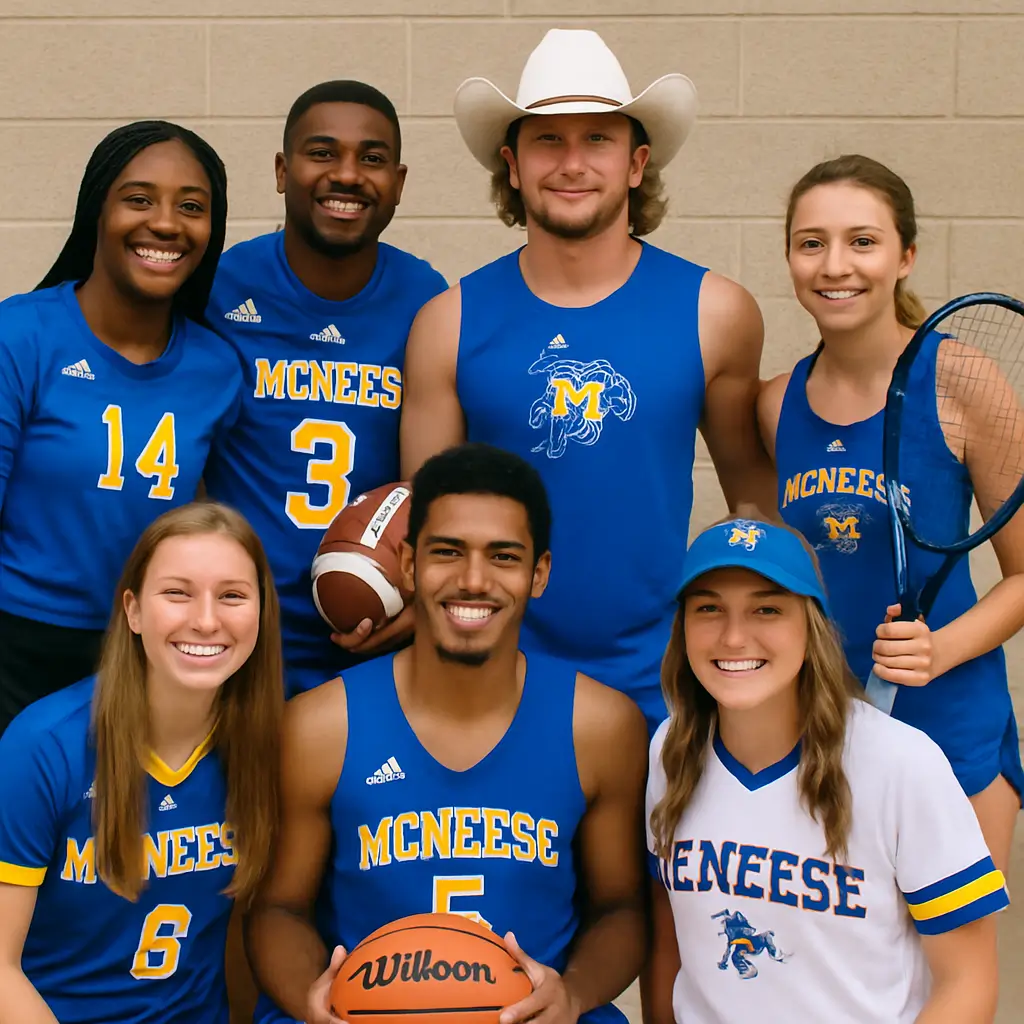
For business owners in Lake Charles, signing a deal with a Cowboy or Cowgirl is a strategic investment rather than a charitable donation. Unlike a static billboard on Ryan Street, athletes offer authentic connections; when a star softball player posts about a local coffee shop, she drives traffic from students and fans who trust her recommendation. These local business marketing partnerships with McNeese sports teams turn fandom into quantifiable foot traffic.
Beyond individual sales, a robust financial ecosystem helps the university win on the field. In any Southland Conference Name Image and Likeness comparison , schools with active business communities hold a distinct advantage. The impact of brand deals on Lake Charles college recruiting is undeniable: top talent is more likely to sign with—and stay at—McNeese when they see the local economy backing them.
To ensure this spending delivers results, sponsors can track specific performance metrics:
- Redemption rates for athlete-specific coupon codes (e.g., “POKES20”).
- Social media engagement on sponsored content.
- Foot traffic spikes during in-store appearances.
Brand sentiment improvements among alumni.
Your Playbook for Supporting the Future of McNeese Athletics
Supporting the Cowboys has evolved from simply buying tickets to actively shaping the roster. A simple social media follow or a contribution to a collective helps keep top talent in Lake Charles. This shift empowers you to move from a spectator to a vital partner, directly impacting the team’s ability to compete against larger programs.
Whether you are a business owner proposing mcneese university nil deals or a fan donating monthly, your participation matters. These partnerships are bolstered by financial literacy programs for McNeese student athletes, ensuring players maximize their earnings while safely navigating NCAA eligibility with private endorsements. This structure protects the student-athletes and creates confidence for the local businesses investing in them.
The future of McNeese sports relies on this synergy between athletic performance and community backing. By engaging with these new avenues, you help build a sustainable ecosystem where athletes thrive on the field and in the local economy. The next chapter of Blue and Gold pride begins with your involvement today.
Learn More About the NIL Landscape
Name, Image, and Likeness plays an increasing role in college sports, and understanding how it works often requires more than individual articles or news updates.
RallyFuel is a platform focused on NIL-related topics across college athletics. It brings together information about athletes, NIL activity, and the broader structure behind modern college sports, helping readers explore the topic in more depth.
Q&A
Question: What are McNeese University NIL deals and how do athletes actually get paid? Short answer: NIL lets McNeese athletes earn money from their name, image, and likeness through two main channels: direct brand partnerships on the Opendorse marketplace and fan-driven support via the Poke Blue Collective. The university still cannot pay players for on-field performance, so all income comes from outside businesses and supporters. Every deal must follow a “work for pay” standard—compensation only for specific services like social posts, appearances, or autographs—not for touchdowns or enrollment decisions. This community-backed model helps McNeese stay competitive in the Southland Conference by improving recruiting and retention.
Question: How does the Opendorse marketplace work for local businesses—and how can I gauge ROI? Short answer: Opendorse acts as a digital storefront where Cowboys and Cowgirls list their interests and rates. Small businesses can: 1) Browse the roster by sport or price, 2) Pitch a task (e.g., a ribbon-cutting, social post, or video shoutout), and 3) Pay securely after the athlete completes the work. Because the athlete delivers a defined service, the deal stays compliant. To measure results, track redemption rates for athlete-specific promo codes (like “POKES20”), engagement on sponsored posts, in-store foot traffic during appearances, and shifts in brand sentiment among alumni and fans. These partnerships often outperform static ads by leveraging athletes’ authentic ties to the Lake Charles community.
Question: What is the Poke Blue Collective, and what do fans get for joining? Short answer: The Poke Blue Collective is an independent, modern booster-style organization that pools donor support to pay McNeese athletes for charitable work and community appearances—separate from the university’s budget. By aggregating resources, it helps athletes earn market-value compensation in Lake Charles, making it easier for McNeese to retain talent against larger programs. Fans join on a membership basis and receive perks such as exclusive behind-the-scenes content, official merchandise, and access to special experiences like private meet-and-greets.
Question: What’s allowed (and not allowed) under Louisiana law and NCAA NIL rules, and how do athletes stay compliant? Short answer: Allowed: paying athletes for specific services—appearances, autographs, or social media promotions. Not allowed: “pay-for-play” tied to performance (e.g., tackles or touchdowns) or recruiting inducements (e.g., money to enroll or transfer). To protect eligibility, athletes must disclose every deal through designated software aligned with McNeese athletics compliance guidelines, enabling staff to review contracts before issues arise. Transparency is essential; full reporting and adherence to the “work for pay” rule keep NIL activity within bounds.
Question: Do NIL earnings affect taxes for student-athletes? Short answer: Yes. Athletes are treated as independent contractors, not university employees, so NIL income typically comes with self-employment tax obligations. Setting aside a portion of each payment and keeping basic records helps avoid surprises at tax time. This financial literacy—emphasized alongside compliance at McNeese—supports sustainable partnerships and protects both athletes and the local businesses investing in them.


Leave a Comment