

Imagine being twenty years old, balancing midterms while simultaneously working as a six-figure brand ambassador. For decades, the traditional system offered athletes little beyond an education, but the modern reality of an NCAA volleyball scholarship vs NIL has completely reshaped collegiate sports. Today’s top players are no longer just unpaid amateurs hoping to make the pros.
This financial revolution traces back to a 2021 legal shift known as Name, Image, and Likeness (NIL). Think of this policy as a professional permission slip. It allows college competitors to finally monetize their fame, legally transforming them into powerful athlete-influencers. Rather than relying on basic university stipends, these students are building social media empires that major global brands desperately crave.
While college football usually dominates the national headlines, an unexpected “growth stock” is rapidly emerging on the indoor courts. Industry data reveals that men’s volleyball captures a highly engaged, younger demographic, driving unprecedented student-athlete endorsement revenue. These high-flying competitors boast staggering engagement rates on platforms like Instagram and TikTok, proving you don’t need a gridiron to command serious market value.
Exactly how much are these personal brands actually worth? Tracking the highest NIL deals men volleyball has to offer exposes a fascinating intersection of modern culture and corporate sponsorships. The financial milestones currently being reached by the sport’s biggest names highlight a thrilling new era for these digital entrepreneurs.
Summary
Since NIL’s 2021 rollout, men’s college volleyball has emerged as a high-growth NIL market powered by elite social media engagement and direct-to-fan influence. Opendorse valuations and marketability indices show top earners—often boosted by geography (e.g., Hawaii) and diverse brand categories—landing sizable five-figure deals. Athlete income blends corporate sponsors, local/regional partnerships, and school-aligned collectives that frequently outpace partial scholarships, with success hinging on viral on-court highlights plus authentic online personalities. Distinct beach vs. indoor brand aesthetics and a pro approach to content, engagement, and representation position athletes to capitalize as NIL dollars and deal sophistication accelerate over the next five years.
Why a Non-Revenue Sport is Minting New Millionaires
Have you ever wondered why a collegiate spiker might command more attention from advertisers than a starting quarterback? While football relies on massive television contracts, the men’s volleyball growth sport phenomenon has carved out an entirely different path. These digital-native athletes are completely bypassing traditional sports media, building dedicated audiences directly through their smartphones.
Having millions of followers is impressive, but corporate sponsors are looking for something deeper than a simple headcount. This is where the difference between “reach” and “engagement rate” becomes a secret weapon. Reach is simply the total number of people casually scrolling past a video on their feed. Engagement rate, however, measures the die-hard fans who actually like, comment, and click through to buy a featured product.
To turn those active comment sections into actual paychecks, players rely on a modern business playbook. Specialized marketing agencies for volleyball athletes use a bridge strategy to connect this intense social media fame directly to corporate campaigns. By positioning players as relatable influencers who happen to be world-class competitors, they unlock unprecedented levels of student-athlete endorsement revenue.
This incredibly loyal digital fanbase proves that a program doesn’t need prime-time television slots to generate serious market value. Because these young stars offer authentic access to a highly engaged demographic, global companies are eager to invest in their personal brands.
The 5 Athletes Dominating the Volleyball NIL Leaderboards
Measuring how much an athlete’s personal brand is worth requires specialized tools. Platforms use an “Opendorse Valuation”—essentially a stock market price for an individual’s influence—to estimate earning potential based on social reach and on-court performance. They pair this with a Marketability Index, which acts like a credit score, telling brands exactly how likely a player’s audience is to actually buy the products they promote.
Geography dramatically impacts how those digital scores turn into cash. The University of Hawaii, a traditional powerhouse in the sport, serves as a perfect example of location driving local deal frequency. Because men’s volleyball is a premier ticket on the islands, athletes achieve local celebrity status, allowing them to sign lucrative partnerships with regional car dealerships and restaurants alongside their national campaigns.
Reviewing the latest Opendorse volleyball rankings reveals a clear hierarchy among the top earning male college volleyball players . To find the highest NIL deals men’s volleyball has produced, look to these five standout earners:
- Spyros Chakas (Hawaii): Local auto groups and regional apparel; estimated valuation $65,000.
- Merrick McHenry (UCLA): Global fitness brands and sports tech; estimated valuation $58,000.
- Jacob Pasteur (Ohio State): National energy drinks and gaming hardware; estimated valuation $45,000.
- Chaz Galloway (Hawaii): Regional food chains and lifestyle clothing; estimated valuation $42,000.
- Toby Ezeonu (Penn State): Local real estate and athletic wear; estimated valuation $38,000.
Beyond raw dollar amounts, this staggering variety of corporate partners shows the sport’s mainstream appeal. Instead of just traditional sporting goods manufacturers, players are signing with everyone from local tech startups to global fashion labels. Corporate sponsors clearly view these young men as highly versatile lifestyle influencers.
Thriving in this modern economy takes more than simply wearing a jersey. While athletic talent gets a player’s foot in the door, cashing in requires dedicated off-court effort.
Instagram vs. The Court: What Actually Drives a $50k Brand Deal?
A star starter might occasionally earn less in endorsements than a highly charismatic backup. The reason comes down to a distinct split between athletic value and social value. While scoring points wins championships, an engaging personality often secures the biggest paychecks.
Dominating the net helps attract initial sponsorships, but it is the sheer shareability of those plays that pays off. When a hitter delivers a gravity-defying spike, that short video clip quickly transforms into “viral currency” online. Brands crave these jaw-dropping moments, and they eagerly sponsor athletes who can capture immediate attention from casual scrollers. This on-court success provides the necessary visibility for building a personal brand as a male volleyball player.
However, raw talent only solves half of the commercial equation, so competitors must also actively cultivate their digital presence. A player’s social media influence heavily relies on their genuine likability off the hardwood. Think of these athletes as everyday lifestyle influencers who just happen to jump forty inches in the air. Companies gladly pay for behind-the-scenes training vlogs and relatable humor, as that authenticity consistently builds a loyal, buying audience.
Combining these two metrics is the exact secret to maximizing volleyball NIL valuation factors. When an athlete pairs viral athletic highlights with an approachable digital personality, they become a marketer’s dream, and their earning potential skyrockets.
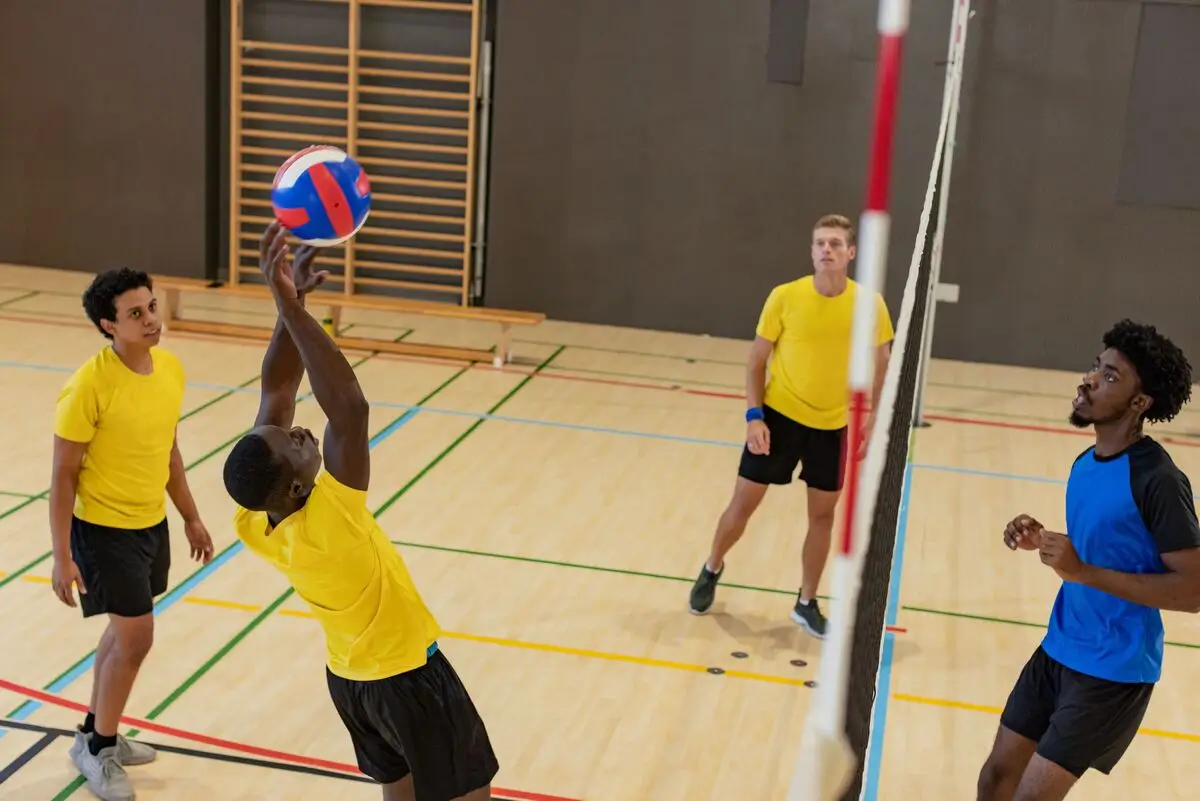
Local Heroes and Global Brands: Who is Investing in Men’s Volleyball?
When exploring exactly which brands sponsor men’s college volleyball, the answers range from neighborhood restaurants to international titans. In volleyball-crazed hotbeds like Honolulu or Long Beach, the sport completely dominates local culture, creating massive regional market synergy. Players in these cities are often treated like hometown royalty, partnering with regional car dealerships and local credit unions that want recognizable faces to drive community engagement. These grassroots partnerships consistently provide the foundation for a player’s commercial portfolio before global corporations come calling.
As digital platforms expand, major industries eagerly step in to fund lucrative athlete endorsement deals. The corporate sponsors writing these checks typically fall into three main categories:
- Local/Regional Businesses: Community restaurants and local retailers leveraging hometown fame to drive foot traffic.
- National Apparel Brands: Athletic giants and specialized volleyball gear companies seeking on-court performance credibility.
- Lifestyle/Tech Companies: Energy beverages and gaming gadgets banking on the athlete’s relatable, everyday influencer appeal.
Understanding these sponsorships also requires recognizing the stark difference between “Trade Deals” and “Cash Deals.” While top-tier stars command thousands in direct cash payments to promote a national clothing line, many developing players start with trade agreements—exchanging a simple social media post for complimentary headphones or free weekly meal prep. Yet, even the most aggressive corporate marketing campaigns pale in comparison to the primary financial engine currently reshaping the entire sport.
The ‘Collective’ Secret: How Alumni Funding Outpaces Traditional Scholarships
Unlike football players who automatically receive full rides, NCAA men’s volleyball athletes usually divide just 4.5 scholarships among a massive 20-man roster. This harsh mathematical reality means many elite competitors traditionally paid out of pocket just to represent their universities. Today, a powerful new financial engine has emerged to bridge that gap and keep talent on the court.
Understanding this modern shift requires learning the difference between standard corporate endorsements and donor-driven athletic funds. While a traditional brand deal is essentially “work for hire” where a player promotes a specific product, an NIL collective functions much like alumni crowdfunding. Passionate boosters pool their private money to pay athletes a reliable income, rewarding them for local charity work, fan engagement, and remaining loyal to their specific school.
When curious fans ask exactly how much male volleyball players make from NIL, the answer often lies within these organized booster groups rather than massive corporate sponsors. The traditional dynamic of an NCAA volleyball scholarship vs NIL earnings has completely flipped, as monthly collective payouts can easily exceed the value of a partial tuition check. These localized men’s volleyball collective sponsorships provide a crucial financial floor, essentially serving as crowdfunded salaries for college stars.
By easing the financial burden of college, this alumni-backed system elevates the entire collegiate game and extends athletic careers.
Beach vs. Indoor: Where the Big Money is Moving
Stepping out of the gym and onto the sand changes more than just the playing surface; it completely alters the business model. When examining beach volleyball vs indoor NIL potential, the outdoor game holds a unique advantage: aesthetic value. Beach athletes naturally create content in sunny, picturesque environments that are highly prized by advertisers. Think of these players as lifestyle influencers who happen to be elite competitors. Sunscreen companies, designer eyewear lines, and major beverage brands like Red Bull are eager to sponsor them because their everyday training footage seamlessly doubles as a high-end summer commercial.
Back under the stadium lights, indoor stars take a radically different approach to building a personal brand. Without the built-in vacation aesthetic of the beach, these athletes leverage the explosive, fast-paced nature of their sport. Their social media feeds are packed with gravity-defying spikes, intense locker room celebrations, and behind-the-scenes training vlogs. This hard-hitting content attracts a completely different tier of corporate sponsors, specifically performance apparel giants, recovery technology companies, and major local businesses wanting to attach their name to a team’s prime-time energy.
The most recognizable financial superstars, however, are the rare crossover athletes who dominate both surfaces. By playing indoor in the winter and beach in the spring, these dual-threat competitors keep their faces in the spotlight all year long, effectively maximizing NIL value for volleyball athletes across two distinct advertising markets.
Transforming Your Personal Brand: 3 Steps for Aspiring Volleyball Athletes
Talent on the court is no longer enough to secure a lucrative brand partnership. Athletes must treat their online presence like a digital storefront, acting as influencers who happen to be elite competitors. When building a personal brand as a male volleyball player, the ultimate goal is becoming “sponsor-ready.” This means proving to a local dealership or a global sports drink company that your online audience is engaged enough to drive real sales.
Achieving this requires a deliberate game plan for maximizing NIL value:
- Content Pillars: Players must “niche-down” into specific themes—like behind-the-scenes training vlogs or game-day fashion—so followers know exactly what to expect.
- Engagement Strategy: Brands value active fans over passive follower counts, making community interaction essential.
- Professional Outreach: Hiring an agent eventually becomes crucial for negotiating NIL contracts, ensuring athletes secure high-dollar compensation rather than just free merchandise.
Securing proper representation marks the final shift from amateur creator to serious business partner.
Why the Next Five Years Will Double the Value of Men’s Volleyball
The amateur label is officially a relic of the past in college sports. As men’s volleyball cements itself as a premier growth sport, the financial landscape is shifting rapidly. With television networks expanding their coverage and broadcast rights inevitably increasing, the future of NIL in men’s volleyball will feature even larger paychecks and unprecedented professional opportunities.
The playbook is already evolving well beyond simple sponsored posts. The athletes currently securing the highest NIL deals are moving toward highly sophisticated partnerships, including long-term ambassador contracts and equity stakes in emerging companies. This explosive financial growth is happening safely within strict national collegiate athletic association compliance rules, proving that the business of collegiate volleyball is now just as strategic as the game itself.
You no longer just see college players on a court; you see powerful influencers building modern brands. Fans can actively participate in this growing ecosystem simply by engaging. Following these breakout stars on social media and interacting with their content directly supports their market value, helping to establish the next generation of collegiate athletes.
Learn More About the NIL Landscape
Name, Image, and Likeness plays an increasing role in college sports, and understanding how it works often requires more than individual articles or news updates.
RallyFuel is a platform focused on NIL-related topics across college athletics. It brings together information about athletes, NIL activity, and the broader structure behind modern college sports, helping readers explore the topic in more depth.
Q&A
Question: What is NIL and why does it matter for men’s college volleyball?
Short answer: NIL (Name, Image, and Likeness) is a 2021 policy shift that lets college athletes legally monetize their personal brands. For men’s volleyball, it’s been transformative: players can now earn five-figure incomes as athlete-influencers through corporate sponsors, local/regional partnerships, and school-aligned collectives—often surpassing the value of partial athletic scholarships. The result is a fast-growing market where top performers and savvy creators turn on-court highlights and authentic online personas into real revenue.
Question: How are the top NIL earners identified, and who currently leads men’s volleyball?
Short answer: Platforms use Opendorse Valuation (an estimate of earning potential based on social reach and performance) alongside a Marketability Index (likelihood an audience will buy) to rank athletes. Geography also matters—Hawaii’s volleyball culture, for instance, boosts local deals. Current standouts include:
- Spyros Chakas (Hawaii): ~$65,000
- Merrick McHenry (UCLA): ~$58,000
- Jacob Pasteur (Ohio State): ~$45,000
- Chaz Galloway (Hawaii): ~$42,000
- Toby Ezeonu (Penn State): ~$38,000
Their partner mix—from auto groups and regional food chains to global fitness and gaming—signals broad, mainstream appeal.
Question: Why are brands investing in a non-revenue sport like men’s volleyball?
Short answer: Engagement beats sheer reach. Men’s volleyball stars over-index on Instagram and TikTok with younger, highly engaged audiences—exactly what sponsors want. These athletes generate “viral currency” via jaw-dropping plays and pair it with relatable, lifestyle content that converts. The sport also benefits from location-driven fandom (e.g., Hawaii), turning players into local celebrities attractive to regional businesses and national brands alike.
Question: What actually drives a $50k+ brand deal—on-court dominance or social media?
Short answer: Both, but social impact often tips the scale. Elite play creates viral highlights that attract initial attention; sustained earnings come from authenticity, consistency, and community interaction online. A charismatic backup can sometimes out-earn a starter if their engagement rate is higher. Content that blends shareable athletic moments with approachable, behind-the-scenes personality is the winning formula. (On beach vs. indoor, beach athletes gain a natural “lifestyle” aesthetic for sponsors like eyewear and beverages, while indoor stars monetize explosive, high-intensity content with performance and recovery brands. Crossover athletes can capture both markets.)
Question: How do NIL collectives change the math compared with traditional scholarships?
Short answer: Men’s volleyball programs typically split 4.5 scholarships across large rosters, leaving many athletes paying out of pocket. NIL collectives—alumni/booster-funded groups—bridge that gap by paying athletes for community work, fan engagement, and school loyalty. These monthly, school-aligned payouts often exceed partial scholarship value, creating a reliable financial floor that keeps talent on campus and elevates the whole sport.



Leave a Comment