

Introduction: Psychological Endurance Before Olympic Performance
At the Milano–Cortina 2026 Winter Olympics, athletic performance reflects more than physical readiness. Behind every старт at the Games lies a prolonged qualification cycle marked by uncertainty, evaluation, and repeated high-pressure exposure.
The psychological dimension of this extended Olympic pathway is often underestimated. While training programs structure physical periodization, mental preparation requires equal strategic calibration.
The central thesis:
Long Olympic qualification cycles demand psychological endurance, identity stability, and emotional regulation mechanisms that are as structured as physical training plans.
Mental preparation is not reactive — it must be systematically engineered across the entire qualification window.
The Unique Psychological Demands of an Extended Qualification Cycle
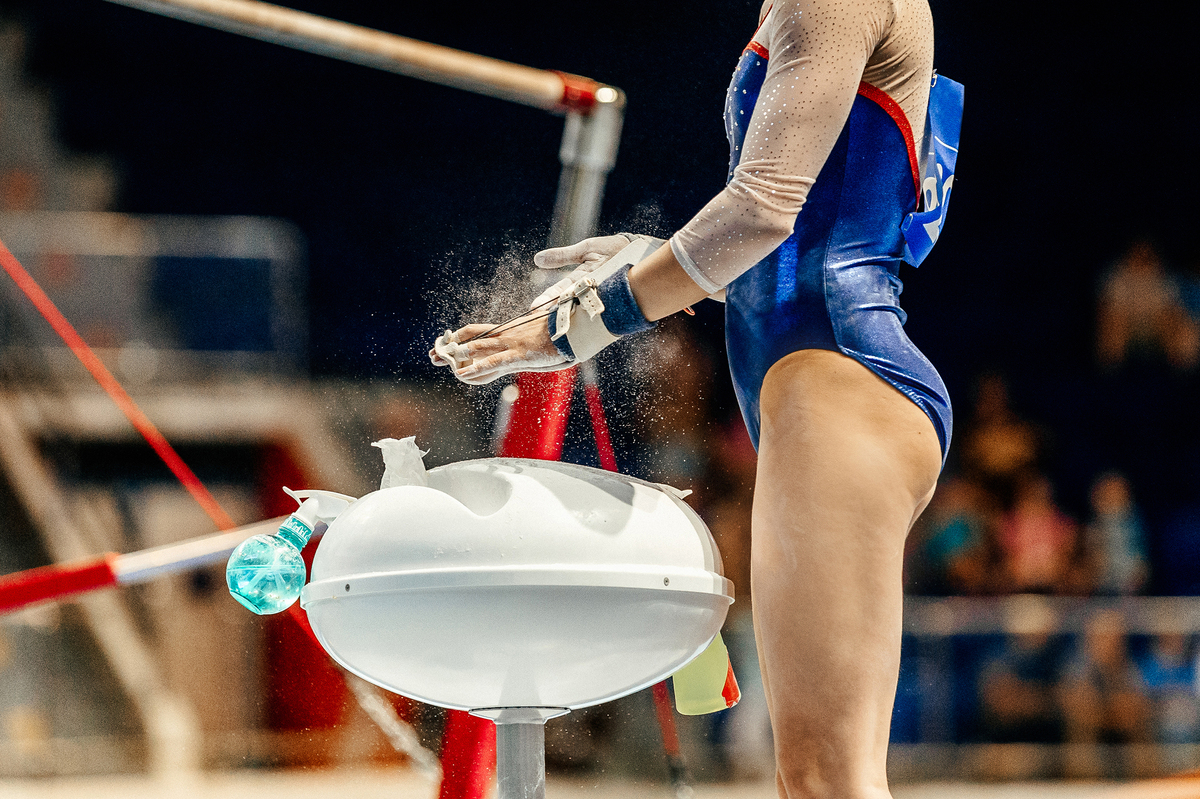
Olympic qualification differs from regular seasonal competition in three critical ways:
- Uncertainty of Selection
- Delayed Reward Structure
- Public Evaluation Over Time
Unlike a single championship event, qualification spans months or years. Athletes must sustain motivation without guaranteed outcome.
The most destabilizing factor is ambiguity — not knowing whether performance will be sufficient for selection.
Sustaining Motivation Across an Uncertain Timeline
Motivation during long Olympic cycles cannot rely solely on external reward (Olympic participation). Instead, elite athletes cultivate:
- Process-driven goals
- Micro-performance targets
- Training mastery focus
- Internal validation systems
Short-term objective layering helps maintain engagement when the final outcome remains distant.
Without internalized motivation, psychological fatigue accumulates before physical fatigue does.
Managing Identity Pressure
For many elite winter athletes, Olympic participation defines career legitimacy. This creates identity attachment to selection outcome.
Long qualification cycles increase:
- Fear of career stagnation
- Sponsorship anxiety
- Social comparison pressure
- Media scrutiny
Athletes who over-identify with Olympic selection risk emotional volatility when performance fluctuates.
Mental preparation includes separating performance outcome from self-worth.
Coping with Performance Volatility
Over a long qualification window, athletes inevitably experience:
- Injury setbacks
- Ranking fluctuations
- Tactical miscalculations
- Unexpected competition outcomes
Psychological resilience depends on cognitive reframing strategies:
- Viewing setbacks as data
- Treating qualification as dynamic, not final
- Maintaining perspective under temporary regression
This protects long-term emotional stability.
Emotional Regulation Under Repeated Evaluation
Olympic qualification cycles involve constant assessment:
- National team reviews
- Federation monitoring
- Public debate
- Statistical comparison
Repeated evaluation increases cognitive load.
Elite athletes employ:
- Controlled media exposure
- Scheduled digital disengagement
- Structured mental rehearsal
- Guided sport psychology sessions
Reducing external noise preserves cognitive clarity.
Mental Fatigue vs Physical Fatigue
Mental fatigue often precedes physical exhaustion in long Olympic cycles.
Symptoms include:
- Decision-making hesitation
- Reduced training enthusiasm
- Sleep disturbances
- Emotional irritability
Unchecked mental fatigue can:
- Increase injury risk
- Impair reaction timing
- Reduce tactical sharpness
Mental recovery must be integrated alongside physical recovery.
Structured Psychological Training Models
Elite programs preparing athletes for Milano–Cortina 2026 incorporate:
Cognitive Periodization
Just as physical intensity fluctuates, mental load is modulated through:
- High-pressure simulation blocks
- Controlled low-pressure recovery periods
- Competition environment rehearsals
Visualization and Scenario Planning
Athletes mentally rehearse:
- Qualification scenarios
- Selection announcements
- High-stakes performance moments
Familiarity reduces threat response.
The Role of Sport Psychologists
Mental preparation during Olympic qualification often includes:
- Stress response training
- Cognitive behavioral techniques
- Breathing regulation protocols
- Performance anxiety management
These interventions help athletes maintain composure across prolonged uncertainty.
Psychological Risk Factors During Long Qualification Cycles
Common vulnerabilities include:
- Burnout
- Perfectionism overload
- Catastrophic thinking
- Social isolation
Burnout risk increases when athletes perceive qualification as survival rather than progression.
Balanced perspective is protective.
Psychological Sustainability Framework
| Psychological Challenge | Risk During Long Cycle | Stabilization Strategy | Performance Benefit |
|---|---|---|---|
| Selection uncertainty | Anxiety spikes | Process orientation | Emotional stability |
| Ranking fluctuation | Confidence erosion | Data reframing | Consistent output |
| Media scrutiny | Cognitive overload | Controlled exposure | Focus retention |
| Injury setback | Identity disruption | Long-term perspective | Resilience growth |
| Burnout risk | Motivation decline | Periodized mental rest | Sustained engagement |
This framework illustrates how structured psychological preparation supports competitive consistency.
The Final Psychological Transition Into the Olympic Window
Once qualification concludes and Olympic selection is confirmed, a psychological shift occurs:
- Uncertainty decreases
- Role clarity increases
- Focus narrows
Athletes who managed the long cycle effectively enter the Olympic phase mentally composed rather than depleted.
Those who failed to regulate stress often arrive fatigued despite physical readiness.
Conclusion
Mental preparation during a long Olympic qualification cycle is not a supplementary component of elite sport — it is a structural necessity.
For athletes competing at the Milano–Cortina 2026 Winter Olympics, psychological endurance determined not only qualification success, but readiness to perform once selected.
Sustained motivation, emotional regulation, identity stability, and structured cognitive training form the foundation of long-cycle resilience.
In Olympic sport, physical peak matters.
But psychological sustainability determines who reaches it intact.
Learn More About the NIL Landscape
Name, Image, and Likeness plays an increasing role in college sports, and understanding how it works often requires more than individual articles or news updates.
RallyFuel is a platform focused on NIL-related topics across college athletics. It brings together information about athletes, NIL activity, and the broader structure behind modern college sports, helping readers explore the topic in more depth.
👉 Explore the Athletes on RallyFuel – Discover top college athletes, compare NIL valuations, and dive deeper into the world of NIL.
FAQ
1. Why is mental preparation critical during Olympic qualification?
Because the extended evaluation period creates sustained uncertainty and psychological strain.
2. How do athletes prevent burnout during long cycles?
Through process-driven goals, structured mental recovery, and professional sport psychology support.
3. Does psychological fatigue affect physical performance?
Yes. Mental fatigue can impair decision-making, reaction timing, and injury resistance.
4. What role does identity play in Olympic qualification?
Over-identification with selection outcomes increases emotional volatility under pressure.
5. When does psychological pressure decrease?
Typically after Olympic selection is confirmed, when uncertainty transitions to performance focus.




Leave a Comment