

For decades, a Hurricanes jersey generated revenue for the school while the players wearing them never saw a dime. That old rulebook is officially gone.
Name, Image, and Likeness (NIL) functions effectively as a “Digital Lemonade Stand.” If a linebacker has a following, he can sell that influence. University of Miami NIL deals now allow players to turn their popularity into legitimate profit, whether promoting a local gym or signing autographs.
Geography drives this new economy. Unlike quiet college towns, Coral Gables sits in a global media hub, turning University of Miami athletes into genuine celebrities. This setting makes Miami NIL deals uniquely lucrative, cementing “The U” as a pioneer in the modern sports era.
Key Takeaways
Miami’s NIL ecosystem lets athletes monetize their brands under Florida’s favorable laws while NCAA guardrails remain, with UM’s compliance office ensuring deliverable-based, legitimate deals. The city’s big-market advantages power diverse opportunities through the fan-driven Canes Connection collective and private brand partnerships like LifeWallet, benefiting both stars and non-revenue sports. NIL now drives recruiting and retention, leveraging Miami’s business network and a strong collective to keep top talent in Coral Gables. Real success demands business discipline—managing taxes, using financial literacy resources, and structuring clear, marketplace-driven campaigns for athletes and local businesses.
Summary
Miami’s NIL landscape lets athletes legally monetize their brands, with Florida’s favorable laws enabling opportunities while NCAA rules impose guardrails enforced by UM’s compliance office. Miami’s big-city ecosystem fuels diverse deals—from the fan-driven Canes Connection collective to corporate partnerships like LifeWallet—benefiting stars and non-revenue sports alike. NIL now drives recruiting and retention, leveraging the city’s business network and a robust collective to keep top talent in Coral Gables. Real success requires business discipline: athletes must manage taxes and finances, and local businesses can plug in via marketplaces with clear, deliverable-based campaigns.
The Digital Lemonade Stand: Navigating Florida’s NIL Laws without Getting a Ticket
The current reality for Miami athletes navigating Florida student athlete compensation laws versus NCAA bylaws resembles driving on I-95 where the state speed limit says 75, but a national traffic officer attempts to ticket you for going 60. While the state government aggressively legislated to give players the green light to earn, the national governing body still attempts to enforce guardrails to keep college sports distinct from professional leagues.
To ensure players don’t crash into these conflicting rules, the University relies on its internal compliance office. This department acts as the safety inspector for every transaction. They do not negotiate contracts—schools are strictly forbidden from facilitating deals directly—but they review every agreement to ensure the athlete is performing actual work, like signing autographs or promoting a gym, rather than just accepting a bribe to play.
Having clear state legislation provided a massive head start for the Hurricanes. While programs in other states hesitated, fearing severe NCAA penalties, Miami operated with the confidence of a legislative shield. This aggression allowed the Canes to establish a marketplace early, turning legal protections into a tangible recruiting pitch for top talent.
However, navigating NCAA compliance for UM players reveals one ironclad rule: the school cannot write the check. Since the university budget is off-limits for paying players directly, the money must come from outside the athletic department. This distinction paved the way for the rise of powerful third-party financiers.
The Community Pot vs. The LifeWallet Empire: Who is Funding Miami’s Stars?
Since the university cannot legally sign paychecks for players, the “Collective” emerged to fill the financial void. The Miami Hurricanes NIL collective Canes Connection operates as a massive, fan-driven membership club. Alumni and local businesses contribute monthly dues into a central pool, and in exchange, athletes are paid to make appearances or engage with charities. It is crowd-sourced support designed specifically to keep the roster intact.
Alternatively, individual mega-boosters operate more like traditional corporate sponsors but at a much higher volume. John Ruiz LifeWallet athlete partnerships became famous nationally for aggressively signing players to endorse health technology products. In this scenario, a specific company pays for specific marketing services, rather than a broad group of fans supporting the team as a whole.
Distinct roles define the flow of money between these entities:
- Canes Connection (Collective): Funded by the “crowd” (fans/businesses); primary goal is roster retention and community engagement.
- LifeWallet (Private Deal): Funded by a single corporation; primary goal is marketing ROI and brand visibility.
The difference between NIL collectives and brand deals dictates how different athletes are supported. While star quarterbacks naturally attract corporate billboards, the collective model ensures that hard-working athletes in other sports aren’t left behind.
Winning Beyond the Gridiron: Why NIL is a Game Changer for Non-Revenue Sports
While national headlines fixate on seven-figure contracts for quarterbacks, the real magic often happens away from Hard Rock Stadium. NIL opportunities for non-revenue sports at UM—like track, swimming, and tennis—are life-changing for students who might not be on full academic scholarships. For these athletes, earning a few extra thousand dollars isn’t about buying luxury cars; it is about covering the high cost of rent in Coral Gables or affording a plane ticket to fly their parents down for a senior night game.
Innovative local partners have stepped up to ensure these benefits aren’t reserved solely for marquee stars. The American Top Team athlete sponsorship program set a historic precedent by offering a monthly stipend to every scholarship athlete at the university, regardless of their sport or playing time. This inclusive approach acts less like a traditional celebrity endorsement and more like a guaranteed paycheck, fostering unity rather than financial jealousy inside the locker room.
Local business owners often ask, “How do Miami athletes get NIL deals if they aren’t on TV every Saturday?” The answer lies in these broad community partnerships that value local connection over national fame. By supporting the entire athletic department rather than just the starters, Miami creates an ecosystem where every player feels valued—a cultural advantage that becomes the ultimate sales pitch when top-tier recruits are deciding where to sign.
The Recruiting Revolution: How NIL Dollars Keep Top Talent in Coral Gables
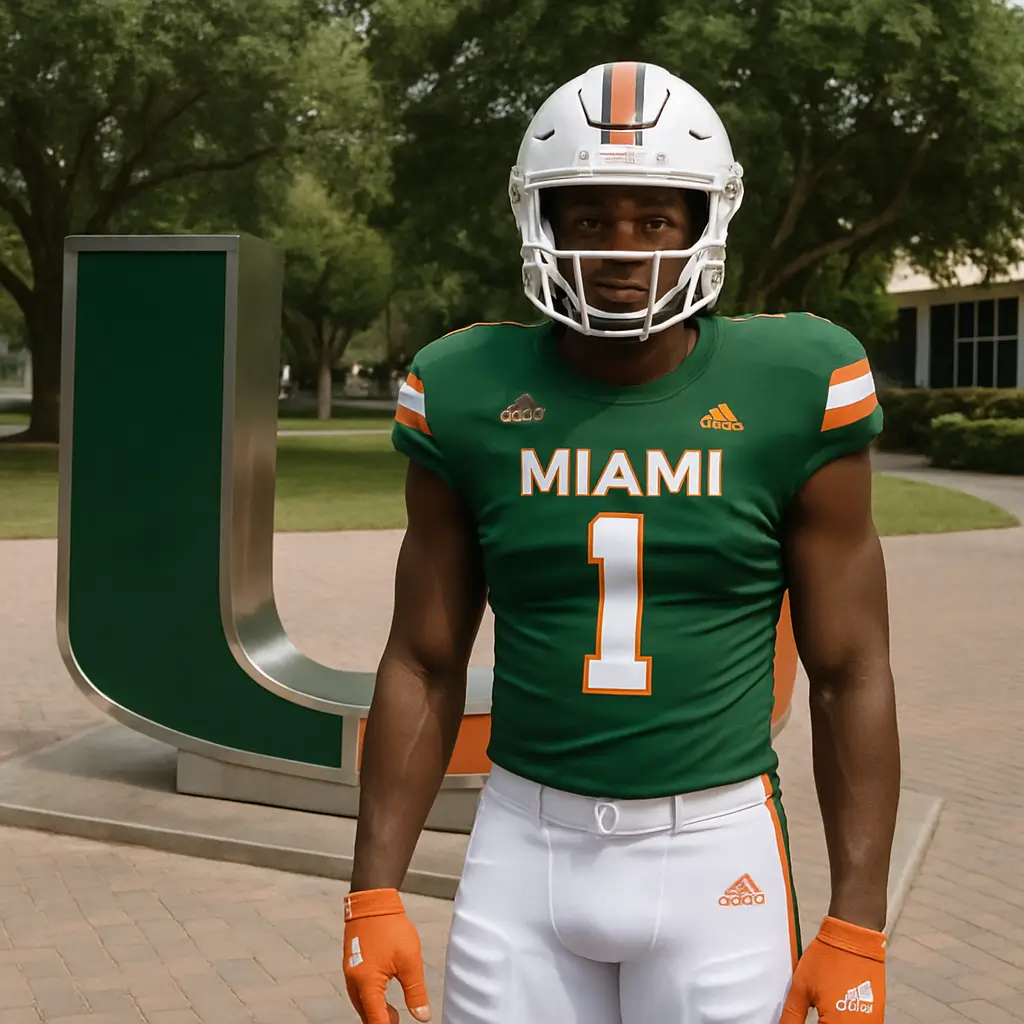
In the past, coaches sold recruits on championship history and sunny weather, but today’s prospects treat college selection like a business decision. The impact of NIL on Miami football recruiting is undeniable; it transformed the Transfer Portal from a chaotic gamble into a calculated marketplace. When a star player considers leaving their current school, they aren’t just looking for playing time—they are seeking a program with the financial infrastructure to match their market value immediately.
Geography provides the Hurricanes with a distinct economic edge that small college towns simply cannot replicate. When comparing Miami NIL vs other ACC schools, the difference is the vibrant metropolitan economy of the “305” versus isolated campus bubbles. Athletes in Coral Gables have direct access to luxury real estate firms, international tech companies, and diverse lifestyle brands that do not exist in rural Virginia or South Carolina, offering revenue streams far beyond simple autograph signings.
Retention is just as crucial as acquisition, and a strong collective ensures the top earners among Miami Hurricanes athletes have no financial incentive to look elsewhere. By compensating proven performers, the university stabilizes its roster against the constant churn of modern college sports. Yet, with these new earnings comes complex responsibility, leading many fans and players to question the specific financial paperwork required next.
Your Hurricanes NIL Action Plan: From Tax Compliance to Local Business Deals
The initial hype of the NIL era has settled into a new reality: being a Hurricane is now a business. For players, the “digital lemonade stand” brings real-world responsibilities. Mastering the tax implications for student athlete endorsements is just as vital as signing the contract. True success requires utilizing UM Hurricanes financial literacy for recruits to ensure wealth lasts long after the final whistle.
For local owners, the benefits of sponsoring University of Miami players connect your brand directly to the city’s pulse. Start your partnership here:
- Determine a budget; even micro-deals drive local engagement.
- Register with an established marketplace like Canes Connection or Opendorse.
- Define a clear deliverable, such as a single social media post or store appearance.
The “U” now represents a shared economy between the city and its stars. Whether managing a portfolio or supporting a local sponsor, you are now an active participant in Miami’s future wins.
Learn More About the NIL Landscape
Name, Image, and Likeness plays an increasing role in college sports, and understanding how it works often requires more than individual articles or news updates.
RallyFuel is a platform focused on NIL-related topics across college athletics. It brings together information about athletes, NIL activity, and the broader structure behind modern college sports, helping readers explore the topic in more depth.
Frequently Asked Questions
Question: What does NIL mean for University of Miami athletes, and why is Miami an ideal place for it? Short answer: NIL lets Hurricanes monetize their name, image, and likeness—think a “digital lemonade stand” where a player’s following becomes real income through appearances, autographs, or promos. Miami’s location in Coral Gables, inside a global media hub, turns athletes into true local celebrities. That big-city ecosystem creates more—and more lucrative—opportunities than quieter college towns, making Miami’s NIL environment uniquely strong.
Question: How do Florida’s NIL laws interact with NCAA rules, and what does UM’s compliance office do? Short answer: Florida law gives athletes a green light to earn, but NCAA bylaws still enforce guardrails to keep college sports distinct from pro leagues. UM’s compliance office acts as a safety inspector: they don’t negotiate deals, but they review every agreement to ensure athletes do legitimate work (e.g., signings, social posts) and aren’t being paid just to play. One ironclad rule remains—the university can’t cut the check—so money must come from outside the athletic department. Florida’s early, clear legislation let Miami build a compliant marketplace faster, turning legal clarity into a recruiting edge.
Question: What’s the difference between Canes Connection and a private brand deal like LifeWallet? Short answer: Canes Connection is a fan- and business-funded collective focused on roster retention and community engagement; it pools contributions and pays athletes for appearances or charitable work. A brand deal like LifeWallet is a direct corporate sponsorship that pays specific athletes for defined marketing deliverables, prioritizing ROI and brand visibility. Star players often attract private brand campaigns, while the collective helps ensure broader support—including for athletes outside the spotlight.
Question: How are non-revenue sports at UM benefiting from NIL? Short answer: For athletes in sports like track, swimming, and tennis, NIL can be life-changing—covering rent in Coral Gables or helping family travel for senior night. Programs such as American Top Team’s stipend to every scholarship athlete set an inclusive precedent, functioning more like a steady paycheck than a one-off endorsement. This broad-based support builds locker-room unity and becomes a powerful recruiting pitch that values the whole department, not just marquee names.
Question: How does NIL shape Miami’s recruiting and retention, and how can businesses or athletes take action? Short answer: NIL turned recruiting—and the Transfer Portal—into a business decision. Miami’s metropolitan economy gives athletes access to diverse brands and industries that smaller ACC markets can’t match, strengthening both acquisition and retention when paired with a robust collective. To get started, businesses should set a budget, register with marketplaces like Canes Connection or Opendorse, and define clear deliverables (e.g., a social post or store appearance). Athletes should treat NIL as a business—manage taxes, use UM’s financial literacy resources, and keep every deal deliverable-based and compliant.
Question: If UM can’t pay athletes, how do NIL deals actually get funded and approved? Short answer: Funding comes from outside the athletic department. Two main streams drive Miami’s NIL economy: the Canes Connection collective (a fan/business-funded pool that pays athletes for appearances and community work) and private brand partnerships like LifeWallet (direct corporate deals for defined marketing deliverables). UM’s compliance office reviews every agreement to confirm real work is being performed and that it’s not pay-for-play, but the school neither negotiates nor cuts the checks.
Question: What counts as “real work” in a compliant NIL deal—and what crosses the line? Short answer: Legitimate deliverables include things like signing autographs, promoting a local gym on social media, making store appearances, or engaging in charitable events. Deals must be deliverable-based and marketplace-driven. Violations include being paid simply to play or to choose/remain at UM, or the university facilitating or funding the deal. Florida law empowers athletes to earn, while NCAA guardrails—enforced by UM’s compliance review—prevent sham arrangements.
Question: I’m a small local business—what’s the simplest way to run a compliant, high-ROI micro-deal? Short answer: Start with a clear, modest budget; register with a marketplace like Canes Connection or Opendorse; and define a specific deliverable (e.g., one social post or an in-store appearance). Keep it measurable and tied to your business goals. The compliance office will review the agreement, and Miami’s big-city media environment can amplify even small campaigns when the deliverable is clear and authentic.
Question: How do athletes without huge followings—or in non-revenue sports—benefit from Miami’s NIL setup? Short answer: The collective model and community-minded partners ensure opportunities extend beyond headline stars. Miami has showcased inclusive approaches—like American Top Team’s monthly stipend to every scholarship athlete—that function more like steady support than one-off endorsements. For many, a few thousand dollars can cover Coral Gables rent or family travel, building locker-room unity and strengthening Miami’s recruiting pitch.
Question: What business responsibilities come with NIL income for athletes? Short answer: Treat NIL like a real business. Manage taxes on endorsement earnings, keep good records, and lean on UM’s financial literacy resources to make smart decisions. Structure every agreement around clear, deliverable-based services and ensure it goes through UM’s compliance review to stay within NCAA guardrails.




Leave a Comment