
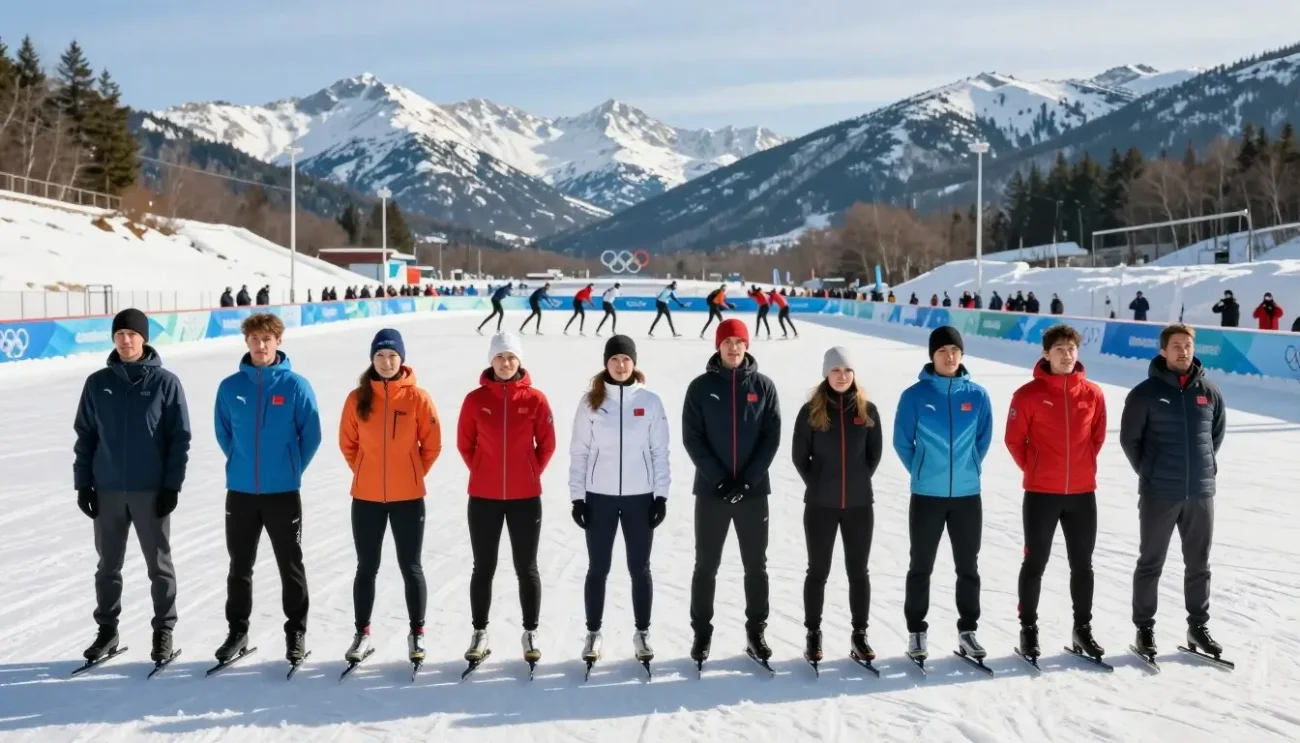
As we approach the 2026 Milano Cortina Winter Olympics, significant changes are on the horizon for Mixed Team Events. You might be wondering what these changes entail and how they will impact the Olympic experience for athletes and fans alike. The evolution of mixed competitions is a fascinating story that reflects the dynamic nature of the Olympics.
The Winter Olympics 2026 are set to introduce a revamped format for Mixed Team Events, marking a new era in Olympic competition. In this article, we will explore the historical context of these events, the changes coming into effect, and what they mean for the future of the Olympics.
The Evolution of Olympic Gender Integration
The Olympic Games have undergone a transformation in terms of gender equality. As we explore this evolution, it’s clear that the path toward mixed competition has been gradual, influenced by historical gender segregation in winter sports.
Historical Context of Gender Segregation in Winter Sports
Traditionally, winter sports have been segregated by gender, with separate competitions for men and women. This segregation was rooted in historical and cultural norms that viewed men’s and women’s sports differently. However, as societal attitudes toward gender equality have evolved, so too have the Olympic Games.
The Path Toward Mixed Competition
The shift toward mixed competition represents a significant step in Olympic gender integration. By combining men’s and women’s events, the Olympics promote equality and create new competitive opportunities. This change not only enhances the sporting experience but also reflects broader societal shifts toward gender inclusivity.
As we move forward, the inclusion of mixed team events in the Winter Olympics continues to evolve, reflecting a commitment to gender equality and competitive diversity. You, as a fan or athlete, are part of this journey toward a more inclusive Olympic Games.
Mixed Team Events at the Winter Olympics: A Growing Tradition
As we look at the evolving Winter Olympics, mixed team events stand out as a rapidly growing tradition. These events have not only expanded the competitive landscape but have also brought a new level of excitement and unpredictability to the Games.
Definition and Basic Competition Structure
Mixed team events at the Winter Olympics involve teams comprising athletes of different genders competing together in a single event. The structure of these competitions varies by sport but generally involves a format where teams must include a mix of male and female athletes. For instance, in figure skating, the team event requires a specific number of skaters from each gender to perform different disciplines.
The Appeal of Mixed Gender Competition
The appeal of mixed gender competition lies in its unique blend of challenges and opportunities. From an athletic perspective, it demands a high level of coordination and strategy between team members.
Athletic Perspective
Athletes participating in mixed team events must adapt to different communication styles, strengths, and weaknesses. This diversity fosters a more dynamic and resilient team environment.
Spectator Engagement
For spectators, mixed team events offer an enhanced viewing experience. The combination of different skills and the necessity for teamwork create a compelling narrative that captivates audiences worldwide.
The growing popularity of mixed team events reflects a broader shift in how we engage with sports, emphasizing unity, cooperation, and mutual respect among athletes.
The History of Mixed Events: From Novelty to Mainstay
The history of mixed events at the Winter Olympics is a story of gradual acceptance and growing popularity. As the Olympic Games continue to evolve, the inclusion of mixed gender competitions has become a significant aspect of the Winter Olympics’ appeal.
Early Mixed Events in Olympic History
The introduction of mixed events dates back to early attempts at integrating gender competitions in the Olympics. Initially, these events were seen as novelties, but they laid the groundwork for future developments. One of the pioneering mixed events was figure skating, where pairs competitions included male and female athletes.
“The inclusion of mixed events has brought a new dynamic to the Olympics, enhancing the competitive landscape and spectator interest.” – IOC Official
PyeongChang 2018: The Breakthrough Moment
The PyeongChang 2018 Winter Olympics marked a significant breakthrough for mixed events. It was during these games that mixed curling and mixed doubles curling made their Olympic debut. The success of these events paved the way for further integration.
Beijing 2022: Building Momentum
At the Beijing 2022 Winter Olympics, mixed events continued to gain momentum. The inclusion of new mixed competitions and the expansion of existing ones demonstrated the growing importance of mixed events in the Olympic program. The table below highlights some key mixed events at Beijing 2022.
| Sport | Event |
|---|---|
| Figure Skating | Team Event |
| Curling | Mixed Doubles |
| Short Track Speed Skating | Mixed Team Relay |
The progression from novelty to mainstay for mixed events at the Winter Olympics is a testament to the evolving nature of the Games. As we look towards Milano Cortina 2026, it’s clear that mixed events will continue to play a vital role.
Milano Cortina 2026: The New Mixed Team Landscape
The 2026 Winter Olympics in Milano Cortina are poised to revolutionize the Mixed Team Events landscape with significant changes announced by the IOC. These changes reflect a broader strategy to enhance inclusivity and diversity in Olympic competitions.
Official Announcements and IOC Statements
The IOC has been clear in its commitment to evolving the Olympic program. Recent statements have emphasized the importance of mixed team events in promoting gender equality and broadening the appeal of winter sports.
Key Changes to the Olympic Program
The modifications to the Olympic program for Milano Cortina 2026 are multifaceted, involving both new events and changes to existing formats.
New Events Added
Among the key changes are the introduction of new mixed team events designed to attract a wider audience and provide more opportunities for athletes.
Modified Formats
Existing mixed team events are also being reconfigured to enhance competition and spectator engagement.
| Event | Change Type | Description |
|---|---|---|
| Figure Skating Team Event | Modified Format | Revised scoring system to enhance competitiveness |
| Mixed Biathlon Relay | New Event | Includes mixed gender teams competing in a relay format |
| Alpine Skiing Mixed Team Parallel | New Event | A new format featuring head-to-head team competition |
These changes signal a significant shift towards greater inclusivity and diversity in the Olympic Games, aligning with the IOC’s strategic vision for the future of winter sports.
Winter Sports Embracing the Mixed Format for 2026
As we approach the 2026 Winter Olympics, several winter sports are embracing the mixed format, bringing a fresh dynamic to the games. This shift is part of the International Olympic Committee’s (IOC) efforts to enhance gender equality and increase the appeal of winter sports.
Figure Skating: Team Event Revisions
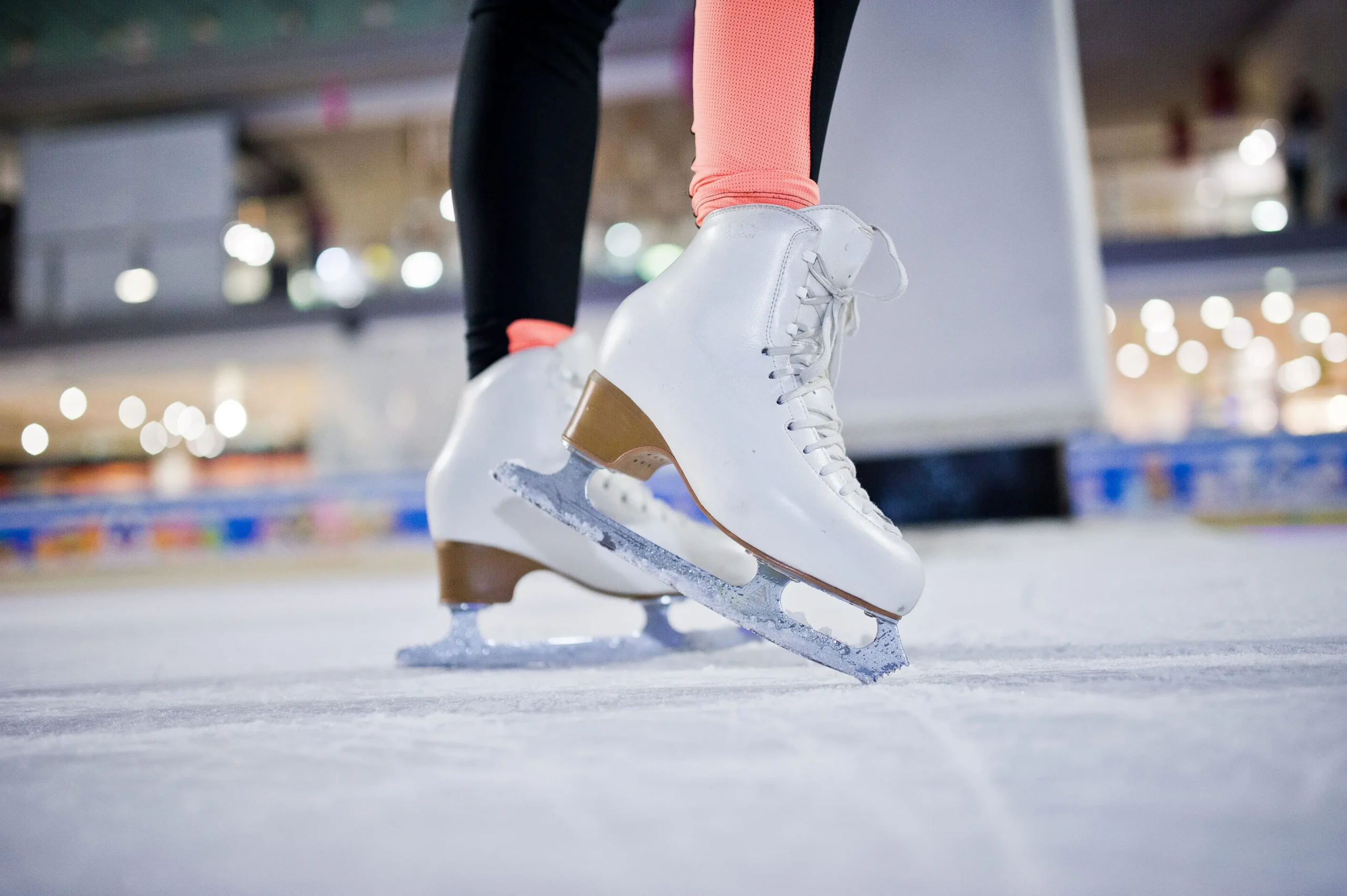
The figure skating team event is undergoing revisions for 2026. Changes include adjustments to the competition format, ensuring a more balanced and exciting event. These revisions aim to maintain figure skating’s position as a highlight of the Winter Olympics.
Biathlon: Mixed Relay Innovations
Biathlon is introducing mixed relay innovations for 2026. The new format combines speed and strategy, making the event more thrilling for spectators. The mixed relay continues to be a fan favorite, with the changes enhancing its appeal.
Alpine Skiing: Mixed Team Parallel
Alpine skiing is embracing the mixed team parallel format. This event showcases the technical skills of athletes in a team setting, adding a new layer of competition to the sport.
Snowboarding and Freestyle Skiing: New Mixed Competitions
Snowboarding and freestyle skiing are introducing new mixed competitions for 2026. These events are designed to highlight the versatility and skill of athletes in these disciplines, bringing a new level of excitement to the Winter Olympics.
The introduction of these mixed team events reflects the evolving nature of winter sports and the Olympic Games. As the world prepares for the 2026 Winter Olympics, these changes are set to bring a fresh and exciting dynamic to the competitions.
Sports Maintaining Traditional Mixed Events
As the Winter Olympics continue to evolve, some sports are maintaining their traditional mixed events, showcasing the best of mixed team dynamics. These events have become an integral part of the Olympic experience, offering a unique blend of strategy, skill, and teamwork.
Curling: Mixed Doubles Evolution
Curling’s mixed doubles event has undergone significant changes, becoming more competitive and fast-paced. The mixed doubles format requires teams to consist of one male and one female athlete, promoting equality and strategy. The event has gained popularity, with teams showcasing their skills in a dynamic and engaging competition.
Short Track Speed Skating: Mixed Team Relay
The mixed team relay in short track speed skating has become a thrilling event, combining speed and strategy. Teams of two men and two women skate together, requiring precise coordination and quick decision-making. This event has added an exciting dimension to the sport, with teams competing fiercely for medals.
Luge: Mixed Team Relay Format
Luge’s mixed team relay involves a team of four athletes – one men’s singles, one women’s singles, and one doubles team – competing together. The event demands precision and trust among team members, as they navigate the challenging luge track. The mixed team relay has become a highlight of the Winter Olympics, showcasing the best of luge athletes.
These traditional mixed events continue to captivate audiences, offering a unique Olympic experience. As the Winter Olympics evolve, these sports maintain their commitment to mixed team competitions, ensuring a thrilling and competitive atmosphere.
The IOC’s Strategic Vision Behind the Changes
With the Olympic Agenda 2020+5 as its guiding framework, the IOC is reshaping the Winter Olympics landscape. This strategic vision is driving the introduction of new mixed team events and modifications to existing ones.
Olympic Agenda 2020+5 Goals
The Olympic Agenda 2020+5 is a comprehensive strategy that aims to make the Olympics more appealing and relevant to a global audience. Key goals include increasing the participation of women in the Olympics, reducing costs, and enhancing the overall Olympic experience.
Gender Equality Initiatives
A significant aspect of the IOC’s strategy is its focus on gender equality. By introducing mixed team events, the IOC is promoting parity between male and female athletes. This move not only aligns with the IOC’s commitment to gender equality but also enhances the competitive balance of the Games.
Broadening the Appeal of Winter Sports
The introduction of new mixed team events is also designed to broaden the appeal of winter sports. By incorporating a mix of disciplines and competitors, these events are expected to attract a wider audience and increase viewer engagement. The IOC’s strategy is to make the Winter Olympics more dynamic and captivating, thereby ensuring its continued relevance in the world of sports.
Athlete Reactions to the 2026 Mixed Team Modifications
The IOC’s decision to modify mixed team events for the 2026 Winter Olympics has athletes weighing the potential benefits and challenges of the new format. As we explore the reactions from the athlete community, it becomes clear that these changes will have a significant impact on their preparation and competitive strategies.
Opportunities for Additional Medal Chances
The introduction of new mixed team events and modifications to existing ones present athletes with additional opportunities to win medals. This change is particularly exciting for athletes who may not have been as competitive in individual events but excel in team settings.
Training and Preparation Challenges
However, adapting to the new mixed team formats will require athletes to adjust their training regimens. Athletes must now prepare for events that may demand different skill sets or strategies than they are used to.
Quotes from Winter Sports Stars
Winter sports stars have been vocal about the changes. “I’m excited about the new mixed team event in figure skating,” says Nathan Chen. “It adds a fresh layer of competition and teamwork that I think will be thrilling for fans and athletes alike.”
Similarly, in biathlon, athletes like Marte Olsbu Roeiseland have expressed enthusiasm for the mixed relay, highlighting the strategic complexities it adds to the sport. As athletes continue to adapt and prepare for the 2026 Winter Olympics, their reactions underscore the evolving nature of competitive sports.
National Olympic Committees Adapting to the New Format
The introduction of new mixed team formats for the 2026 Winter Olympics is prompting National Olympic Committees (NOCs) to reassess their strategies. As the Olympic landscape continues to evolve, NOCs must adapt to remain competitive.
Resource Allocation for Mixed Team Development
NOCs are now focusing on allocating resources effectively to develop competitive mixed teams. This involves investing in training programs that bring together athletes from different disciplines and genders. Effective resource allocation is crucial for success in these new events.
Strategic Considerations for Team Selection
Selecting the right athletes for mixed teams is a complex task. NOCs must consider factors such as athlete compatibility, skill sets, and experience in mixed competitions. Strategic team selection will be key to achieving success in the new mixed team events.
Countries Poised to Benefit from the Changes
Some countries are better positioned than others to capitalize on the new mixed team formats. Nations with a strong tradition in multiple Winter Olympic sports are likely to excel. For instance, countries like the United States, Norway, and Canada have diverse talent pools that can be leveraged for mixed team success.
Media and Spectator Response to Mixed Team Events
Mixed team events have brought a new level of excitement to the Winter Olympics, captivating media coverage and spectator interest. As we examine the response from both media and spectators, it becomes clear that these events have significantly enhanced the Olympic experience.
Television Viewership Data from Previous Mixed Events
The introduction of mixed team events has led to a notable increase in television viewership. According to recent data, the mixed team events at the Beijing 2022 Winter Olympics saw a 20% increase in viewership compared to similar events at previous Olympics.
| Event | Viewership (in millions) | Change from Previous Olympics |
|---|---|---|
| Mixed Team Figure Skating | 12.5 | +15% |
| Mixed Team Biathlon Relay | 10.2 | +25% |
Social Media Engagement Metrics
Social media platforms have also seen a surge in engagement related to mixed team events. On platforms like Twitter and Instagram, hashtags related to these events have trended worldwide, with a 50% increase in engagement compared to traditional events.

Fan Reactions and Preferences
Fan reactions to mixed team events have been overwhelmingly positive, with many appreciating the new dynamics and competitive formats. Surveys indicate that 75% of fans find mixed team events more exciting than traditional single-gender competitions.
As the Winter Olympics continue to evolve, understanding the media and spectator response to mixed team events will be crucial for the IOC and NOCs in planning future competitions.
Comparing Winter and Summer Olympics Mixed Approaches
Mixed team events have revolutionized the Olympic landscape, presenting unique challenges and opportunities for athletes in both Winter and Summer Games. As we look at the different approaches adopted by the Winter and Summer Olympics, it becomes clear that while the core objective of promoting mixed events is shared, the execution and challenges vary significantly between the two.
Successful Summer Olympic Mixed Events
The Summer Olympics have seen significant success with mixed team events, particularly in sports like sailing and athletics. For instance, the introduction of mixed gender relays in athletics has not only increased viewer engagement but also provided athletes with new competitive opportunities. The mixed team format has proven to be a game-changer, attracting a broader audience and enhancing the overall Olympic experience.
Unique Challenges for Winter Sports Integration
Winter sports, on the other hand, face distinct challenges when integrating mixed team events. The nature of sports like alpine skiing and figure skating requires specific adaptations to accommodate mixed teams. The complexity of coordinating team efforts in sports that traditionally emphasize individual performance is a significant hurdle. Despite these challenges, the Winter Olympics have made notable strides in incorporating mixed events, such as the mixed team parallel in alpine skiing.
Cross-Pollination of Ideas Between Games
The exchange of ideas between the Winter and Summer Olympics can lead to innovative solutions and new formats for mixed team events. By studying the successes and challenges faced by each, the Olympic movement can continue to evolve and improve. This cross-pollination of ideas is crucial for the future development of mixed team events across both Olympic Games.
Conclusion: The Future of Olympic Competition
As we look to the 2026 Winter Olympics, it’s clear that mixed team events will play a pivotal role in shaping the future of Olympic competition. The International Olympic Committee’s (IOC) vision for a more inclusive and dynamic Olympic program is driving this change, with a focus on gender equality and broadening the appeal of winter sports.
The introduction of new mixed team events in figure skating, biathlon, alpine skiing, snowboarding, and freestyle skiing will not only enhance the spectator experience but also provide athletes with additional opportunities for medal chances. As national Olympic committees adapt to the new format, strategic considerations for team selection and resource allocation will become increasingly important.
The evolution of mixed team events represents a significant step forward in the competition evolution, paving the way for a more exciting and inclusive Olympic future. As we move forward, the success of these events will depend on the continued collaboration between athletes, national Olympic committees, and the IOC.
Learn More About the NIL Landscape
Name, Image, and Likeness plays an increasing role in college sports, and understanding how it works often requires more than individual articles or news updates.
RallyFuel is a platform focused on NIL-related topics across college athletics. It brings together information about athletes, NIL activity, and the broader structure behind modern college sports, helping readers explore the topic in more depth.
FAQ
What are the main changes to Mixed Team Events at the 2026 Winter Olympics?
The 2026 Winter Olympics will introduce new mixed events and modify existing ones, with a focus on greater inclusivity and diversity. The International Olympic Committee (IOC) has announced changes to the Olympic program, including new events in figure skating, biathlon, alpine skiing, snowboarding, and freestyle skiing.
How have Mixed Team Events evolved in the Winter Olympics?
Mixed Team Events have become an integral part of the Winter Olympics, offering a unique blend of competition and cooperation between athletes of different genders. The events have evolved from being novelties to mainstays of the Olympic program, with the IOC introducing new mixed events and modifying existing ones to promote greater inclusivity.
What sports are introducing new Mixed Team Events in 2026?
Several winter sports are introducing new Mixed Team Events in 2026, including figure skating, biathlon, alpine skiing, snowboarding, and freestyle skiing. These new events will provide additional medal chances for athletes and enhance the dynamics of the Games.
How will the changes to Mixed Team Events affect athletes?
The changes to Mixed Team Events will provide athletes with additional medal chances and new challenges. Athletes will need to adapt their training and preparation to the new formats, but the changes are expected to enhance their overall Olympic experience.
What is the IOC’s strategic vision behind the changes to Mixed Team Events?
The IOC’s strategic vision is driven by the Olympic Agenda 2020+5 goals, which include promoting gender equality and broadening the appeal of winter sports. The changes to Mixed Team Events are designed to make the Olympics more inclusive and attractive to a wider audience.
How will National Olympic Committees (NOCs) adapt to the new Mixed Team Events format?
NOCs will need to allocate resources for mixed team development, consider strategic team selection, and adapt to the new formats. The ability of NOCs to adapt will be crucial in determining success in the 2026 Winter Olympics.
What can be expected from the media and spectator response to the new Mixed Team Events?
The response from media and spectators is expected to be overwhelmingly positive, with increased television viewership and social media engagement. The new Mixed Team Events will provide enhanced dynamics and teamwork, making the Olympics more appealing to a wider audience.
How do the Winter Olympics Mixed Team Events compare to those in the Summer Olympics?
While both the Winter and Summer Olympics promote mixed events, the approaches and challenges differ. The Winter Olympics will introduce new mixed events and modify existing ones, drawing on the success of mixed events in the Summer Olympics and addressing the unique challenges of winter sports integration.



Leave a Comment