
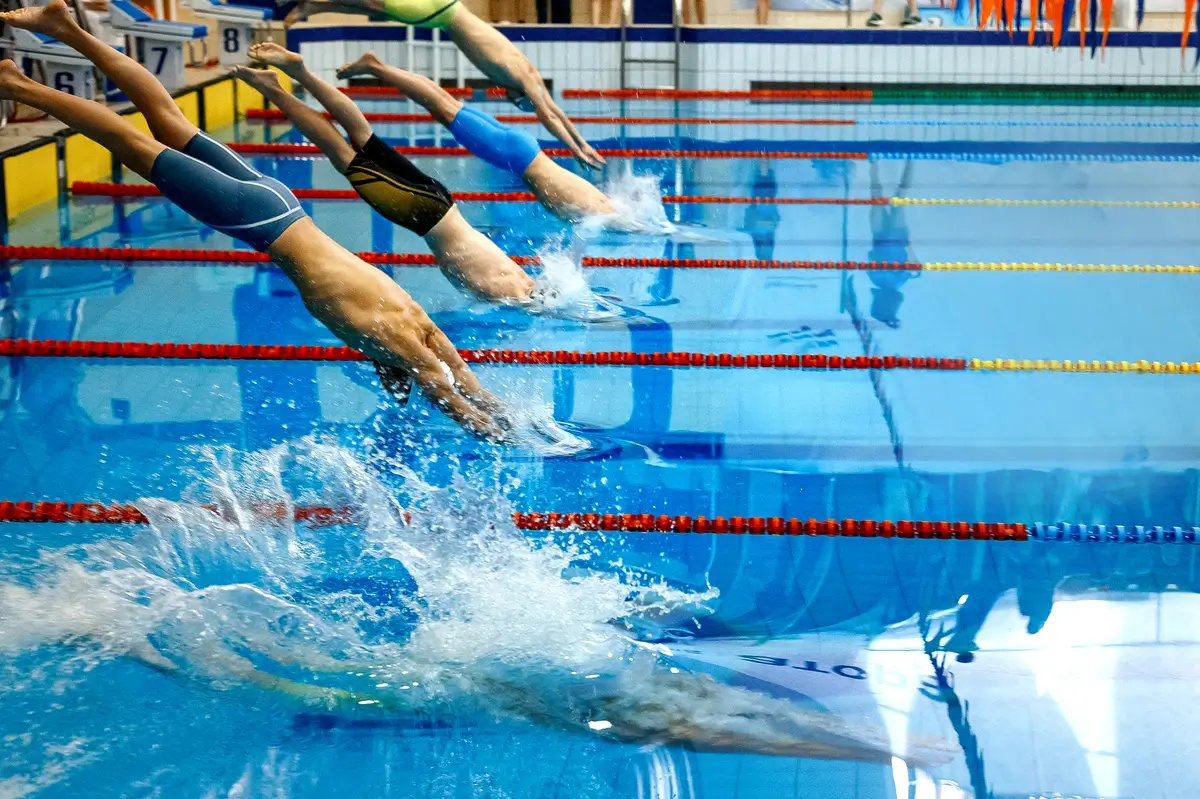
The Olympic Games have long been a celebration of athletic excellence, and we’re witnessing a significant shift with the introduction and growth of mixed-gender competitions. As we explore this evolution, it’s clear that Olympic mixed events are set to make the Olympics even more inclusive and dynamic.
The inclusion of mixed events marks a new era for the Olympics, promoting equality and teamwork among athletes. This change is not just about competition; it’s about creating a more engaging experience for fans and athletes alike.
As we delve into the progression of mixed-gender competitions and their impact on the future of Olympics, we’ll examine the benefits and challenges associated with this change.
The Evolution of Mixed-Gender Competition in Olympic History
The evolution of mixed-gender events in the Olympics is a story of progressive change and growing inclusivity. As we explore this journey, it becomes evident that the International Olympic Committee (IOC) has played a pivotal role in shaping the landscape of Olympic competitions.
From Exclusion to Inclusion: Early Olympic Gender Barriers
The early years of the Olympic Games were marked by significant gender disparities. Women were initially excluded from participating in the Olympics, with the first modern Olympic Games in 1896 featuring only male athletes. It wasn’t until the 1900 Paris Olympics that women were allowed to participate, albeit in limited numbers and in specific events.
The journey towards gender equality was gradual. The introduction of women’s events in the Olympics was a crucial step towards achieving greater inclusivity. However, it took several decades for women’s sports to gain recognition and parity with men’s events.
Breaking New Ground: The First Mixed Olympic Events
The introduction of mixed-gender events marked a significant milestone in Olympic history. The first mixed Olympic events were introduced in the early 20th century, paving the way for future generations of athletes. These events not only provided new competition opportunities but also symbolized a shift towards greater gender equality in sports.
Accelerating Change: The Surge of Mixed Events Since 2012
The year 2012 marked a turning point in the history of mixed-gender competitions at the Olympics. The IOC made a concerted effort to increase the number of mixed events, leading to a significant surge in their inclusion in subsequent Olympic Games.
| Year | Number of Mixed Events | Notable Mixed Events |
|---|---|---|
| 2012 | 4 | Badminton Mixed Doubles, Tennis Mixed Doubles |
| 2016 | 6 | Added Mixed Team Events in Judo and Badminton |
| 2020 | 9 | Included Mixed Relays in Athletics and Swimming |
The surge in mixed events since 2012 reflects the IOC’s commitment to advancing gender equality and providing more competitive opportunities for athletes worldwide.
This expansion will continue at the Milan-Cortina 2026 Winter Olympics, where mixed team events will play an even larger role in the program.
Learn more about upcoming Olympic mixed competitions here: Mixed Team Events at the 2026 Winter Olympics
Why Mixed Events Are the Future of the Olympic Games
Mixed events are revolutionizing the Olympic landscape by promoting gender equality, increasing medal opportunities, and enhancing competition dynamics. As we continue to evolve the Olympic Games, it’s essential to understand the impact of mixed events on the global sporting stage.
Advancing Gender Equality on the World’s Biggest Stage
The inclusion of mixed events in the Olympics is a significant step towards achieving gender equality in sports. By having male and female athletes compete together, mixed events challenge traditional gender norms and promote a more inclusive environment. This shift not only benefits athletes but also sends a powerful message to fans worldwide about the importance of equality in sports.
Key benefits of mixed events for gender equality include:
- Promoting equal opportunities for male and female athletes
- Breaking down gender barriers in traditional sports
- Encouraging a more balanced representation of athletes across events
Creating More Medal Opportunities for Athletes Worldwide
One of the significant advantages of mixed events is the increase in medal opportunities for athletes. By combining male and female athletes in the same event, the Olympics can offer more competitions, thereby benefiting a broader range of athletes. This increase in medal opportunities is particularly beneficial for countries with smaller Olympic teams, providing them with more chances to win medals.
The impact of increased medal opportunities is multifaceted:
- More athletes can participate in the Olympics
- Countries with smaller teams have a better chance of winning medals
- The overall competitiveness of the Games is enhanced
Delivering Dynamic Competition That Captivates Global Audiences
Mixed events bring a new level of excitement and unpredictability to the Olympics. The combination of male and female athletes competing together creates unique competitive dynamics, making the events more engaging for spectators. This dynamic competition not only captivates global audiences but also raises the profile of the Olympics, attracting new fans and increasing viewership.
The future of the Olympics is undoubtedly tied to the success of mixed events. As we move forward, we can expect to see more innovative and competitive mixed events that continue to captivate audiences worldwide.
Successful Mixed Events Already Transforming Olympic Competition
Mixed events are redefining the Olympic landscape, bringing a fresh dynamic to various sports. The introduction of mixed-gender competitions has not only enhanced the competitive spirit but also added a new layer of excitement to the Games.
Relay Events Redefining Team Strategy and Excitement
Relay events have been a significant area where mixed competitions have made a substantial impact. The combination of male and female athletes in relay teams has led to innovative strategies and thrilling performances.
Athletics Mixed 4x400m Relay: Speed Meets Strategy
The Athletics Mixed 4x400m Relay is a prime example of how mixed events have brought about a new level of competition. This event requires teams to balance speed with tactical prowess, making it a captivating watch for spectators.
The mixed relay format demands that teams strategize not just on the individual athlete’s speed but also on how well the team can work together, passing the baton efficiently and maintaining their position in the race.
Swimming Mixed Medley Relay: Pool Innovation
Similarly, the Swimming Mixed Medley Relay has introduced a new dimension to swimming competitions. By combining the different strokes and genders, this event has become a thrilling display of skill and endurance.
The mixed medley relay requires a deep understanding of each swimmer’s strengths and weaknesses, making the team dynamics crucial to success. It’s a true test of both individual skill and team coordination.
Team Sports Embracing Mixed Competition Formats
Beyond relay events, team sports have also begun to adopt mixed competition formats, further enriching the Olympic program.
Judo and Table Tennis Mixed Team Events
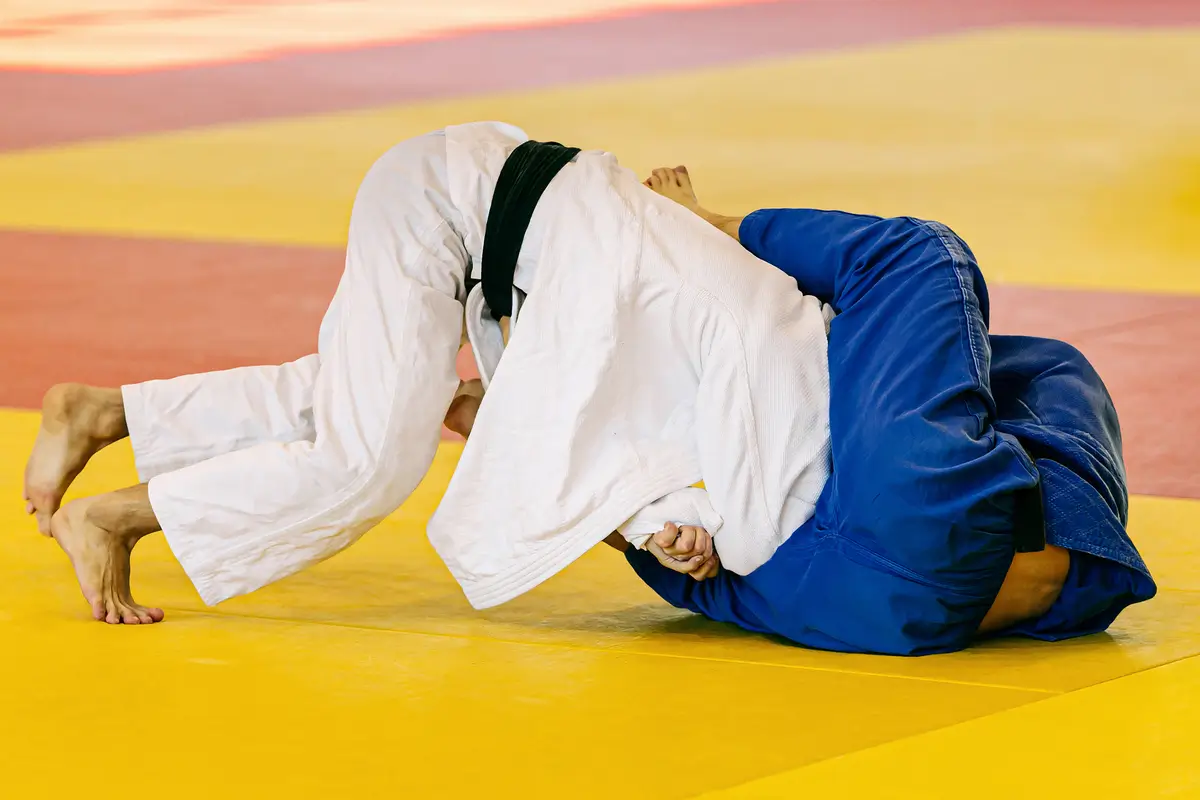
Sports like judo and table tennis have introduced mixed team events, where athletes compete together in a team format. This has not only increased the competitive level but also added an element of unpredictability to the matches.
- Judo mixed teams require a blend of technical skill and tactical acumen.
- Table tennis mixed doubles demand quick reflexes and strategic play.
Triathlon Mixed Relay: Endurance Reimagined
The Triathlon Mixed Relay is another event that has gained popularity, showcasing the endurance and versatility of athletes across different disciplines.
This event tests the athletes’ ability to perform under varying conditions, from swimming and cycling to running, all while maintaining a competitive pace as a team.
Racquet Sports and Shooting Adding Mixed Doubles Competitions
Racquet sports and shooting have also embraced the mixed doubles format, providing more opportunities for athletes to compete together.
The mixed doubles competitions in these sports have added a new layer of complexity and excitement, as partners need to coordinate their strategies and play to each other’s strengths.
Challenges and Opportunities for Future Mixed Event Development
As the Olympic Games continue to evolve, the integration of mixed events presents both challenges and opportunities that need to be addressed. The International Olympic Committee (IOC) is at the forefront of this evolution, striving to balance tradition with innovation.
Ensuring Fair Competition Standards Across Mixed Formats
One of the primary challenges in developing mixed events is ensuring fair competition standards. The IOC must establish and maintain rules that are fair for all participants, regardless of gender or discipline. This involves careful consideration of factors such as team composition, scoring systems, and equipment standards.
“Fairness is paramount in any competitive format,” said an IOC representative.
“We are committed to creating an environment where all athletes can compete on a level playing field.”
Converting Traditional Single-Gender Sports to Mixed Events
Converting traditional single-gender sports into mixed events is another significant challenge. This requires not only changes to the rules and formats of these sports but also a cultural shift within the sporting communities. The IOC is working closely with international sports federations to identify opportunities for mixed events and to develop strategies for their implementation.
- Identifying sports with potential for mixed events
- Developing new competition formats
- Engaging with athletes and sports organizations
The IOC’s Roadmap for Expanding Mixed Events Through 2032
The IOC has outlined a roadmap for expanding mixed events through 2032, focusing on inclusivity, competitiveness, and fan engagement. This roadmap includes:
- Reviewing existing mixed events to identify areas for improvement
- Introducing new mixed events in sports with a strong global following
- Enhancing the competitive format to attract broader audiences
By addressing these challenges and capitalizing on the opportunities, the IOC aims to make the Olympic Games more inclusive and exciting for athletes and spectators alike.
Conclusion
The Olympic Games are evolving, and mixed events are at the forefront of this transformation. As we’ve seen, the inclusion of mixed events represents a significant step towards greater inclusivity, gender equality, and dynamic competition. The International Olympic Committee’s (IOC) commitment to expanding mixed events through 2032 is a promising indication of the continued growth and innovation in the Olympic Games.
You can expect to see more exciting competitions that bring together athletes from diverse backgrounds. Mixed events are redefining team strategy and excitement, creating more medal opportunities for athletes worldwide. The IOC’s roadmap for expanding mixed events will likely lead to new and innovative competition formats that captivate global audiences.
As the Olympic Games continue to evolve, we look forward to seeing how mixed events will shape the future of the Olympics. With a focus on fairness, inclusivity, and competitive integrity, the Olympic Games will remain a premier international sporting event. The future of the Olympics is bright, and mixed events will play a key role in this future.
Learn More About the NIL Landscape
Name, Image, and Likeness plays an increasing role in college sports, and understanding how it works often requires more than individual articles or news updates.
RallyFuel is a platform focused on NIL-related topics across college athletics. It brings together information about athletes, NIL activity, and the broader structure behind modern college sports, helping readers explore the topic in more depth.
FAQ
What are mixed events in the Olympic Games?
Mixed events in the Olympic Games refer to competitions where male and female athletes compete together, either in teams or as pairs, in various sports disciplines.
Why are mixed events being introduced in the Olympics?
Mixed events are being introduced to promote gender equality, increase medal opportunities for athletes, and deliver more dynamic competitions that captivate global audiences.
What are some examples of successful mixed events in the Olympics?
Examples include the Athletics Mixed 4x400m Relay, Swimming Mixed Medley Relay, judo and table tennis mixed team events, and triathlon mixed relay.
How do mixed events impact traditional single-gender sports?
Mixed events are transforming traditional single-gender sports by introducing new competition formats that require athletes to work together, promoting teamwork and strategy.
What challenges are associated with introducing mixed events?
Challenges include ensuring fair competition standards across different mixed formats and converting traditional single-gender sports into mixed events.
What is the IOC’s plan for expanding mixed events through 2032?
The IOC has a roadmap to continue expanding mixed events, with a focus on increasing the number of mixed competitions and promoting greater inclusivity and gender equality in the Olympic Games.
How do mixed events benefit athletes and fans?
Mixed events benefit athletes by providing more medal opportunities and benefiting fans by delivering more dynamic and inclusive competitions.
Are mixed events limited to specific sports?
No, mixed events are being introduced across various sports, including athletics, swimming, judo, table tennis, triathlon, racquet sports, and shooting.


Leave a Comment