
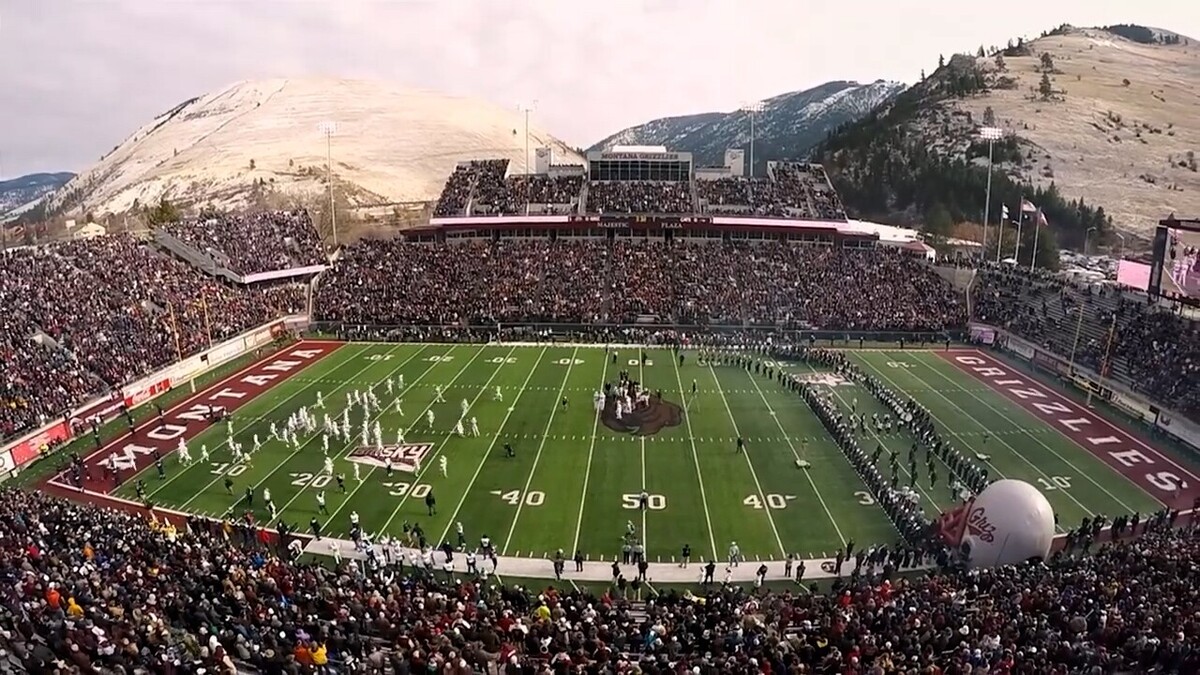
Montana offers a unique FCS (Football Championship Subdivision) case study in NIL. Senate Bill 248 (signed 2021, effective June 2023) features the “Institutional Agent” exception—universities CAN serve as agents for athletes, a deviation from standard models. Both UM and MSU opted into House settlement despite “Rural Tax” frustrations (~$220K/year penalty). Collectives moved in-house: “Good Ol’ Grizzlies” under UM Foundation, “Bobcat Collective” via Blueprint Sports partnership. HIGH SCHOOL NIL PROHIBITED—Montana is a “regulatory island” surrounded by permissive states. 2025 reform pending. Here’s the complete guide.
Montana’s NIL Evolution
Montana’s approach featured strategic prudence: pass legislation early, delay implementation to observe national chaos, then integrate collectives in-house under university control.
Senate Bill 248 (April 30, 2021, Effective June 1, 2023):
- Signed by Governor Greg Gianforte
- Two-year delay = “Strategic Pause” to observe national market chaos
- Prohibits institutions from restricting NIL compensation
- Scholarships cannot be conditioned on refraining from NIL
- Right to hire athlete agents explicitly codified
“Institutional Agent” Exception — UNIQUE to Montana:
- Colleges/universities CAN serve as agents for student-athletes
- Universities can manage contracts using athlete’s likeness
- Profound deviation from standard national model
- Tailored to rural context: No major agencies (CAA, Wasserman) have presence
- Legalized “in-house” model years before NCAA softened stance
Conflict Provisions — “Time and Place” Exception:
- Cannot conflict with team rules or institutional sponsorship
- “On the clock” (practice, games): Subject to university contracts
- “Off the clock”: Independent contractors—can endorse competitor brands
- Vice prohibitions: Tobacco, alcohol, banned substances, adult entertainment
House v. NCAA Settlement — “Rural Tax”:
- ~$4.4 million liability for both MT universities (10 years)
- ~$200K-$240K annual reduction per institution
- AD Kent Haslam (UM): Called it “frustrating” and “unfair”
- Governor Gianforte: Framed as wealth transfer from rural states
- Paying for antitrust violations by Power 4 conferences
UM vs. MSU Opt-In Strategies:
- UM: Initially opted OUT (June 2025), reversed to opt IN (July 2, 2025)
- MSU: Early adopter—AD Leon Costello framed as opportunity
- Both now opted in for roster flexibility and competitive parity
High School NIL — PROHIBITED:
- Montana High School Association (MHSA) explicitly prohibits NIL
- Montana = “Regulatory Island” surrounded by permissive states
- Neighbors (North Dakota, Idaho, South Dakota) all permit
- “Brain Drain” risk—talent may transfer to border states
- 2025 Reform Proposals pending at MHSA Annual Meeting
Why Montana Matters:
Montana’s “Institutional Agent” exception is UNIQUE—universities can legally act as athlete agents. The “Strategic Pause” (2021 passage, 2023 implementation) allowed institutions to build compliance infrastructure before engaging. FCS programs face “Rural Tax”—paying for Power 4 antitrust violations. Collectives now in-house: Good Ol’ Grizzlies under UM Foundation, Bobcat Collective via Blueprint Sports. “Micro-influencer” economy: high volume, low value local deals (no pro teams = athletes are local celebrities). High school prohibition pending 2025 reform.
Montana College NIL Rules
Montana college athletes benefit from SB 248’s unique “Institutional Agent” exception, allowing universities to serve as agents—a deviation from the national model tailored to rural realities.
What Montana Law Guarantees:
- Universities CAN serve as agents for student-athletes
- Universities can manage contracts using athlete’s likeness
- Scholarships cannot be conditioned on refraining from NIL
- Right to hire athlete agents explicitly protected
- “Off the clock”: Can endorse competitor brands
Good Ol’ Grizzlies (UM Collective):
- Brought “under the athletic department umbrella” (November 2025)
- Marcus Welnel appointed: Assistant AD and Chief Revenue Officer
- NIL management = core administrative function (not peripheral)
- Foundation Loophole: Donations via UM Foundation (501(c)(3))
- Pathway to tax-deductible donations
- Marketed as “insurance policy” on fandom
Bobcat Collective (MSU):
- Launched August 2022 (one of first FCS collectives)
- Partnership model with Blueprint Sports (national agency)
- Uses INFLCR Local Exchange (“Bobcat Exchange”)
- Goal: Share funds with EVERY football player (egalitarian)
- “Team-first” culture vs. “star player only” FBS model
“Micro-Influencer” Economy:
- High volume, low value transactions (hundreds to low thousands)
- Youth camps, autographs, tractor dealerships, local coffee shops
- No pro teams = Griz and Bobcat athletes are local celebrities
- “Brawl of the Wild” rivalry: $3.5-5M economic impact
- Valuation spikes for performers in rivalry game
Transparency Paradox — Foundation Loophole:
- Foundations are private 501(c)(3) = not subject to FOIA
- NIL payroll moved “off the public books”
- SB 248 requires disclosure to university official
- FERPA and privacy exemptions cited to deny requests
- 2025 proposals require all NIL agreements in writing
Montana High School NIL Rules
Montana is a “Regulatory Island”—high school NIL is PROHIBITED while all neighboring states (North Dakota, Idaho, South Dakota) permit it. Reform pending in 2025.
Key Facts:
- Governing Body: Montana High School Association (MHSA)
- Status: PROHIBITED (as of 2024-2025)
- Montana in “shrinking minority” of prohibiting states
- Reform pending: MHSA Annual Meeting January 2025
“Brain Drain” Risk:
Elite athletes in border towns (Sidney, Glendive) could theoretically transfer to North Dakota schools to legally accept sponsorships. Montana universities can discuss NIL with out-of-state recruits but NOT with in-state Montana recruits (would jeopardize their HS eligibility). Ironic: More transparent with out-of-state than local talent.
2025 Reform Proposals:
No Affiliation: Athletes prohibited from using school logos, uniforms, mascots, or facilities. No Pay-for-Play: Compensation cannot be contingent on athletic performance or enrollment. Booster Restrictions: Cannot use NIL as recruiting inducement to specific high schools. Legislative Dependency: MHSA requires 2025 legislative session approval before acting (Bill 23). Deferential stance—following state law rather than leading it.
College vs. High School: Key Differences
| Feature | College (SB 248) | High School (MHSA) |
|---|---|---|
| NIL Status | Fully Legal (June 2023) | PROHIBITED |
| University as Agent | YES (unique exception) | N/A |
| Revenue Sharing | Opted In ($22M cap) | N/A |
| In-House Collectives | YES (Foundation model) | N/A |
| School Logos/Uniforms | On the clock" only | N/A (prohibited) |
| Rural Tax | ~$220K/year penalty | N/A |
| Reform Status | Implemented | Pending (2025) |
| Regional Status | Competitive | Regulatory Island |
The Key Distinction: Montana’s “Institutional Agent” exception is UNIQUE—universities can legally serve as agents for athletes. FCS programs face “Rural Tax” (~$220K/year) for Power 4 antitrust violations. Collectives moved in-house: Good Ol’ Grizzlies via UM Foundation, Bobcat Collective via Blueprint Sports. HIGH SCHOOL NIL PROHIBITED—Montana is surrounded by permissive states creating “Brain Drain” risk. 2025 reform pending.
What Montana Athletes Can Do
College Athletes:
Receive direct revenue sharing from institution ($22M cap); Work with university AS THEIR AGENT (unique to Montana); Utilize Good Ol’ Grizzlies (UM) or Bobcat Collective (MSU); Sign endorsement deals with brands; Monetize social media accounts; Earn from camps, clinics, and local appearances; Sell autographs and merchandise; Hire external agents for NIL contracts; Use competitor brands when “off the clock”; Receive fan support through platforms like RallyFuel.
High School Athletes:
NOTHING. High school NIL is PROHIBITED in Montana. Athletes in border towns may consider transferring to North Dakota, Idaho, or South Dakota to access NIL opportunities. Reform pending in 2025.
What Montana Athletes Cannot Do
College Athletes:
Cannot conflict with team rules or institutional sponsorship contracts; Cannot use competitor brands when “on the clock” (practice, games, media); Cannot endorse: Tobacco, alcohol, banned substances, adult entertainment; International students (F-1 visa): Cannot engage in active NIL on U.S. soil.
High School Athletes:
CANNOT engage in ANY NIL activity; CANNOT monetize name, image, or likeness; CANNOT accept endorsement deals; Violation = loss of eligibility.
Both:
Must pay taxes on NIL income (Montana state tax + federal + self-employment); Must maintain academic eligibility.
Compliance Requirements
For College Athletes:
Work with Good Ol’ Grizzlies (UM) or Bobcat Collective (MSU); University can serve as agent (unique Montana provision); Disclose all NIL contracts to university official (SB 248 requirement); Avoid conflicts with team rules or institutional sponsorships; “On the clock” = subject to university contracts; “Off the clock” = independent contractor; Avoid prohibited categories (tobacco, alcohol, substances, adult); Use INFLCR/Bobcat Exchange for compliance tracking.
For High School Athletes:
DO NOT engage in any NIL activity; Wait for 2025 reform (MHSA Annual Meeting January 2025); If reform passes: Expect restrictions similar to other states (no school logos, no pay-for-play, no recruitment inducements).
For Parents:
For college: Review all contracts; University can act as agent (unique to MT); Good Ol’ Grizzlies/Bobcat Collective now under university control; Foundation model may offer tax-deductible donation pathway; “Micro-influencer” economy = local deals, community integration. For high school: NIL is PROHIBITED—do not engage; Watch for 2025 reform; “Brain Drain” risk = potential transfer to border states for NIL access.
How Fans Support Montana Athletes
Montana has passionate Griz and Bobcat fans—and now they can directly support athletes through NIL.
College Athletes:
Platforms like RallyFuel enable Montana fans to support athletes at:
- University of Montana – Big Sky Conference (FCS)
- Montana State University – Big Sky Conference (FCS)
- All sports—Football, Basketball, and more
In-House Collectives:
Good Ol’ Grizzlies (UM): Now under athletic department umbrella. Donations via UM Foundation (501(c)(3)) may be tax-deductible. Positioned as “insurance policy” on fandom. Bobcat Collective (MSU): Partnership with Blueprint Sports. Uses INFLCR/Bobcat Exchange. Goal: Share funds with EVERY football player.
The “Brawl of the Wild” Economy:
Annual UM vs. MSU rivalry generates $3.5-5M economic impact for host city. Athletes who perform well see immediate valuation spikes. Collectives weaponize rivalry for fundraising—”tribal” motivation. Donation framed as contribution to beating the rival.
How It Works:
1. Create an account on RallyFuel.com or the mobile app
2. Select your Montana school affiliation
3. Browse verified athletes currently on your program’s roster
4. Fuel athletes you want to support
5. Track your support through your fan dashboard
How It Works: When you purchase Fan Fuel, you’re purchasing Conditional NIL Engagement Rights (CNERs). If conditions are met, RallyFuel or its affiliate offers an NIL Agreement to the athlete. If conditions aren’t met—for example, if an athlete transfers—you receive an automatic refund.
Conditional Protection: RallyFuel’s conditional model protects Fan Fuel with automatic refunds if athletes transfer or conditions aren’t met. Montana fans can support players without financial risk.
Important: Fan support through RallyFuel is voluntary and conditional. Fuel purchases are not charitable donations. RallyFuel is not a guarantor that any athlete will accept an NIL Agreement. Purchasing Fan Fuel does not guarantee athletic performance, playing time, or any specific outcome.
High School Athletes:
Montana high school athletes CANNOT engage in NIL activities. The MHSA explicitly prohibits monetization. Reform pending at the January 2025 MHSA Annual Meeting.
Learn More About the NIL Landscape for Schools
Name, Image, and Likeness plays an increasing role in college sports, and understanding how it works often requires more than individual articles or news updates.
RallyFuel is a platform focused on NIL-related topics across college athletics. It brings together information about athletes, NIL activity, school responsibilities, and the broader structure behind modern college sports — helping readers explore the topic in more depth.
👉 Discover NIL Tools for Schools – Learn how your program can stay ahead of the NIL curve.
Frequently Asked Questions
Can Montana high school athletes do NIL?
NO. As of 2024-2025, Montana High School Association (MHSA) explicitly prohibits high school NIL. Montana is a “Regulatory Island”—surrounded by permissive states (North Dakota, Idaho, South Dakota). This creates “Brain Drain” risk. Reform proposals pending at MHSA Annual Meeting January 2025, requiring 2025 legislative session approval (Bill 23).
What is Montana’s “Institutional Agent” exception?
UNIQUE to Montana: SB 248 allows colleges and universities to serve as agents for student-athletes and manage contracts using the athlete’s likeness. This is a profound deviation from the standard national model. Tailored to rural context—no major agencies (CAA, Wasserman) have presence in Montana. Athletic departments are often the only sports management expertise available. This legalized the “in-house” model years before NCAA softened its stance.
What is the “Rural Tax”?
The House v. NCAA settlement imposed ~$4.4 million liability on both Montana universities (10 years) = ~$200K-$240K annual reduction per institution. FCS programs like UM and MSU are paying for antitrust violations driven by Power 4 conferences. AD Kent Haslam (UM) called it “frustrating” and “unfair”—paying damages for student-athletes who never competed at UM. Governor Gianforte framed it as wealth transfer from rural states to NCAA legal liabilities.
How do Montana collectives work now?
Good Ol’ Grizzlies (UM): Brought under athletic department umbrella November 2025. Marcus Welnel appointed Assistant AD and Chief Revenue Officer. Donations via UM Foundation (501(c)(3))—pathway to tax-deductibility. Bobcat Collective (MSU): Launched August 2022 (one of first FCS collectives). Partnership with Blueprint Sports (national agency). Uses INFLCR/Bobcat Exchange. Goal: Share funds with EVERY football player.
What is the “Brawl of the Wild” economic impact?
The annual UM vs. MSU rivalry generates $3.5-5 million economic impact for the host city. In the NIL era, this has become a “capitalization window”—athletes who perform well see immediate valuation spikes. Collectives weaponize the rivalry for fundraising using “tribal” motivation. Donations framed as direct contribution to beating the rival.
What happens if an athlete I supported transfers?
If an athlete transfers or selects a different school during the conditional period, you receive an automatic refund to your original payment method. No manual request is required.
Montana: The FCS Case Study
Montana offers a unique FCS perspective on NIL. SB 248’s “Institutional Agent” exception allows universities to serve as athlete agents—a deviation from national models tailored to rural realities. The “Strategic Pause” (2021 passage, 2023 implementation) allowed institutions to build compliance before engaging. FCS programs face the “Rural Tax” (~$220K/year) for Power 4 antitrust violations. Collectives now in-house: Good Ol’ Grizzlies under UM Foundation, Bobcat Collective via Blueprint Sports. “Micro-influencer” economy = high volume, low value local deals. HIGH SCHOOL NIL PROHIBITED—Montana is a “Regulatory Island” with reform pending in 2025.
For college athletes ready to maximize their NIL potential, RallyFuel provides fan-powered support with conditional protection. Explore verified Montana athletes and start fueling today.


Leave a Comment