
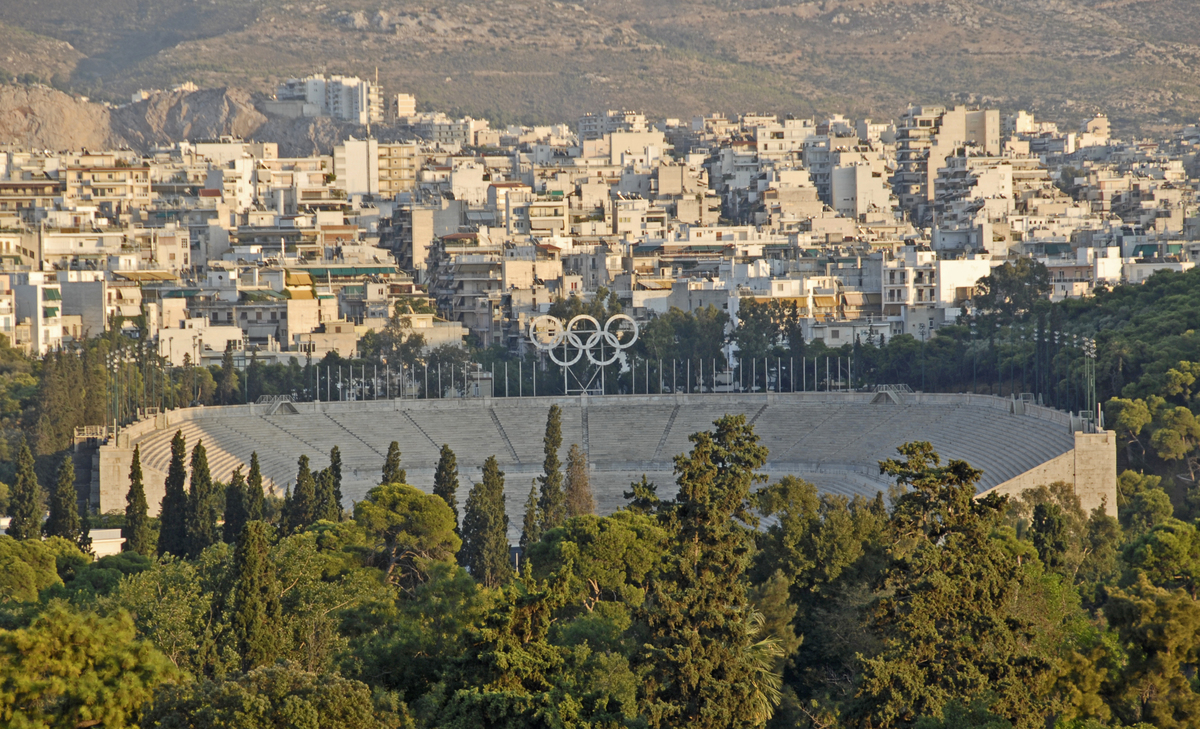
We open with a simple fact: the scale of the olympic games shapes athlete budgets. High venue bills, security, and logistics drive headline numbers that ripple down to your training plans.
The trend of few willing host cities has consequences for athletes. When events land farther away, you face longer travel, tighter timelines, and harder choices about where to invest time and money.
Research shows historic budget overruns —often more than 100%—and that process affects how countries and cities bid and build. We translate that evidence so you can see the link between global events and personal training decisions.
In short: this introduction frames the challenge. We map the impact of international olympic reforms, shifting calendars, and sector investments so you can plan with facts, not hype.
The shifting economics of the Olympic Games in the United States context
In the United States, hosting games now demands far larger public budgets than in prior decades.
Los Angeles in 1984 is an outlier: it turned a profit by using existing facilities and keeping public spending low. By contrast, modern bids show higher security and contingency lines that lift overall costs and pressure municipal budgets.
IOC funding covers only a slice of totals — Tokyo 2020/21 saw roughly $1.3 billion in TV and sponsorship money against near $30 billion in total cost. That gap forces hosts to find efficiencies and rethink venue access for athletes.
Security spending for Summer Games rose about sixfold since the 1990s and commonly exceeds $1.5 billion. Governments and cities now favor temporary or modular solutions to limit long-term sunk investment and to preserve community facility calendars.
| Metric | LA 1984 | Tokyo 2020/21 | Typical Modern Host |
|---|---|---|---|
| Public budget exposure | Low | High | High |
| IOC cash share (approx.) | Modest | $1.3B | Modest |
| Security spend | Low | >$1.5B | >$1.5B |
| Venue reuse strategy | Strong | Mixed | Growing |
- Training note: expect tighter access windows and insurance requirements when hosting games shifts toward temporary builds.
- Planning tip: follow bidding and process timelines closely to secure test-event slots and housing early.
Landscape Navigating Real Costs Olympics: what’s driving the trend lines
Large line items for venues and infrastructure increasingly determine whether athletes get reliable practice windows. Venues, specialized facilities, and city upgrades carry high upfront bills and uncertain post-games value.
Runaway cost drivers:
Runaway cost drivers: venues, infrastructure, and specialized facilities
Permanent arenas and sport-specific facilities rarely pay for themselves outside the games. Cities add transport and utility tie-ins that raise the total price. That inflates the schedule and tightens test-event timelines that athletes need.
Budget overruns and the Oxford findings
Research from Oxford shows an average 156% overrun across Games (1960–2016). Tokyo’s $7.3B bid rose to nearly $30B in audited totals, with the international olympic committee contributing about $1.3B.
Bidding dynamics and the IOC’s pivot
Bidding contests encouraged lavish promises, compressing commissioning and restricting facility access. The olympic committee shifted toward less public bid processes to cut timeline volatility and process risk.
- Implication: overruns affect shuttle plans, medical posts, and pool or track availability.
- Action: assume conservative venue access in your seasonal plan when a host tightens its budget.
| Driver | Typical impact | Effect on athletes |
|---|---|---|
| Permanent venues | High capital, long commissioning | Reduced early access, limited test events |
| Infrastructure tie-ins | Large contingency lines | Compressed timelines, lost training slots |
| Temporary overlays | Faster deployment, added complexity | Calendar clashes, short notice changes |
Host cities, bids, and the true economic impact behind the spectacle
When a city wins a bid, short-term visitor spikes can hide declines in routine travel and business visits. That substitution effect often reduces net tourists during the event window.
Tourism substitution means regular visitors and conference attendees postpone trips. Studies show net tourism fell in recent examples: London 2012 (-5%) and Beijing 2008 (over -20%).
What research shows: most analyses find modest gains at best, while public costs frequently exceed projected benefits. Rio 2016 spent at least $13 billion and generated at most $9 billion in help revenue.
- Short spikes in spending rarely produce lasting local growth.
- Displacement effects often go uncounted in headline claims.
- Athletes face crowded airports, higher hotel rates, and limited practice slots.
| Factor | Typical effect | Example | Implication for athletes |
|---|---|---|---|
| Visitor substitution | Lower net tourists | London 2012: -5% | Plan quieter training blocks |
| High public costs | Budget strain | Rio 2016: $13B spend | Expect variable host services |
| Short-term spikes | Temporary revenue | Beijing 2008: -20%+ | Secure early test-event slots |
The three tiers of Olympic infrastructure investments
Host cities divide investment into tiers that determine athlete access and city disruption.
Primary tier covers sports venues and the specialized facilities that demand the biggest capital outlays. Summer hosts often need about 40 venues. That scale creates millions in sunk costs and clear white-elephant risks if reuse is limited.
Primary: sports venues, white-elephant risks, and sunk costs
Sports-specific systems—timing gear, track resurfacing, aquatic timing—drive primary costs and long lead times.
Secondary: athlete villages, media centers, and conversions
The Olympic Village houses roughly 16,000 athletes and staff and media hubs require massive floor area. Thoughtful conversions can deliver long-term benefits and reduce lifecycle debt.
Tertiary: transportation, utilities, security perimeters, and city services
Tertiary systems—priority lanes, utilities, and service perimeters—can constrict daily movement and affect training logistics. Early planning and modular overlays help preserve performance-grade surfaces while cutting capital intensity.
“Reuse-first planning reduces long-term maintenance and improves benefits for host countries and cities alike.”
- Why it matters: venue commissioning links helply to athlete readiness and contingency planning.
- Practical note: a host’s investment choices shape your booking, travel, and buffer days around venue lock-ins.
Security, sustainability, and governance: costs that shape the Games
Security measures now shape day-to-day access at games sites and add persistent budget lines. Over the past decades, security spending for Summer games rose roughly sixfold and typically exceeds $1.5 billion. That surge creates long-tail insurance, staffing, and surveillance obligations that affect your training windows.
Security spending surges and long-tail budget implications
We see emergency drills, accreditation systems, and perimeter design placed ahead of venue access. These systems mean extra queuing, controlled transport corridors, and tighter arrival checks for athletes and equipment.
IOC reforms from Agenda 2020 to the New Norm: process and trade-offs
The international olympic committee pushed Agenda 2020 and the New Norm to encourage reuse and cut lifecycle costs. That governance shift shortens some process steps but can constrain late-stage venue changes.
“Reuse-first planning reduces long-term maintenance and improves benefits for host countries and cities alike.”
- Sustainability choices change materials and energy footprints without degrading athlete experience.
- Hosts must balance resilient infrastructure—backup power and redundant timing gear—with tighter urban perimeters.
- Practical note: account for accreditation lead times and perimeter queuing in your training itinerary.
Historical hosts and pivotal turning points in the Olympic world
Historic host decisions reveal how civic priorities shape what athletes actually get during game years.
We revisit Los Angeles as a practical example of disciplined planning. In 1932, LA reused venues to stage successful games during the Great Depression.
Again in 1984, the city relied on existing facilities and limited public funding, producing a surplus and predictable venue access for athletes.
Contrast that with Berlin in 1936: the host country elevated spectacle over function. Spending ballooned as political aims drove construction and presentation.
That turning point shows how bidding and national image can push costs up and shorten commissioning windows for sports facilities.
- Lesson: reuse reduces commissioning risk and preserves athlete training time.
- Trade-off: permanent extravagance can burden a city and limit benefits for future athletes.
“When planning favours functionality, athlete benefits tend to be highest.”
Contemporary case studies: when expectations meet the balance sheet
High-profile case studies expose how ambition and audit totals collide, and they show the practical impact on athlete preparation.
Tokyo 2020/21
From a $7.3B bid to an audited near $30B, Tokyo illustrates how contingency lines, pandemic delays, and venue adjustments expand costs and push IOC contributions to a small share in dollars.
The bid gap tightened accreditation windows and reduced pre-game practice time for many teams.
Rio 2016
Rio spent at least $13 billion. That double-digit number left limited revenue to cover maintenance and created downstream burdens for the city and countries that hosted events.
Legacy venues and displacement effects show how a host’s budget choices ripple through business and athlete itineraries.
Paris 2024
Paris relies on temporary venues, a constrained budget, and a $1.5 billion Seine cleanup as targeted investments to limit long-term liabilities.
Projected ticket and visitor volumes compress training windows and increase queuing around venues—plan travel and practice bookings earlier to protect your final taper.
Urban redevelopment, image, and sustainability in host cities
Deadlines tied to major sporting events create windows where infrastructure projects receive urgent political attention.
We see this in air and water cleanups that precede the games. Beijing cut pollution sharply around 2008 and again in 2022, with reported drops near 53% from 2021 to 2022 after traffic and plant controls. Paris committed about $1.5 billion to clean the Seine and plans 95% of venues to be existing or temporary.
Sustainability choices—temporary venues and adaptive reuse—reduce long-term city risk while keeping athlete environments high quality. The Olympic Village conversion in Paris shows how village investment can turn into mixed housing and business areas with public allocations.
Transport planning and perimeter controls change daily routines for athletes. Expect altered commutes, stricter access windows, and impacts on training timing.
“Reuse-first projects can deliver durable community gains if backed by transparent reporting and follow-through.”
Practical benefits: map venue clusters, book practice sites near transport nodes, and allow extra time for commutes so you protect training in the years after the flame departs.
The bidding process, international olympic committee leverage, and future hosts
Bidding for the games has shifted from public spectacle to confidential talks between prospective cities and committee officials.
After multiple cities withdrew from 2024 bids, the international olympic committee moved to private dialogues and in 2017 awarded Paris 2024 and Los Angeles 2028 simultaneously. This change reshaped the process and timelines athletes use to plan training and travel.
What changed:
- The public bidding race gave way to quieter negotiations, reducing uncertainty but limiting early venue disclosure.
- Reduced interest shifted leverage to prospective hosts, prompting cost‑aware proposals that favor reuse and temporary overlays.
- The olympic committee now weighs risk sharing and delivery expectations more tightly when negotiating with a host city.
Countries and cities increasingly concentrate games clusters to cut travel time and lower costs. Track IOC milestones and local organizing releases for venue and practice windows.
“A disciplined, reuse‑first playbook can limit expense while protecting athlete access.”
Implications for U.S. stakeholders in the Olympic ecosystem
We translate large-scale game budgets into the line items that matter to you: flights, lodging, and booked facility hours.
Flight pricing spikes and hotel scarcity drive late-month premium rates. Security outlays above $1.5 billion and IOC reforms push hosts to tighten accreditation and access windows.
Budgeting realities across facilities, travel, and logistics
Expect infrastructure work and perimeter lanes to alter routes to pools, tracks, and gyms. That creates longer door-to-door times and the need for buffer days.
Practical budgeting should cover lodging near venue clusters, recovery and nutrition costs, and contingency for schedule volatility.
- Monitor construction milestones and test-event calendars to secure practice slots early.
- Align NIL-era business appearances with tapering—prioritize rest and predictable travel times.
- Plan flexible reservations and cancellation policies for the final months when costs surge.
| Category | Typical impact | Action for U.S. teams |
|---|---|---|
| Transportation | Priority lanes, longer transfers | Run door-to-door audits; add buffer time |
| Lodging | Scarcity near venues, higher rates | Book early; choose clusters to cut commute |
| Facility access | Compressed test-event windows | Secure slots via local organizers; track releases |
“Reuse-centric hosts offer more predictable access and fewer last-minute blackouts.”
In short: plan with data, prioritize reuse-focused hosting decisions, and treat travel and facility fees as core line items in your budget and planning cycles.
Conclusion
When countries temper ambition with pragmatic infrastructure choices, athletes gain more predictable access.
We see clear benefits in reuse and modular venues. Booking early, consolidating travel, and buffering time across years protects training and taper plans.
The evolution of bids, Agenda 2020, and the New Norm shifts the trade toward transparency. That change reduces cost shocks measured in dollars and limits last-minute venue lock-downs that harm preparation.
Hosts and cities that manage tourism patterns and prioritize realistic infrastructure deliver real benefits to performance and to the city image. Tourists may alter flows, so plan travel and business appearances around quieter windows.
In short: disciplined planning, aligned business timing, and a long view on athlete health turn governance reforms into practical advantages for teams in the world of hosting olympics and hosting games.
Learn More About the NIL Landscape
Name, Image, and Likeness plays an increasing role in college sports, and understanding how it works often requires more than individual articles or news updates.
RallyFuel is a platform focused on NIL-related topics across college athletics. It brings together information about athletes, NIL activity, and the broader structure behind modern college sports, helping readers explore the topic in more depth.
FAQ
What are the main cost categories cities face when preparing to host the Olympic Games?
Host cities typically spend across three major categories: primary costs for sports venues and specialized facilities; secondary costs for athlete villages, media centers, and conversion work; and tertiary costs covering transportation upgrades, utilities, security perimeters, and expanded city services. Each tier carries different risks — venues can become underused “white elephants,” while transport and security often create long-term budget obligations.
Why do Olympic budgets so often run over their initial estimates?
Budgets inflate because of optimistic initial bids, scope creep, unanticipated technical challenges, and political pressure to deliver iconic venues. Research, including the Oxford studies, finds average overruns far above stated budgets. Pandemic shocks, inflation, and last‑minute security needs also push costs higher than planners expect.
How do tourism and visitor patterns affect the net economic benefit of hosting?
While visitor numbers rise during the Games, research shows significant tourism substitution — local residents delay other trips and non-sport tourists avoid crowded periods. That reduces net tourist gains. Short‑term spikes in spending often fail to offset large public investments and lost local business during closures or disruptions.
What role has the International Olympic Committee (IOC) played in changing bid dynamics?
The IOC has shifted strategy through Agenda 2020 and the New Norm to reduce cost burdens and encourage more flexible hosting models. These reforms increase IOC leverage in selecting hosts and promote creative sharing of existing venues. Still, limited candidate cities and behind‑the‑scenes negotiations remain a feature of the process.
Are there examples of hosts that controlled costs successfully?
Yes. Los Angeles in 1984 relied heavily on existing facilities and private financing, producing a profitable Games. That model — using existing infrastructure and tight budgeting — demonstrates how careful planning and public‑private partnerships can limit risk compared with greenfield mega‑projects.
How did Tokyo 2020/21 and Rio 2016 differ in their financial outcomes?
Tokyo’s final audited costs approached roughly $30 billion, driven by pandemic delays, extra safety measures, and operational changes beyond its $7.3 billion bid. Rio 2016 saw large public spending, social disruption, and lasting facility maintenance burdens. The two cases highlight how external shocks and local governance shape final outcomes.
What are common long‑term risks cities face from Olympic investments?
Long‑term risks include underused venues, rising maintenance costs, debt service burdens, and social displacement from redevelopment projects. Without clear post‑Games conversion plans, investments can become fiscal drains rather than sustainable urban improvements.
How can hosts reduce the chance of “white elephant” facilities after the Games?
Effective strategies include designing temporary or modular venues, planning early for legacy conversion, engaging local sports federations and community stakeholders, and prioritizing multiuse facilities that meet existing city needs. Transparent budgeting and conservative demand forecasts also help.
What security and governance costs should cities anticipate beyond venue construction?
Security costs often surge and have long‑tail impacts, covering personnel, surveillance systems, perimeter controls, and emergency preparedness. Governance costs include program management offices, contracting oversight, and accountability mechanisms — all essential to prevent corruption and control overruns.
How do environmental and sustainability goals influence the budget and legacy of a Games?
Sustainability measures — such as river cleanup, air quality projects, and temporary venue strategies — add upfront costs but can deliver lasting urban benefits. The challenge is aligning environmental investment with realistic legacy plans so the social and ecological gains justify the expense.
Why are fewer cities bidding to host modern Games?
The rising cost profile, political risk, and public skepticism about net benefits have reduced interest. Many cities fear long‑term fiscal exposure and social backlash. In response, the IOC’s more flexible hosting options aim to broaden appeal, but doubts persist among potential bidders.
What should U.S. stakeholders—athletes, universities, and local governments—know when a U.S. city considers a bid?
Stakeholders should expect detailed budgeting across facilities, travel logistics, and athlete services. Universities and athletic programs can benefit from improved training facilities but should demand clear legacy plans. Local governments must weigh projected tourism gains against the likelihood of cost overruns and long‑term maintenance obligations.




Leave a Comment