
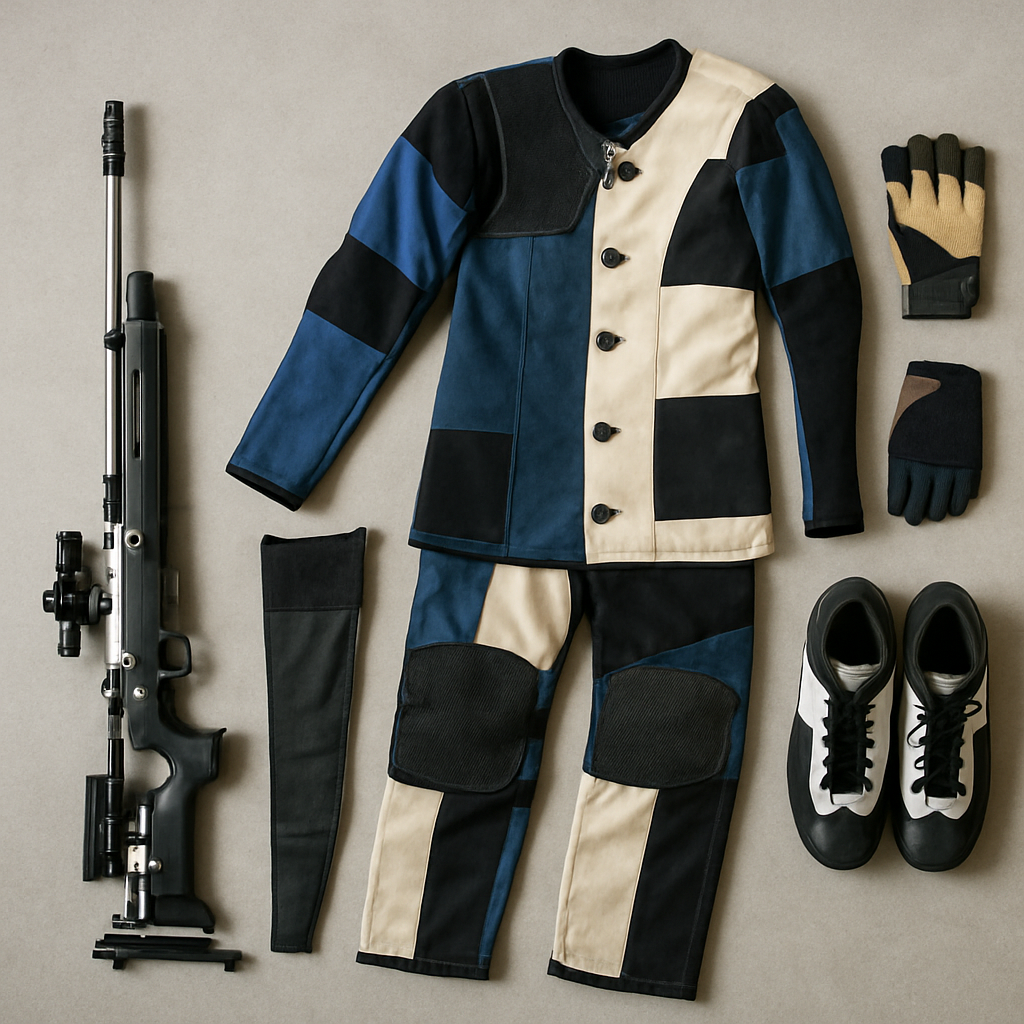
When the average fan imagines college endorsements, they likely picture a quarterback commanding a stadium of screaming fans. Yet, in the quiet, high-pressure world of NCAA Rifle, a different kind of influencer is emerging—one who trades jerseys for canvas suits and stadium noise for absolute silence. Here, success is not measured in touchdowns, but in the relentless ability to control one’s own heartbeat under pressure.
For decades, amateurism rules prevented athletes from monetizing this precision, but the introduction of Name, Image, and Likeness (NIL) has fundamentally changed the equation. Essentially acting as a brand ambassadorship system, NIL allows students to earn revenue from their personal reputation without sacrificing their eligibility. This financial shift helps bridge the gap between traditional NCAA rifle scholarships and the rising costs of being a collegiate competitor.
Marketing experts recognize that while these sharpshooters may not fill arenas, they offer brands a unique association with elite focus and mental discipline. This support is vital because the sport requires expensive, specialized gear that often exceeds standard university budgets. Through emerging brand collaborations for NCAA rifle athletes, competitors are finally offsetting equipment costs while building professional portfolios.
From partnerships with local vision centers to collaborations with mental health apps, the pathways to revenue are surprisingly diverse. This guide highlights the most effective athlete partnership strategies for NCAA rifle, illustrating how niche athletes are turning silence into a sustainable business strategy.
Mastering the Gear Game: How to Secure Smallbore and Air Rifle Endorsements
Competing at the NCAA level requires more than just steady hands; it demands an investment in technology that rivals Formula 1 racing. Between custom-fitted canvas suits, electronic targets, and precision firearms, the financial barrier to entry is high.
This creates a natural opening for smallbore and air rifle equipment endorsements, where manufacturers can reduce costs for athletes in exchange for credible expert validation. For a brand, having a Division I athlete trust their hardware during a championship match is the ultimate seal of approval.
Many of these initial partnerships begin as value-in-kind agreements rather than direct cash payments. In this tier, an athlete receives essential equipment—such as a specialized jacket or a year’s supply of pellets—in return for social media content or training tutorials.
While this may not resemble a traditional sneaker endorsement, it significantly reduces the athlete’s financial burden and allows them to focus on performance.
To successfully approach sponsors, athletes should focus on four core equipment sectors:
Optics
Sights and scopes requiring perfect clarity.
Ammunition
High-grade pellets or rounds where consistency is critical.
Suits
Specialized apparel providing posture support and stability.
Technology
Wearables that monitor heart rate and biometrics.
Success here relies on authenticity rather than audience size. When athletes serve as optics or ammunition ambassadors, they demonstrate product reliability under extreme pressure.
This credibility naturally leads to broader partnerships beyond equipment.
The “Smart Sport” Advantage: High-GPA Partnerships in Tech and Mental Focus
While mainstream sports often emphasize physical power, NCAA rifle resembles a high-stakes game of mental chess.
This profile creates a unique marketing advantage. Rifle athletes represent precision, intelligence, and discipline, making them ideal ambassadors for education platforms, STEM programs, and productivity tools.
Because rifle teams frequently maintain some of the highest GPAs in collegiate athletics, they embody the “student” component of the student-athlete identity.
Companies in academic technology and productivity sectors actively seek ambassadors who demonstrate intellectual discipline.
The sport’s emphasis on stress management and heart-rate control also creates authentic connections with wellness brands.
Meditation apps, sleep-tracking platforms, and wearable health technology companies all value athletes who can demonstrate mastery over focus and emotional regulation.
Successful content often revolves around day-in-the-life storytelling—balancing engineering coursework with elite precision training.
This authenticity creates trust and expands partnerships beyond the sport itself.
Building Your Local Legacy: Why Small Businesses Value Collegiate Shooters
While headlines focus on million-dollar endorsement contracts, the foundation of the NIL economy is often built on local community partnerships.
Small businesses frequently find collaborations with college athletes more valuable than generic advertising campaigns.
A rifle athlete is not a distant celebrity but a recognizable local representative of discipline and dedication.
Turning community goodwill into a business partnership begins with professional preparation.
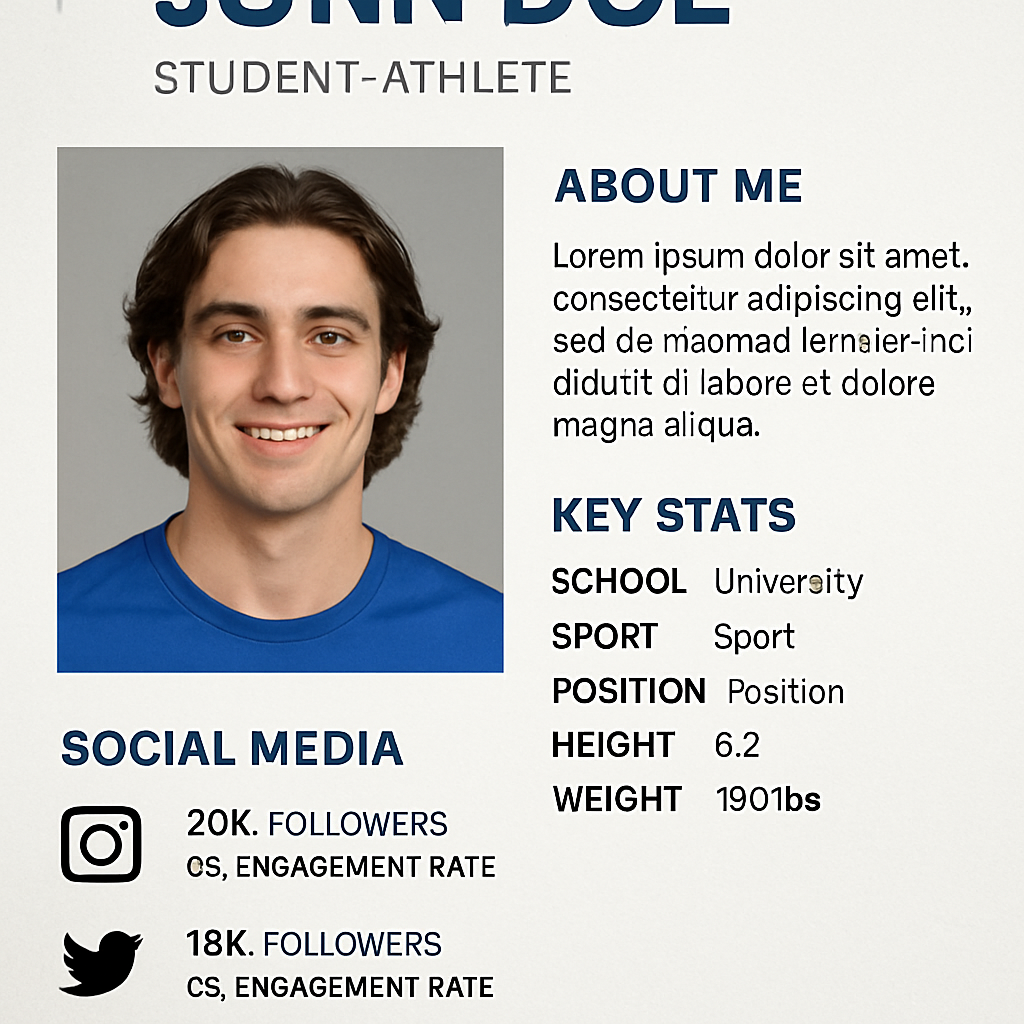
Successful athletes often develop a student-athlete media kit, which functions as a marketing résumé.
A typical media kit includes:
- Academic achievements
- Competition schedule
- Social media engagement metrics
- Local audience demographics
This shifts the conversation from requesting support to presenting a structured marketing proposal.
Common partnership categories include:
Vision Centers
Rifle athletes rely heavily on visual precision, making them natural ambassadors for eye care services.
Coffee Shops
Focus and concentration routines align naturally with morning caffeine culture.
Outdoor Stores
Retailers often collaborate with athletes to promote durable gear and technical apparel.
Many partnerships thrive on in-person engagement, such as hosting focus workshops or appearing at store openings.
These interactions create deeper loyalty than traditional advertisements.
Capturing the Invisible: Social Media Strategies for Non-Televised Sports
Because NCAA rifle rarely appears on major broadcasts, athletes must create their own media exposure.
Successful creators focus on process-driven content rather than highlight reels.
Audiences are fascinated by the preparation behind a perfect shot: breathing patterns, equipment adjustments, and mental discipline.
Platforms such as TikTok and Instagram have also amplified the sport’s ASMR potential, where the subtle sounds of equipment and controlled breathing attract viewers seeking calm and mindfulness.
This strategy expands the audience beyond shooting enthusiasts to include viewers interested in focus techniques and mental wellness.
Brands interpret strong engagement in these areas as evidence of real consumer influence.
This influence often translates into sponsorship support for travel expenses, equipment upgrades, and competitive training.
However, increasing financial activity requires careful compliance management.
Staying in the Game: Navigating NCAA Compliance Without the Headache
For NCAA rifle athletes, the most valuable asset is not a paycheck but eligibility.
Breaking compliance rules can result in suspension or loss of scholarship, making rule adherence critical.
Most universities now operate digital compliance systems where athletes submit agreements for review.
Successful athletes typically follow a simple routine:
Review
Confirm the brand is not associated with prohibited categories such as gambling, alcohol, or tobacco.
Report
Submit the partnership to the university compliance office before accepting payment or publishing promotional content.
Record
Document all activities proving the compensation was earned through work performed.
Rifle athletes pursuing Olympic pathways must also consider regulations from international governing bodies.
Maintaining transparency across these organizations protects long-term competitive eligibility.
Launching Your NIL Career: A 30-Day Action Plan for NCAA Shooters
Rifle athletes today can view their sport not only as competition but also as a platform for professional growth.
Building a personal brand begins with treating online profiles with the same discipline used during training.
Start by auditing social media accounts to highlight academic achievements, competition results, and training routines.
Once profiles are polished, reach out to a local partner—such as an eyewear clinic or wellness company—to propose a collaboration.
Small partnerships build credibility and open the door to larger opportunities.
In a world filled with marketing noise, brands increasingly value the authenticity of niche athletes.
Precision, focus, and discipline are powerful brand traits.
By leveraging these qualities, rifle athletes can transform quiet concentration into a sustainable professional pathway.
Learn More About the NIL Landscape
Name, Image, and Likeness plays an increasing role in college sports, and understanding how it works often requires more than individual articles or news updates.
RallyFuel is a platform focused on NIL-related topics across college athletics. It brings together information about athletes, NIL activity, and the broader structure behind modern college sports, helping readers explore the topic in more depth.
👉Explore the Athletes on RallyFuel – Discover top college athletes, compare NIL valuations, and dive deeper into the world of NIL.
Q&A
Question: What is NIL, and why does it matter for NCAA rifle athletes?
Short answer: NIL (Name, Image, and Likeness) lets student-athletes earn money as brand ambassadors without losing eligibility. For rifle, it helps bridge the gap between limited NCAA rifle scholarships and the high costs of specialized gear, travel, and tech. Because rifle athletes embody elite focus and discipline, brands value their credibility even if the sport doesn’t draw stadium crowds—making NIL a practical way to fund performance while building a professional portfolio.
Question: What NIL deals are most attainable early on, and how should I target them?
Short answer: Early deals often start as value-in-kind (free or discounted gear instead of cash) in exchange for expert content. Target the four gear categories where your credibility is strongest: optics (sights/scopes), ammunition (consistent pellets/rounds), suits (stability/posture), and tech (wearables/biometrics). Demonstrate performance under pressure via tutorials or match-prep content—your technical authenticity matters more than follower count and can lead to paid opportunities as trust grows.
Question: Why are tech, education, and wellness brands a strong fit for rifle athletes?
Short answer: Rifle’s “smart sport” profile sells intelligence, precision, and discipline—qualities those sectors prize. Teams often have high GPAs, aligning naturally with educational software, STEM groups, and productivity apps. The sport’s emphasis on stress and heart-rate regulation also pairs well with meditation apps, wearable health tech, and sleep aids. Create “Day in the Life” content showing how you balance engineering homework with precision training and how specific tools help you stay focused—this validates products for everyday users, not just shooters.
Question: How do I win local business partnerships, and what belongs in my media kit?
Short answer: Local deals work because community businesses value authentic, university-rooted ambassadors. Build a one-page media kit that includes: a professional headshot, academic standing, competition schedule, social metrics (especially local engagement), and audience demographics. Propose in-person activations (e.g., a “focus workshop” at a coffee shop or an appearance at an outdoor store opening) and plan to convert those moments into online content. Great local fits include vision centers, coffee shops, and outdoor retailers seeking durable, technical brand alignment.
Question: How can I turn social content into revenue without risking eligibility?
Short answer: Showcase the “invisible” prep—breathing routines, suit setup, and ASMR-friendly gear sounds—on platforms like TikTok and Instagram. Use trackable links, promo codes, and calls to action to prove conversions (e.g., sales of focus supplements or noise-canceling headphones). To stay compliant, follow the Rule of Three: Review (avoid prohibited categories like alcohol, gambling, tobacco), Report (submit all deals for university approval before posting/accepting payment), and Record (document work performed and payments). If you’re pursuing national/Olympic teams, also check international amateurism rules to prevent conflicts.


Leave a Comment