
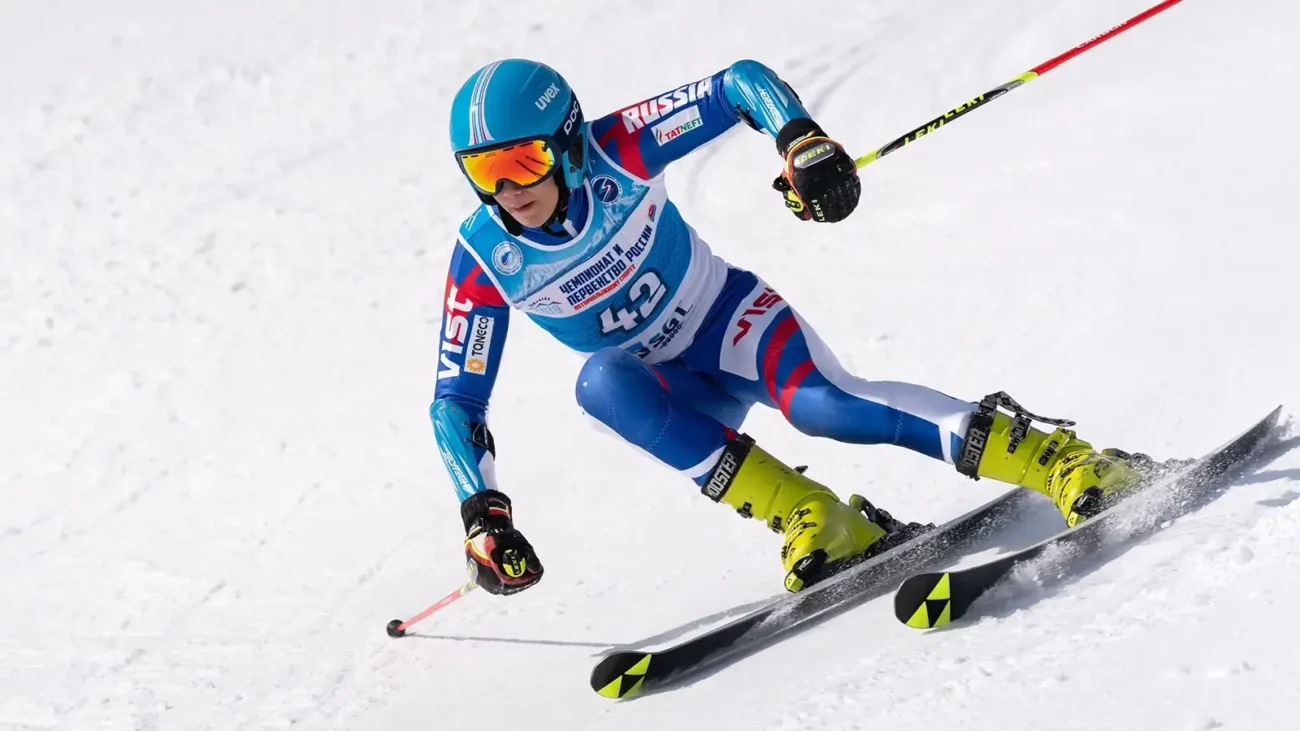
Selecting the most effective route for Winter Olympic development represents a significant life-changing decision for any aspiring talent. We believe that understanding the various nuances of global athlete training helps families make informed choices for their future success.
The collegiate system in the United States provides a unique dual-career path. It ensures that students can pursue a rigorous education while competing against the best players in the world on a regular basis.
In contrast, many overseas organizations favor early mastery of a single sport. These elite environments focus on technical skill through daily practice within a professional club setting that demands total commitment from a young age.
We stand behind every individual striving for the Olympic podium. By comparing these two systems, we help you find the environment that best fits your personal goals and long-term values.
The Two Competing Philosophies of Winter Olympic Development
The path to becoming a Winter Olympian varies significantly between the NCAA Division I programs in the United States and European sports academies. These two systems represent fundamentally different approaches to athlete development, each with its own strengths and challenges.
On one hand, the American collegiate sports model, led by the NCAA, focuses on balancing academic excellence with athletic achievement. On the other hand, European sports academies often prioritize early specialization and full-time athletic training. Understanding these philosophies is crucial to grasping how Winter Olympians are developed.
The American Collegiate Sports Model
The NCAA Division I programs are at the pinnacle of collegiate athletics in the United States. These programs offer a unique blend of academic rigor and athletic training, allowing student-athletes to pursue both their educational and athletic goals simultaneously.
Key features of the NCAA model include:
- Balancing academic and athletic responsibilities
- Participation in collegiate competitions as a stepping stone to professional sports
- Access to top-notch facilities and coaching
- Opportunities for athletes to develop transferable skills beyond sports
The European Early Specialization Approach
In contrast, European sports academies typically adopt an early specialization approach, where young athletes focus intensively on a single sport from a relatively early age. This model is designed to foster elite athletic performance through dedicated training and coaching.
Characteristics of the European approach include:
- Early identification and specialization in a specific sport
- Intensive, full-time training regimens
- Government-backed financing for elite athlete development
- A strong focus on producing medal-winning athletes for international competitions
| Development Aspect | NCAA Division I Programs | European Sports Academies |
|---|---|---|
| Academic Balance | Strong emphasis on academic achievement alongside athletic training | Primary focus on athletic development, with variable academic support |
| Specialization Age | Later specialization, often during college years | Early specialization, sometimes as young as 10-12 years old |
| Funding Model | Scholarships and private funding | Often state-supported or government-funded |
Inside the NCAA Winter Sports Pipeline
The collegiate sports pipeline, particularly NCAA Division I, is a significant source of talent for Winter Olympic sports. NCAA Division I programs play a crucial role in developing elite athletes by providing a structured environment that balances academic rigor with athletic excellence.
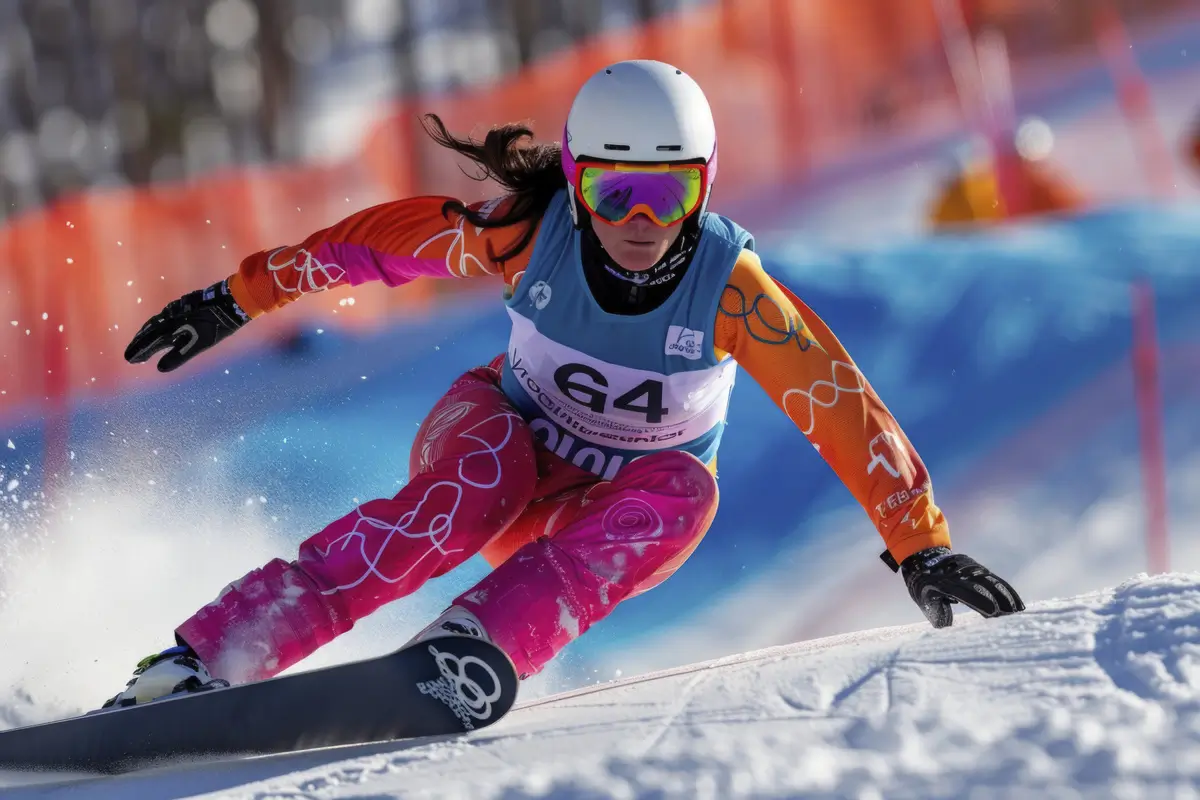
How NCAA Division I Programs Develop Elite Athletes
NCAA Division I programs are renowned for their comprehensive approach to athlete development. This includes rigorous training schedules and competitive seasons that prepare athletes for the highest levels of competition.
Training Schedules and Competitive Seasons
Training schedules in NCAA Division I winter sports programs are meticulously planned to peak at the right moments, ensuring athletes are at their best during national championships and, for some, the Winter Olympics. For instance, alpine skiers might have intense training camps during the summer, with a competitive season that spans from November to March.
These programs also offer a competitive season that is both challenging and rewarding, pushing athletes to their limits while providing them with the experience needed to succeed at the international level.
Balancing Academics with Athletic Excellence
A hallmark of NCAA Division I programs is their emphasis on balancing academic achievement with athletic prowess. Athletes receive access to resources such as tutoring, academic advising, and priority registration to help them manage their dual roles effectively.
This balance is crucial as it not only prepares athletes for life beyond their sports careers but also ensures they remain eligible to compete at the highest collegiate level.
Powerhouse NCAA Programs for Winter Sports
Several NCAA Division I programs have a proven track record of producing Winter Olympians. Let’s examine a few notable examples.
University of Denver Skiing Program
The University of Denver’s skiing program is one of the most successful in the NCAA, having produced numerous Olympians and national champions. Their program emphasizes both technical skill development and physical conditioning.
University of Utah Olympic Legacy
The University of Utah has a rich Olympic legacy, with its athletes competing in various Winter Olympic sports. The university’s programs are known for their excellence in sports such as alpine skiing, figure skating, and speed skating.
University of Vermont and Northern Michigan University
Both the University of Vermont and Northern Michigan University have strong programs in sports like alpine skiing and ice hockey. These institutions have a history of producing athletes who go on to compete at the Olympic Games.
| University | Sport | Olympic Medals | NCAA Titles |
|---|---|---|---|
| University of Denver | Skiing | 5 | 10 |
| University of Utah | Alpine Skiing | 3 | 8 |
| University of Vermont | Alpine Skiing | 2 | 5 |
| Northern Michigan University | Ice Hockey | 1 | 4 |
The European Academy System Explained
With a strong emphasis on early development, European sports academies have revolutionized the way winter sports athletes are trained. These institutions have become pivotal in shaping the careers of world-class athletes through a combination of rigorous training and tailored educational programs.
Structure and Philosophy of European Winter Sports Academies
European Winter Sports Academies are built on a foundation of early specialization and intensive training. This approach is fundamentally different from the more generalized athletic development models seen in other parts of the world.
Full-Time Athletic Training from Age 14-16
A key feature of European sports academies is their focus on full-time athletic training for athletes as young as 14 to 16 years old. This early start allows for the development of fundamental skills and physical conditioning that are crucial for success in winter sports.
As Marcel Hirscher, a two-time Olympic gold medalist, once noted, “The early start is crucial. It allows you to build a strong foundation and adapt to the demands of high-level competition.” This perspective underscores the importance of early specialization in the European academy system.
Integration of Modified Education Programs
While the primary focus is on athletic development, European sports academies also recognize the importance of education. They offer modified education programs that cater to the unique needs and schedules of young athletes, ensuring that they can balance their academic and athletic pursuits effectively.
Elite European Training Centers
Several European countries have established elite training centers that serve as hubs for athlete development. These centers are equipped with state-of-the-art facilities and staffed by experienced coaches.
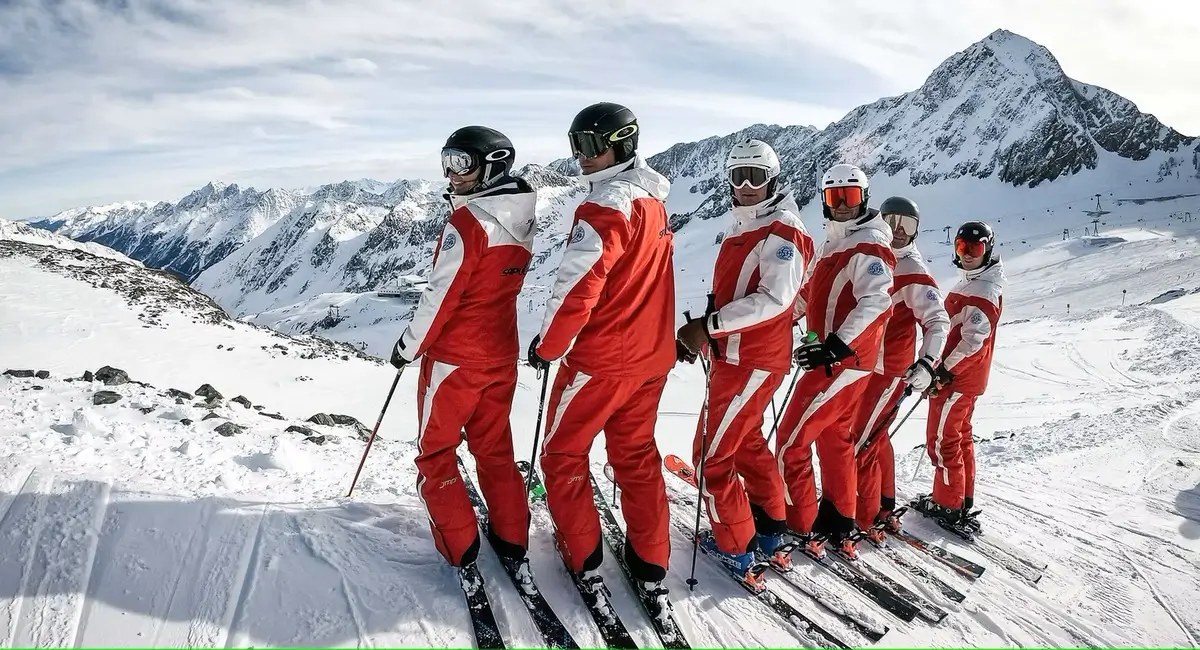
Austrian Ski Federation Academy System
The Austrian Ski Federation Academy System is a prime example of an elite training center. It has a long history of producing world-class skiers through its comprehensive training programs and well-structured development system.
Norwegian Olympic Training Centers
Norway’s Olympic Training Centers are another example of elite training facilities. They offer a range of programs designed to develop athletes across various winter sports disciplines.
Swiss National Ski Academy and French CREPS Network
The Swiss National Ski Academy and the French CREPS Network are also notable for their contributions to athlete development. They provide athletes with access to high-quality training and coaching, helping them to achieve their full potential.
As we explore the European Academy system, it becomes clear that their approach to athlete development is both comprehensive and highly effective. By combining early specialization with modified education programs and elite training facilities, these academies are able to produce athletes who excel on the world stage.
NCAA vs European Academies: Where Winter Olympians Are Made
The debate between NCAA and European academies in producing Winter Olympians hinges on several critical factors. As we examine the differences between these two systems, it becomes clear that their approaches to athlete development vary significantly.
To determine which system is more effective, we must examine their training regimens, funding structures, coaching methodologies, and post-athletic career preparation.
Training Intensity and Specialization Timeline
The training intensity and the timeline for specialization are crucial elements in the development of Winter Olympians. NCAA programs typically allow for a more gradual progression, with athletes often competing in multiple sports during their early years. In contrast, European academies tend to specialize athletes at a younger age, focusing intensely on a single sport.
“Early specialization can lead to elite performance in the short term, but it also increases the risk of burnout and injury,” notes a recent study on athlete development.
The NCAA model, which encourages participation in multiple sports, can foster a more well-rounded athlete. For instance, many NCAA athletes compete in sports other than their primary discipline, developing a broader range of skills.
In contrast, European academies often focus on a single sport from an early age. This intense specialization can lead to exceptional performance but may also limit an athlete’s adaptability and overall athletic development.
Funding Models: Scholarships vs State Funding
The funding models employed by NCAA programs and European academies differ substantially. NCAA athletes often rely on scholarships to finance their education and training, while European academies frequently operate with state funding.
NCAA scholarships provide financial assistance to athletes, allowing them to pursue their education while competing at a high level. However, these scholarships can be limited, and athletes must balance their academic and athletic responsibilities.
European academies, on the other hand, are often financed through government funding, enabling a more comprehensive development framework for athletes. This may include access to world-class training facilities, elite coaching, and advanced sports science resources.
Coaching Quality and International Exposure
The quality of coaching and the level of international exposure are also critical factors in athlete development. NCAA programs have made significant strides in attracting high-quality coaches, and many European academies have adopted similar strategies.
However, European academies often have an advantage when it comes to international exposure, with many athletes competing in European competitions from a young age. This exposure can be invaluable in preparing athletes for the global stage.
“Competing against the best athletes from other countries is essential for developing the skills and mental toughness needed to succeed at the Olympic level,” says a renowned coach.
Long-Term Career Preparation Beyond Sports
Finally, the preparation of athletes for careers beyond their sporting life is an essential consideration. NCAA programs, being part of the educational system, inherently provide athletes with the opportunity to pursue higher education and develop skills outside of their sport.
European academies, while improving in this area, sometimes face challenges in providing equivalent educational opportunities. However, many are now incorporating educational programs into their structures to better prepare athletes for life after sport.
By examining these key areas, we can gain a deeper understanding of the relative strengths and weaknesses of the NCAA and European academy systems in producing Winter Olympians.
The Results: Olympic Medal Production by System
As the world’s top winter athletes converged on Beijing 2022 and PyeongChang 2018, the effectiveness of the NCAA and European academy systems was put under the microscope. The medal counts from these events provide a clear indication of which system is producing the most successful Olympians.
NCAA Alumni at Beijing 2022 and PyeongChang 2018
The NCAA has a strong track record of producing Olympic medalists. At the Beijing 2022 Winter Olympics, NCAA athletes won a total of 37 medals, with 12 of those being gold medals. This performance was echoed at PyeongChang 2018, where NCAA athletes secured 34 medals, including 10 gold medals.
These numbers demonstrate the significant contribution of NCAA athletes to the U.S. Olympic team’s success. The breadth of sports in which NCAA athletes competed and medaled is also noteworthy, with standout performances in freestyle skiing and snowboarding.
European Academy Success Rates on the Podium
European academies have long been recognized for their role in developing world-class winter athletes. At Beijing 2022, athletes from European academies collectively won over 60% of the total medals available in certain sports. Their dominance was particularly evident in Alpine skiing, where European academy athletes secured nearly 80% of the medals.
Sport-by-Sport Performance Analysis
A closer examination of specific sports reveals varying degrees of success between the NCAA and European academy systems.
Alpine Skiing: European Dominance
European academies have traditionally excelled in Alpine skiing, and recent Olympics have been no exception. At Beijing 2022, European academy athletes won 85% of the Alpine skiing medals, continuing a trend seen at previous Winter Olympics.
Freestyle and Snowboarding: American NCAA Strength
In contrast, the NCAA has been a powerhouse in freestyle skiing and snowboarding. NCAA athletes secured over 70% of the U.S. medals in these sports at both Beijing 2022 and PyeongChang 2018, highlighting the strength of the NCAA system in these disciplines.
Nordic Events: Scandinavian Academy Superiority
Nordic events, including cross-country skiing and biathlon, have seen significant success from athletes developed through Scandinavian academies. These athletes won a substantial majority of the medals in these events at the recent Winter Olympics.
| Sport | NCAA Medal Share | European Academy Medal Share |
|---|---|---|
| Alpine Skiing | 15% | 85% |
| Freestyle/Snowboarding | 70% | 30% |
| Nordic Events | 20% | 80% |
Conclusion
As we reflect on the NCAA and European academies’ approaches to Winter Olympic development, it becomes clear that both systems have distinct strengths and weaknesses. The NCAA’s collegiate sports model provides a unique blend of academic and athletic development, while European academies focus on early specialization and intense training.
Our analysis reveals that the NCAA produces a significant number of Winter Olympians, with many athletes benefiting from the collegiate sports structure. In contrast, European academies have a high success rate on the podium, with many athletes benefiting from state funding and expert coaching from a young age.
Ultimately, the most effective pathway to Olympic success may lie in a balanced approach that combines the strengths of both systems. By understanding the differences between NCAA and European academies, we can better advance winter athlete development and create a more effective pathway to Olympic success.
Learn More About the NIL Landscape
Name, Image, and Likeness plays an increasing role in college sports, and understanding how it works often requires more than individual articles or news updates.
RallyFuel is a platform focused on NIL-related topics across college athletics. It brings together information about athletes, NIL activity, and the broader structure behind modern college sports, helping readers explore the topic in more depth.
FAQ
What are the primary differences between the NCAA model and European winter sports academies?
We observe that the primary difference lies in the philosophy of athlete development. The NCAA model focuses on a holistic “student-athlete” approach, balancing academic excellence with elite competition. In contrast, European academies, such as those within the Austrian Ski Federation, often emphasize early specialization, placing athletes in full-time professional training environments as early as age 14.
Which NCAA Division I programs are considered the strongest pipelines for Winter Olympians?
Several programs consistently produce elite talent. The University of Denver Skiing Program and the University of Utah are renowned for their Olympic legacy, often sending numerous athletes to the Winter Games. Other notable institutions include the University of Vermont and Northern Michigan University, which serve as critical high-performance centers for Nordic and Alpine disciplines.
How does the European academy system handle education for young athletes?
To maintain a rigorous training schedule, European systems like the French CREPS Network or the Swiss National Ski Academy utilize modified education programs. These allow athletes to focus on their sport during peak seasons while completing their studies through flexible, often vocational, academic paths tailored to a professional sports career.
How is training funded for athletes in these two different systems?
In the United States, funding typically comes through athletic scholarships and the expanding opportunities created by NIL (Name, Image, and Likeness) agreements. In Europe, the model is largely based on state funding and investment from national governing bodies, such as the Norwegian Olympic Training Centers (Olympiatoppen), which finance training and coaching for promising talents.
Which system has been more successful at recent Winter Olympics like Beijing 2022?
Both systems show dominance in specific areas. We see European academies continuing to lead in Alpine Skiing and Nordic events, fueled by the specialized infrastructure in Scandinavia and the Alps. However, NCAA alumni represented a significant portion of the field in Beijing 2022 and PyeongChang 2018, showing particular strength in Freestyle Skiing, Snowboarding, and Ice Hockey.
Does the NCAA model provide better long-term career preparation than European academies?
We believe the NCAA model offers a distinct advantage regarding post-collegiate careers. Because the system mandates progress toward a university degree, athletes are better equipped for a professional transition outside of sports. While European academies are increasingly integrating career counseling, the American system’s inherent structure prioritizes a degree as a foundational element of the athlete’s journey.
At what age does specialization typically begin in the European system?
In many elite European circles, particularly within the Austrian and Swiss systems, intensive specialization begins between the ages of 14 and 16. This is significantly earlier than the American collegiate path, where many athletes continue to compete in multiple sports or maintain a broader focus until they enter a university program.




Leave a Comment