
Introduction
The Milano-Cortina 2026 Winter Olympics are currently underway, and the presence of NCAA-developed athletes is visible across multiple disciplines. As competition unfolds in real time, the collegiate system in the United States is playing a measurable role in Team USA’s roster composition and on-ice, on-snow performance.
The NCAA Winter Olympics 2026 connection is especially apparent in ice hockey, where Division I programs continue to supply both active collegiate players and recent alumni to Olympic competition.
This analysis focuses strictly on current Olympic participation and observable performance traits during these Games. The NCAA influence is not theoretical — it is visible now across roster construction, tactical execution, and physical preparedness.
Ice Hockey — NCAA Presence on the Olympic Stage
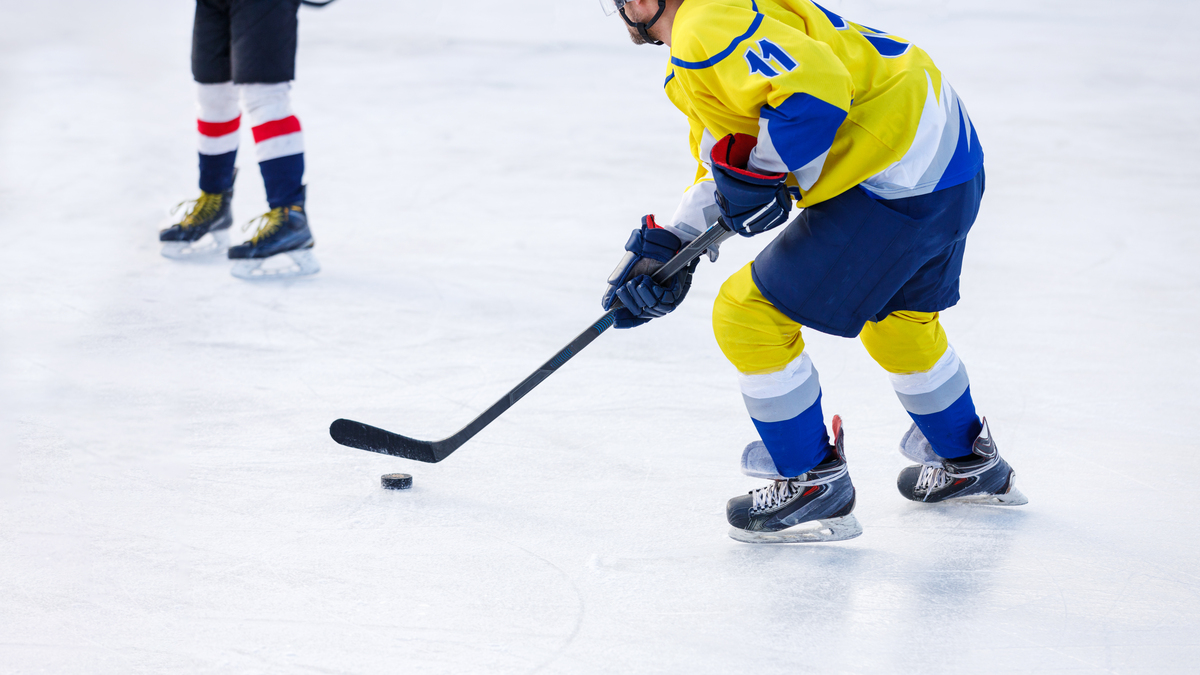
Ice hockey remains the strongest example of NCAA impact at Milano-Cortina 2026.
In women’s hockey, Division I programs continue to serve as the dominant pipeline. Many athletes currently competing progressed through Power Five conference programs and national championship environments
The college hockey Olympics 2026 connection is visible in:
- Line chemistry between former collegiate teammates
- Special teams execution rooted in NCAA systems
- Tactical structure developed in conference play
On the men’s side, several NCAA Olympic hockey players competing in Milano-Cortina are alumni of Division I programs . Even when athletes transitioned to professional leagues, their collegiate tactical base remains evident.
Division I development emphasizes:
- Structured defensive systems
- High-tempo neutral zone transitions
- Video-based game preparation
- Tournament resilience
These components are translating directly into performance during the Olympic competition.
NCAA Representation in Olympic Ice Hockey (2026)
| Category | Active NCAA Players | NCAA Alumni | Development Model |
|---|---|---|---|
| Women’s Hockey | High | Very High | Division I primary pipeline |
| Men’s Hockey | Moderate | High | Division I + professional blend |
| Overall Team USA | Significant | Extensive | Collegiate tactical foundation |
Alpine Skiing — NCAA as a Supplemental System
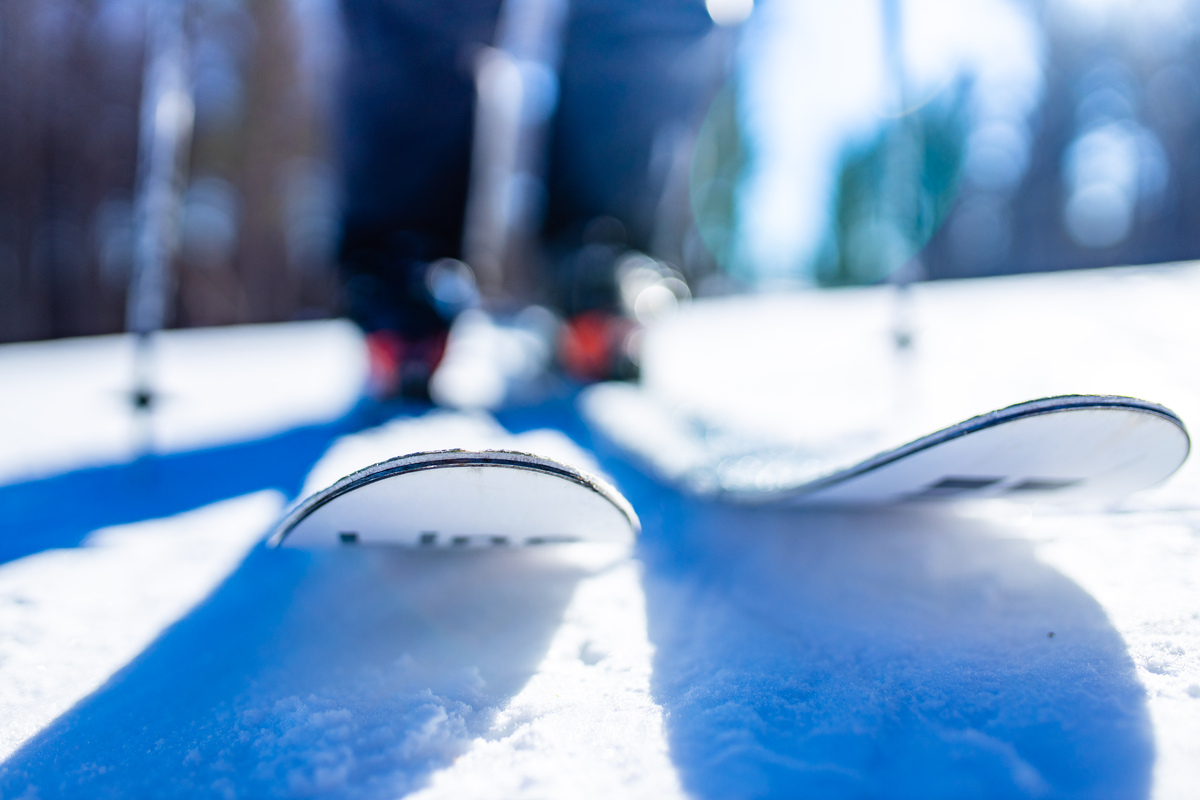
In alpine skiing, the NCAA functions as a supplemental layer within a broader federation-based development structure.
Many NCAA skiing Olympic athletes competing at Milano-Cortina 2026 combine national team training with collegiate racing. University programs in Colorado, Utah, and Vermont provide structured winter-season competition aligned with international standards.
The NCAA contribution includes:
- Strength and conditioning support
- Sports science infrastructure
- Competitive repetition during winter season peaks
Unlike hockey, alpine skiing does not rely primarily on collegiate development. Instead, it benefits from hybrid integration between federation and university systems.
Nordic Skiing and Collegiate Conditioning
Nordic disciplines reflect a similar hybrid model.
The collegiate development system reinforces:
- Aerobic endurance building
- Tactical pacing strategy
- Structured winter race calendars
Athletes competing in Milano-Cortina show conditioning patterns aligned with NCAA seasonal preparation.
The winter Olympic tournament schedule demands consistency across multiple heats and distances. NCAA backgrounds support this structure by aligning training cycles with competitive peaks.
Sports With Minimal NCAA Impact
Certain sports at Milano-Cortina 2026 operate largely outside the NCAA system:
- Figure skating
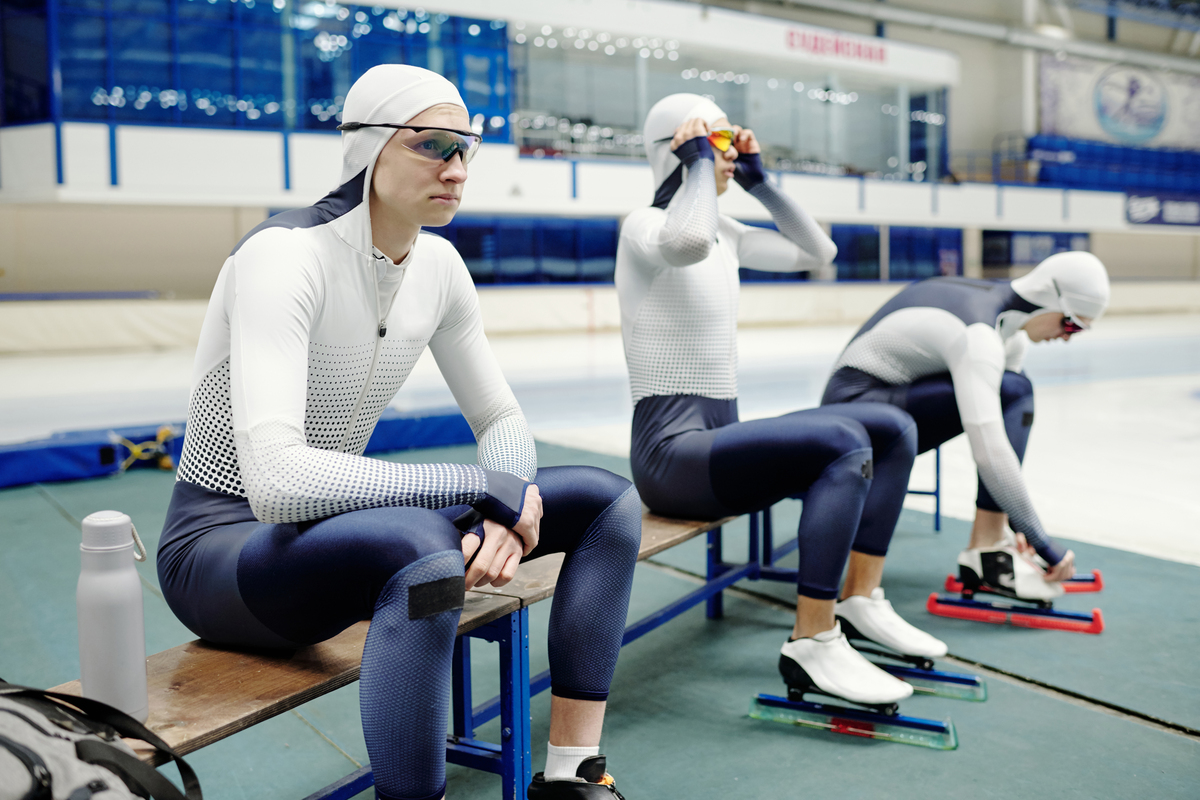
- Speed skating
- Luge
- Bobsled
These disciplines rely primarily on federation-based centralized training models.
In these cases, the NCAA impact Winter Olympics presence remains limited compared to hockey and skiing.
NIL and Olympic Visibility During the 2026 Games
NIL frameworks are influencing athlete branding during the current Olympic cycle.
For active collegiate competitors, NIL Olympic athletes are leveraging:
- Social media engagement during televised games
- University-branded visibility
- Cross-promotion with Division I programs
Hockey players see higher exposure due to broadcast reach. Skiing athletes experience more equipment-centered sponsorship structures.
The NIL structure is operating in real time during Milano-Cortina 2026, increasing visibility for NCAA-affiliated athletes competing internationally.
NCAA Impact Snapshot — Milano-Cortina 2026
| Sport | NCAA Influence Level | Visible Olympic Impact | Development Dependency |
|---|---|---|---|
| Women’s Ice Hockey | Very High | Roster core + tactics | Primary |
| Men’s Ice Hockey | High | Alumni foundation | Strong |
| Alpine Skiing | Moderate | Conditioning depth | Supplemental |
| Nordic Skiing | Moderate | Endurance structure | Hybrid |
| Figure Skating | Low | Minimal | Federation-based |
Why NCAA Structure Shows During the Games
The NCAA structure becomes visible during Olympic competition through:
- Physical preparedness supported by Division I strength programs
- Tactical cohesion developed in conference play
- Institutional resources including sports medicine and analytics
- Competitive maturity built through national collegiate tournaments
These structural elements translate directly into performance consistency at Milano-Cortina 2026.
Conclusion
At the Milano-Cortina 2026 Winter Olympics, NCAA influence is sport-specific but clearly observable.
Ice hockey remains the strongest collegiate pipeline. Skiing disciplines benefit from hybrid support systems. Federation-driven sports operate largely independently from NCAA structures.
The presence of NCAA athletes Milano Cortina 2026 is measurable through roster composition, tactical organization, conditioning consistency, and NIL visibility during the current Games.
Learn More About the NIL Landscape
Name, Image, and Likeness plays an increasing role in college sports, and understanding how it works often requires more than individual articles or news updates.
RallyFuel is a platform focused on NIL-related topics across college athletics. It brings together information about athletes, NIL activity, and the broader structure behind modern college sports, helping readers explore the topic in more depth.
👉 Explore the Athletes on RallyFuel – Discover top college athletes, compare NIL valuations, and dive deeper into the world of NIL.
FAQ
Are active NCAA athletes competing in Milano-Cortina 2026?
Yes, particularly in women’s ice hockey, where current college players are part of Olympic rosters.
Which winter sport shows the strongest NCAA influence at these Games?
Women’s Division I ice hockey demonstrates the highest direct NCAA impact.
Do all U.S. winter Olympians come from NCAA programs?
No. Many sports, including figure skating and speed skating, primarily rely on federation training systems.
Does NIL affect Olympic athletes during this Games cycle?
Yes. Eligible NCAA athletes can leverage Olympic visibility for sponsorship opportunities.
Will NCAA influence continue in future Winter Olympics?
Based on current trends visible at Milano-Cortina 2026, the collegiate pipeline in ice hockey is likely to remain strong.


Leave a Comment