
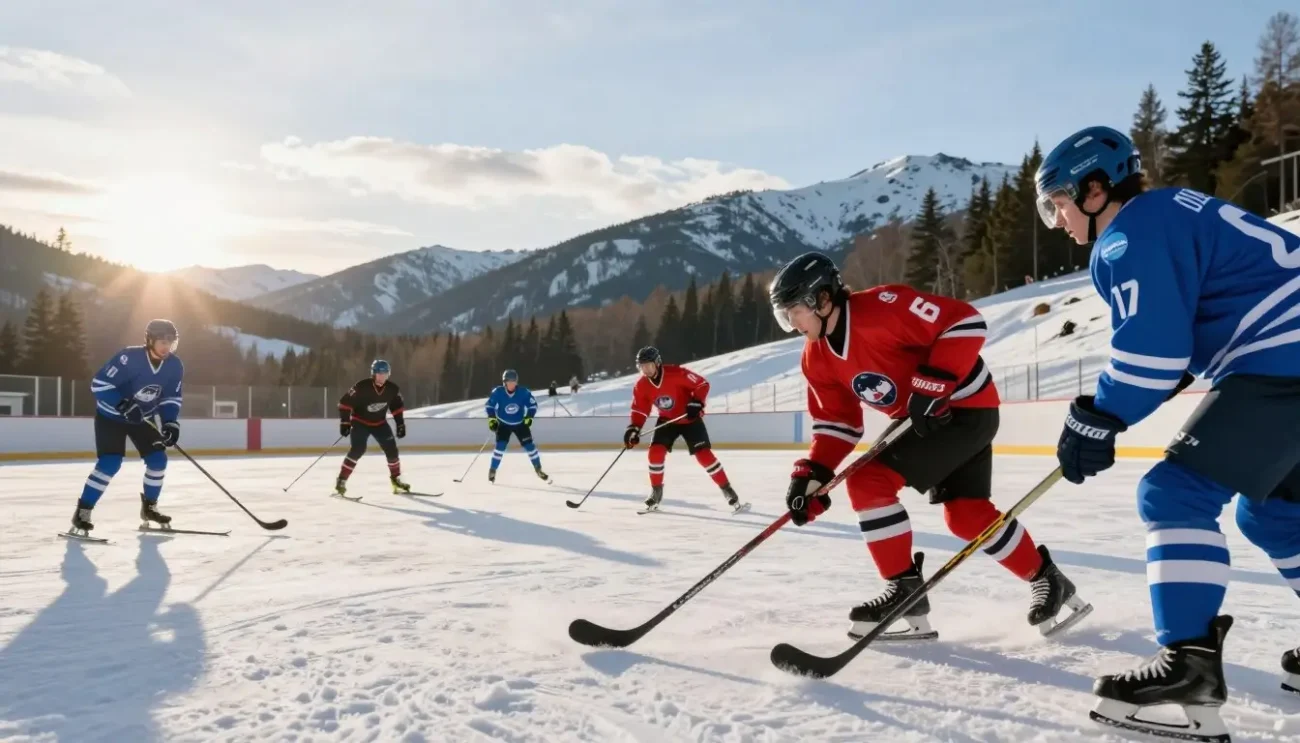
We see a unique path forming in modern college sports today. This structured system helps elite athletes find a balance between rigorous academics and world-class training. It prepares them for the global stage with expert coaching and great facilities.
You might notice how collegiate programs offer more than just a degree. They serve as a vital resource where talent meets discipline. These programs cultivate resilience in every student and athlete who steps onto the ice or snow.
Our platform aims to guide you through these academic and athletic journeys. We recognize the dedication it takes to balance long practice hours with classroom goals. This dual focus builds a strong and lasting foundation.
As we look toward Milan-Cortina, certain programs stand out due to their excellence. These schools provide the NCAA Pipeline that many Olympians rely on to reach their dreams. Every step taken on campus brings them closer to the podium.
We believe this collegiate framework is fundamental to achieving excellence at the Winter Olympics 2026. By fostering talent early, colleges ensure that the next generation is ready to compete at the highest level.
The NCAA’s Critical Role in American Winter Sports Development
The development of winter sports talent in the United States is heavily influenced by the NCAA. The organization’s framework provides a structured environment where athletes can develop their skills while pursuing higher education. This balance between academics and athletics is crucial for the holistic development of athletes.
The NCAA has a rich history of nurturing winter sports programs that have contributed significantly to American success in the Winter Olympics. Its structure allows for a systematic approach to athlete development, from collegiate competitions to international events.
Historical Evolution of Collegiate Winter Sports Programs
Collegiate winter sports programs have evolved significantly over the years under the NCAA’s governance. Initially focused on regional competitions, these programs have grown to include national championships and have become a breeding ground for Olympic talent.
The evolution is marked by increased competition, better training facilities, and more sophisticated coaching. This progression has enabled the NCAA to produce athletes who can compete at the highest international levels.
Why Elite Athletes Choose the NCAA Path Over Professional Routes
Elite athletes often prefer the NCAA path because it offers a unique blend of academic opportunities and high-level athletic competition. The NCAA provides a platform where athletes can develop their skills while pursuing a degree, thereby securing their future beyond their athletic careers.
Scholarship opportunities and access to top-notch facilities are significant factors that attract athletes to NCAA programs. Moreover, the competitive environment within the NCAA prepares athletes for the demands of international competitions.
Balancing Academic Requirements with Olympic-Level Training
One of the NCAA’s significant achievements is its ability to help athletes balance academic responsibilities with the demands of Olympic-level training. The organization’s structure provides flexible scheduling and integrated resources that help athletes manage their time effectively between training and academic commitments.
Athletes within the NCAA system benefit from structured training periodization throughout the academic year. This approach ensures that athletes peak at the right time for major competitions, including the Olympics.
Key Winter Sports Thriving in NCAA Programs
Within the NCAA, various winter sports programs have emerged as crucial development grounds for Olympic athletes. These programs not only foster athletic talent but also ensure that athletes receive a comprehensive education. The NCAA’s structure allows for a balance between academic rigor and athletic training, creating well-rounded individuals who excel in their respective sports.
Ice Hockey: The NCAA’s Olympic Factory
Ice hockey stands out as one of the most prominent winter sports within the NCAA, producing a significant number of athletes who go on to compete in the Olympics. The competitive nature of NCAA ice hockey prepares athletes for the highest levels of international competition.
Men’s Division I Hockey Powerhouses
Men’s Division I hockey programs are renowned for their intensity and competitiveness. Top-tier programs such as those at the University of Minnesota, University of Denver, and Boston University have a long history of producing Olympians. These programs offer athletes the opportunity to compete against the best, thereby enhancing their skills and readiness for Olympic-level competition.

Women’s Hockey Programs and Team USA Pipeline
The NCAA also boasts robust women’s ice hockey programs that serve as a vital pipeline for Team USA. Programs at schools like the University of Wisconsin and Northeastern University have been instrumental in developing athletes who represent the United States in international competitions. The competitive environment in these programs ensures that athletes are well-prepared for the demands of Olympic hockey.
Alpine and Nordic Skiing in the College System
Alpine and Nordic skiing are other winter sports that have a significant presence within the NCAA. Colleges like the University of Utah, University of Colorado Boulder, and University of Vermont have top-notch skiing programs that attract talented athletes from across the country. These programs provide athletes with the training and competition experience necessary to succeed at the Olympic level.
Figure Skating’s Unique Collegiate Presence
Figure skating, while not as commonly associated with the NCAA as ice hockey or skiing, has a dedicated following within the collegiate system. The NCAA offers a platform for figure skaters to continue their athletic careers while pursuing higher education. This distinctive combination of academic and athletic opportunities enables figure skaters to refine their skills within a structured and encouraging environment.
Top NCAA Programs Producing Olympic Talent
As we look towards the 2026 Winter Olympics, it’s clear that certain NCAA programs are crucial in shaping the athletes who will compete on the world stage. The NCAA pipeline is filled with talented athletes from various programs, but some universities stand out for their consistent production of Olympic talent.
University of Denver’s Nine National Championships
The University of Denver is renowned for its ice hockey program, having secured nine national championships. This success translates to the Olympic stage, with numerous Pioneers alumni competing in the Winter Olympics. The program’s emphasis on developing well-rounded athletes who excel both on the ice and in the classroom is a key factor in its success.
“The University of Denver’s hockey program stands as a leading example of how NCAA athletics can serve as a powerful pathway to Olympic success.” The program’s history of producing Olympic athletes is a testament to its strong coaching, facilities, and competitive environment.
University of Minnesota’s Hockey Tradition
The University of Minnesota has a rich tradition in hockey, producing a significant number of Olympians. The program’s focus on developing skilled players who can compete at the highest level is evident in its consistent production of NHL talent and Olympic athletes.
- Multiple Olympic medalists have come from the University of Minnesota’s hockey program.
- The program’s strong coaching and training facilities provide athletes with the tools needed to succeed at the Olympic level.
University of Vermont Catamounts Skiing Dynasty
The University of Vermont’s skiing program is another NCAA powerhouse that has produced numerous Olympic athletes. The Catamounts have a strong tradition of excellence in both alpine and Nordic skiing, with many athletes going on to compete in the Winter Olympics.
The program’s success can be attributed to its strong coaching staff and the competitive environment that pushes athletes to excel.
Boston University, Northeastern, and Wisconsin’s Olympic Legacies
Other NCAA programs, such as Boston University, Northeastern, and Wisconsin, also have a significant impact on producing Olympic talent. These universities have a history of developing athletes who go on to compete at the highest level.
“The NCAA provides a critical pathway for athletes to develop their skills and achieve their Olympic dreams.”
These programs demonstrate the important role that NCAA athletics play in shaping the next generation of Olympic athletes. As we look towards the 2026 Winter Olympics, it’s clear that the talent produced by these programs will be well-represented on the world stage.
How the NCAA Pipeline Shapes Winter Olympians for 2026
Collegiate athletes aiming for the 2026 Winter Olympics gain significant advantages from the NCAA’s comprehensive development system. The NCAA pipeline is structured to guide athletes through every stage of their progression, preparing them for the Olympic stage. This comprehensive model integrates elite training, expert coaching, competitive scheduling, and financial assistance.
Structured Training Periodization Throughout the Academic Year
The NCAA allows for structured training periodization, enabling athletes to peak at the right times. This involves balancing academic responsibilities with intense training periods, ensuring athletes are both physically and mentally prepared for competitions.
Access to World-Class Coaching and Sports Science Facilities
Athletes within the NCAA have access to world-class coaching and state-of-the-art sports science facilities. This access is essential to their growth, equipping them with the technical expertise and advanced technology required to compete successfully at the Olympic level.
Competition Schedules Mirroring International Event Demands
The NCAA’s competition schedules are designed to mirror the demands of international events, such as the Olympics. This prepares athletes for the intensity and frequency of high-level competitions, giving them a competitive edge.
Scholarship Opportunities and Olympic Training Flexibility
Scholarship opportunities are a key element of the NCAA model, giving athletes the financial flexibility to pursue Olympic-level training without the weight of academic costs. This structure allows them to concentrate fully on their preparation and competition schedules.
NCAA Athletes Currently Targeting the 2026 Milan-Cortina Games
With the 2026 Milan-Cortina Games on the horizon, the focus shifts to the NCAA athletes who are likely to make a significant impact. As we examine the current collegiate talent pool, it becomes evident that several athletes across various winter sports are positioning themselves for Olympic success.
Ice Hockey Prospects from Current College Rosters
The NCAA has long been a fertile ground for ice hockey talent, producing numerous Olympians. Currently, several NCAA ice hockey players are emerging as strong contenders for the 2026 U.S. Olympic team. Top programs like the University of Denver and University of Minnesota are not only nurturing talent but also providing a competitive environment that readies athletes for the Olympic stage.
Notable ice hockey prospects include players who have already demonstrated their prowess in the NCAA tournament. These athletes are honing their skills, gaining experience, and are poised to make a significant impact at the 2026 Winter Olympics.
Skiing Athletes Making Their Olympic Push
Skiing is another discipline where NCAA athletes are making their mark. The University of Vermont Catamounts, for instance, have a storied tradition in skiing, producing Olympians who excel in both alpine and Nordic events. Current NCAA skiers are benefiting from structured training periodization and access to world-class coaching, which are crucial for Olympic-level performance.
Athletes from top skiing programs are now focusing on the Olympic qualification process, leveraging their collegiate experience to gain a competitive edge.
Emerging Talent in Snowboarding and Freestyle
Beyond traditional winter sports, the NCAA is also witnessing a rise in talent in snowboarding and freestyle events. Programs are adapting to include these sports, recognizing the growing popularity and competitive opportunities they offer. Emerging athletes in these disciplines are leveraging the NCAA’s structured environment to refine their skills and elevate their competitive performance.
As the 2026 Milan-Cortina Games approach, these athletes are expected to play a pivotal role in shaping the future of American winter sports.
Success Stories: NCAA Alumni at Recent Winter Olympics
As the world watched the Beijing 2022 and PyeongChang 2018 Winter Olympics, it became clear that NCAA alumni were at the forefront of American success. The NCAA has played a pivotal role in the development of winter Olympians, providing them with the necessary skills, training, and competitive experience.
Beijing 2022 NCAA Representatives and Medal Winners
The Beijing 2022 Winter Olympics saw a significant presence of NCAA alumni, with many representing the United States in various events. Notable performances came from athletes who had competed in NCAA-sanctioned events. For instance, ice hockey players from top NCAA programs contributed to the national team’s success.
PyeongChang 2018 Collegiate Stars
At the PyeongChang 2018 Winter Olympics, NCAA alumni shone brightly across different disciplines. Athletes who had honed their skills in collegiate competitions went on to achieve great success on the Olympic stage. Their experiences in the NCAA helped them gain the necessary exposure and training.
The Impact of College Experience on Olympic Performance
The college experience has a profound impact on an athlete’s Olympic performance. Through the NCAA, athletes gain access to top-notch coaching, advanced sports science facilities, and rigorous competition schedules. These factors combined enhance their readiness for the Olympic Games.
Moreover, the NCAA’s structured environment allows athletes to balance their academic pursuits with elite athletic training. This balance is crucial for the overall development of the athlete, preparing them not just for the Olympics but for life beyond their sporting careers.
Conclusion
The NCAA pipeline plays a vital role in shaping Winter Olympians for the 2026 Games. Through its structured programs and world-class facilities, the NCAA continues to be a crucial pathway for American athletes to achieve Olympic success.
As we’ve seen, top NCAA programs produce a significant number of Winter Olympians, with institutions like the University of Denver and University of Minnesota boasting a rich history of Olympic talent. The NCAA’s resources for athletes, including scholarship opportunities and access to elite coaching, play a pivotal role in their development.
By providing a platform for Collegiate Winter Sports to thrive, the NCAA pipeline ensures a steady stream of talented athletes ready to represent the United States on the Olympic stage. As the 2026 Milan-Cortina Games approach, the impact of the NCAA on American Winter Olympians will undoubtedly be felt.
Learn More About the NIL Landscape
Name, Image, and Likeness plays an increasing role in college sports, and understanding how it works often requires more than individual articles or news updates.
RallyFuel is a platform focused on NIL-related topics across college athletics. It brings together information about athletes, NIL activity, and the broader structure behind modern college sports, helping readers explore the topic in more depth.
FAQ
How does the NCAA pipeline specifically prepare athletes for the 2026 Milan-Cortina Winter Olympics?
We provide a highly structured environment that mirrors the intensity of international competition. By utilizing structured training periodization and offering access to world-class coaching, the NCAA ensures that athletes are physically and mentally prepared for the rigors of the 2026 Games. This pathway allows Team USA prospects to develop their skills while maintaining academic requirements.
Which collegiate programs are the leaders in producing Olympic ice hockey talent?
The University of Minnesota and Boston University have long-standing traditions as ice hockey powerhouses. Additionally, Northeastern University and the University of Wisconsin serve as critical developmental hubs for the Women’s Hockey Pipeline. These programs provide Division I resources that are essential for athletes transitioning to the global stage.
What motivates elite skiers to pursue the NCAA pathway instead of turning professional immediately?
The NCAA pathway offers a distinctive balance of scholarship opportunities and elite-level competition. Programs like the University of Vermont Catamounts and the University of Denver offer a skiing dynasty environment where Alpine and Nordic athletes can pursue a degree while competing against world-class talent, ensuring they have a foundation for life after their athletic career.
How does the NCAA address the financial needs of Olympic-bound athletes?
Through scholarship opportunities and the evolution of NIL (Name, Image, and Likeness) policies, athletes can secure financial resources without compromising their eligibility. This financial flexibility is vital for covering the high costs of equipment and travel associated with winter sports development and international qualifying events.
Does the collegiate system accommodate the heavy travel and competition schedules of winter sports?
Yes, the NCAA’s structure is designed with Olympic training flexibility in mind. Competition schedules are often designed to reflect the demands of the international circuit, while universities offer academic services that help athletes stay on track with their studies during World Cup travel or training camps.
What role does sports science play in the collegiate training of Winter Olympians?
Athletes benefit from access to advanced sports science facilities, including performance psychology, biomechanical analysis, and specialized recovery programs. By integrating these professional-grade resources, programs like those at Ohio State or Michigan State ensure that their participants are at the forefront of athletic innovation heading into Milan-Cortina.
How has the historical evolution of collegiate sports impacted American success in the Winter Olympics?
The historical evolution of these programs shows a shift toward high-performance specialization. Since the PyeongChang 2018 and Beijing 2022 Games, we have seen an increase in the number of NCAA alumni winning medals, proving that the collegiate system is a vital component of the American winter sports ecosystem and Title IX advancement.
Are there opportunities for emerging sports like snowboarding and freestyle skiing in the NCAA?
While ice hockey and traditional skiing are the most established, we are seeing an emerging talent pool in snowboarding and freestyle disciplines. Many athletes in these disciplines use the strength and conditioning resources of NCAA programs to enhance their independent training, creating a hybrid model that blends Olympic-level preparation with collegiate development.


Leave a Comment