

We look ahead at how a new Reno fieldhouse could reshape the local pathway from youth leagues to campus competition. University of Nevada and nevada athletics are central to this update after the fieldhouse approval on June 13, 2025.
Our focus starts with athletes who move through school, club, and college ranks. Emerging athletes need steady access and predictable practice windows to improve.
We compare the Reno project to benchmark USOPC centers in Colorado Springs, Lake Placid, and Chula Vista to show what matters: space, scheduling, recovery areas, and consistent routines. We do not suggest the site will become an official USOPC center.
This is a practical, news-driven look at what the new indoor fieldhouse may deliver: better access on campus, improved experience during harsh weather, and clearer paths for local programs to maintain competitive preparation.
What we know now about Nevada’s Olympic-pathway sports landscape
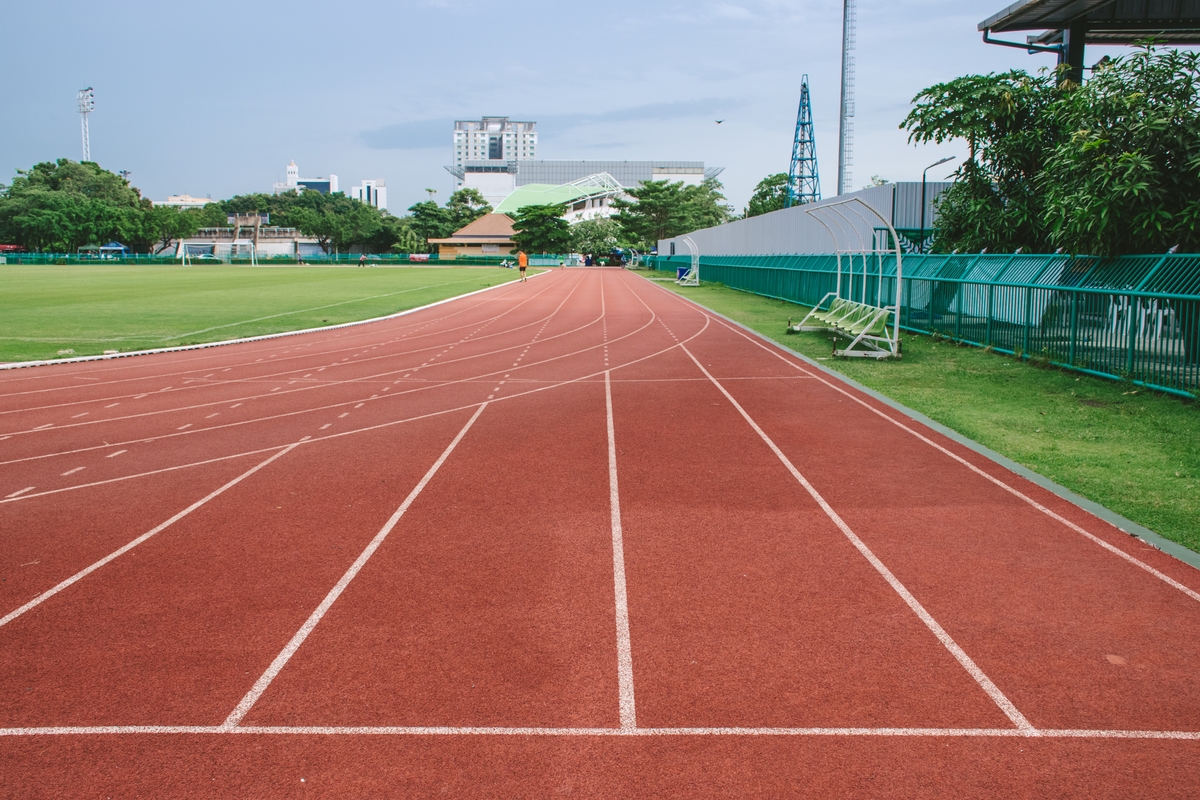
New indoor space on campus offers a chance to align school calendars, club access, and community events. That alignment matters because steady practice time and clear schedules build measurable progress for athletes.
Why infrastructure matters for developing athletes
Reliable indoor venues give athletes consistent practice windows, sports-medicine assistance, and sports-science access. These elements mirror the functions USOPC cites for training centers: sport-specific space, medical care, performance labs, and the ability to host competition.
How college athletics, youth activities, and community events link to the pipeline
Campus resources often act as shared anchors. Student teams use the site daily, while youth leagues and community events bring early engagement and identification.
“Access to time and space determines whether preparation is routine or occasional.”
In short, commitment from institutions makes success more likely by giving athletes steady access, quality coaching, and repeated competition opportunities.
Nevada Olympic Sports Programs Emerging Talent Training Facilities: the UNR Fieldhouse project in focus

With final sign-off from the board regents, we now have a clear project timeline and site plan that will guide construction and campus use.
Board approval and timeline
The Board of Regents gave final approval on June 13, 2025, unlocking the project to move forward. Groundbreaking is planned for fall 2025. Completion is targeted for fall 2026, with some reports noting an expected finish by summer 2026.
Site placement and preparation
The new building will sit adjacent to the southeast entrance of Mackay Stadium, on the former tennis-courts turned parking lot. Crews will raise the site roughly four feet to match Wolf Pack Park grade. This site work improves drainage and long-term durability against adverse weather.
Interior, capacity, and event use
The indoor facility totals 72,000 square feet and includes 110 yards of turf plus multipurpose recreation space. Projected capacity is about 1,500 people. That capacity lets campus leaders schedule not only daily training for athletes but also community events, concerts, youth activities, and pregame tailgating.
| Feature | Size / Count | Purpose | Notes |
|---|---|---|---|
| Footprint | 72,000 sq ft | Indoor practice and recreation | Multipurpose layout for flexible scheduling |
| Turf | 110 yards | Full-field drills, indoor events | assistances year-round preparation |
| Capacity | ~1,500 | Small competitions, gatherings | Offers expanded event options on campus |
| Site work | Raised ~4 ft | Grade matching with Wolf Pack Park | Includes resurfacing of two turf fields |
“Final approval lets the project move from planning to construction and gives campus groups a predictable timeline.”
How the new indoor facility changes year-round training conditions in Reno
A campus indoor venue changes daily planning by removing weather as a limiting factor for practice. That shift affects how we schedule sessions, manage athlete load, and measure progress across the academic year.
Weather-proof preparation for high-heat summers and cold-winter days
High summer heat and winter cold used to force cancellations or shortened drills. An indoor option means fewer lost sessions and more predictable weekly blocks.
Consistent practice lets athletes repeat technical work, maintain conditioning cycles, and follow load-management plans without weather interruptions.
Conditioning space and practice flexibility across Nevada Athletics
The fieldhouse creates room for rotation: turf work, strength sessions, and recovery drills can run in parallel rather than competing for outdoor windows.
- Fewer canceled sessions and steadier weekly planning.
- Improved load management and repeatability for skill work.
- Broader access across multiple teams and student athletes.
Coaches call the change a “gamechanger” for preparation and recruiting; operationally, the building raises the daily standard. More predictable access reduces stress, protects study time, and assistances long-term success at the program level.
Which teams and student groups benefit most from the fieldhouse and resurfaced fields
Here we map the primary users who will gain reliable access and improved daily preparation from the new indoor field and upgraded outdoor surfaces.
Football: indoor continuity
Football gets dedicated space to keep weekly work consistent. Indoor practice continuity reduces lost reps during extreme heat or cold. That steadiness helps conditioning and progress across the season.
Women’s soccer: safer, year-round prep
Coaches cite a safer, climate-controlled area for women to develop technical skills. Regular indoor access assistances readiness for conference play and day-to-day development.
Softball: batting cages and offseason work
Planned batting cages give softball squads concrete offseason preparation. After a first conference championship, the team can sustain momentum with reliable reps and focused skill work.
Intramurals, clubs, and broader student body
Resurfacing at Wolf Pack Park and John Sala Intramural Field improves daily reliability for intramurals and club teams. The large, flexible space opens scheduling opportunities and reduces conflicts at peak times.
Bands, spirit squads, ROTC, ASUN, and community use
The marching band, spirit teams, ROTC, and student government can run rehearsals, drills, and events without displacing athletics priorities. Community events and pregame activities become practical extensions of multiuse space.
- Benefits extend to all 17 wolf pack teams and many student athletes.
- Improved access raises overall campus experience and participation opportunities.
Project cost, financing structure, and what it means for long-term campus capacity
We examine the project’s cost and payment plan to clarify how the building and field will serve campus life for decades. Clear numbers help explain how steady commitment assistances daily access and long-term operations.
Reported construction and field resurfacing figures
The reported construction cost for the fieldhouse is about $32 million. Separately, resurfacing for Wolf Pack Park and the John Sala Intramural Field is estimated at $4 million combined. We separate these totals so readers see construction versus site work at a glance.
The $3.50 per-credit student fee and projected totals through 2056
A $3.50 per-credit student fee was approved by the Board of Regents in December. Projected revenue from that fee is roughly $76.9 million through 2056. That long timeline shows institutional commitment to assistance ongoing operations and maintenance.
How the sublease payment schedule shapes multi-decade facility planning
The facility will be paid via a sublease with projected payments totaling about $64.1 million through the final payment in 2056. Multi-decade payments allow the school to budget for staffing, maintenance, and predictable hours for athletes and the student body.
“Stable financing translates into reliable hours, routine maintenance, and clearer preparation windows for teams and campus groups.”
- Board of Regents approvals link governance to financial commitment and long-term success.
- Steady assistance helps ensure capacity: more usable hours, better scheduling resilience, and improved preparation for athletes and campus groups.
How Nevada’s facilities compare with US Olympic & Paralympic training centers
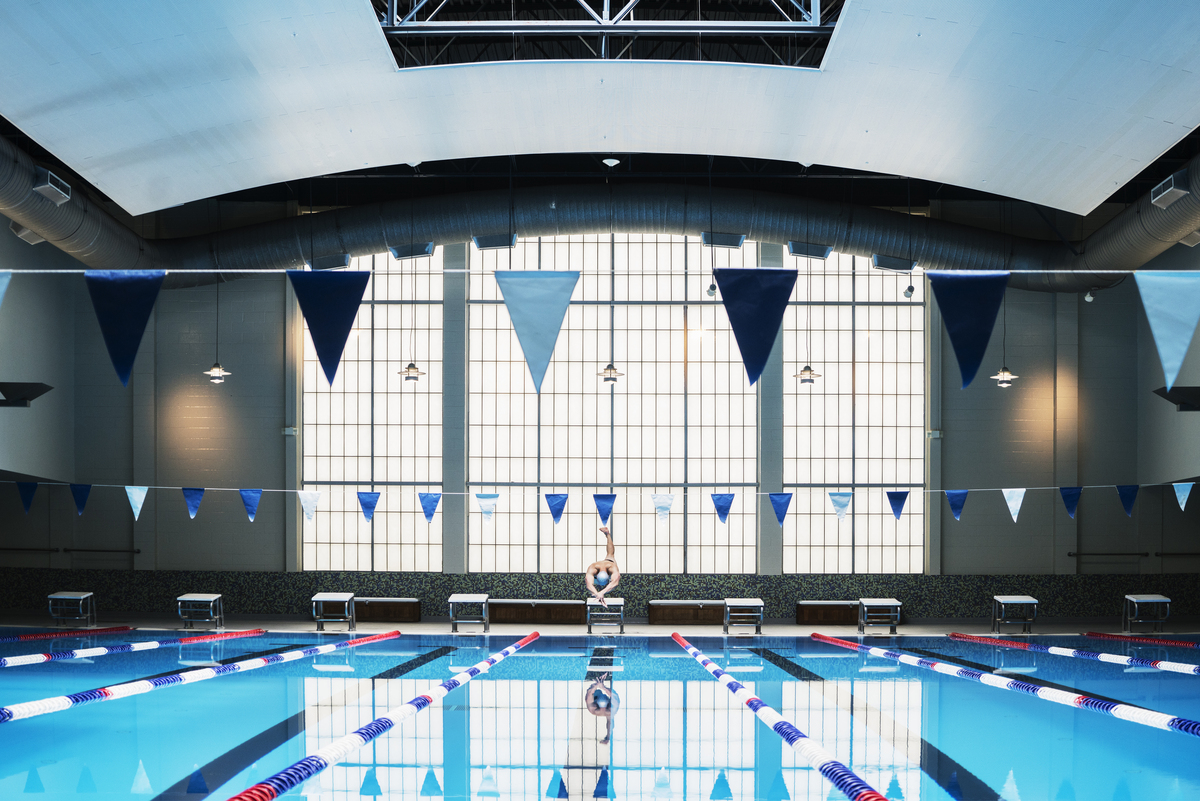
Examining national training hubs helps us identify practical design and scheduling ideas for a campus-level indoor center. We compare models that prioritize sport-specific space, integrated performance services, and multiuse campus hosting.
Colorado Springs: integrated science and medicine
Colorado Springs emphasizes sport-specific venues alongside sports medicine and science teams. Daily access to therapists and performance staff assistances consistent progress.
Lake Placid: specialization and cross-training
Lake Placid shows how geography shapes priorities. Targeted infrastructure delivers year-round continuity for winter-focused disciplines while allowing cross-training for other athletes.
Chula Vista: venue depth for multiple sports
Chula Vista demonstrates a campus with diverse outdoor and indoor venues that host soccer, softball, and track & field while assistanceing development-level events.
What we can borrow
- Scheduling frameworks that protect predictable practice windows.
- Wraparound services: medical, nutrition, and performance psychology.
- Shared recovery and multiuse spaces that reduce conflicts.
“Stable access, integrated assistance, and clear scheduling raise preparation quality without needing a national center.”
| Model | Core Strength | Campus lesson | |
|---|---|---|---|
| Colorado Springs | Integrated sports science | Embed medical assistance into daily routines | |
| Lake Placid | Specialized infrastructure | Match facility design to seasonal needs | |
| Chula Vista | Venue variety | Plan flexible spaces for multiple uses | |
Where emerging talent fits in: recruitment, development opportunities, and athlete experience
When campus schedules guarantee usable hours, athletes and staff can focus on progress instead of logistics. Reliable access makes daily planning simpler and keeps weekly work blocks intact.
How facility access can influence athlete development and retention
Consistent training increases technical repetitions and reduces weather-driven cancellations. That steadiness speeds skill gains and helps retention by lowering daily friction for recruits.
What “student-athlete experience” looks like with indoor space on campus
We define the experience in practical terms: time efficiency, predictable practice locations, and safer environments. Predictable routines protect study time and make balancing class and practice easier.
How multipurpose buildings can raise the level of training, events, and community engagement
Multipurpose design expands opportunities for intramurals and planned events while assistanceing varsity program schedules. More usable hours mean teams can ramp intensity and keep timing even when outdoor fields are unusable.
- Better access yields more measurable progress and steady program growth.
- Recruiting benefits when prospects see modern, reliable daily operations.
- Incremental level gains add up: improved habits, continuity, and higher chances of long-term success.
“Coaches call the change a ‘gamechanger’ for recruits and year-round preparation.”
Conclusion
As the project moves from design to dirt, we see a clear, practical outcome: a predictable hub for year-round practice and events. Groundbreaking is set for fall 2025 with a targeted finish in 2026.
The fieldhouse totals 72,000 square feet with 110 yards of indoor turf, a multipurpose layout and roughly 1,500 capacity. Those specs matter to day-to-day operations: more usable hours, reliable weekly blocks, and flexible event hosting.
We expect stronger summer preparation, steadier school schedules, and wider access for the Wolf Pack and nevada athletics community. The project offers a case study in aligning athletic development, campus recreation, and event-ready space without claiming national center status.
Learn More About the NIL Landscape
Name, Image, and Likeness plays an increasing role in college sports, and understanding how it works often requires more than individual articles or news updates.
RallyFuel is a platform focused on NIL-related topics across college athletics. It brings together information about athletes, NIL activity, and the broader structure behind modern college sports, helping readers explore the topic in more depth.
👉 Explore the Athletes on RallyFuel – Discover top college athletes, compare NIL valuations, and dive deeper into the world of NIL.
FAQ
What is the scope of the UNR Fieldhouse project and why does it matter?
The fieldhouse is a 72,000-square-foot indoor facility with 110 yards of turf and flexible multipurpose space. We see it as a campus asset that assistances year-round training, events, and community programs. It raises practice quality for teams, offers safe space during extreme weather, and creates new opportunities for youth clinics, camps, and regional competitions.
When did the Board of Regents approve the project and what is the timeline through 2026?
The Board of Regents approved the project following university planning and budget reviews. Construction milestones run through 2026 for site preparation, building erection, and field resurfacing. We expect phased access as areas are completed to accommodate teams and student activities.
Where will the building sit on campus and how is the site being prepared?
The fieldhouse will be located on university-owned land near existing athletics facilities to streamline access for Nevada Athletics and campus partners. Site work includes grading, utilities, and resurfacing of adjacent fields to integrate circulation, parking, and event logistics.
What types of spaces are inside the new facility?
Inside, we will have a long indoor turf field suitable for football, soccer, and multipurpose drills, plus flexible courts, strength and conditioning zones, and assistance rooms for sports medicine and coaching. The layout prioritizes quick reconfiguration for practices, camps, and community events.
How will projected capacity affect events and campus scheduling?
The facility’s capacity assistances team practices, smaller spectator events, and multi-session youth programs. We will coordinate schedules with athletics, student organizations, and community partners to maximize use while preserving academic and campus life needs.




Leave a Comment