
For decades, the Sarasota bayfront campus of New College of Florida was known exclusively for its rigorous academics and eclectic student culture. Today, a new energy has arrived, characterized by the sounds of athletic practice and the complex opportunities of new college of florida nil deals. This shift from a purely intellectual haven to a home for intercollegiate athletics has introduced modern economic realities that extend far beyond the playing field.
Summary
New College of Florida is embracing NIL as a modern work-study pathway, prioritizing micro-NIL partnerships with Sarasota businesses over splashy national deals. Florida law safeguards scholarships, allows professional representation, and requires financial literacy, while NCF compliance enforces genuine deliverables and prohibits vice-industry endorsements. Students can find opportunities via NIL marketplaces, fan-led collectives, and direct local outreach, leveraging community ties for steady income. Beyond earnings, NIL activity builds career-ready skills in negotiation, branding, and finance that complement NCF’s academic mission.
Consider a realistic scenario under current Florida intercollegiate athletics NIL legislation: a Mighty Banyans basketball player doesn’t need a national TV spot to earn income. Instead, they might sign a contract to promote a café near the Ringling Museum. In practice, this “micro-NIL” approach allows students to act as local influencers, turning their community connection into tangible financial support for their education.
Navigating college athlete sponsorship often feels intimidating when headlines focus on million-dollar quarterbacks at massive universities. However, industry trends show that the vast majority of agreements are actually small-scale partnerships, a model that fits the tight-knit Sarasota market perfectly.
Local businesses are becoming key players in this transition, creating an ecosystem where academic discipline meets entrepreneurial spirit. New College students can thrive in this landscape without losing the school’s unique identity.
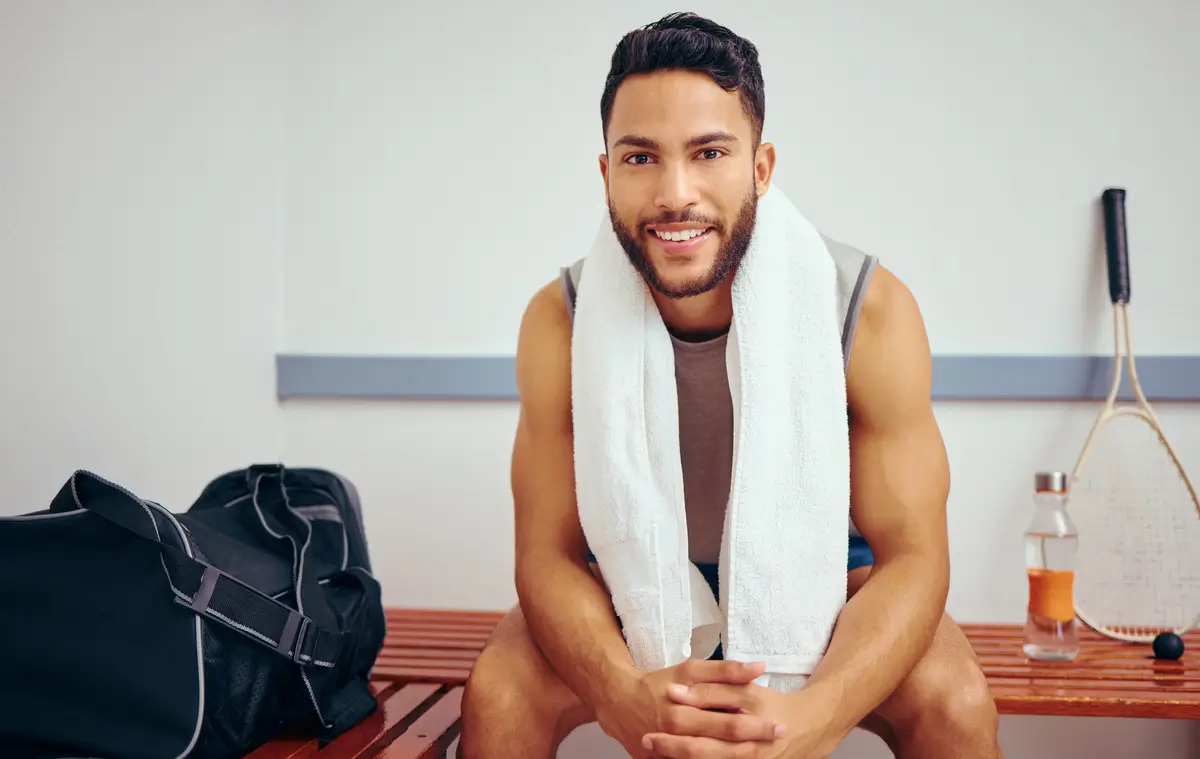
Image: A student-athlete in a New College of Florida uniform holding a branded water bottle while standing near the Sarasota bayfront.
The Student-Athlete ‘Work-Study’: Why Your Name and Image Are Your Biggest Assets at NCF
For generations, college financial aid typically meant shelving library books or swiping cafeteria cards between classes. Today, that concept has evolved into a “modern work-study” model known as NIL. Under these new rules, New College of Florida students are not paid salaries by the school to play sports—that remains strictly against amateur regulations. Instead, they earn money from third parties, such as local Sarasota businesses, by leveraging their personal brand identity.
This financial opportunity relies on three distinct pieces of legal property that every individual owns:
- Name: The right to use their actual identity on autographs, merchandise, or advertisements.
- Image: The usage of photographs or video footage of the student-athlete in action.
- Likeness: Representations of the person, such as digital avatars in video games, voice recordings, or cartoons.
You don’t need to be a national celebrity to monetize these assets. A student with a dedicated local following can earn money simply by recommending a favorite coffee shop or hosting a youth clinic. These earnings are completely separate from school-provided scholarships, creating a complex financial landscape that must adhere to specific regulations.
Navigating the Florida NIL Playbook: What New College Students Need to Know About State Law
While federal guidelines continue to evolve, the Sunshine State has established clear boundaries to protect student-athletes. Under current Florida intercollegiate athletics NIL legislation, colleges cannot revoke or reduce a scholarship simply because a student earns outside income. This legal firewall ensures a Mighty Banyan athlete can sign a promotional contract with a Sarasota restaurant without risking their tuition grant, keeping these third-party earnings distinct from institutional financial aid.
State rules explicitly grant students the right to professional representation. Unlike previous eras where hiring an agent meant immediate disqualification, NCF athletes are now permitted to retain attorneys or agents to review contracts. This provision is designed to prevent students from being taken advantage of, ensuring a teenager doesn’t inadvertently sign away their future rights for a small stipend.
To ensure these earnings provide long-term benefit, the state mandates that colleges provide five hours of financial literacy workshops covering entrepreneurship, taxes, and debt management. These sessions turn sports contracts into real-world business lessons, positioning New College students to maximize local opportunities even without a national television audience.
Small School, Big Impact: Why NCF Athletes Can Outperform Through ‘Micro-NIL’ Strategies
Lucrative sponsorship opportunities are not exclusive to athletes appearing on national television every Saturday; the reality at New College is quite different. The impact of brand deals on New College recruitment relies less on national fame and more on community connection. While giants like the University of Florida chase million-dollar contracts, smaller institutions thrive in the ecosystem of “Micro-NIL.”
This strategy involves student-athletes securing consistent partnerships ranging from $500 to $5,000 rather than holding out for one massive payday. For a local Sarasota coffee shop or boutique, a Mighty Banyan athlete represents an authentic voice that speaks directly to their actual customers. These agreements function like modern work-study programs, offering meaningful financial support without the pressure of maintaining a viral social media presence.
When weighing the pros and cons of NIL for small liberal arts schools, the primary advantage is this hyper-local focus. A student at a massive university is often just one of thousands, but an NCF athlete can become a recognizable “hometown hero” to local businesses. This tight-knit environment allows students to build genuine relationships with sponsors rather than getting lost in the crowd.

Connecting with the Marketplace: Three Ways Sarasota Students Can Secure Their First Sponsorship
Finding that first opportunity often begins with digital tools designed specifically to bridge the gap between businesses and students. Just as job seekers use LinkedIn, student-athletes now utilize specialized NIL marketplace platforms for Florida student athletes, such as Opendorse or INFLCR, to showcase their availability. These apps allow students to create a professional profile, set their rates for social media posts or appearances, and browse open opportunities without needing a high-powered agent.
Beyond individual apps, funding often comes from groups known as “Collectives.” While a standard endorsement is a contract with a single company, a collective functions like a digital hat passed around by fans and boosters who pool money to pay athletes for community work or appearances. Understanding the difference between NIL collective vs individual endorsements for NCF is crucial: one is about promoting a specific product (like a pizza shop), while the other is about engaging with the fan base as a whole.
For those who prefer a personal touch, simple networking remains the most effective tool in a tight-knit city like Sarasota. Following specific steps can turn a casual conversation into a contract:
- NIL Marketplace Apps: Register on platforms like Opendorse to become visible to national brands.
- Fan-Led Collectives: Engage with booster-driven groups for community-focused opportunities.
- Direct Local Business Outreach: Pitch a “Micro-NIL” idea to a favorite local spot, focusing on how you can help them grow.
Before signing on the dotted line, however, students must verify that the deal is valid to avoid compliance issues.
Avoiding the ‘Red Zone’: Navigating NCF Compliance Rules to Keep Your Scholarship Safe
Securing a sponsorship feels like a victory, but accepting the wrong partnership can jeopardize an athlete’s collegiate eligibility. New College enforces strict boundaries on the types of industries students can endorse to ensure alignment with educational values. This typically means steering clear of “vice” categories; promoting gambling, alcohol, tobacco products, or adult entertainment is almost universally off-limits. Before agreeing to wear a logo or post an ad, athletes must consult NCF athletic department compliance guidelines to ensure the brand doesn’t fall into a prohibited zone.
Beyond who you work with, the specific nature of the arrangement matters just as much. The golden rule is that there must be a genuine exchange of value—money for a service, like signing autographs or hosting a camp. It cannot be “pay-to-play,” where cash is simply handed over to reward a touchdown or convince a recruit to enroll. Compliance requirements for Florida collegiate sports contracts mandate that specific deliverables are outlined in writing to prove the athlete is actually working for their compensation.
Transparency is the final piece of the puzzle for keeping a scholarship safe. Students generally must disclose every proposed deal to the athletic compliance office before performing any work, creating a necessary paper trail. Once these regulatory boxes are checked, the student is free to focus on building genuine relationships within the community.
The Sarasota Connection: Turning Local Coffee Shops and Gyms into NIL Partnerships
In Sarasota, you don’t need national fame to drive real business results. Local establishments, from Main Street cafés to boutique gyms, crave authentic connections with the community more than expensive billboards. The benefits of brand partnerships for New College students often rely on “micro-influencing,” where a smaller, highly engaged audience of classmates and neighbors holds more weight than a passive national following.
Unlike big brands chasing millions of views, a local pizza shop cares about who actually walks through the door. This reality changes the math for maximizing social media value for Sarasota college players, shifting the priority from follower counts to active engagement rates. Creative deal structures work best here; imagine a pitcher promoting a “Signature Banyan Smoothie” for a share of sales, or a soccer player hosting a meet-and-greet at a grand opening.
These collaborations create a symbiotic relationship where businesses get hyper-local advertising and students learn entrepreneurship in real-time. Negotiating a contract for a social media post teaches professional skills that last far longer than a playing career.
Beyond the Paycheck: How NIL Deals Build Career Readiness for New College Graduates
While headlines focus on cash, the real value lies in professional experience. Monetizing a personal brand essentially creates a customized internship in entrepreneurship. This hands-on training develops crucial transferable skills:
- Contract Negotiation: Understanding legal deliverables and terms.
- Brand Management: Curating a professional public image.
- Tax/Financial Responsibility: Managing independent contractor income.
Most players won’t turn pro in sports, but they all enter the workforce. By prioritizing financial literacy for student-athletes at New College, these deals become resume builders rather than just short-term payouts. Mastering these mechanics lays the groundwork for success long after graduation.
Winning Off the Field: The Future of Intercollegiate Athletics at New College of Florida
New College of Florida NIL deals transform how we view the intersection of liberal arts and athletics. Name, Image, and Likeness acts as a practical extension of NCF’s mission for individualized learning, allowing students to build business acumen alongside their degrees. These contracts create sustainable partnerships that benefit the student and Sarasota’s economy alike, proving that sports business isn’t just for massive universities.
To engage with this landscape, follow athletic updates and support local sponsors. Prospective athletes should approach every Florida NIL deal as a chance to balance personal branding with academic rigor. This integration of commerce and curiosity offers a fresh template for small-college sports, redefining what it means to be a student at New College.
Learn More About the NIL Landscape
Name, Image, and Likeness plays an increasing role in college sports, and understanding how it works often requires more than individual articles or news updates.
RallyFuel is a platform focused on NIL-related topics across college athletics. It brings together information about athletes, NIL activity, and the broader structure behind modern college sports, helping readers explore the topic in more depth.
Q&A
Question: What does NIL look like at New College of Florida—are athletes paid by the school? Short answer: NIL at NCF functions like a modern work-study, but payments come from third parties, not the college. Students monetize their Name, Image, and Likeness—things like their identity on autographs (Name), photos/videos (Image), and representations like avatars or voice recordings (Likeness). Instead of salaries, athletes earn from local endorsements, social posts, appearances, or clinics—often as “micro-NIL” deals with Sarasota businesses—while keeping school scholarships separate and intact.
Question: Will NIL income affect my scholarship or eligibility, and can I hire an agent in Florida? Short answer: Under current Florida law, colleges can’t revoke or reduce your scholarship because you earn NIL income. The state also gives you the right to professional representation—agents or attorneys can review contracts without risking eligibility. To support long-term success, Florida requires colleges to provide five hours of financial literacy education covering entrepreneurship, taxes, and debt management.
Question: What is “Micro-NIL,” and why does it fit NCF and Sarasota so well? Short answer: Micro-NIL emphasizes steady, small-to-midsize partnerships (often in the $500–$5,000 range) over splashy national campaigns. In a tight-knit market like Sarasota, authentic local influence outperforms raw follower counts. An NCF athlete can become a recognizable hometown voice—promoting a café near the Ringling Museum or co-creating a “Signature Banyan” menu item—delivering real foot traffic and value to neighborhood businesses.
Question: How do I land my first deal, and what’s the difference between a collective and a standard endorsement? Short answer:
- Use NIL marketplaces like Opendorse or INFLCR to build a profile, set appearance/post rates, and browse offers.
- Engage fan-led collectives, which pool booster funds to compensate athletes for community work or appearances (collectives = engage the fan base; endorsements = promote a specific product or company).
- Pitch local businesses directly with a micro-NIL idea focused on measurable value (e.g., sales share, event turnout). Before signing, verify compliance: avoid vice categories (gambling, alcohol, tobacco, adult entertainment), ensure there are clear deliverables (no pay-to-play), get terms in writing, and disclose the proposed deal to NCF compliance before doing any work.
Question: Beyond the paycheck, how does NIL activity help my career after graduation? Short answer: NIL doubles as a hands-on business internship. You’ll practice contract negotiation, brand management, and tax/financial responsibility as an independent contractor. Combined with Florida’s required financial literacy training, these experiences turn local partnerships into resume-ready skills that align with NCF’s academic mission and pay dividends well beyond your playing days.


Leave a Comment