
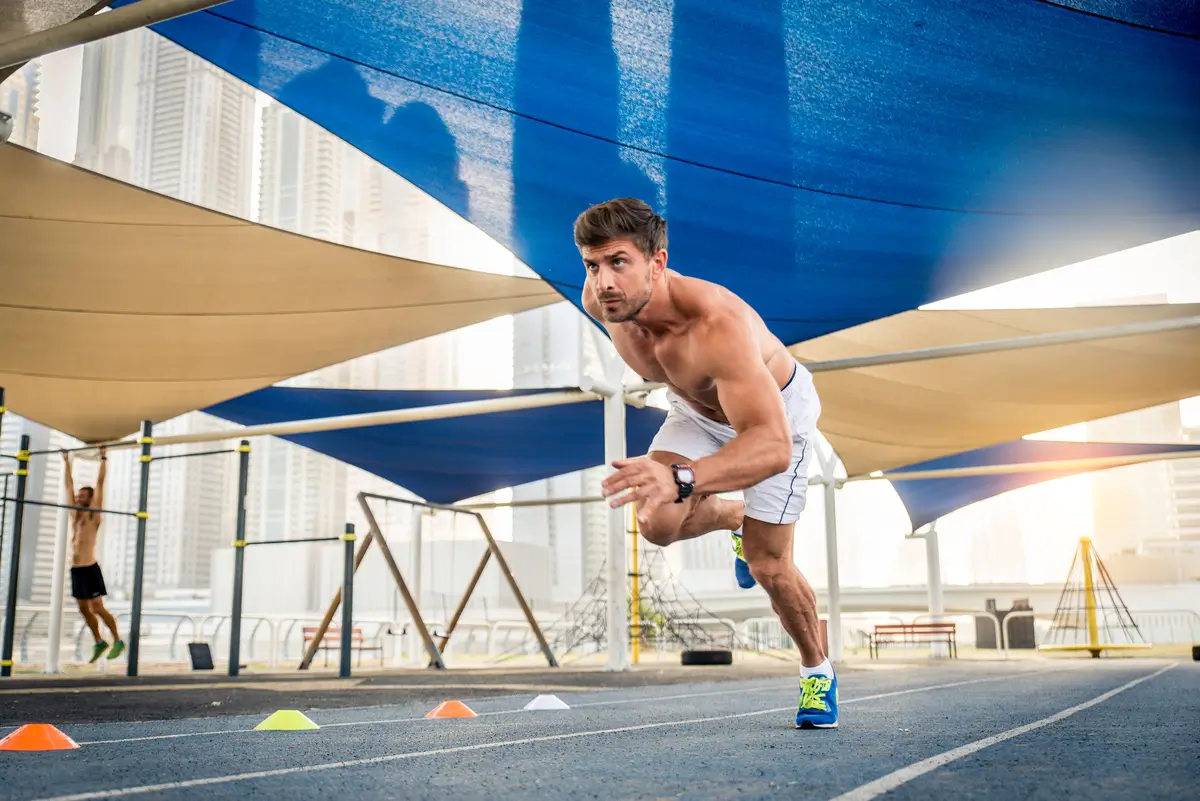
We are seeing a major shift in how competitors get ready for game day. Modern athlete training methods are evolving fast to meet the needs of the 21st century. This transformation ensures that players stay healthy and reach their peak performance.
The rise of emerging sports trends influences more than just physical power. It touches on recovery and mental well-being too. We want to help you understand these shifts so you can better follow your favorite athletes.
By focusing on holistic health, coaches now look at the whole person. We see that modern techniques provide a safer path for those in collegiate sports. This approach builds a bridge between physical effort and long-term vitality.
The Transformation of Athletic Training in the 21st Century
Modern athletes are redefining the boundaries of their training by adopting a multi-disciplinary approach, thereby changing the face of athletic preparation. This shift is driven by the need for athletes to be more versatile and resilient.
Traditionally, athletes specialized in a single sport, dedicating their training to mastering specific skills. However, the modern athletic landscape demands more. Athletes are now expected to excel across multiple disciplines, requiring a broader range of skills and physical attributes.
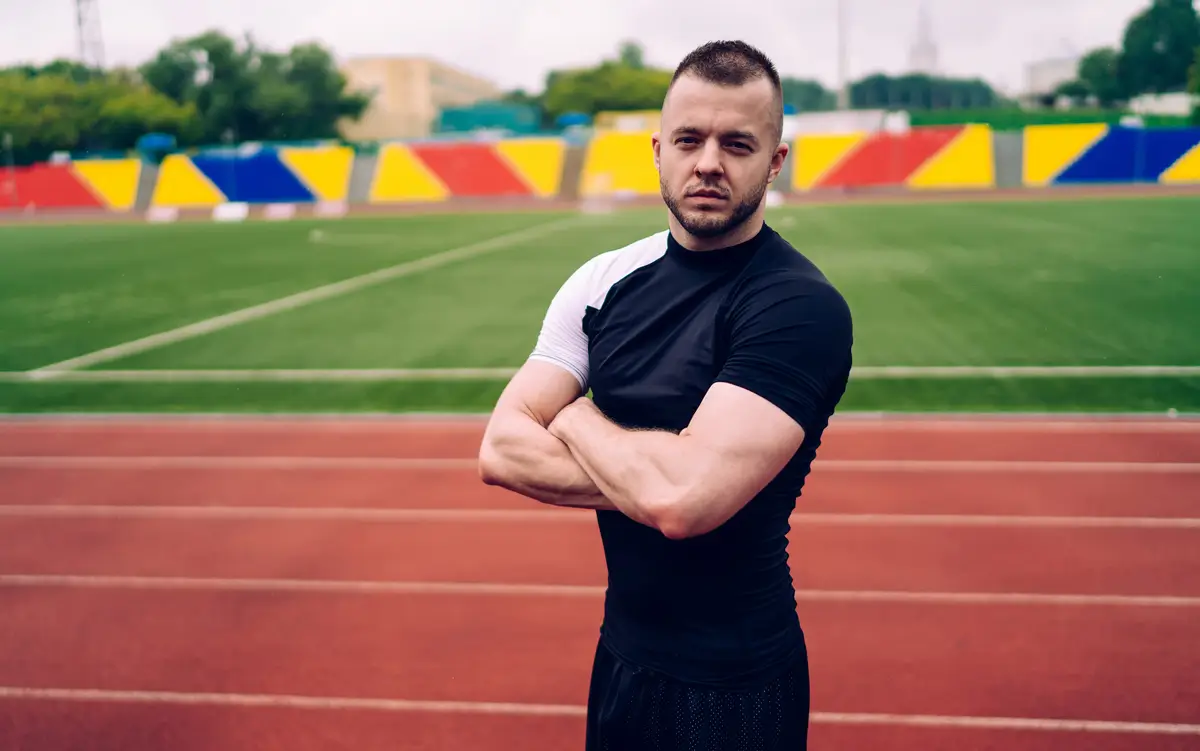
From Single-Sport Specialists to Multi-Discipline Athletes
The transition from single-sport specialists to multi-discipline athletes is a significant trend in modern sports. This shift is driven by the benefits of varied training, including improved overall fitness and reduced risk of overuse injuries.
| Characteristics | Single-Sport Specialists | Multi-Discipline Athletes |
|---|---|---|
| Training Focus | Narrow, sport-specific training | Diverse, multi-disciplinary training |
| Injury Risk | Higher risk of overuse injuries | Lower risk due to varied training |
| Overall Fitness | Limited to specific sport demands | Enhanced overall fitness and resilience |
The Demand for Holistic Preparation Methods
As athletes engage in multiple disciplines, there is a growing demand for holistic preparation methods that address their diverse needs. Holistic training encompasses not just physical conditioning but also mental preparation and recovery techniques.
By adopting holistic preparation methods, athletes can improve their performance across different disciplines and maintain a balanced training regimen. This approach is essential for the modern athlete, who must be prepared to adapt to various training demands.
Emerging Sports Disciplines Reshaping the Athletic Landscape
Emerging sports disciplines are redefining the boundaries of athletic performance. The athletic landscape is evolving, with new sports and training methods emerging to challenge traditional notions of athleticism.
To learn more about how new events are shaping the Olympics, check out our guide to new disciplines at the 2026 Winter Games.
E-Sports: Redefining Physical and Mental Athleticism
E-sports has emerged as a significant discipline, requiring athletes to possess quick reaction times, good hand-eye coordination, and postural endurance due to prolonged gaming sessions.
Reaction Time and Hand-Eye Coordination Training
E-sports athletes engage in specific training to enhance their reaction times and hand-eye coordination. This includes specialized exercises and video game-specific training to improve performance.
Postural Endurance and Ergonomic Conditioning
Given the sedentary nature of e-sports, athletes also focus on postural endurance and ergonomic conditioning to prevent injuries and maintain performance over long gaming sessions.
Parkour: The Rise of Functional Movement Training
Parkour has gained popularity, emphasizing functional movement training that includes spatial awareness and environmental adaptation.
Spatial Awareness and Environmental Adaptation
Parkour athletes train to navigate complex environments efficiently, developing spatial awareness and adapting to different terrains and obstacles.
Mixed Martial Arts: Cross-Training Integration
Mixed Martial Arts (MMA) has become a prominent discipline, integrating various martial arts and combat sports techniques. MMA training involves cross-training in different disciplines to create well-rounded athletes.
Modern athletes are navigating diverse opportunities both in performance and personal branding — check out how RallyFuel helps athletes leverage emerging trends.
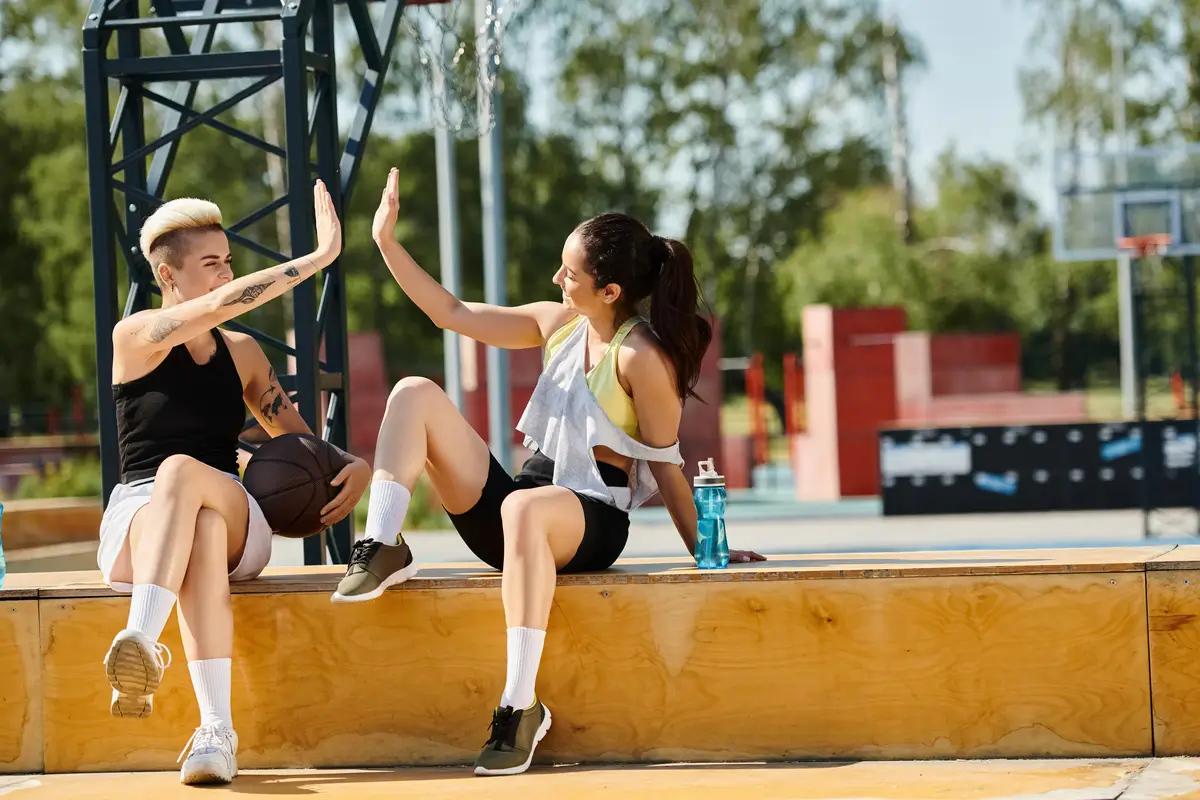
How New Disciplines Change Athlete Preparation
New disciplines are forcing a paradigm shift in how athletes train and prepare. The traditional methods are being complemented with innovative approaches to enhance performance and resilience.
Blending Traditional and Unconventional Training Methods
Athletes are now combining conventional training techniques with unconventional methods to achieve a competitive edge. For instance, incorporating elements of dance or gymnastics into their regimen can improve flexibility and coordination.
This blend of methods not only enhances physical attributes but also mental toughness, as athletes learn to adapt to diverse training environments.
Emphasis on Movement Quality Over Repetition
There’s a growing emphasis on the quality of movement rather than just the quantity of repetitions. Functional training exercises that mimic real-life movements or specific sports actions are becoming more prevalent.
By focusing on movement quality, athletes can reduce the risk of injury and improve overall performance.
Building Versatile Athletic Foundations
New disciplines require athletes to have a versatile athletic foundation, encompassing strength, endurance, agility, and flexibility. Cross-training is a key strategy in developing this foundation.
With a diverse training routine, athletes can develop a strong base that enhances their ability to perform in multiple disciplines.
Technology-Driven Training Innovations
Technological advancements are transforming the landscape of athletic training, offering unprecedented opportunities for improvement. As athletes and coaches continually seek innovative methods to gain a competitive edge, technology has become an indispensable tool in modern sports preparation.
Wearable Technology for Real-Time Performance Tracking
Wearable technology has emerged as a game-changer in athlete training, enabling real-time monitoring of physiological and biomechanical data. This allows for more precise and timely adjustments to training regimens.
For more insights on how digital platforms are transforming athlete development and opportunities, see how RallyFuel’s model benefits athletes off the field.
Heart Rate Variability Monitoring
Heart rate variability (HRV) monitoring is a critical aspect of wearable technology. HRV provides insights into an athlete’s autonomic nervous system, helping coaches tailor training intensity and recovery strategies. By analyzing HRV data, athletes can optimize their training loads and avoid overtraining.
Biomechanical Movement Analysis
Wearable devices equipped with biomechanical sensors analyze an athlete’s movement patterns, identifying areas for improvement and reducing the risk of injury. This technology is particularly valuable in sports requiring precise technique, such as gymnastics or golf.
Virtual Reality and Simulated Training Environments
Virtual reality (VR) technology is being increasingly adopted in sports training to create immersive, simulated environments. This allows athletes to practice and perfect their skills in a controlled, risk-free setting.
AI-Powered Training Optimization
AI-powered training optimization uses machine learning algorithms to analyze athlete data, predict performance outcomes, and recommend personalized training plans. This cutting-edge technology is revolutionizing the way athletes prepare for competition.
Advanced Recovery Protocols for Modern Athletes
Recovery is no longer just a passive process; it’s an active component of an athlete’s training regimen. As athletes continue to push their bodies to new heights, the importance of effective recovery techniques cannot be overstated. Modern athletes are turning to a variety of advanced recovery protocols to enhance their performance and reduce the risk of injury.
Cryotherapy and Contrast Temperature Therapy
Cryotherapy, which involves exposure to extremely low temperatures, has gained popularity among athletes for its ability to reduce inflammation and promote recovery. Contrast temperature therapy, alternating between hot and cold temperatures, is also used to enhance circulation and aid in the removal of waste products from the muscles.
Percussion Therapy and Myofascial Release
Percussion therapy, using devices like percussion guns, helps to release tension in the muscles and improve blood flow. Myofascial release techniques target the connective tissue surrounding muscles, helping to reduce pain and improve range of motion.
Sleep Optimization and Circadian Rhythm Management
Sleep is a critical component of recovery. Sleep optimization involves creating an environment conducive to restful sleep, while circadian rhythm management ensures that the body’s internal clock is aligned with the athlete’s training schedule.
Sleep Tracking and Analysis
Utilizing wearable technology to track sleep patterns allows athletes to gain insights into their sleep quality. By analyzing this data, athletes can make informed decisions to improve their sleep hygiene and overall recovery.
Nutrition Science for Multi-Dimensional Performance
As athletes increasingly diversify their training across multiple disciplines, understanding the nuances of nutrition science becomes crucial for optimizing performance. The nutritional demands of modern athletes vary significantly depending on their specific training regimens, making a one-size-fits-all dietary approach obsolete.
Macronutrient Timing for Diverse Training Demands
The timing of macronutrient intake is critical for athletes engaged in diverse training disciplines. Carbohydrate loading before high-intensity events, for instance, can significantly enhance performance. During lower-intensity training phases, a protein-rich diet can help promote muscle recovery and repair.
Micronutrient Optimization and Genetic Testing
Micronutrients play a vital role in energy production and recovery. Genetic testing can provide insights into an athlete’s nutritional needs, allowing for personalized supplementation. For example, certain genetic variations can affect an athlete’s ability to metabolize specific vitamins and minerals.
Hydration Strategies for Different Discipline Requirements
Hydration is equally important, with different disciplines requiring tailored hydration plans. Endurance athletes, for instance, need to replenish electrolytes lost during prolonged activities. A well-structured hydration strategy can prevent dehydration and maintain peak performance.
By applying these nutrition strategies, athletes can fine-tune their diets to match their training needs and improve performance across disciplines.
Mental Conditioning and Cognitive Training
As athletes push the boundaries of physical performance, mental conditioning has emerged as a critical factor in achieving success. The mental aspect of sports preparation is becoming increasingly recognized, with various techniques being employed to enhance performance.
Mindfulness Meditation for Focus Enhancement
Mindfulness meditation is a powerful tool for improving focus and concentration. By training the mind to stay present, athletes can better manage distractions and maintain their composure under pressure. Regular mindfulness practice has been shown to enhance cognitive function, leading to improved decision-making and reaction times.
Visualization Techniques Across Sport Disciplines
Visualization is another effective mental training technique used across various sports disciplines. By vividly imagining their performance, athletes can mentally rehearse their actions, build confidence, and prepare for different scenarios. This technique is particularly useful for athletes looking to perfect their technique or prepare for high-pressure situations.
Stress Management and Performance Anxiety
Stress management is crucial for athletes, as excessive stress can negatively impact performance. Techniques such as deep breathing, progressive muscle relaxation, and cognitive restructuring can help manage stress and anxiety.
Breathing Techniques and Autonomic Nervous System Control
Breathing techniques, in particular, play a significant role in controlling the autonomic nervous system, helping athletes to calm their nerves and maintain focus. By regulating their breathing, athletes can mitigate the physiological effects of stress and perform at their best.
Conclusion
The evolution of athlete preparation is being driven by emerging sports trends, which are redefining traditional athlete training methods. As we’ve explored, the integration of technology-driven training innovations, advanced recovery protocols, and nutrition science is transforming the way athletes prepare and perform.
These emerging sports trends are enhancing athletic performance while prioritizing overall well-being. Athletes now adopt a holistic approach to training, incorporating diverse disciplines to achieve optimal results.
By recognizing these shifts, athletes, coaches, and fans can keep pace with modern training and reach new levels of performance. The future of athlete preparation will be shaped by innovative training, recovery, and nutrition approaches, driven by emerging sports trends and evolving athlete training methods.
Learn More About the NIL Landscape
Name, Image, and Likeness plays an increasing role in college sports, and understanding how it works often requires more than individual articles or news updates.
RallyFuel is a platform focused on NIL-related topics across college athletics. It brings together information about athletes, NIL activity, and the broader structure behind modern college sports, helping readers explore the topic in more depth.
FAQ
Why are modern athletes shifting from single-sport specialization to multi-discipline training?
We are observing a significant shift because the 21st-century athletic landscape demands a more versatile athletic foundation. By engaging in multiple disciplines, you can enhance your overall fitness and significantly reduce the risk of overuse injuries. This holistic preparation method ensures that your body is resilient and adaptable to various physical challenges rather than being limited by repetitive movements.
How do emerging disciplines like e-sports and parkour redefine our understanding of athleticism?
These disciplines challenge traditional definitions by highlighting unique physical and mental requirements. For instance, e-sports requires elite reaction time, hand-eye coordination, and postural endurance during intense competition. Meanwhile, parkour focuses on spatial awareness and environmental adaptation. These sports teach us that movement quality and functional movement training are just as vital as raw strength or speed.
What role does wearable technology play in modern athlete preparation?
Technology-driven innovations provide us with real-time data that was previously inaccessible. By using wearable technology such as WHOOP or Oura rings, we can monitor Heart Rate Variability (HRV) and conduct biomechanical movement analysis. This data allows you to make precise adjustments to your training load, ensuring you train at peak efficiency while avoiding burnout.
How can virtual reality and AI improve my training outcomes?
We utilize Virtual Reality (VR) to create simulated training environments where you can practice decision-making and spatial skills without the physical toll of a full practice. Additionally, AI-powered training optimization analyzes your performance metrics to create personalized regimens. These tools are becoming standard for athletes looking to gain a competitive edge through cognitive training and data-backed strategies.
Which advanced recovery protocols are most beneficial for high-intensity athletes?
For effective recovery, we suggest combining cryotherapy, contrast temperature treatments, and percussion therapy with tools such as the Theragun. Furthermore, sleep optimization and circadian rhythm management are critical. Using sleep tracking technology helps ensure that your body is undergoing the necessary repair processes to perform the following day.
How does nutrition science adapt to the needs of multi-discipline athletes?
Modern nutrition science focuses on macronutrient timing to meet the diverse energy demands of different training sessions. We also see a rise in micronutrient optimization guided by genetic testing to identify specific deficiencies. Tailored hydration strategies are also essential, as the fluid requirements for an MMA session differ significantly from those of endurance-based training.
What mental conditioning techniques help manage performance anxiety?
We advocate for mindfulness meditation and visualization techniques to enhance focus and mental clarity. To manage performance anxiety, we focus on autonomic nervous system control through specific breathing techniques. These methods empower you to remain calm under pressure and maintain a high level of cognitive performance during critical moments in competition.

Leave a Comment