
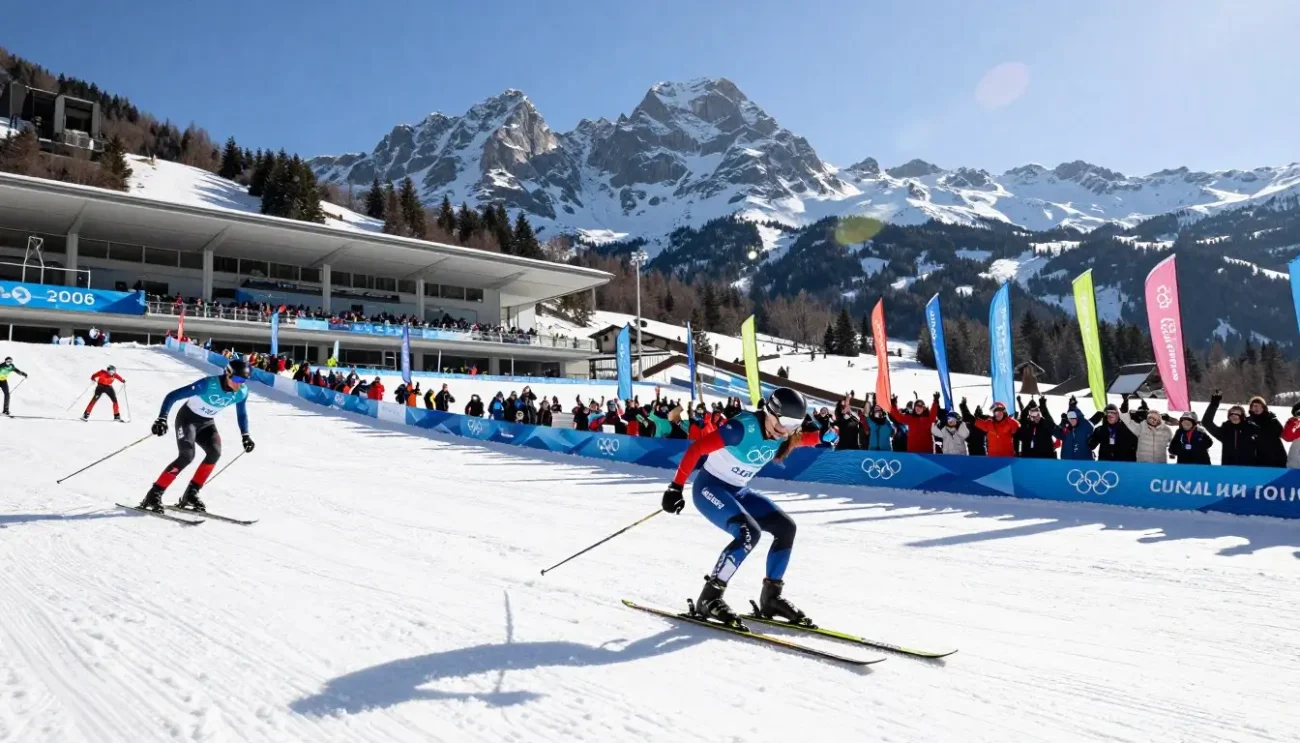
The 2026 Winter Olympics are set to feature exciting changes, with the introduction of new sports aimed at enhancing youth appeal and promoting gender equality.
As we look forward to the 2026 Winter Olympics, it’s clear that the Olympic Committee’s Vision is to modernize the games while maintaining their traditional spirit.
We will explore the reasoning behind the inclusion of these new sports and what they mean for the future of the Olympics.
The Evolution of Winter Olympic Sports
The evolution of Winter Olympic sports is a story of continuous change, reflecting the IOC’s efforts to keep the Games fresh and relevant. As we look forward to the 2026 Winter Olympics, it’s essential to understand the historical context and the IOC’s modernization strategy that have shaped the event into what it is today.
Historical Perspective on Olympic Discipline Additions
Historically, the IOC has added new disciplines to the Winter Olympics to reflect changing athlete capabilities, technological advancements, and shifting societal values. This adaptability has been crucial in maintaining the Games’ appeal across generations.
The IOC’s Modernization Strategy
The IOC’s modernization strategy is multifaceted, focusing on enhancing youth appeal and promoting gender equality. By incorporating new sports and modifying existing disciplines, the IOC aims to make the Winter Olympics more dynamic and inclusive.
Youth Appeal and Engagement
To engage younger audiences, the IOC has introduced sports that are popular among youth, such as skateboarding and snowboarding, which have been successful in drawing a new generation of fans to the Olympics and reflecting broader shifts in modern college athletics and athlete-focused coverage.
Gender Equality Initiatives
Gender equality is another critical aspect of the IOC’s strategy. The committee has implemented various initiatives to ensure that the Winter Olympics feature a more balanced representation of male and female athletes, including the addition of women’s events in previously male-dominated sports.
| Year | New Discipline Added | Impact |
|---|---|---|
| 1998 | Snowboarding | Appealed to younger audiences |
| 2014 | Mixed Team Events | Enhanced gender equality |
| 2026 | Ski Mountaineering | Bringing new excitement to the Games |
Overview of the 2026 Milan-Cortina Winter Olympics
The 2026 Winter Olympics, hosted by Milan and Cortina, promise to be a landmark event in the world of winter sports. This joint effort between two renowned locations in Italy is set to bring together athletes and spectators from around the globe.
Host Cities and Venue Distribution
Milan and Cortina are the two host cities for the 2026 Winter Olympics. The event will take advantage of the existing infrastructure in both locations, with some venues already built for previous Winter Olympics. The distribution of venues between Milan and Cortina will ensure a balanced and efficient hosting of the Games.
- Milan will host ice sports and the opening ceremony.
- Cortina will host alpine skiing events and other snow sports.
- Other surrounding areas will host additional events, utilizing their natural landscapes.
Olympic Committee’s Vision for 2026
The International Olympic Committee (IOC) has outlined a vision for the 2026 Winter Olympics that focuses on sustainability, innovation, and athlete experience. The IOC aims to make the 2026 Games a model for future Olympics, incorporating new technologies and practices that reduce the environmental impact.
Key aspects of the IOC’s vision include:
- Reducing carbon footprint through sustainable practices.
- Incorporating new disciplines that appeal to younger audiences.
- Enhancing the athlete experience through improved facilities and services.
Sustainability Goals and Their Impact on Sport Selection
The sustainability goals set by the IOC have played a significant role in the selection of new disciplines for the 2026 Winter Olympics. The focus is on minimizing the environmental impact while promoting innovative and engaging sports.
By choosing sports that require minimal infrastructure and have a low environmental impact, the IOC aims to set a new standard for future Olympic Games.
New Disciplines at the 2026 Winter Olympics
With the 2026 Winter Olympics on the horizon, the IOC has announced several new additions to the Olympic program, reflecting a commitment to innovation and inclusivity. The introduction of these new disciplines is expected to bring a fresh dynamic to the games, appealing to both new and existing fans.
Complete List of Newly Added Sports
The IOC has confirmed the inclusion of several new sports in the 2026 Winter Olympics. These additions are designed to enhance the appeal of the games and provide more opportunities for athletes. The newly added sports include:
- Ski mountaineering
- New events within existing sports disciplines
These new sports and events are part of the IOC’s strategy to modernize the Olympic program and attract a younger audience.
Changes to Existing Disciplines
In addition to new sports, the IOC has also introduced changes to existing disciplines to enhance competition and viewer engagement. These changes include format adjustments and the introduction of new events within traditional sports.
| Sport | New Event/Change | Description |
|---|---|---|
| Alpine Skiing | Mixed Team Event | A new team event format that combines men's and women's competitions. |
| Figure Skating | New Rhythm Dance Format | A revised format for the rhythm dance competition, emphasizing creativity and technical skill. |
| Freestyle Skiing | Big Air Event | A new event that challenges athletes to perform aerial stunts and tricks. |
Gender-Balanced Events and Mixed Team Competitions
A significant aspect of the IOC’s strategy for the 2026 Winter Olympics is the emphasis on gender balance and mixed team competitions. The introduction of new mixed team events aims to promote equality and provide more opportunities for athletes to compete together.
The inclusion of mixed team events in sports like alpine skiing and figure skating is expected to enhance the competitive landscape and offer a fresh perspective on traditional disciplines.
Ski Mountaineering: The Headline Addition
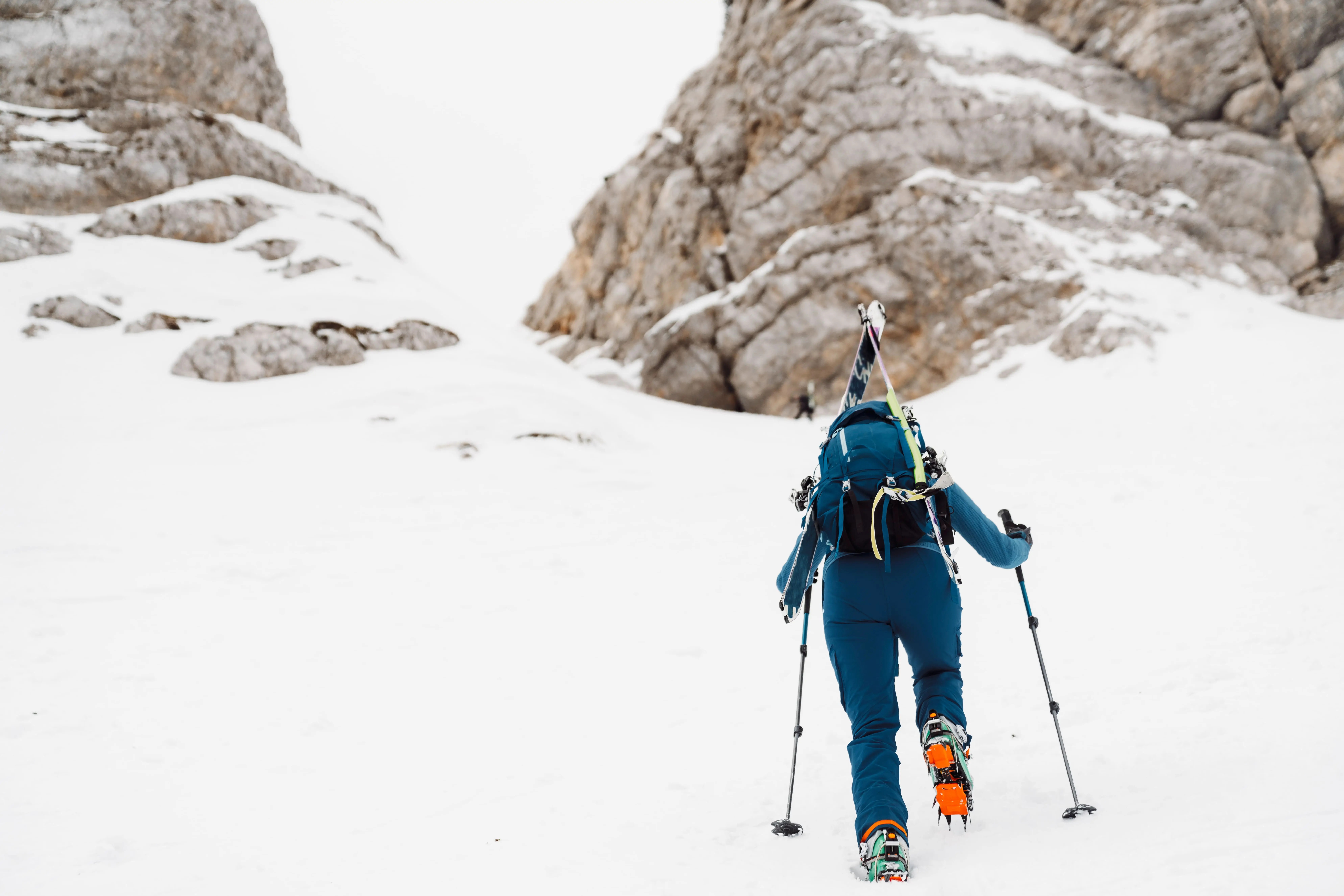
Ski mountaineering, a sport that combines endurance, skill, and breathtaking mountain landscapes, is making its Olympic debut at the 2026 Winter Games. This new discipline promises to bring a fresh and exciting dimension to the Winter Olympics.
What is Ski Mountaineering?
Ski mountaineering involves ascending and descending snow-covered terrain on skis, often requiring a combination of skiing, climbing, and traversing skills. It’s a demanding sport that tests athletes’ physical fitness, technical ability, and tactical decision-making.
Equipment and Techniques
Athletes use specialized equipment, including skis with bindings that allow for both climbing and descending, as well as boots and clothing designed for high-performance and varying weather conditions. Techniques involve efficient climbing methods, such as using skins or kick-turning, and controlled descending techniques to navigate challenging terrain.
The competition format for ski mountaineering at the 2026 Winter Olympics will include individual and team events, with athletes competing in various disciplines such as sprint, individual, and relay races. Rules will emphasize safety, fair play, and environmental respect.
Historical Context and Global Popularity
Ski mountaineering has its roots in the Alps, dating back to the early 20th century. It has gained popularity globally, with a significant following in Europe and North America. The sport is practiced in various mountain ranges around the world, from the Rockies to the Himalayas.
“Ski mountaineering is not just a sport; it’s an experience that connects you with nature and pushes your limits.” – Kilian Jornet, renowned ski mountaineer.
Why It Was Selected for 2026
The IOC selected ski mountaineering for the 2026 Winter Olympics as part of its strategy to modernize the Olympic program, attract new audiences, and reflect the evolving landscape of winter sports. Its inclusion is expected to bring a new dynamic to the Games, appealing to both existing fans and new spectators.
Other Notable Additions and Modifications
The IOC has introduced a range of new events and format changes to the 2026 Winter Olympics, aiming to revitalize the competition. These changes are designed to keep the games fresh and exciting for athletes and spectators alike.
New Events Within Existing Sports
The IOC has added new events within existing sports to attract a broader audience and increase participation. For instance, the inclusion of new events in snowboarding and freestyle skiing is expected to draw younger viewers. These additions reflect the evolving nature of winter sports and the IOC’s commitment to staying relevant.
Format Changes to Traditional Disciplines
Alongside new events, the IOC has also implemented format changes to traditional disciplines. For example, changes to the alpine skiing events aim to enhance viewer engagement and improve competitive balance. These modifications are part of the IOC’s broader strategy to modernize the Olympics.
Demonstration Events and Future Prospects
Demonstration events will also feature at the 2026 Winter Olympics, providing a platform for emerging sports to gain exposure. These events offer a glimpse into the future of the Olympics, showcasing sports that may be included in future games. The success of demonstration events could lead to new additions to the Olympic program, further evolving the games.
By introducing new events and modifying existing formats, the IOC is working to ensure that the 2026 Winter Olympics remain dynamic and captivating. These changes are part of a larger effort to keep the Olympics relevant and engaging for a global audience.
The Selection Process Behind New Olympic Disciplines
The International Olympic Committee (IOC) employs a meticulous evaluation process to determine which new disciplines are added to the Olympic Games. This process is multifaceted, involving various stakeholders and a thorough assessment of potential new sports.
IOC Evaluation Criteria
The IOC uses specific criteria to evaluate new disciplines, ensuring they align with the Olympic values and appeal to a broad audience. Two key aspects of these criteria are technical requirements and global participation metrics.
Technical Requirements
New disciplines must meet certain technical standards, including the existence of a robust international governing body, well-established rules, and a competitive structure that ensures fair play.
Global Participation Metrics
The IOC also assesses the global reach of a sport, considering factors such as the number of countries participating, the sport’s popularity across different regions, and its presence in international competitions.
Stakeholder Input and Influence
The IOC gathers input from various stakeholders, including international sports federations, athletes, and National Olympic Committees. This feedback is crucial in understanding the viability and appeal of new disciplines.
Timeline of Decisions
The decision-making process is lengthy, often taking several years. The IOC Session, the Committee’s supreme governing body, makes the final decisions on new disciplines during its annual meetings.
| Year | Milestone | Description |
|---|---|---|
| 1-2 years before the Olympics | Initial Evaluation | The IOC begins assessing potential new disciplines based on the established criteria. |
| 1 year before the Olympics | Shortlisting | A shortlist of potential new disciplines is compiled based on the evaluation. |
| During the IOC Session | Final Decision | The IOC Session votes on the inclusion of new disciplines. |
Cultural and Regional Influences on Sport Selection
Italian winter sports traditions and the Alpine region’s heritage are playing a significant role in the selection of new disciplines for the 2026 Winter Olympics. The host country’s rich cultural background in winter sports has influenced the International Olympic Committee’s (IOC) decisions regarding new additions to the Olympic program.
Italian Winter Sports Traditions
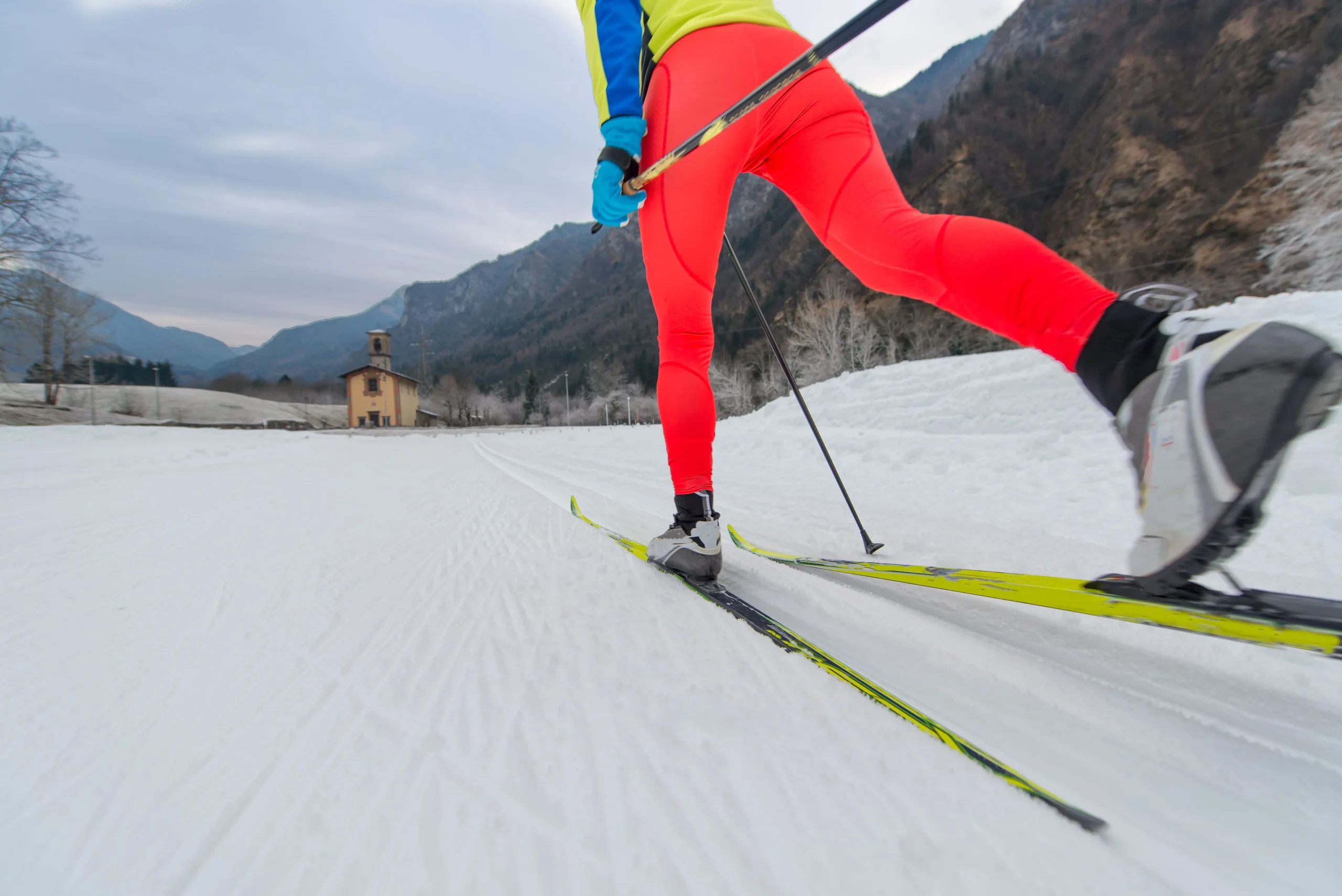
Italy has a long history of excellence in winter sports, particularly in alpine skiing and cross-country skiing. The inclusion of ski mountaineering as a new discipline is a testament to Italy’s influence, as it is a sport deeply rooted in Alpine culture. Italian athletes have consistently performed well in these disciplines, and the IOC’s decision reflects the country’s expertise and passion for winter sports.
Alpine Region Heritage and Influence
The Alpine region’s heritage has significantly shaped the Olympic program for 2026. The region’s traditions in skiing, snowboarding, and other winter sports have been incorporated into the Olympics, ensuring that the events resonate with both local and global audiences. The Alpine region’s diverse landscapes have also allowed for a variety of venues, enhancing the overall Olympic experience.
Global Participation Trends and Geographic Diversity
The IOC has also considered global participation trends and geographic diversity when selecting new disciplines. The inclusion of new sports aims to attract a broader range of athletes from different regions, promoting inclusivity and diversity. This approach not only enriches the Olympic experience but also fosters global interest in the Games.
By balancing local cultural influences with global participation trends, the IOC has crafted an Olympic program that is both relevant to the host region and appealing to a worldwide audience.
Controversies and Challenges
The introduction of new disciplines at the 2026 Winter Olympics has not been without its controversies. As we look forward to the games, several challenges have emerged that warrant attention.
Environmental Concerns
The environmental impact of hosting the Winter Olympics is a significant concern. The construction of new venues and infrastructure can lead to habitat destruction and increased carbon emissions. Efforts are being made to mitigate these effects through sustainable practices.
| Environmental Concern | Mitigation Strategy |
|---|---|
| Habitat Destruction | Eco-friendly construction practices |
| Carbon Emissions | Renewable energy sources |
Athlete Safety Considerations
Athlete safety is paramount, and new disciplines must ensure that competitors are not exposed to undue risks. The International Olympic Committee (IOC) works closely with sports federations to establish safety protocols.
Traditional vs. Modern Sport Tensions
The inclusion of new disciplines sometimes creates tension between traditionalists and proponents of modern sports. Balancing these interests is crucial for the evolution of the Olympics.
Financial and Logistical Hurdles
Hosting the Olympics is a costly endeavor, and the introduction of new disciplines adds to the financial burden. Logistical challenges, including venue preparation and event scheduling, also require careful planning.
By acknowledging and addressing these challenges, the IOC aims to ensure that the 2026 Winter Olympics are a success for all involved.
Conclusion
The inclusion of new disciplines at the 2026 Winter Olympics marks a significant milestone in the evolution of the games. As we have discussed, the addition of sports like ski mountaineering not only reflects the changing landscape of winter sports but also caters to the growing interests of a new generation of athletes and fans.
The International Olympic Committee’s (IOC) decision to introduce these new disciplines is a testament to its commitment to keeping the Olympics relevant and exciting. By embracing innovation and diversity, the IOC ensures that the 2026 Winter Olympics will be an event that celebrates the past while embracing the future.
As we look ahead to the 2026 Winter Olympics in Milan-Cortina, it is clear that these new disciplines will play a crucial role in shaping the Olympic future. They will not only provide new opportunities for athletes but also captivate audiences worldwide, contributing to the continued success and global appeal of the Olympics.
The 2026 Winter Olympics will set the stage for future innovations in the games, and we can expect the IOC to continue evaluating and updating the Olympic program to reflect the changing world of sports.
Learn More About the NIL Landscape
Name, Image, and Likeness plays an increasing role in college sports, and understanding how it works often requires more than individual articles or news updates.
RallyFuel is a platform focused on NIL-related topics across college athletics. It brings together information about athletes, NIL activity, and the broader structure behind modern college sports, helping readers explore the topic in more depth.
FAQ
What are the new disciplines added to the 2026 Winter Olympics?
The 2026 Winter Olympics will feature several new disciplines, including ski mountaineering, which is considered the headline addition. Other new events and modifications to existing sports will also be introduced to enhance the games’ appeal and promote diversity.
Why was ski mountaineering selected for the 2026 Winter Olympics?
Ski mountaineering was chosen for its global popularity, particularly in Europe, and its potential to attract a younger audience to the Olympics. The IOC also considered the sport’s technical requirements, competition format, and the fact that it promotes gender equality and inclusivity.
How will the new disciplines impact the 2026 Winter Olympics?
The introduction of new disciplines, such as ski mountaineering, will enhance the appeal of the 2026 Winter Olympics, promoting youth engagement and gender balance. These additions will also contribute to the evolution of the games, making them more diverse and inclusive.
What is the IOC’s strategy for modernizing the Winter Olympics?
The IOC’s modernization strategy involves adding new disciplines, modifying existing sports, and promoting sustainability and gender equality. The goal is to keep the games relevant and appealing to younger audiences while maintaining their traditional spirit.
How do the host cities, Milan and Cortina, influence the selection of new disciplines?
The host cities’ winter sports traditions and the Alpine region’s heritage have influenced the selection of new disciplines, with the IOC considering the local culture and the potential for regional participation.
What are the potential controversies and challenges associated with introducing new disciplines?
The introduction of new disciplines can be accompanied by controversies, including environmental concerns, athlete safety issues, and tensions between traditional and modern sports. The IOC must balance these factors when making decisions about new additions.
How does the IOC evaluate new disciplines for inclusion in the Olympics?
The IOC uses a rigorous evaluation process, considering technical requirements, global participation metrics, and stakeholder input. The IOC also assesses the potential for gender balance and youth appeal when evaluating new disciplines.



Leave a Comment