

New Jersey has long played an important role in the development of Olympic sports in the United States. While the state may be better known for its proximity to major metropolitan areas like New York City and Philadelphia, it also hosts a strong network of colleges that support Olympic disciplines such as fencing, gymnastics, and judo.
These New Jersey Olympic Sports Colleges provide student-athletes with opportunities to combine elite-level training, academic development, and long-term athletic growth.
In this guide, we explore how fencing, gymnastics, and judo are represented across New Jersey colleges, what makes the state attractive for Olympic sports development, and how athletes can use these programs as pathways toward national and international competition.
Why New Jersey Is a Hub for Olympic Sports Colleges
New Jersey’s location, infrastructure, and athletic culture make it a natural environment for Olympic sports. The state benefits from:
- Access to elite training facilities and private sports academies
- Strong high school and club-level feeder systems
- Close proximity to national competitions and Olympic training centers
- Experienced coaching networks in fencing, gymnastics, and judo
Because of these factors, Olympic Sports Colleges in New Jersey often attract athletes from across the United States and abroad.
Fencing in New Jersey Olympic Sports Colleges

A Strong Collegiate Fencing Tradition
Fencing is one of the most established Olympic sports within New Jersey colleges. Several institutions compete at a high NCAA level, and the state has a long history of producing national champions and Olympic-level fencers.
Collegiate fencing programs in New Jersey typically offer:
- Men’s and women’s teams
- Specialization in épée, foil, and sabre
- Regular competition against Ivy League and Division I schools
- Access to elite fencing clubs for additional training
Athlete Development Pathways
Many fencers in New Jersey begin their careers at private clubs before transitioning into Olympic Sports Colleges that support fencing. College programs emphasize:
- Technical refinement
- Tactical decision-making
- Strength and conditioning specific to fencing
- Mental performance and match preparation
This structure allows athletes to continue progressing while pursuing higher education.
Gymnastics Programs in New Jersey Colleges
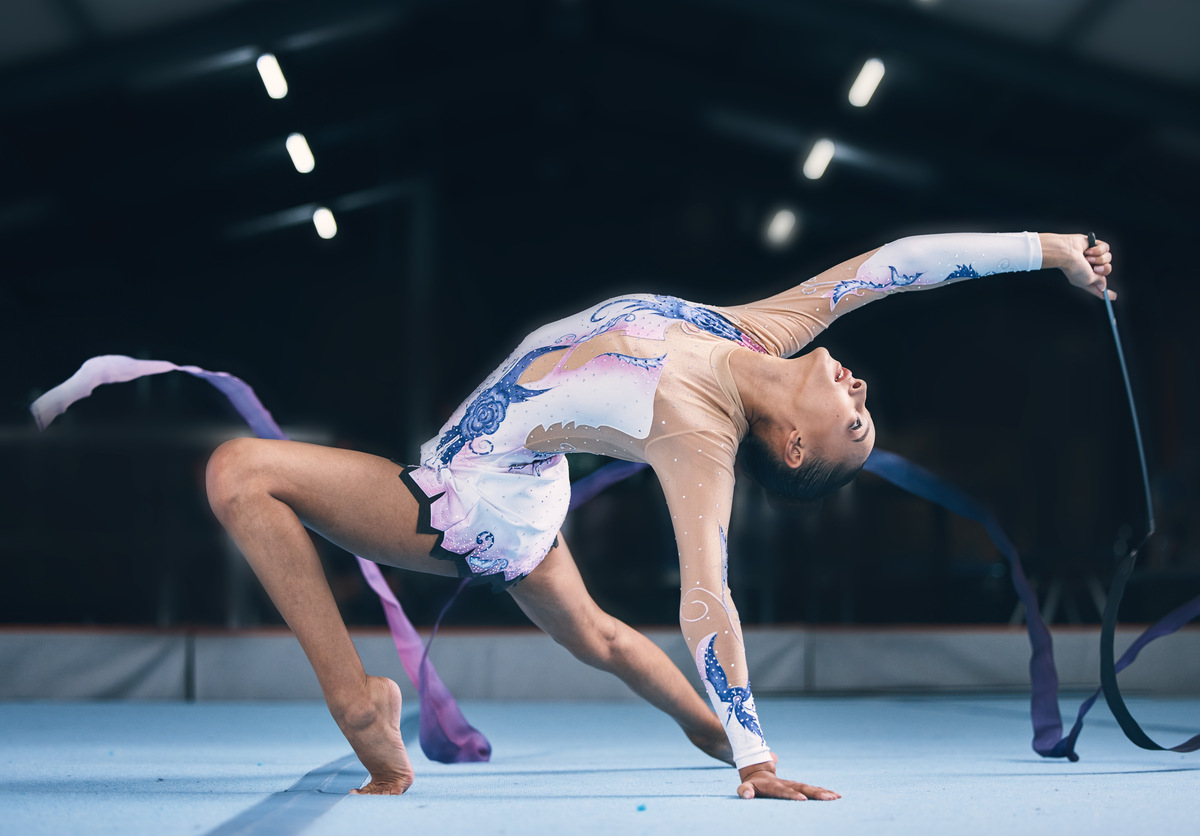
Women’s Gymnastics at the Collegiate Level
Gymnastics holds a prominent place among Olympic sports in New Jersey, particularly women’s artistic gymnastics. College programs focus on balancing athletic excellence with academic achievement.
Gymnastics programs often include:
- NCAA competition schedules
- Specialized apparatus coaching (vault, bars, beam, floor)
- Injury prevention and recovery programs
- Academic support tailored to student-athletes
These New Jersey Olympic Sports Colleges serve as a critical bridge between junior elite gymnastics and post-college athletic careers.
Training Environment and Facilities
One of the biggest advantages of gymnastics programs in New Jersey is access to modern facilities. Many colleges partner with elite gyms or maintain their own high-performance training centers. This allows gymnasts to maintain consistency in training volume and quality.
Judo in New Jersey Olympic Sports Colleges
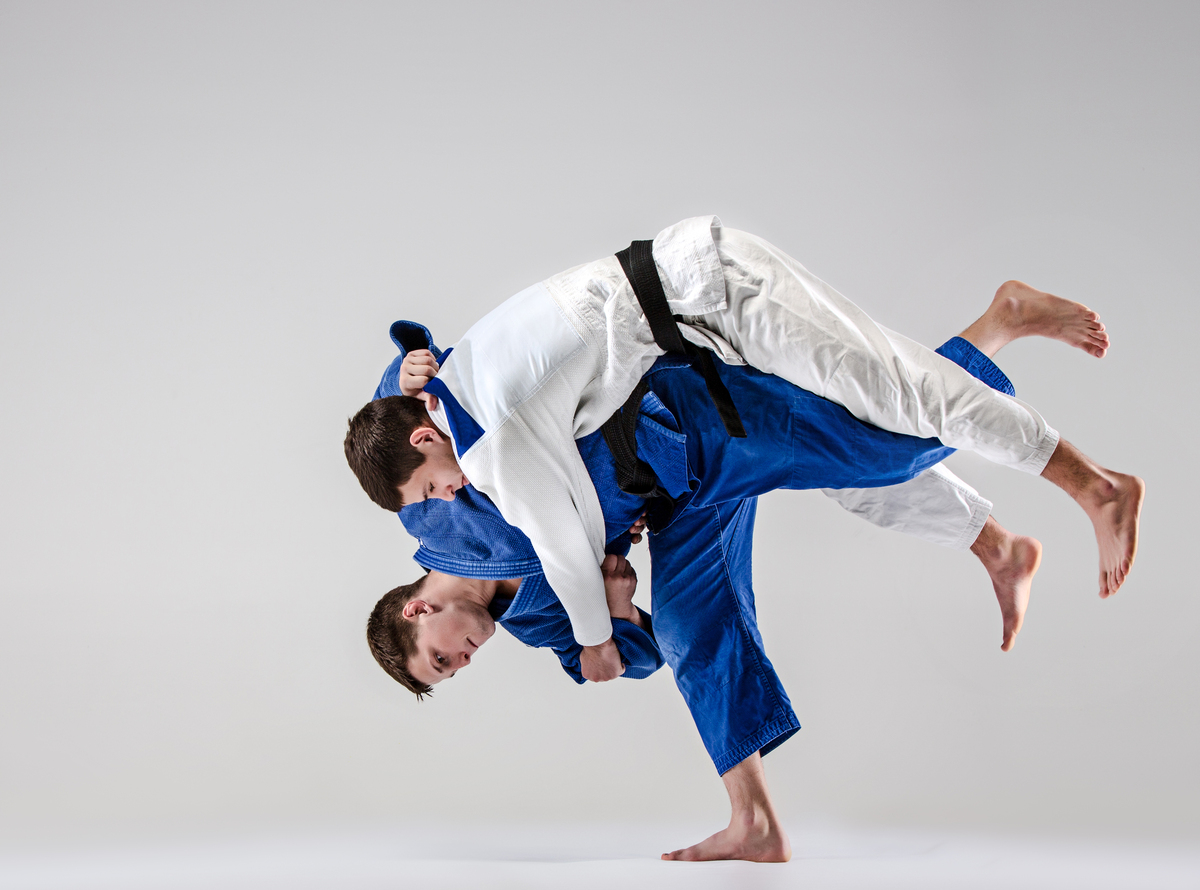
Growing Recognition of Judo
While judo is less widely represented than fencing or gymnastics, New Jersey has emerged as an important region for judo development in the U.S. The state hosts numerous judo clubs and regional competitions, creating a solid foundation for collegiate involvement.
Judo programs associated with colleges often focus on:
- Technical mastery and competition readiness
- Strength, conditioning, and mobility
- Tactical preparation for national tournaments
- Cross-training with wrestling or martial arts programs
Pathways Beyond College
For judoka, college-affiliated programs provide structured training while keeping athletes connected to national governing bodies. Many athletes continue competing at national trials and international events while enrolled at Olympic Sports Colleges in New Jersey.
Academic Balance for Student-Athletes
One of the defining features of New Jersey Olympic Sports Colleges is their emphasis on academic balance. Student-athletes are expected to meet rigorous academic standards while maintaining demanding training schedules.
Colleges typically offer:
- Academic advising for athletes
- Flexible class scheduling
- Tutoring and learning support
- Career development resources
This balance ensures that athletes in fencing, gymnastics, and judo are prepared for life beyond competitive sports.
Scholarships and Financial Support
Athletic and Academic Aid
Scholarship opportunities vary by sport and institution. While fencing and gymnastics may offer partial athletic scholarships through NCAA programs, judo athletes often rely on a combination of academic aid, private sponsorships, and external funding.
Common forms of support include:
- Athletic scholarships
- Academic merit awards
- Need-based financial aid
- Support from national sports organizations
New Jersey colleges often help athletes navigate these options as part of the recruitment process.
Recruitment Process for Olympic Sports Colleges
How Athletes Get Noticed
Recruitment for fencing, gymnastics, and judo typically begins at the club or national competition level. College coaches look for athletes who demonstrate:
- Strong competitive results
- Consistent training history
- Academic readiness
- Coachability and discipline
Athletes interested in New Jersey Olympic Sports Colleges should prepare highlight videos, competition resumes, and academic transcripts early.
Importance of Communication
Direct communication with college coaches plays a key role. Many programs value proactive athletes who understand the demands of collegiate sports and academics.
Training Culture and Competition Exposure
High-Level Competition
One of the biggest advantages of studying in New Jersey is exposure to elite competition. Colleges regularly compete against top programs from the Northeast and beyond, giving athletes frequent high-pressure match experience.
This is especially valuable in:
- Fencing dual meets and invitationals
- Gymnastics conference championships
- Judo regional and national tournaments
Such exposure helps athletes transition to higher levels of competition.
Life After College Sports
Career and Athletic Opportunities
Graduates of New Jersey Olympic Sports Colleges often pursue careers in:
- Professional athletics or coaching
- Sports management or administration
- Health, fitness, and rehabilitation fields
- Business, education, or technology
For athletes who continue competing, college provides a strong foundation for national teams, coaching certifications, and leadership roles within their sport.
Why Choose New Jersey for Olympic Sports?
Choosing New Jersey offers several long-term advantages for Olympic sport athletes:
- Central location on the U.S. East Coast
- Access to national and international competitions
- Strong coaching networks
- Academic prestige and career opportunities
These factors make New Jersey Olympic Sports Colleges an attractive option for athletes specializing in fencing, gymnastics, and judo.Final Thoughts
New Jersey continues to play a vital role in shaping Olympic-level athletes across multiple disciplines. Through well-structured college programs, athletes in fencing, gymnastics, and judo can pursue their athletic goals without sacrificing academic or professional development.
Whether you are an aspiring Olympian or a student-athlete seeking a balanced collegiate experience, New Jersey Olympic Sports Colleges offer a unique environment where high-performance training and education go hand in hand.
Learn More About the NIL Landscape
Name, Image, and Likeness plays an increasing role in college sports, and understanding how it works often requires more than individual articles or news updates.
RallyFuel is a platform focused on NIL-related topics across college athletics. It brings together information about athletes, NIL activity, and the broader structure behind modern college sports, helping readers explore the topic in more depth.
👉 Explore the Athletes on RallyFuel – Discover top college athletes, compare NIL valuations, and dive deeper into the world of NIL.
FAQ
What makes New Jersey different from other states for Olympic sports education?
New Jersey offers a rare combination of academic density, elite sports clubs, and proximity to major national competitions. Athletes can train year-round without relocating far from top-level tournaments or coaching networks.
Can international student-athletes join Olympic sports programs in New Jersey?
Yes, many New Jersey Olympic Sports Colleges accept international athletes. However, eligibility rules, visa requirements, and scholarship availability may vary depending on the sport and institution.
Do Olympic sports athletes in New Jersey need NCAA eligibility?
Not always. While fencing and gymnastics often fall under NCAA regulations, judo programs may operate through club or independent collegiate structures, allowing more flexibility for athlete participation.
How early should athletes start contacting New Jersey colleges?
Ideally, athletes should begin outreach 12–24 months before enrollment. Early contact helps coaches track long-term development and assess academic compatibility alongside athletic potential.
Are there opportunities to compete nationally while studying in New Jersey?
Yes. Many athletes continue to compete in national championships, trials, and open tournaments while enrolled, especially in fencing and judo, where collegiate and national calendars often overlap.




Leave a Comment