
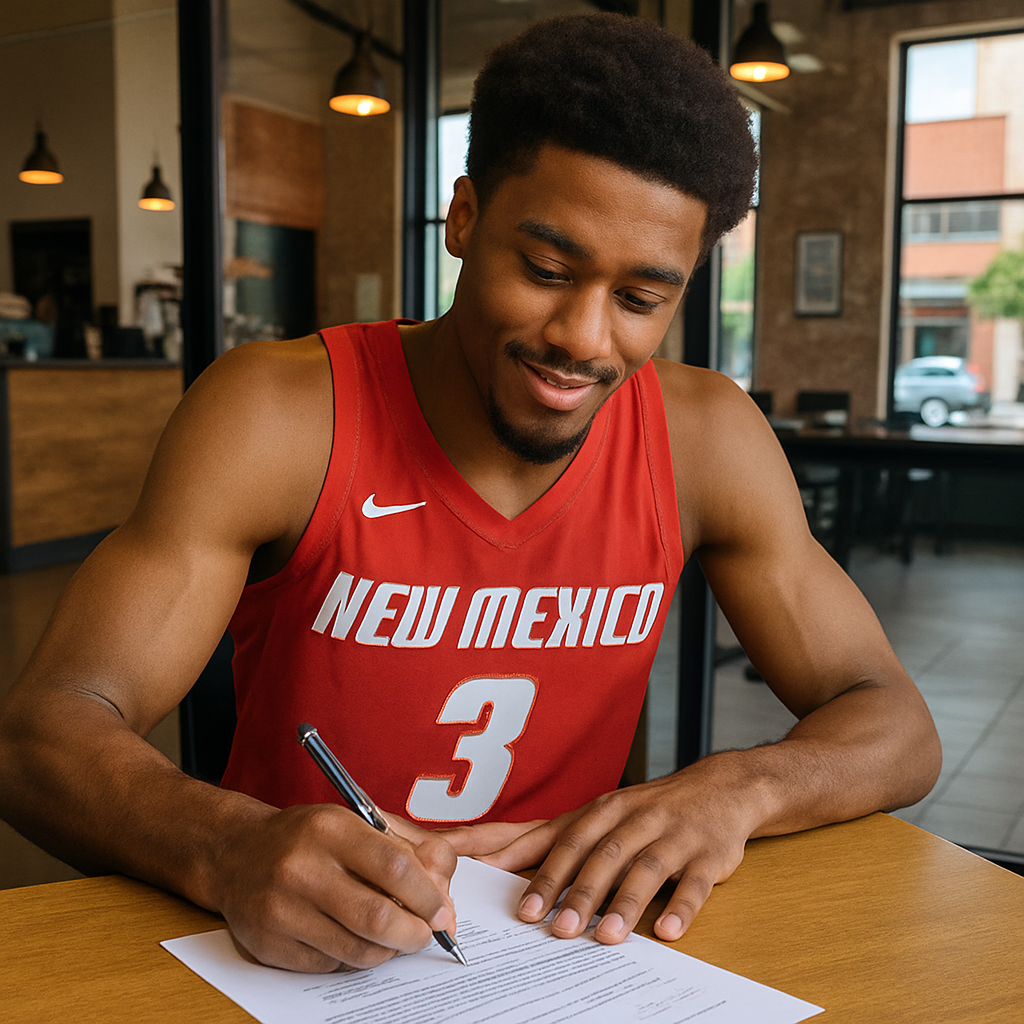
Walk into a Blake’s Lotaburger, and you might spot a familiar face on a promotional poster. It isn’t a professional celebrity, but a star player from UNM or NMSU. For decades, rules strictly forbade this type of income, but the athletic landscape shifted dramatically in 2021 following new state legislation.
This revenue isn’t a salary for playing games; it is a clear business transaction. New Mexico NIL deals operate on the “Right of Publicity,” meaning a college athlete NIL agreement is simply a student renting their identity to a brand, much like a local car dealership endorsement.
While the concept often feels like a confusing black box, the reality is surprisingly approachable for Main Street. Whether you support the Lobos or the Aggies, New Mexico NIL directly links our state’s sports and economy, showing how they grow together.
Summary
New Mexico NIL deals let college athletes monetize their name, image, and likeness under the Right of Publicity, with most partnerships being modest, local engagements rather than national campaigns. Senate Bill 60 protects scholarships, requires disclosure of contracts, permits licensed professional representation, and allows schools to restrict certain industries. Fan-driven collectives like the 505 Sports Venture Foundation pool resources to create wider, steadier opportunities and aid athlete retention. Athletes must treat NIL income like small-business revenue (often via 1099s), manage taxes and expenses carefully, and note that high school rules remain far stricter than college policies.
Turning Fame into a Paycheck: What Exactly is a New Mexico NIL Deal?
At its core, “NIL” is legal shorthand for the Right of Publicity. This concept simply means you own your face and reputation, just like you own your car or your house. For decades, a UNM student could sell out arenas yet was forbidden from earning a dime if a local car dealership wanted to put that same face on a billboard. Now, athletes have the same intellectual property rights as any other New Mexican citizen, allowing them to “rent” their personal brand to businesses.
While national headlines often scream about million-dollar quarterback contracts, the reality in the Land of Enchantment is much more grounded. Most college athlete endorsement contracts in NM aren’t massive corporate sponsorships; they are modest partnerships that help students cover rent or groceries. We aren’t usually talking about national TV spots, but rather legitimate services provided to Main Street businesses.
Local companies can legally hire student-athletes for a variety of accessible activities:
- Social Media Promotions: A Lobo posting about their favorite green chile cheeseburger on Instagram.
- In-Person Appearances: An Aggie star signing autographs at a store’s grand opening.
- Private Coaching: Athletes hosting weekend clinics for local youth teams.
These exchanges turn fame into a functional business transaction, but they must operate within strict boundaries. To ensure these partnerships remain fair and transparent, the state legislature established specific guardrails known as New Mexico Senate Bill 60.
The New Mexico Senate Bill 60 Advantage: Legal Protections for Lobos and Aggies
For many families, the biggest fear is that earning outside money might jeopardize a hard-won scholarship. New Mexico Senate Bill 60 acts as a legal shield against this exact scenario. The law explicitly prohibits universities from revoking financial aid simply because a student earns compensation for their name, image, or likeness, ensuring tuition remains secure even during active sponsorship deals.
With these rights come specific responsibilities designed to keep the playing field transparent. Athletes are allowed to hire professional help, but anyone negotiating these contracts must follow the sports agent registration process New Mexico mandates to ensure they are qualified. Furthermore, secrecy is off the table; keeping the university informed is critical to maintaining eligibility under current New Mexico student athlete compensation regulations.
Adhering to New Mexico Senate Bill 60 requirements creates a framework where athletes can succeed without accidentally breaking eligibility rules:
- Mandatory Disclosure: Athletes must formally submit contract details to their university designated official (usually within 7 days).
- Protected Aid: Scholarships cannot be reduced or canceled as punishment for earning NIL income.
- Professional Representation: Students have the legal right to hire licensed agents or attorneys to review contracts.
- Prohibited Industries: Schools may still restrict deals involving adult entertainment, alcohol, tobacco, or gambling.
While individual deals are common, a new powerhouse has emerged to streamline this process for entire teams.
Fan-Funded Marketing: How Collectives Like 505 SVF Power NM Sports
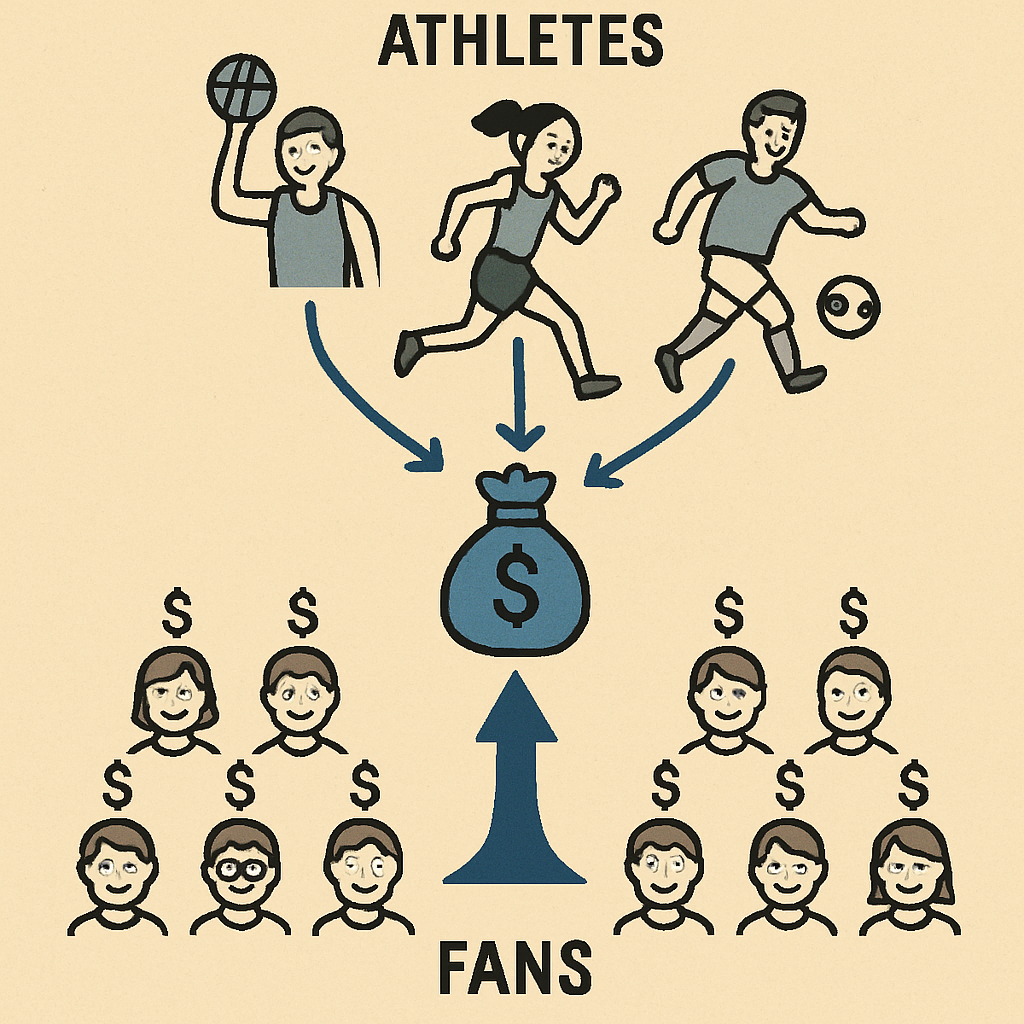
Individual sponsorships grab headlines, but the real engine driving modern college sports is the “collective.” Think of a collective as a fan-funded marketing agency dedicated exclusively to a specific university. Supporters and local businesses pool their resources into a single fund, which is then used to pay athletes for legitimate work like community appearances, charity events, or social media promotion.
This approach creates a stable ecosystem for players that differs significantly from one-off endorsements. The distinction between collective vs individual athlete marketing models clarifies the landscape for fans; instead of a business picking one star player for a commercial, a collective creates a safety net of opportunities for a wider roster. It allows everyday supporters to contribute small amounts that, when combined, create a competitive income structure for the team.
In Albuquerque, organizations like the 505 Sports Venture Foundation act as the primary University of New Mexico Lobos collective. Their goal goes beyond just paying players; it focuses on athlete retention. By offering reliable income for local engagement, these groups prevent top talent from transferring to out-of-state schools simply because the financial offer looked better elsewhere.
Las Cruces is seeing a similar cultural shift, with alumni mobilizing to expand NMSU Aggies name image likeness opportunities across various sports. However, whether the money comes from a massive fan pool or a single car dealership, every dollar received counts as taxable income, requiring students to step carefully into the world of financial reporting.
Avoiding Foul Territory: Tax Rules and Disclosure for Student Athletes
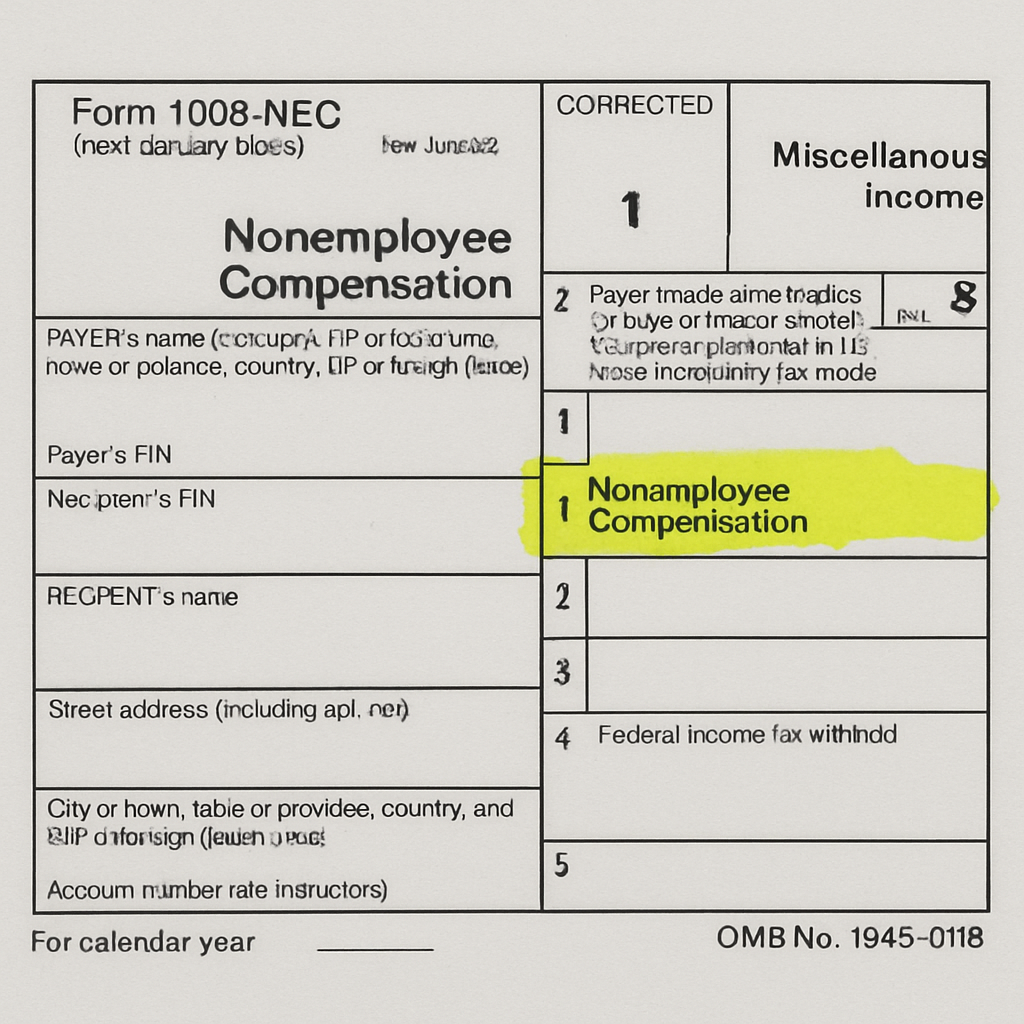
The excitement of signing a deal can fade quickly if a student forgets that Uncle Sam is watching. Unlike a campus job where taxes are withheld automatically, tax implications for student athlete income usually involve receiving a Form 1099, meaning the athlete is viewed as an independent contractor. This requires them to set aside roughly 15% of their earnings for self-employment tax, a surprise expense that catches many families off guard at the end of the year.
Treating NIL activity like a small business rather than a hobby is the safest approach. To ensure financial safety and NCAA compliance for NM collegiate sponsorships, athletes should follow this protection checklist:
- Register Agents: Ensure any representation you hire is officially registered with the New Mexico Secretary of State.
- Track Expenses: Save receipts for training, travel, or equipment to deduct against 1099 income.
- Verify Eligibility: Confirm that a specific deal does not violate team rules or amateur status before signing.
Parents of younger athletes need extra caution because high school athlete eligibility laws in NM are far stricter than college regulations. Under New Mexico Activities Association (NMAA) guidelines, high schoolers face severe restrictions on monetizing their connection to their school teams. Respecting these distinct boundaries ensures that a student’s financial opportunity today doesn’t accidentally cost them their jersey tomorrow.
Your Action Plan for Navigating the Land of Enchantment’s Sports Future
New Mexico NIL deals transform local sports from simple entertainment into tangible economic opportunities for our communities. Whether you are a business owner ready to propose a partnership or a fan supporting a collective, the path is now open to directly impact student-athlete success. Prioritizing financial literacy for New Mexico college athletes ensures these collaborations remain sustainable, benefiting both Main Street storefronts and university rosters.
As the landscape evolves with potential Mountain West Conference policy updates, our state is uniquely positioned to lead with community-focused values. This shifts the narrative from merely watching games to actively investing in the talent representing the Land of Enchantment. By engaging with these opportunities today, you help build a stronger, more resilient future for New Mexico sports that celebrates our distinct culture on a national stage.
Learn More About the NIL Landscape
Name, Image, and Likeness plays an increasing role in college sports, and understanding how it works often requires more than individual articles or news updates.
RallyFuel is a platform focused on NIL-related topics across college athletics. It brings together information about athletes, NIL activity, and the broader structure behind modern college sports, helping readers explore the topic in more depth.
👉 Explore the Athletes on RallyFuel – Discover top college athletes, compare NIL valuations, and dive deeper into the world of NIL.
Q&A
Question: What exactly is a New Mexico NIL deal, and how is it different from being paid to play?
Short answer: An NIL deal is a business agreement where a college athlete licenses their name, image, and likeness—their “Right of Publicity”—to a brand. It’s not a salary for athletic performance. In New Mexico, these are typically modest, local engagements (like social posts, appearances, or youth clinics) rather than big national sponsorships. Think of it as “renting” your personal brand to a business for legitimate marketing work, not getting paid to win games.
Question: What protections and rules does New Mexico’s Senate Bill 60 create for student-athletes?
Short answer: Senate Bill 60 shields athletes and sets clear guardrails:
- Scholarships are protected and can’t be reduced or canceled just because a student earns NIL income.
- Athletes must disclose NIL contracts to a designated university official, typically within 7 days.
- Students can hire professional representation (agents/attorneys), but representatives must be properly licensed/registered in New Mexico.
- Schools may restrict deals tied to certain industries, such as adult entertainment, alcohol, tobacco, or gambling.
Question: What kinds of NIL activities can local New Mexico businesses pay athletes to do?
Short answer: Common, accessible activities include:
- Social media promotions (e.g., a Lobo highlighting a local favorite meal)
- In-person appearances (autograph signings, grand openings)
- Private coaching or clinics for youth teams These are straightforward marketing services that connect Main Street businesses with campus stars.
Question: What are collectives like the 505 Sports Venture Foundation, and how do they help?
Short answer: A collective is a fan- and business-funded group that pays athletes for legitimate promotional and community work, creating steadier opportunities than one-off endorsements. In Albuquerque, the 505 Sports Venture Foundation supports UNM athletes, aiming not just to compensate them but to improve retention—so local talent stays rather than transferring for better financial offers elsewhere. Collectives let many small contributions combine into meaningful, team-wide support.
Question: How should athletes handle taxes and compliance for NIL income, and what about high schoolers?
Short answer: NIL earnings are typically paid via Form 1099, so athletes are treated as independent contractors. Key steps:
- Set aside roughly 15% for self-employment tax and track deductible expenses (training, travel, equipment).
- Confirm each deal aligns with team rules and disclose it to the university on time.
- Ensure any agent is properly registered with the New Mexico Secretary of State. High school athletes face much stricter limits under NMAA guidelines, so families should proceed cautiously to avoid eligibility issues.


Leave a Comment