
We frame our region as a practical place for athletes who want to refine how they access oxygen during training and racing.
At elevations above ~1,500 m (5,000 ft) barometric pressure drops and the partial pressure of oxygen falls, even though oxygen stays ~20.9% of air. That change in thin air shifts how pace, intensity, and recovery feel during workouts.
We define the phrase endurance & altitude advantage in plain terms: sustained efforts can be shaped by thinner air, and that can alter race tactics and long-term adaptation.
We preview what we will cover: comparisons of sea level versus high elevation, the physics of air pressure, realistic adaptation timelines, and how past Olympic settings like Mexico City inform modern choices.
Our aim is practical. We guide athletes, coaches, and teams to evaluate elevation training pathways with evidence, not hype, and to plan decisions on pacing, timing, and recovery that fit U.S.-based programs.
Why New Mexico’s High Altitude Matters for Olympic Sports in the United States

Higher ground shifts the pressure of the air and, with it, how athletes perform day to day. At elevations above about 1,500 m the barometric pressure drops. The percentage of oxygen stays near 20.9%, but the usable partial pressure falls, so less oxygen reaches working muscle.
Defining high elevation versus sea conditions
We compare sea level and higher terrain by usable oxygen, not by percent in the air. The same workout often feels harder at altitude because breathing rate, pacing, and perceived effort all rise compared with sea level.
Different effects for endurance versus power events
Endurance events rely on steady oxygen delivery, so reduced partial pressure lowers sustainable speed and affects recovery. Short sprints and power efforts depend less on steady oxygen and sometimes gain from thinner air that reduces aerodynamic drag.
Practical training and team planning
For teams and small groups, logistics change how long we stay and how we structure intensity. Coaches should translate sea-level paces into effort-based targets and expect early symptoms — higher heart rate, sleep shifts, and appetite change — as part of the acclimation process.
New Mexico Olympic Sports Overview Endurance Altitude Advantage
When teams train at higher ground, the most visible effects show up in splits, sustainable pace, and recovery. We define the measurable endurance advantage as improved late-race hold, better economy at a given effort, and brief carryover of gains back to lower levels (commonly cited near 10–14 days).
Measurable markers
We separate easy metrics from subtle ones. Race time, power, and lap splits are immediate. Economy, perceived exertion, and recovery are meaningful but harder to track.
| Marker | What we watch | How it changes |
|---|---|---|
| Split times | Seconds per km or lap | Often slower at elevation |
| Perceived effort | RPE or heart rate | Higher for same pace |
| Late-race speed | Holdability | May improve after targeted exposure |
Who uses this place and why
Distance runners, cyclists, and some swimming programs use elevation camps. Teams balance mixed rosters by tailoring microcycles: sprinters keep sharp work, while distance athletes accept slower paces for adaptation.
Pacing and outcomes
Opening too fast at height risks collapse. We coach effort-based targets rather than rigid splits so time and distance outcomes reflect true fitness, not altitude effects.
What the 1968 Mexico City Olympics Taught the Sports World About Altitude
At roughly 7,347–7,349 ft (2,240 m), the 1968 Games created a live experiment for coaches and scientists. Results were stark and fast to notice.
Why the host elevation became a turning point
The thin air cut aerodynamic drag. That helped sprints and horizontal jumps. Eighteen world records in short events made the pattern impossible to ignore.
Why sprint events saw record-setting results
Short events last seconds, so oxygen limits matter less than air resistance. Reduced air density let athletes hit higher speeds with less drag.
Why endurance events often ran slower
Longer races rely on steady oxygen delivery. At 2,240 m the usable oxygen fell and sustainable pace dropped. Many distance times lagged behind sea level expectations.
How post-Games research changed training
After 1968, teams and labs focused on acclimatization and altitude training. The Games spurred experiments that made high-elevation camps a mainstream option for some programs.
| Aspect | Short events | Long events |
|---|---|---|
| Primary effect | Reduced drag improves speed | Lower oxygen lowers sustainable pace |
| Typical outcome in 1968 | Many world records (18) | Slower finishes vs. sea-level times |
| Training takeaway | Exploit speed gains with power work | Plan acclimation and adjust pacing |
The Physiology Behind Altitude Training: Oxygen, Blood, and Muscle Adaptations
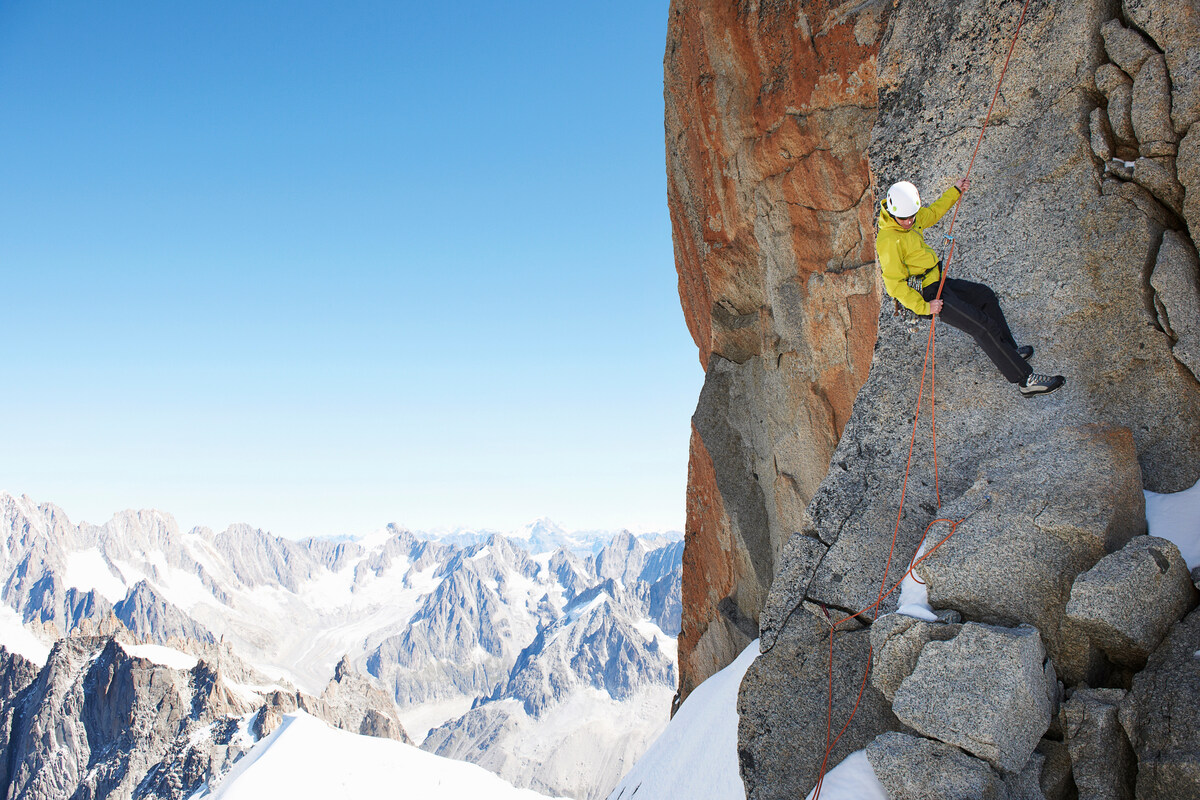
Physiology explains why the same workout feels harder at height: barometric pressure falls, so the partial pressure of oxygen drops even though its fraction in air stays about 20.9%. That reduces oxygen saturation and limits delivery during sustained work.
Reduced partial pressure and performance
Lower partial pressure means less oxygen binds to hemoglobin at the lung. The immediate effect is a higher heart rate and greater perceived effort for a given pace.
EPO, hemoglobin mass, and red cell changes
Hypoxia stimulates erythropoietin (EPO) signaling. Over days and weeks some athletes increase red cell volume and hemoglobin mass. Responses vary; published blocks around 24 days show measurable gains for many endurance competitors.
Non-blood mechanisms in muscle
Not all gains come from blood. Research suggests improved economy, shifts in metabolic pathways, and mitochondrial adjustments in working muscles. These changes can boost efficiency without large blood increases.
VO2 max, intensity, and practical coaching
VO2 max typically drops with elevation (about 7% per 1,000 m as a rule of thumb). We must scale sessions: shorter intervals, more recovery, and effort-based targets protect quality work.
Acclimatization timelines and return to sea level
Early adaptations show in the first few days as breathing and heart rate shift. Hematological gains take weeks for many. After returning to sea level some benefits often persist for roughly 10–14 days, but outcomes depend on the athlete, sleep, and total training load.
Altitude Training Methods We See in Olympic Pathways
- Different altitude training methods change how we balance adaptation with session quality.
Live-high, train-low
We often call this the practical gold standard. Athletes live at roughly 2,100–2,500 m and train near ~1,250 m or lower. Evidence shows some gain in hemoglobin mass while preserving high-intensity session quality.
Live-high, train-high
This keeps a constant hypoxic stimulus. The tradeoff is clear: adaptation may deepen, but VO2 max and session intensity fall, so speed work can suffer.
Repeated sprints in hypoxia (RSH)
Short all-out efforts under low oxygen with incomplete recovery improve repeated-power output versus normoxia. This method fits many team athletes who need repeated high-intensity bursts.
Simulated altitude tools
Tents, rooms, and hypoxicators lower inspired oxygen without changing barometric pressure. They help fit exposure into busy calendars, but exercise-only use rarely shifts blood markers much.
| Method | Main use | Key tradeoff |
|---|---|---|
| Live-high, train-low | Endurance adaptation + quality sessions | Logistics and travel |
| Live-high, train-high | Maximize hypoxic dose | Lower session intensity |
| RSH | Team events, repeat power | Short-term neuromuscular gains |
| Simulated altitude | Flexible exposure | Limited hematologic change if used only during workouts |
Applying Altitude Strategy in New Mexico for Endurance and Event-Specific Gains
We lay out simple steps to turn higher-elevation exposure into measurable gains for runners, cyclists, swimmers, and teams.
Distance running and track
We reduce paces so sessions keep the right stimulus. Shorter intervals, extra recovery, and effort-based targets protect quality.
Small changes in seconds per rep add up across a season. We track splits and perceived effort rather than forcing sea-level numbers.
Swimming and cycling
Swimmers and cyclists feel higher relative intensity because reduced partial pressure of oxygen raises effort for a given power or pace.
We prioritize steady submax work and monitor power or stroke rate to keep the training aim clear when raw times shift.
Team and group sessions
Teams use split sessions and shared effort targets so mixed-ability rosters can train together. We limit total load and increase recovery between repeated efforts.
Planning the calendar
Arrival timing depends on event type and athlete history. Use a decision framework: short events may need fewer days, distance races often benefit from longer exposure. Focus on executing the right stimulus, not matching sea-level splits.
| Modality | Main adjustment | Key monitor |
|---|---|---|
| Distance / track | Reduce pace, more recovery | Split times & RPE |
| Swimming | Hold effort, track stroke metrics | Stroke rate & perceived effort |
| Cycling | Limit sustained power drop | Power output & time |
| Team | Split sessions, manage load | Recovery markers & squad readiness |
Conclusion
We close by reminding readers that elevation changes act like a predictable modifier, not a magic fix for every athlete.
Mexico City showed the split outcome clearly: short, high-speed events benefited from thinner air while longer races suffered. That lesson still guides how we plan exposure and measure results.
For teams based in the United States, the practical path is simple: match method to event, set clear goals, and track markers over days and weeks. Return to sea level with an evidence-based view and measure success by performance, not by expectation.
Decide your aim, choose the right approach, and record changes over training blocks and race time. That process gives the best chance of real, repeatable success.
FAQ
What is the main benefit of training at high elevation for endurance athletes?
We gain increased red blood cell production and higher hemoglobin mass after several weeks at elevation, which improves oxygen transport. That adaptation can help endurance performance when athletes return to lower elevations, provided they manage training load and recovery to avoid overtraining.
How does thinner air at altitude affect sprint and power events?
We experience lower air resistance in thin air, which can produce faster sprint times and longer jump distances. Muscular power itself isn’t improved by altitude, but the reduced drag can lead to better short-duration results in events up to a few hundred meters.
How long should athletes live at elevation before competing at sea level to see benefits?
We typically recommend living at altitude for three to four weeks to stimulate meaningful blood adaptations. For a return-to-sea-level performance boost, many athletes compete within one to two weeks after descending, although individual responses vary.
What is the “live-high, train-low” model and why do teams use it?
We use “live-high, train-low” to gain altitude-induced blood adaptations while maintaining high-quality, high-intensity workouts at lower elevations. This balance helps preserve training intensity without sacrificing physiological benefits from living at elevation.
Can simulated altitude tools replace real altitude for adaptation?
We find simulated systems, like hypoxic tents or rooms, can induce some hematological changes but typically provide less robust results than natural elevation. They are useful when travel isn’t possible but demand careful monitoring and controlled protocols.


Leave a Comment