
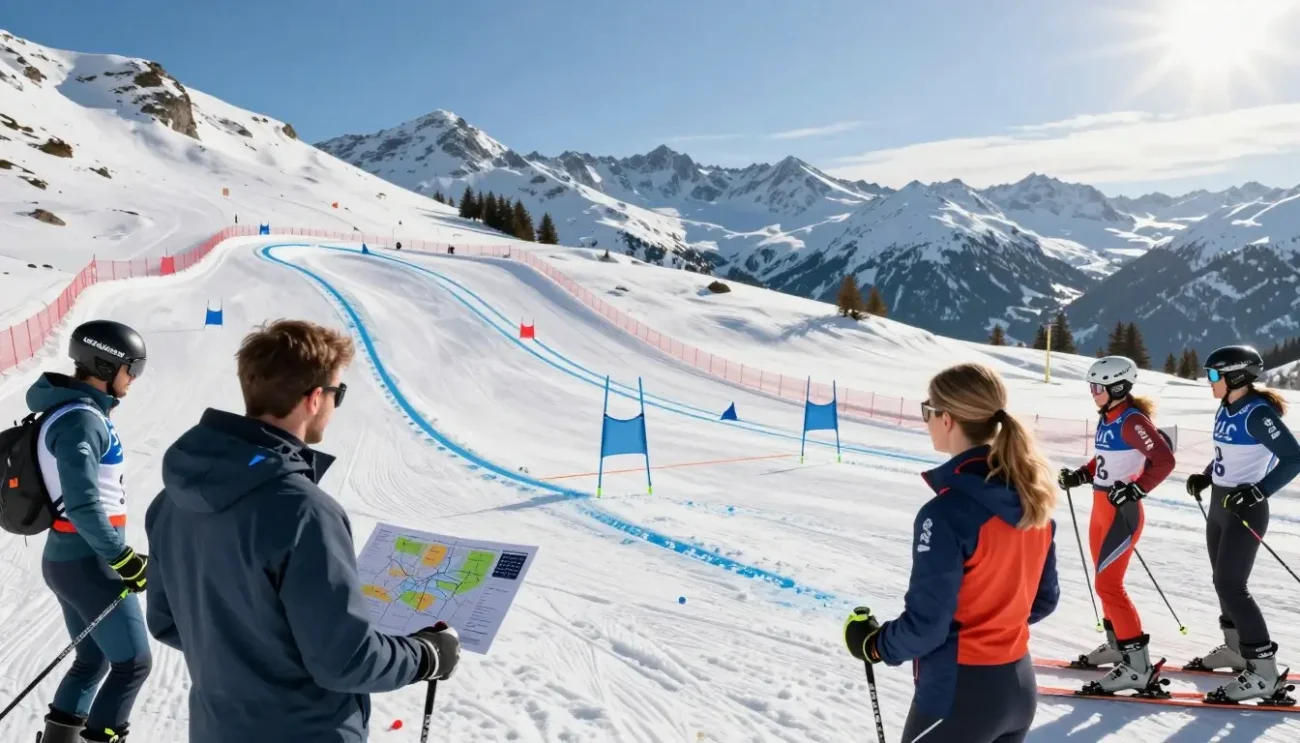
As we approach the Milan Cortina 2026 Olympics, the sports community is abuzz with excitement and anticipation. However, the new Olympic formats have sparked a range of reactions from athletes, coaches, and fans alike.
The changes are significant, and understanding them is crucial for appreciating the athletes’ perspectives. We will explore these reactions and what they mean for the future of the Olympics, providing insights into the evolving landscape of competitive sports.
What’s New at Milan Cortina 2026: Breaking Down the Format Changes
With the Milan Cortina 2026 Olympics on the horizon, the sports world is abuzz with anticipation over the new formats being introduced. The International Olympic Committee (IOC) has implemented several key changes aimed at enhancing the competitive experience for athletes and improving the viewing experience for fans.
Expanded Mixed Team Events Across Multiple Disciplines
One of the most significant changes is the expansion of mixed team events across various disciplines. This move is designed to increase diversity and competitiveness, offering athletes new challenges and opportunities. Mixed team events will feature a mix of male and female athletes competing together, promoting teamwork and strategy.
Revised Competition Schedules and Heat Structures
The IOC has also revised competition schedules and heat structures to enhance athlete performance and the overall viewing experience. These changes aim to reduce fatigue among athletes and ensure that competitions are held during optimal viewing times for global audiences.
Updated Qualification Standards and Entry Requirements
Updated qualification standards and entry requirements are another key aspect of the Milan Cortina 2026 Olympics. These changes ensure that only the best athletes qualify for the Games, maintaining the high level of competition that the Olympics are known for.
Changes to Athlete Quotas by Country
The IOC has adjusted athlete quotas by country, allowing for more balanced representation and giving more countries the opportunity to participate. This change promotes global inclusivity and diversity in the Olympics.
New Ranking System Implications
The introduction of a new ranking system has significant implications for athletes and teams. This system will provide a more transparent and fair method of ranking competitors, affecting how athletes qualify and compete in the Games.
Alpine Skiing Athletes Voice Strong Opinions on Course Redesigns
Milan Cortina 2026 is set to feature dramatically altered Alpine skiing courses, prompting strong reactions from athletes worldwide. The changes have sparked a lively debate within the Alpine skiing community, with athletes weighing in on the potential impact on competition and safety.
Mikaela Shiffrin and Team USA React to Technical Event Modifications
Mikaela Shiffrin, a standout Alpine skier, has been vocal about the changes to technical events. “The new course designs will undoubtedly challenge us in different ways,” Shiffrin noted. “We’re working hard to adapt our training regimens to meet the demands of these modified courses.”
Other Team USA athletes have echoed Shiffrin’s sentiments, expressing a mix of excitement and concern about the technical event modifications.
European Ski Racing Veterans on Downhill Format Adjustments
European ski racing veterans have shared their insights on the adjustments to the downhill format. “The changes will require a fresh approach to our training,” said a veteran skier. “We’re looking forward to the challenge.”
These athletes bring a wealth of experience to the discussion, having competed in numerous high-profile events. Their perspectives offer valuable insights into how the downhill format adjustments might affect the competition.
Safety Concerns and Competitive Balance Debates
One of the primary concerns among athletes is safety. The redesigned courses must ensure that the risk of injury is minimized while maintaining competitive balance. “Safety is paramount,” emphasized another athlete. “We need to be sure that the courses are designed with safety in mind.”
The competitive balance debate is also ongoing, with athletes discussing how the changes might affect the overall dynamics of the competition.
Snowboarding Community Welcomes Innovative Team Competition Formats
The snowboarding community is abuzz with excitement as innovative team competition formats make their debut at Milan Cortina 2026. This change is expected to bring a fresh dynamic to the sport, with athletes and fans alike eagerly anticipating the new competitions. The introduction of these new formats is part of a broader effort to evolve the sport and make it more engaging for spectators.
Halfpipe Athletes Embrace Mixed Gender Showdowns
Halfpipe athletes are particularly excited about the mixed gender showdowns, which promise to bring a new level of competition to the sport. Mixed gender events will allow athletes to compete against the best, regardless of gender, fostering a more competitive environment. This change is seen as a positive step towards inclusivity and higher performance levels.
Slopestyle and Big Air Competitors Discuss Judging Criteria Updates
Slopestyle and big air competitors are discussing the updates to judging criteria, which they believe will significantly impact their performance. The new criteria aim to provide a more accurate assessment of athletes’ skills, focusing on both technical difficulty and execution. Athletes are adapting their training regimens to meet these new standards.
American Snowboarding Stars Share Excitement and Concerns
American snowboarding stars are sharing both their excitement and concerns about the new team competition formats. While they welcome the innovation and the opportunity to compete in new formats, they also express concerns about the potential impact on individual events and the overall competition schedule. These athletes are working closely with coaches and trainers to prepare for the changes.
Athletes React to New Olympic Formats in Ice Hockey Tournaments
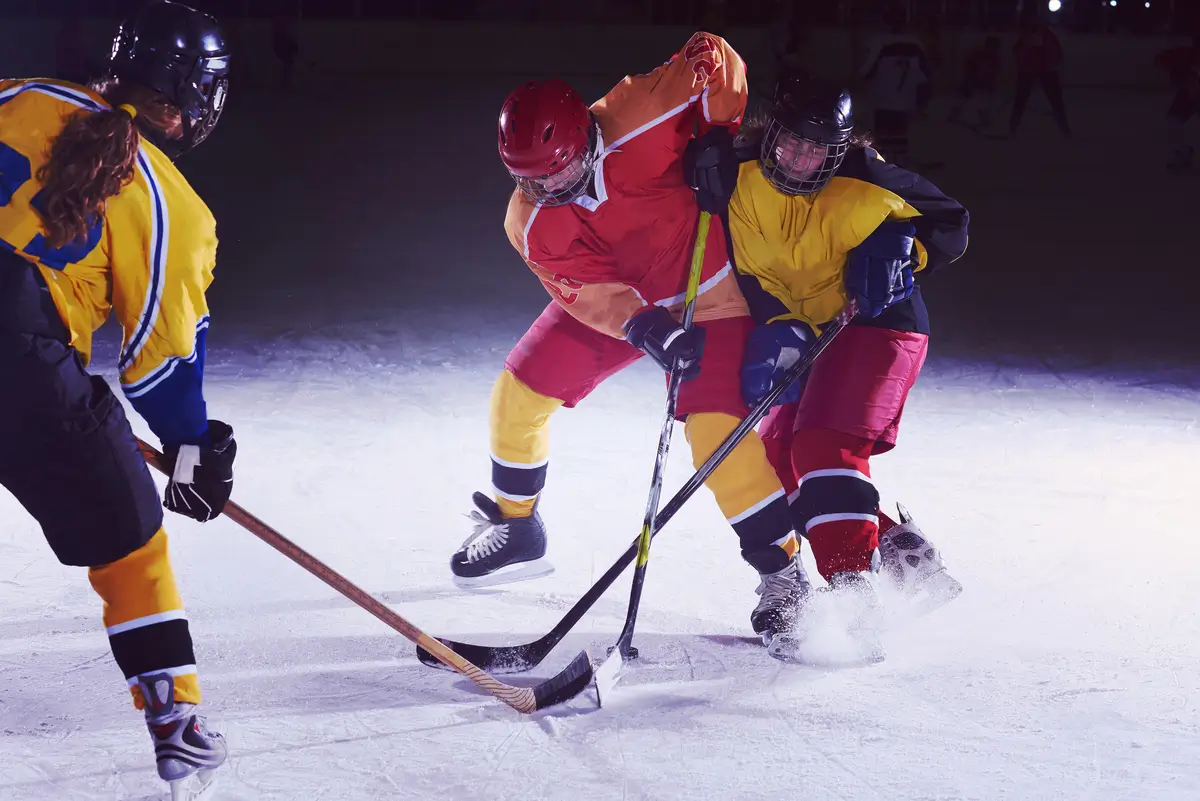
As the ice hockey world prepares for Milan Cortina 2026, athletes are sharing their thoughts on the new Olympic formats. The changes are significant, affecting various aspects of the tournament, from the structure to the participation rules.
NHL Stars Address Condensed Tournament Structure
The condensed tournament structure has been a topic of discussion among NHL stars. Some have expressed concerns about the potential for increased fatigue and decreased performance quality due to the tighter schedule. For instance, Connor McDavid, a star forward for the Edmonton Oilers, noted that while the condensed format can make the tournament more exciting, it also poses challenges for player recovery and team strategy.
The NHL players are also concerned about the impact on game strategy. With less time between games, teams may need to adopt more aggressive rotation policies, potentially affecting the overall dynamics of the tournament.
Women’s Hockey Players Celebrate Expanded Medal Opportunities
In contrast, women’s hockey players are celebrating the expanded medal opportunities. The new format provides more chances for athletes to compete at the highest level, potentially increasing the sport’s popularity and attracting more fans. The expanded participation is seen as a positive step forward, offering more female athletes the chance to shine on the Olympic stage.
The increased visibility is expected to have a positive impact on the development of women’s hockey, inspiring a new generation of players and potentially leading to greater investment in the sport.
Team USA Hockey Representatives on Group Stage Changes
Team USA hockey representatives have shared their insights on the changes to the group stage. The new format is designed to create more competitive balance, with teams facing a varied mix of opponents in the initial stages. According to Auston Matthews, “The group stage changes will require teams to be more adaptable and prepared for different playing styles.”
Impact on Game Strategy and Player Rotation
The changes to the tournament format will inevitably affect game strategy and player rotation. Coaches and team managers will need to be more flexible, adjusting their lineups and tactics to respond to the condensed schedule and varied opponents. This could lead to innovative strategies and a more dynamic tournament.
| Aspect | Old Format | New Format |
|---|---|---|
| Tournament Structure | Traditional group stage followed by knockout rounds | Condensed schedule with mixed group matchups |
| Women's Participation | Limited medal opportunities | Expanded medal events |
| Game Strategy | More focus on individual match preparation | Greater emphasis on adaptability and rotation |
The new Olympic formats in ice hockey are set to bring a fresh dynamic to the sport, with athletes and teams needing to adapt quickly to succeed. As the Milan Cortina 2026 Olympics approach, the ice hockey world will be watching closely to see how these changes play out.
Figure Skating Elite Divided Over Judging System Overhaul
Recent changes to the figure skating judging system have sparked a heated debate among athletes. The new regulations aim to enhance fairness and transparency, but competitors are still adjusting to the modifications.
Singles Competitors Analyze Technical Element Score Adjustments
Singles skaters are closely examining the adjustments made to technical element scores. The new system places greater emphasis on execution and difficulty. For instance, Nathan Chen notes that the changes will require skaters to be more precise in their jumps and spins.
The impact of these changes can be seen in the following table, which compares the old and new scoring systems for technical elements:
| Technical Element | Old Scoring System | New Scoring System |
|---|---|---|
| Triple Axel | 8.5 | 9.2 |
| Quadruple Loop | 10.0 | 10.5 |
| Double Lutz | 6.0 | 6.3 |
Pairs and Ice Dance Teams on Performance Length Modifications
Pairs and ice dance teams are also feeling the effects of the judging system overhaul. The modifications to performance lengths have sparked debate, with some teams welcoming the change and others expressing concern.
“The new performance lengths will allow us to showcase our artistry and technical skills more effectively,” says a pairs team coach. However, others worry that the changes will lead to increased pressure and fatigue.
Nathan Chen and Other American Stars Weigh In
American figure skaters, including Nathan Chen, are among those sharing their insights on the judging system changes. Chen emphasizes the need for skaters to adapt their training regimens to meet the new requirements.
The key to success under the new system will be a combination of technical proficiency, artistic expression, and strategic planning. As the figure skating community continues to navigate these changes, athletes and coaches will need to work together to optimize their performances.
Speed Skating Athletes Navigate Mixed Relay and Distance Changes
With the approach of Milan Cortina 2026, the speed skating community is bracing for impact as new mixed relay formats and distance changes come into play. As athletes and coaches prepare for these changes, understanding the implications is crucial for success.
Individual Event Format Updates
Long track specialists are focusing on the updates to individual event formats, which require adjustments to their training regimens. The changes include revised qualification standards and new competition schedules.
Key Adjustments for Long Track Specialists:
- Revised qualification times for individual events
- Changes in the competition schedule to accommodate mixed relay events
- Updated rules for pacing and drafting during races
New Mixed Gender Relay Strategy
Short track teams are preparing for the new mixed gender relay strategy, which demands a different approach to teamwork and strategy. The mixed relay event requires athletes to adapt to new roles and coordination with teammates.
Mixed Relay Strategy Considerations:
| Aspect | Description | Impact |
|---|---|---|
| Team Composition | Mix of male and female athletes | Increased strategic complexity |
| Relay Dynamics | Coordination between team members | Enhanced teamwork requirements |
| Pacing Strategy | Optimal energy distribution | Requires precise tactical planning |
Training Implications for Multi-Distance Competitors
The changes at Milan Cortina 2026 have significant training implications for multi-distance competitors. Athletes must adapt their training regimens to meet the demands of the new formats and distances.
Training Adaptations:
- Incorporating mixed relay strategy into training sessions
- Adjusting endurance training for new distance requirements
- Focusing on flexibility and recovery techniques
Freestyle and Aerial Skiing Stars Split on Competition Structure Updates
Updates to the competition format have sparked a divided response among freestyle and aerial skiing athletes. As we delve into the specifics of these changes, it becomes clear that different disciplines within freestyle skiing have varying opinions on the matter.
Moguls Athletes Express Concerns About Scoring Transparency
Moguls athletes have been vocal about their concerns regarding scoring transparency in the updated competition structure. The new format has raised questions about how judges will evaluate performances, particularly in terms of technique and execution.
Key Concerns:
- Judging criteria clarity
- Consistency in scoring
- Impact on competitive balance
Athletes are calling for more transparent scoring systems to ensure fairness and consistency. This concern is not new, but the updated format has brought it to the forefront.
Aerial Competitors Welcome Innovation in Jump Requirements
In contrast, aerial competitors have generally welcomed the innovations in jump requirements. The new rules allow for more complex maneuvers and higher degrees of difficulty, which athletes believe will enhance the competitive aspect of the sport.
The new jump requirements are a game-changer, said one aerial competitor. They allow us to push the boundaries of what’s possible.
| Jump Type | Previous Degree of Difficulty | New Degree of Difficulty |
|---|---|---|
| Single Flip | 2.0 | 2.5 |
| Double Flip | 3.0 | 3.5 |
Halfpipe Skiers on Qualification Round Modifications
Halfpipe skiers have mixed feelings about the modifications to the qualification rounds. While some appreciate the new format’s emphasis on consistency and skill, others are concerned about the reduced number of attempts allowed in the qualification stage.
The changes aim to enhance the competitive balance and make the event more engaging for spectators. However, athletes are still adapting to the new structure and its implications for their training regimens.
As the freestyle and aerial skiing community continues to navigate these updates, it is clear that the athletes are committed to making the most of the new competition formats. Their feedback will be crucial in shaping the future of these sports.
Nordic Combined and Biathlon Athletes Tackle Format Evolution
As we approach Milan Cortina 2026, Nordic Combined and Biathlon athletes are bracing for format evolution. The changes are significant and will require athletes to adapt their strategies and training regimens.
Distance Event Restructuring
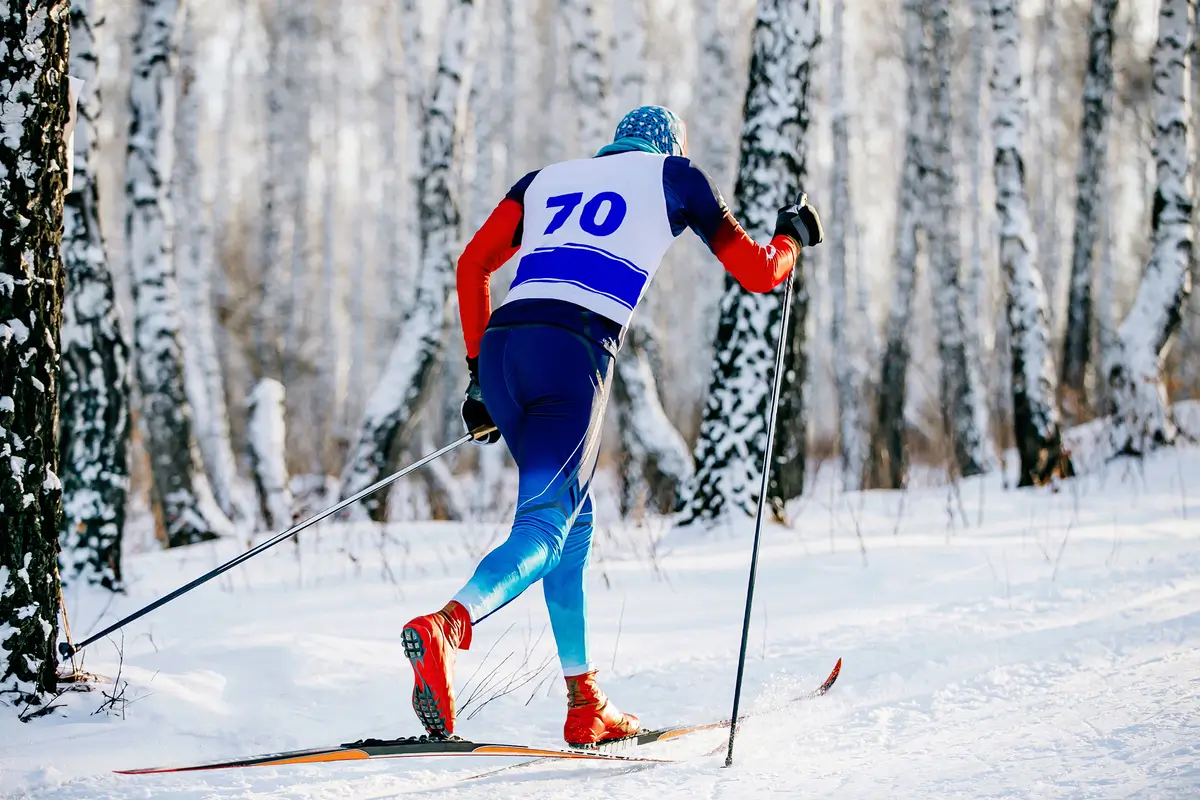
Cross-country skiers are reacting to the restructuring of distance events, which demands a different approach to pacing and endurance. The new formats require athletes to be more versatile and adaptable. Training programs are being revised to include more varied terrain and condition simulations.
Athletes are also focusing on strength and conditioning to handle the demands of the new distances. Coaches are working closely with athletes to develop personalized training plans that address the specific challenges of the restructured events.
Shooting Stage Adjustments
Biathlon competitors are discussing the adjustments to shooting stages, which they believe will impact their overall performance. The changes include modified target sizes and shooting distances. Athletes are adapting their techniques to the new requirements, focusing on precision and speed.
- Modified target sizes require more precise aiming.
- Shooting distances are being adjusted to challenge athletes further.
- Athletes are training under various conditions to simulate competition scenarios.
New Scoring Methodology
Nordic Combined athletes are adapting to the new scoring methodology, which requires a fresh strategy. The changes aim to make the competition more balanced and exciting. Athletes are revising their approach to the jump and ski components, optimizing their performance for the new scoring system.
The new methodology emphasizes both technical skill and endurance, making it essential for athletes to be well-rounded. Coaches and athletes are working together to analyze and adjust their techniques to maximize their scores under the new system.
Preparing for the Unknown: How Athletes Are Adapting Training Regimens
As the Olympic formats continue to evolve, athletes are faced with the challenge of adapting their training regimens to meet new competition demands. This adaptation process involves a multifaceted approach, including coaching strategies, mental preparation, and simulation training.
Coaching Strategies for New Competition Demands
Coaches are developing innovative strategies to address the new competition formats. These strategies include periodized training, where athletes focus on specific skills or disciplines during different phases of their training cycle. Coaches are also emphasizing the importance of flexibility and adaptability in their athletes’ training regimens.
| Coaching Strategy | Description | Benefit |
|---|---|---|
| Periodized Training | Focus on specific skills or disciplines during different training phases | Improved performance in targeted areas |
| Flexibility and Adaptability | Emphasis on adjusting training to meet new competition demands | Enhanced ability to adapt to changing circumstances |
Mental Preparation and Psychological Challenges
Mental preparation is a critical component of an athlete’s training regimen. Athletes are working with sports psychologists to develop coping strategies and mindfulness techniques to manage the psychological challenges associated with the new Olympic formats.
Athletes are also focusing on visualization techniques to prepare for different competition scenarios. This mental rehearsal helps build confidence and reduces anxiety.
Simulation Training and Practice Competition Formats
Simulation training is becoming increasingly important as athletes prepare for the new Olympic formats. By simulating competition conditions, athletes can refine their skills and develop strategies for different scenarios.
Technology Integration in Training Programs
The integration of technology in training programs is revolutionizing the way athletes prepare for competitions. Tools such as motion analysis software and virtual reality training are providing athletes with detailed insights into their performance and helping them fine-tune their skills.
Athletes are also benefiting from cross-sport learning and collaboration. By sharing knowledge and techniques across different sports, athletes can gain new insights and approaches to their training. This collaborative environment fosters innovation and helps athletes stay ahead of the competition.
The Generational Perspective: Olympic Veterans vs Rising Stars
As the Olympics evolve, a generational divide has emerged, with seasoned athletes and fresh faces offering contrasting views on the changes. The introduction of new formats at Milan Cortina 2026 has brought this divide to the forefront, with experienced Olympians and rising stars presenting different perspectives on the future of the Games.
Experienced Olympians Express Caution About Radical Changes
Veteran athletes, having competed in multiple Olympics, are approaching the new formats with a mix of caution and respect for tradition. “We’ve seen how the sport has evolved over the years, and while change can be good, it’s essential to preserve the core values of the Olympics,” said a seasoned Olympian.
“The new formats are exciting, but we mustn’t forget the history and the athletes who paved the way for us.”
These athletes bring a wealth of experience and a deep understanding of the Olympic spirit. Their cautious approach is rooted in the knowledge of what has worked in the past and a desire to ensure that the changes enhance the competition without losing the essence of the Games.
First-Time Olympic Hopefuls Show Enthusiasm for Innovation
On the other hand, first-time Olympic hopefuls are embracing the new formats with enthusiasm. They see the changes as an opportunity to make their mark on the Games and to compete in innovative ways. “The new formats are a game-changer for us young athletes. It’s exciting to be part of something new and to have the chance to compete in different ways,” said a rising star.
These athletes are eager to take on the challenges presented by the new formats and are looking forward to the opportunity to compete against the best in the world. Their enthusiasm is palpable, and they are ready to seize the moment and make a lasting impression.
Finding Balance Between Tradition and Progress
As the Olympics continue to evolve, finding a balance between tradition and progress is crucial. The new formats bring excitement and innovation, but they must be implemented in a way that respects the history and values of the Games. “It’s about finding that sweet spot where we can innovate while still honoring the traditions that make the Olympics so special,” said a member of the Olympic organizing committee.
By embracing the perspectives of both experienced Olympians and rising stars, the Olympics can move forward in a way that is inclusive, innovative, and true to its roots. As we look to the future, it’s clear that the generational perspective will play a significant role in shaping the Games.
Conclusion
As we reflect on the athletes’ reactions to the new Olympic formats at Milan Cortina 2026, it’s clear that the changes are significant and far-reaching. The perspectives of athletes from various disciplines highlight the complexity of adapting to these changes. We see a mix of enthusiasm and caution as athletes navigate the revised competition schedules, updated qualification standards, and innovative team competition formats.
The Olympic legacy is being shaped by these changes, with athlete perspectives playing a crucial role in determining the success of the new formats. As the Olympics continue to evolve, it’s essential to strike a balance between tradition and progress. By doing so, the Olympics can ensure a bright future for athletes, fans, and the sport as a whole.
As we look ahead to Milan Cortina 2026, it’s evident that the Olympics will continue to be a premier international sporting event, with athletes from around the world coming together to compete and showcase their talents. The changes being implemented will undoubtedly have a lasting impact on the Olympic legacy, and it’s exciting to consider what the future holds for this iconic event.
Learn More About the NIL Landscape
Name, Image, and Likeness plays an increasing role in college sports, and understanding how it works often requires more than individual articles or news updates.
RallyFuel is a platform focused on NIL-related topics across college athletics. It brings together information about athletes, NIL activity, and the broader structure behind modern college sports, helping readers explore the topic in more depth.
FAQ
What are the main changes to the Olympic format at Milan Cortina 2026?
The main changes include the expansion of mixed team events, revised competition schedules, updated qualification standards, and new judging criteria in various sports.
How do athletes feel about the new Olympic formats?
Athletes have mixed reactions, ranging from enthusiasm for the innovation to caution about the radical changes, with some expressing concerns about the impact on their performance and competition.
What are the implications of the new mixed relay and distance changes in speed skating?
The changes require athletes to adapt their training regimens, with long track specialists focusing on individual event format updates and short track teams preparing for the new mixed gender relay strategy.
How have figure skating competitors reacted to the judging system overhaul?
Figure skating competitors are divided, with singles competitors analyzing technical element score adjustments, pairs and ice dance teams discussing performance length modifications, and American stars like Nathan Chen sharing their insights and concerns.
What are the concerns of moguls athletes in freestyle skiing?
Moguls athletes are expressing concerns about scoring transparency, believing it is crucial for fair competition.
How are athletes adapting their training regimens to the new Olympic formats?
Athletes are adapting by focusing on coaching strategies for new competition demands, mental preparation, simulation training, and technology integration in their training programs.
What is the generational perspective on the new Olympic formats?
Experienced Olympians are expressing caution, while first-time Olympic hopefuls are showing enthusiasm for the innovation, highlighting the challenge of finding a balance between tradition and progress.
How do the changes affect ice hockey tournaments?
NHL stars are commenting on the condensed tournament structure, women’s hockey players are celebrating expanded medal opportunities, and Team USA hockey representatives are sharing their thoughts on group stage changes.
What are the reactions of snowboarding athletes to the new team competition formats?
Halfpipe athletes are embracing mixed gender showdowns, slopestyle and big air competitors are discussing judging criteria updates, and American snowboarding stars are sharing their excitement and concerns.
How do the changes impact Nordic combined and biathlon athletes?
Cross-country skiers are reacting to distance event restructuring, biathlon competitors are discussing shooting stage adjustments, and Nordic combined athletes are adapting to the new scoring methodology.
What role does technology play in the new training regimens?
Technology integration is being used in training programs to help athletes adapt to the new competition demands and formats.



Leave a Comment