
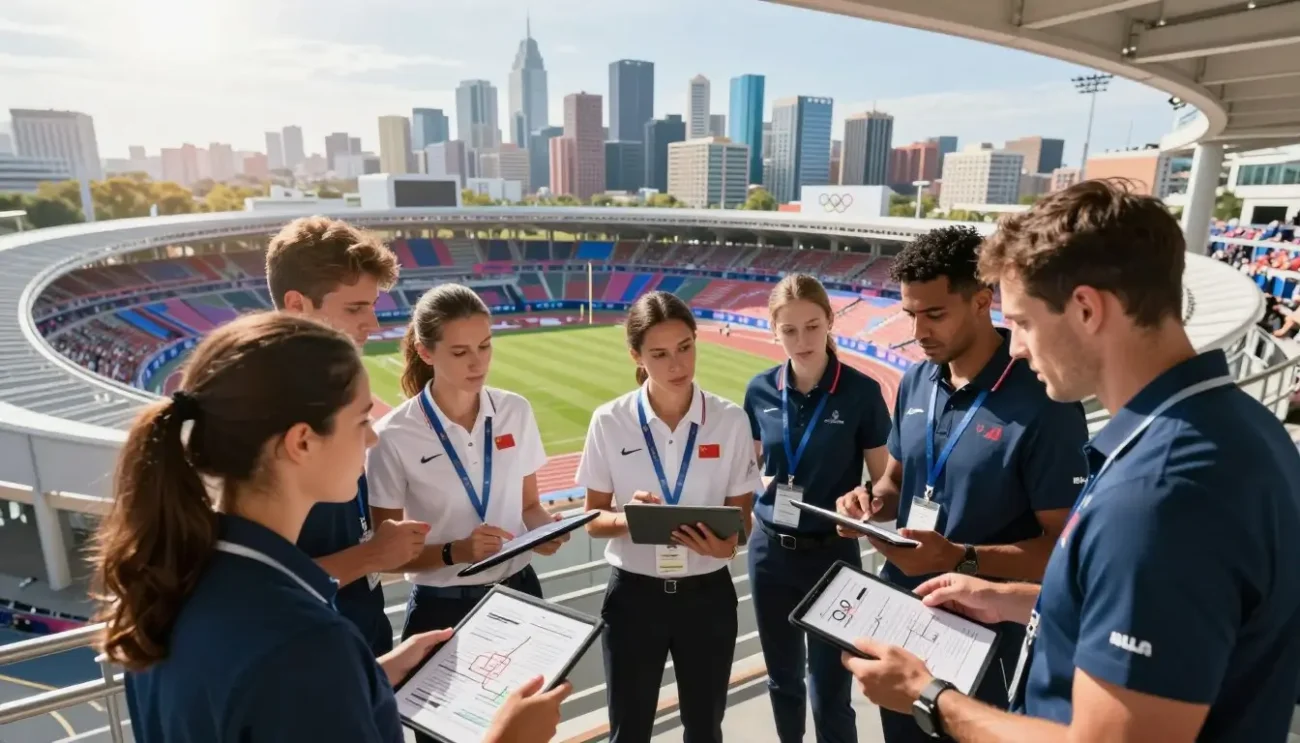
The Olympic Games have undergone significant transformations in recent years, introducing new competition formats that impact how national teams prepare and strategize. As we explore these changes, we consider the perspectives of athletes, coaches, and fans to understand the broader implications.
These changes in Olympic formats have raised important questions about athlete readiness and the overall competitiveness of national teams. We analyze how teams adapt their strategies in response to the evolving Olympic landscape.
Understanding Recent Olympic Format Changes
The International Olympic Committee (IOC) has introduced several key changes to Olympic formats, revolutionizing the way national teams compete. These changes reflect the evolving landscape of sports and the IOC’s efforts to make the Games more inclusive and appealing to younger audiences.
Mixed-Gender Team Events and Their Rise
One of the most significant changes has been the introduction and expansion of mixed-gender team events. This shift towards greater gender equality in Olympic competitions has required national teams to adapt their training programs and roster selection processes. Mixed-gender events not only promote equality but also bring new dynamics to the competitions, as athletes with different skill sets and strategies come together to form cohesive units.
The rise of mixed-gender events has also led to increased versatility among athletes. Many competitors are now expected to be proficient in multiple roles or disciplines, making the selection and training processes more complex for national teams.
Shortened Competition Schedules
Another notable change is the shortening of competition schedules in various Olympic sports. This alteration demands that athletes and teams be more efficient in their preparation and execution. With less time between events, national teams must adopt more streamlined training cycles and recovery protocols to maintain peak performance levels.
The condensed schedules also require coaches and strategists to be highly adaptable, making real-time adjustments to their game plans and athlete rotations. This fast-paced environment can lead to both opportunities and challenges for competitors.
New Scoring Systems and Point Structures
The IOC has also implemented new scoring systems and point structures in several Olympic disciplines. These changes often aim to increase the excitement and competitiveness of the events, sometimes by rewarding risk-taking or innovative strategies.
National teams must now study and adapt to these new systems, developing strategies that maximize their scoring potential within the new frameworks. This may involve rethinking traditional approaches to training and competition.
Addition of Urban Sports and Youth-Oriented Disciplines
The inclusion of urban sports and youth-oriented disciplines has been a significant factor in the IOC’s efforts to modernize the Olympic Games. Sports like skateboarding, sport climbing, and 3×3 basketball have brought fresh energy to the Olympics, attracting a new generation of athletes and fans.
These new disciplines require national teams to invest in different types of training facilities and coaching expertise. They also present opportunities for countries to develop new talent pipelines and competitive advantages in areas that were previously underrepresented in the Olympic program.
How New Olympic Formats Affect National Team Strategies in Training Programs
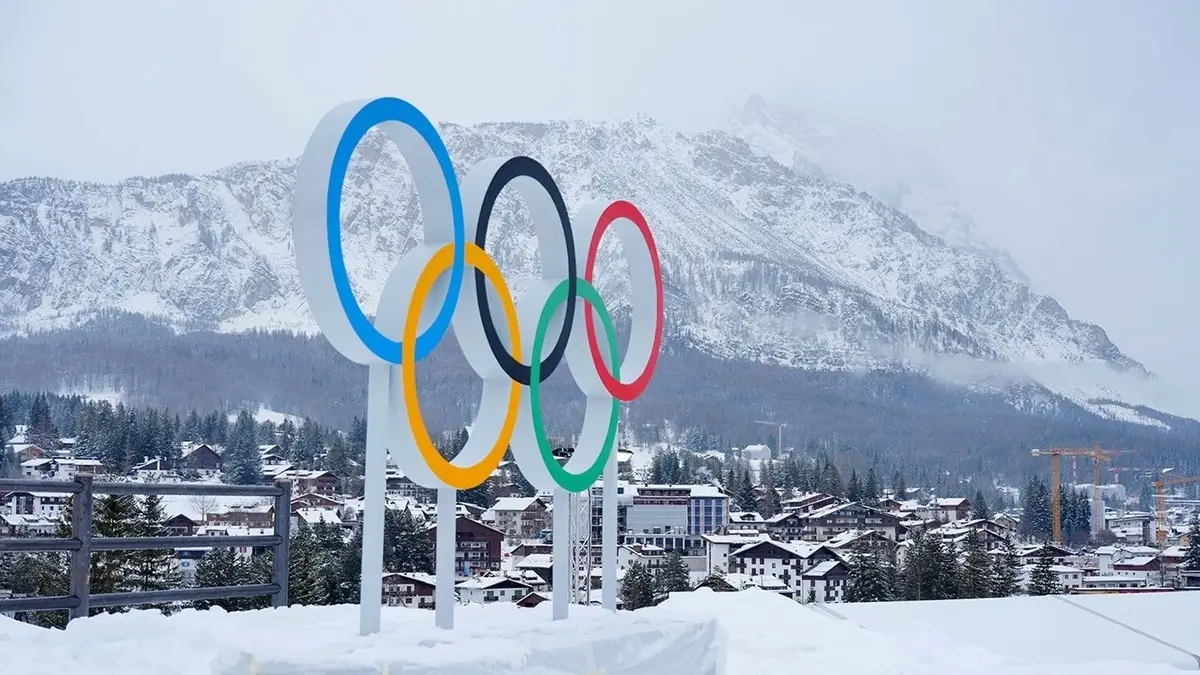
New Olympic formats are reshaping the way national teams approach their training programs. As the Olympic Games continue to evolve, incorporating new sports and changing competition structures, national teams must adapt their training regimens to stay competitive.
Adapting Periodization Models for Format Changes
One of the key challenges national teams face is adapting their periodization models to the new Olympic formats. Periodization refers to the systematic planning of athletic training to peak at the right time. With the introduction of new sports and changes in competition schedules, teams must now adjust their periodization models to ensure athletes are at their peak performance during the Olympic Games.
Compressed Training Cycles
The compressed training cycles required by the new Olympic formats demand innovative coaching strategies. Coaches must now design training programs that can be completed in shorter time frames without compromising athlete development. This involves intensive training blocks and careful recovery management.
Multi-Peak Preparation Approaches
Some athletes may need to peak multiple times during a season, including during the Olympic Games and other major competitions. This requires a multi-peak preparation approach, where coaches plan training cycles to ensure athletes are at their best at multiple points throughout the year.
Cross-Training Requirements for Multi-Event Athletes
The rise of multi-event athletes participating in mixed-gender team events and other new Olympic formats has increased the demand for cross-training. Athletes now need to develop a broader range of skills to compete effectively across different events.
Developing Versatile Skill Sets
Coaches are focusing on developing versatile skill sets in their athletes. This involves incorporating a variety of training methods and exercises to enhance overall athleticism. For instance, athletes might engage in strength training, agility drills, and endurance exercises to improve their performance across multiple events.
Recovery Protocols for Varied Demands
With athletes competing in multiple events, recovery protocols have become crucial. Teams are implementing advanced recovery techniques such as cryotherapy, compression garments, and personalized nutrition plans to ensure athletes can recover quickly and perform at their best.
Simulation of New Competition Structures
To prepare athletes for the new Olympic formats, teams are simulating the competition structures during training. This includes practicing under conditions that mimic the actual Olympic events, such as simulated relay races or mixed-gender team competitions.
By simulating these new competition structures, national teams can better prepare their athletes for the unique challenges they will face at the Olympic Games. This approach helps in developing strategies and building athlete confidence in a controlled environment.
Roster Selection and Athlete Specialization Shifts
As Olympic formats evolve, teams are shifting their focus towards versatility in roster selection. The traditional approach to athlete specialization is being reevaluated in light of new competition structures and mixed-gender events.
Versatility Over Specialization
The emphasis on versatility is driven by the need for athletes to compete in multiple events or disciplines. This shift requires teams to identify athletes with the potential to excel in various formats.
Identifying Multi-Discipline Athletes
Coaches and selectors are now looking for athletes who can adapt to different competition environments. Testing protocols are being developed to assess an athlete’s adaptability and potential for cross-training.
Testing Protocols for Adaptability
These protocols involve a range of assessments, including:
- Physical evaluations to determine an athlete’s endurance and agility
- Technical skill assessments to identify areas for development
- Mental toughness evaluations to gauge an athlete’s ability to perform under pressure
Depth Chart Considerations
A well-structured depth chart is crucial for teams competing in the new Olympic formats. Coaches must balance the need for experienced athletes with the development of younger talent.
Age and Experience Balance in Mixed Events
Mixed-gender events present unique challenges for teams. The dynamics of gender pairing and the need for effective communication and chemistry between partners are critical factors.
Gender Pairing Dynamics
Coaches must consider the compatibility of athletes in terms of skill level, personality, and competitive style. Effective pairing can significantly enhance a team’s chances of success.
Communication and Chemistry Factors
As noted by a renowned coach, “The ability of athletes to communicate effectively and develop a strong chemistry is just as important as their technical skills.” Teams that build a positive and encouraging culture are more likely to succeed in mixed events.
“The key to success in mixed-gender events lies in the ability of athletes to adapt to each other’s strengths and weaknesses.” — Olympic Coach
By focusing on versatility, depth, and effective pairing, teams can optimize their roster selection and improve their chances of success in the evolving Olympic landscape.
Budget Reallocation and Resource Management
With the evolution of Olympic formats, budget reallocation and resource management have become critical for national team success. As you navigate these changes, it’s essential to understand how to optimize your resources effectively.
Funding Redistribution Across Sports Programs
National teams are now required to redistribute their funding across various sports programs to accommodate new Olympic formats. This involves evaluating current resource distribution and making adjustments to strengthen emerging disciplines.
USOPC Investment Priorities
The United States Olympic and Paralympic Committee (USOPC) is prioritizing investments in programs that show potential for success in new Olympic formats. This includes allocating funds to athlete development programs, coaching staff, and infrastructure development.
Private Sponsorship Shifts
Private sponsorship is also evolving, as companies show growing interest in backing sports and athletes competing in new Olympic formats. National teams are leveraging these sponsorship opportunities to supplement their budgets.
Infrastructure Investment for New Disciplines
Infrastructure investment is essential for new Olympic disciplines, including building specialized facilities, equipment, and technology tailored to their unique demands.
For instance, the inclusion of urban sports like skateboarding has led to investments in skate parks and related infrastructure. Similarly, the introduction of sport climbing has necessitated the development of climbing facilities.
Coaching Staff Expansion and Specialization
The evolving Olympic landscape requires national teams to expand and specialize their coaching staff. This involves hiring coaches with expertise in new formats and disciplines.
Hiring Format-Specific Experts
National teams are now hiring format-specific experts who can provide strategic guidance and technical expertise in new Olympic formats. This includes coaches, analysts, and other key staff members.
Collaborative Coaching Models
Collaborative coaching models are becoming increasingly popular, where coaches from different sports and disciplines work together to develop comprehensive training programs. This approach fosters innovation and enhances athlete development.
As national teams continue to adapt to new Olympic formats, effective budget reallocation and resource management will remain critical to their success.
| Area | Pre-Format Change | Post-Format Change |
|---|---|---|
| Funding Allocation | Traditional sports-focused | Diversified across new formats |
| Infrastructure | Limited to traditional sports | Investments in new disciplines |
| Coaching Staff | Generalized coaching expertise | Specialized coaches for new formats |
Tactical and Game Plan Modifications
The evolution of Olympic sports formats demands that national teams innovate their tactical and game plan modifications to stay competitive. As new formats are introduced, teams must adapt their strategies to optimize performance.
Strategic Adjustments for Team-Based Formats
Team-based formats require strategic adjustments to maximize team potential. Two critical aspects of this are lineup sequencing decisions and substitution pattern optimization.
Lineup Sequencing Decisions
Coaches must carefully consider the order in which athletes are deployed. Effective lineup sequencing can significantly impact team performance.
- Identify key player strengths and weaknesses
- Analyze opponent strategies
- Optimize player positioning for maximum impact
Substitution Pattern Optimization
Substitution patterns can greatly influence the outcome of team-based competitions. Teams must develop strategies for when and how to substitute players.
| Substitution Strategy | Advantages | Disadvantages |
|---|---|---|
| Early Substitution | Provides rest for key players | May disrupt team momentum |
| Late Substitution | Maintains team momentum | May lead to player fatigue |
Risk Management in Shortened Events
Shortened events require teams to manage risk effectively. This involves assessing the potential risks and rewards of different strategies.
Risk management strategies include:
- Conservative play to minimize risk
- Aggressive play to maximize reward
- Adaptive strategies based on event progression
Real-Time Decision Making Protocols
Effective real-time decision making is crucial in fast-paced Olympic competitions. Teams must develop protocols for communication and contingency planning.
Communication Systems During Competition
Clear and efficient communication is vital for successful real-time decision making. Teams should establish robust communication systems.
Contingency Planning for Format Variables
Teams must anticipate and plan for potential variables introduced by new formats. This includes developing contingency plans for different scenarios.
By adopting these strategies, national teams can optimize their tactical and game plan modifications to succeed in the evolving Olympic landscape.
Youth Development Pipeline Transformations
New Olympic formats are driving transformations in how we identify and develop young athletic talent. As the Olympic landscape evolves, national teams are faced with the challenge of adapting their youth development strategies to meet the new demands.
Identifying Talent for New Format Requirements
The introduction of mixed-gender team events and new disciplines has necessitated a shift in how we identify talented young athletes. Traditional scouting methods may no longer be sufficient, as the requirements for success in these new formats can be quite different from their traditional counterparts.
Scouting Criteria Evolution
Scouting criteria are evolving to prioritize athletes who can adapt to multiple roles and formats. For instance, in mixed-gender events, athletes need to be versatile and capable of performing under various conditions. This shift requires scouts to look beyond traditional metrics and focus on athletes’ overall athleticism, adaptability, and potential for growth.
Early Specialization Versus Multi-Sport Development
The debate between early specialization and multi-sport development is becoming increasingly relevant. While early specialization can lead to excellence in a specific sport, multi-sport development can foster overall athleticism and reduce the risk of burnout and injury. National teams are now considering the benefits of encouraging young athletes to participate in multiple sports before specializing.
Grassroots Program Restructuring
Grassroots programs are being restructured to align with the new Olympic formats. This involves developing programs that focus on the skills required for the new disciplines and mixed-gender events. By doing so, national teams can create a strong foundation for future Olympic success.
Long-Term Athlete Development Pathways
Long-term athlete development pathways are being reevaluated to ensure they align with the changing Olympic landscape. This includes adjusting collegiate programs and junior national team structures to better foster the development of young athletes.
Collegiate Program Alignment
Collegiate programs are being aligned with the new Olympic formats by incorporating training modules that focus on the skills required for these formats. This ensures that collegiate athletes are well-prepared for the next stage of their development.
Junior National Team Modifications
Junior national teams are being modified to reflect the new Olympic formats. This includes adjusting selection criteria, training programs, and competition schedules to ensure that young athletes are gaining the necessary experience and exposure.
By transforming youth development pipelines, national teams can build a strong foundation for future Olympic success. This involves a multifaceted approach that includes evolving scouting criteria, restructuring grassroots programs, and modifying long-term athlete development pathways.
Technology and Data Analytics Integration
In response to the evolving Olympic formats, national teams are leveraging technology and data analytics to drive their success. The integration of these advanced tools enables teams to gain a competitive edge by optimizing their performance and making informed strategic decisions.
Performance Tracking for Format-Specific Metrics
The new Olympic formats require athletes to perform under diverse and often challenging conditions. To prepare for these demands, teams are utilizing advanced performance tracking systems. These systems focus on format-specific metrics that are crucial for success in the new Olympic events.
Wearable Technology Applications
Wearable technology has become an essential tool for tracking athlete performance in real-time. Devices equipped with GPS, heart rate monitors, and accelerometers provide valuable data on athlete workload, fatigue levels, and recovery times. This information allows coaches to tailor training programs to the specific needs of each athlete, enhancing overall team performance.
Biomechanical Analysis for New Events
The introduction of new events, such as skateboarding and sport climbing, has necessitated the use of biomechanical analysis to optimize athlete technique. High-speed cameras and motion capture systems help coaches identify areas for improvement, enabling athletes to refine their skills and gain a competitive advantage.
Predictive Modeling for Medal Prospects
Predictive modeling has emerged as a powerful tool for national teams looking to forecast their medal prospects. By analyzing historical data, current performance trends, and competitor statistics, teams can develop data-driven strategies to maximize their chances of success.
“Data analytics allows us to make informed decisions about athlete selection, training programs, and competition tactics,” says a coach from a top-performing national team. “It’s about gaining that extra edge to stand on the podium.”
Video Analysis of New Competition Structures
Video analysis has become an indispensable tool for teams competing in the new Olympic formats. By reviewing footage of past competitions and analyzing the strategies employed by top athletes, teams can gain valuable insights into effective tactics and techniques.
Opponent Scouting Methods
Advanced video analysis software enables teams to conduct thorough opponent scouting. By identifying strengths, weaknesses, and patterns in an opponent’s performance, teams can develop targeted strategies to counter their opponents’ tactics.
Tactical Pattern Recognition
Tactical pattern recognition is another critical aspect of video analysis. By analyzing the tactics employed by top athletes and teams, coaches can identify effective patterns and incorporate them into their own training programs.
As the Olympic landscape continues to evolve, the integration of technology and data analytics will remain a key factor in determining success. National teams that effectively leverage these tools will be well-positioned to achieve their goals and stand on the podium.
Case Studies from Recent Olympic Cycles
Team USA has been at the forefront of adapting to new Olympic formats in recent years. The introduction of new sports and changes in existing competition structures have prompted innovative strategies across various disciplines.
Team USA Basketball 3×3 Format Adaptation
The shift to 3×3 basketball required Team USA to rethink their approach, moving from the traditional 5×5 format. This involved not only selecting players with the right skill set but also adapting their tactics to the faster-paced, more intense 3×3 game.
Player Selection Challenges
Selecting the right players for 3×3 basketball presented unique challenges. The team needed athletes who could excel in a half-court game, emphasizing skills like shooting, ball handling, and defensive prowess.
Tactical Differences from 5×5 Basketball
The tactics employed in 3×3 basketball differ significantly from those in 5×5. The smaller court and reduced team size mean that players must be highly versatile, capable of both scoring and defending effectively.
Swimming Mixed Relay Strategy Evolution
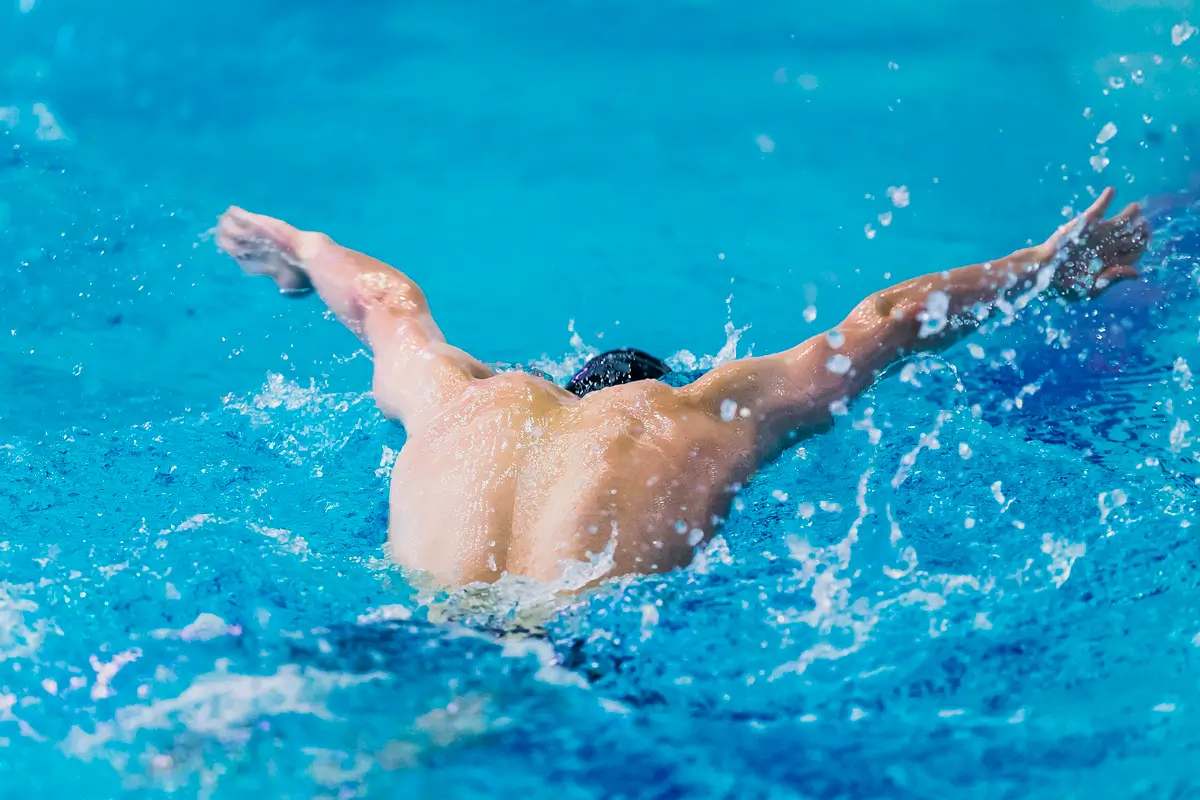
The introduction of mixed relay events in swimming has added a new layer of complexity to team strategy. Team USA has had to carefully consider the order of swimmers to maximize their chances of success.
Order Selection Considerations
Deciding the order of swimmers in a mixed relay involves balancing individual strengths with the dynamics of relay swimming. Factors such as start technique, relay exchange efficiency, and psychological resilience play crucial roles.
Training Camp Integration Methods
To prepare for mixed relay events, Team USA incorporates specific relay training into their camps. This includes practicing different relay starts, exchanges, and strategies for various race scenarios.
Athletics Mixed-Gender Relay Innovations
Athletics mixed-gender relay events have also seen strategic innovations. Team USA has focused on optimizing the order of athletes to leverage their strengths across different legs of the relay.
USA Track and Field Approach
The USA Track and Field team has developed a nuanced approach to mixed-gender relays, considering factors like athlete versatility, speed, and endurance. This involves detailed analysis and simulation during training.
Gender Order Optimization
Optimizing the gender order in mixed relays requires careful consideration of individual athlete capabilities and how they complement each other. This can significantly impact the team’s overall performance.
Skateboarding and Sport Climbing Integration Success
The inclusion of skateboarding and sport climbing as new Olympic sports has presented opportunities for innovation. Team USA has focused on developing grassroots programs to identify and nurture talent.
Grassroots to Elite Pathway Development
Creating a pathway from grassroots to elite level involves establishing robust development programs. This includes coaching clinics, talent identification camps, and structured competition series.
Coaching Philosophy Adaptation
Coaches have had to adapt their philosophies to suit the new sports, focusing on skills specific to skateboarding and sport climbing. This includes an emphasis on mental preparation and risk management.
Conclusion
As we have seen, the new Olympic formats have significantly impacted national team strategies, driving adaptations in training programs, roster selection, and tactical approaches. The ability to innovate and adapt will be crucial for success in the Olympic Games. By understanding the effects of Olympic format changes on national team strategies, we can optimize athlete readiness and achieve our goals.
You, as athletes, coaches, and fans, play a vital role in this process. Leveraging technology, data analytics, and youth development pipelines will be key to staying ahead. As national teams continue to evolve, their strategies will be shaped by the changing Olympic landscape.
Ultimately, the future of Olympic success depends on our collective ability to adapt, innovate, and help athletes pursue excellence. By doing so, we can ensure that national teams remain competitive and achieve their goals on the world stage.
Learn More About the NIL Landscape
Name, Image, and Likeness plays an increasing role in college sports, and understanding how it works often requires more than individual articles or news updates.
RallyFuel is a platform focused on NIL-related topics across college athletics. It brings together information about athletes, NIL activity, and the broader structure behind modern college sports, helping readers explore the topic in more depth.
FAQ
What are the main changes in the new Olympic formats?
The new Olympic formats have introduced mixed-gender team events, shortened competition schedules, new scoring systems, and urban sports, requiring national teams to adapt their strategies and training programs.
How do mixed-gender team events affect national team strategies?
Mixed-gender team events require teams to adapt their training programs, roster selection, and tactical approaches to accommodate athletes of different genders, ages, and skill levels.
What adjustments do national teams need to make in their training programs?
National teams need to adjust their periodization models, incorporate cross-training, and simulate new competition structures to prepare athletes for the demands of the new Olympic formats.
How do new scoring systems and point structures impact national team strategies?
New scoring systems and point structures necessitate strategic adjustments, such as optimizing lineup sequencing and substitution patterns, to maximize team performance.
What role does technology play in helping national teams adapt to new Olympic formats?
Technology, including wearable technology, biomechanical analysis, and predictive modeling, helps national teams gain a competitive edge by optimizing performance, identifying areas for improvement, and informing tactical decisions.
How do national teams identify talent for new format requirements?
National teams identify talent by evolving scouting criteria, assessing athlete adaptability, and developing versatile skill sets to meet the demands of the new Olympic formats.
What changes are occurring in youth development pipelines?
Youth development pipelines are being transformed by restructuring grassroots programs, aligning collegiate programs, and modifying junior national teams to develop athletes with the skills and adaptability required for the new Olympic formats.
How are national teams reallocating their budgets in response to new Olympic formats?
National teams are reallocating budgets by redistributing funding across sports programs, investing in infrastructure, and expanding coaching staff to adapt to new Olympic formats.
What are some key considerations for roster selection in new Olympic formats?
Roster selection involves considering versatility over specialization, identifying multi-discipline athletes, balancing age and experience, and assessing depth chart dynamics to optimize team performance.
How do national teams manage risk in shortened events?
National teams manage risk by developing real-time decision-making protocols, implementing effective communication systems, and creating contingency plans to adapt to the variables introduced by new formats.



Leave a Comment