
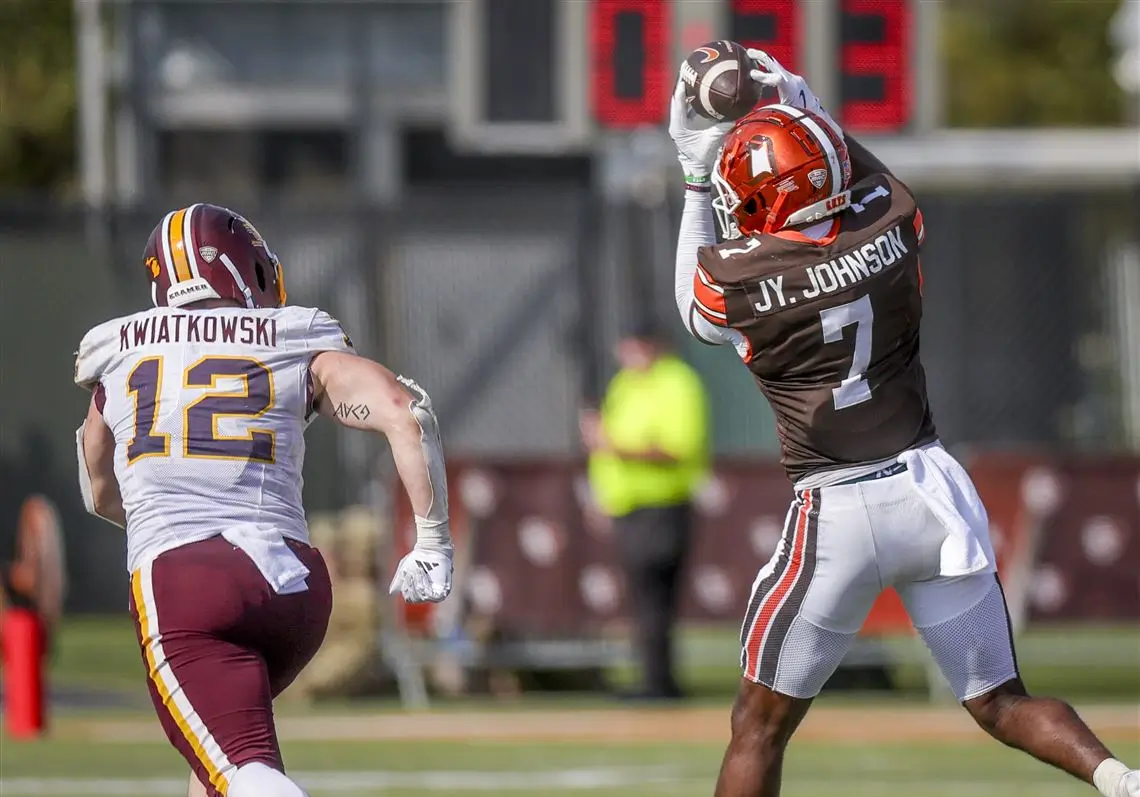
Walking up Old Main Hill or cheering inside the Dee Glen Smith Spectrum feels timeless, but for the students wearing the jerseys, the economic landscape has shifted entirely. For decades, the “Aggie Way” meant playing solely for the love of the game and a tuition slip. Today, that amateurism model has evolved into a dynamic marketplace where college athlete NIL rights allow players to operate like small businesses. It is no longer just about the scholarship; it is about recognizing the commercial value of the name on the back of the jersey.
This shift centers on three letters: NIL, which stands for Name, Image, and Likeness. At its core, this is simply the “Right of Publicity.” Just as a music student can teach piano lessons for cash or a computer science major can code a paid app, student-athletes now have the legal right to profit from their personal brand. Whether it is a quarterback signing autographs at a local grocery store or a gymnast promoting a Main Street boutique, nil deals Utah state athletes sign are essentially transactions for marketing services, separating them from the old NCAA restrictions that prohibited players from earning a dime.
While the rules have changed, the goal for fans remains the same: winning games and keeping talent in Logan. In the past, a scholarship was usually enough to lock in a roster, but modern retention requires more. Industry trends and the evolving USU athletic department NIL policy acknowledge a hard truth—to prevent star players from transferring to “Power 4” schools with deeper pockets, there must be competitive opportunities right here in Cache Valley.
Unlike the massive corporate sponsorships driving programs at larger universities, Utah State’s approach relies heavily on the strength of its tight-knit community. Success here isn’t about writing a blank check; it is about local businesses and fans creating an ecosystem where athletes feel valued. By understanding how this system works, fans can see that supporting NIL isn’t about ruining the purity of college sports, but ensuring the Aggies have the resources to compete in this brave new world.
Summary This article explains how NIL (Name, Image, and Likeness) works for Utah State athletes, positioning them as small-business marketers who earn through service-based deals rather than school salaries. It covers Utah’s favorable laws and USU’s facilitation policies, the role of The Blue A Collective and local brand partnerships, and a retention-first strategy to keep talent in Logan. It highlights compliance, fair market value, disclosure, and tax obligations, with practical ways fans and small businesses can support athletes via appearances, autographs, and endorsements. A comparison with BYU underscores USU’s community-driven advantages and challenges and looks ahead to potential revenue-sharing changes.
What Exactly is ‘NIL’? Why Your Favorite Aggie Finally Gets Paid Like a Local Influencer
For decades, putting on a Utah State uniform meant signing away the rights to your own identity, but recent rule changes have returned those rights to the players. This privilege allows a linebacker to monetize their fame, just as any other student on the Logan campus can launch a startup or offer private tutoring. This isn’t a salary paid by the university for playing sports; it is the freedom to sign brand sponsorship deals with third parties. Effectively, the college athlete NIL landscape has transformed players from amateur participants into business owners.
Generating revenue requires breaking down the acronym itself. Name, Image, and Likeness covers three distinct assets a student-athlete can now monetize:
- Name: The specific identity on the back of the jersey or an autograph signed at a fan event.
- Image: Photographs or video footage used in advertisements, such as a point guard appearing in a commercial for a Cache Valley car dealership.
- Likeness: Representations of the athlete, including caricatures on merchandise or digital avatars in video games.
Think of these athletes less as employees and more as “micro-influencers” within the local market. Just as a food blogger might get paid to post about a new restaurant on Main Street, a USU gymnast can now accept payment for promoting a local boutique on Instagram. The critical distinction here is “service-based compensation.” The athlete must actually do something—sign the autograph, post the tweet, or show up to the event—to legally earn the money. However, while federal rules opened the door, it is specifically Utah’s state legislation that determines how wide that door swings open for the Aggies.
How Utah’s ‘Shield’ Laws Give USU an Edge Over Out-of-State Competitors
While the NCAA once enforced a rigid, nationwide rulebook, the Utah legislative impact on college athletics has created a distinct local advantage for the Aggies. For years, college sports operated under a blanket of federal-style restrictions, but recent shifts have moved the power back to individual states. Utah lawmakers recognized this opportunity early, passing legislation that effectively tells the NCAA that state law supersedes private association bylaws. This legal maneuver acts as a protective buffer, allowing Utah State University to operate with confidence while schools in states with slower legislative processes are left guessing which rules still apply.
This legislative shield drastically changes USU athletic department NIL policy regarding direct involvement. Under previous interpretations and in states with stricter regulations, coaches and athletic directors had to maintain a strict firewall between themselves and any money flowing to athletes. They often couldn’t even make introductions without risking violations. Today, USU staff can actively facilitate deals. They are legally permitted to educate athletes on contracts, provide branding resources, and help connect a player with a Cache Valley business looking for a spokesperson, provided the university itself isn’t writing the check.
State-level protections essentially prohibit the NCAA from punishing local schools for following their own laws, removing the fear that once paralyzed athletic departments. It turns the administration from a passive observer into an active partner in the athlete’s success. This stability acts as a major selling point for recruits who want assurance that the school will support their financial growth rather than obstructing it.
Even though the university can now facilitate these connections, they still cannot be the bank. The actual funds must come from private sources outside the university budget. To handle this financial heavy lifting, a specialized external organization has emerged to pool resources from fans and businesses, ensuring Aggie athletes remain competitive in the market.
Inside ‘The Blue A’: How USU’s Collective Secures the Future of the Spectrum
While the university administration opens doors, the financial engine keeping the lights on for athlete compensation is a separate entity entirely. This is where “The Blue A Collective” steps onto the court. Think of the collective not as a corporate sponsor, but as a dedicated “community chest” for Utah State athletics. It functions as an independent organization designed to gather contributions from alumni, fans, and boosters, aggregating those funds into a single, powerful resource. By pooling money from hundreds of smaller donors rather than relying solely on a few wealthy benefactors, The Blue A ensures that USU can offer the kind of consistent financial opportunities necessary to compete with deeper-pocketed schools in the Mountain West and beyond.
Unlike a traditional endorsement where a player might star in a commercial for a specific car dealership, collective agreements are broader. The difference between Collective vs brand sponsorship deals is crucial for fans navigating this new landscape. A car dealership pays for a specific advertisement, but the collective pays athletes for community engagement, charity work, or exclusive fan interactions. This structure creates a baseline of financial support for the roster, stabilizing the team’s income. It allows a fan in Logan who can only contribute a modest amount to have the same impact as a major donor, because every dollar feeds into the same pool designed to keep talent wearing Aggie blue.
The primary goal of this pooled resource is roster retention. In an era where the transfer portal tempts star players with promises of greener pastures, The Blue A provides a competitive reason to stay in Logan. It transforms fan passion into a tangible “staying bonus” for the quarterback or point guard who might otherwise look elsewhere. For those wondering how to support Utah State Aggie athletes most directly, the collective offers the most efficient path to keeping the team intact. However, while the collective creates a baseline, it isn’t the only player in the game; local businesses are also finding creative ways to turn individual players into hometown marketing stars.
Turning Local Fame into Logan Fortune: How Aggies Partner with Cache Valley Businesses
Beyond the collective’s pooled resources, a different economic engine is humming on Main Street. Direct brand deals represent the classic endorsement model, but scaled down for the collegiate level. Here, a business pays a specific athlete to promote a product or service, creating a transaction that feels surprisingly familiar to anyone who has hired a local influencer or placed a newspaper ad. This isn’t just charity; it is a strategic business move where Logan business partnership opportunities for athletes turn Saturday heroism into Monday sales.
Determining the price tag for these services requires understanding “Fair Market Value” (FMV). FMV ensures the payment matches the work provided—an athlete cannot be paid $50,000 just to sign one autograph, as that looks like a recruiting bribe disguised as a deal. Instead, businesses assess an athlete’s social media reach, local popularity, and engagement rates. For a star player, a social media post might be worth hundreds of dollars because it puts a restaurant’s new menu in front of thousands of hungry students. This guardrail keeps Utah NIL deals compliant with NCAA rules while ensuring businesses get actual marketing ROI.
In Cache Valley, these partnerships often reflect the unique flavor of the community. Authentic collaborations usually perform best because fans recognize the genuine connection between the player and the town. Common examples include:
- Local Car Dealerships: Firms like Young Automotive providing lease deals in exchange for promotional appearances.
- Food & Dairy: Athletes promoting Gossner Foods, capitalizing on the region’s famous dairy heritage.
- Lifestyle & Fitness: Gymnasts or runners partnering with local boutiques or gyms to showcase activewear.
Ultimately, a strong Logan business partnership does more than put cash in a student’s pocket; it weaves them into the fabric of the community. When a player represents a local hardware store or coffee shop, they become a neighbor rather than just a jersey number. However, as money changes hands, the paperwork must be flawless. One wrong signature can endanger a season.
The Eligibility Trap: What Every Aggie Fan Must Know to Keep Players on the Field
Excitement around new financial opportunities is high, but anxiety about breaking the rules is just as real for many fans. The foundation of NIL compliance for Aggie boosters rests on a concept called “quid pro quo,” or “this for that.” An athlete must perform actual work to receive payment. Handing a player cash simply for being on the roster is a violation, but paying that same player to sign autographs at a Main Street business is a legitimate job.
The line gets even thinner when bringing new talent to Logan. NCAA eligibility rules for name image likeness strictly forbid “inducements,” which are promises of specific payments made to convince a recruit or transfer to commit to Utah State. A business cannot say, “Sign with the Aggies and we guarantee you $10,000.” The deal can only be structured once the athlete is enrolled, ensuring money rewards work performed rather than influencing the decision to attend.
To prevent accidental violations, the university’s internal compliance office acts as the ultimate referee. These officials review every proposed contract to ensure the “work” is clearly defined and the compensation matches the market rate. This institutional oversight acts as a protective shield for both the donor and the athlete, verifying that a generic appearance fee isn’t actually a disguised recruiting bribe.
Keeping the paperwork clean ensures the team stays eligible, but legality doesn’t guarantee profitability. Once an athlete is cleared to work, they must figure out how to stand out in a crowded digital marketplace. A compliant contract keeps them on the field, but their personal flair is what drives value.
Building an ‘Aggie Brand’: How Student-Athletes Market Themselves on the Hill
Scoring touchdowns in Romney Stadium or draining threes in the Spectrum used to be the only way an athlete gained recognition, but the modern game requires a digital strategy. Building a personal brand as an Aggie student-athlete is surprisingly similar to launching a startup on Main Street; talent is the product, but personality is the marketing. Fans in Logan respond to authenticity, meaning an athlete who shares behind-the-scenes practice footage or interacts with the student section often generates more commercial value than a quiet superstar. In this new economy, visibility and engagement are just as important as the final score on the board.
Local businesses, from North Logan car dealerships to downtown frozen yogurt shops, are specifically looking for partners who reflect Cache Valley’s values rather than just chasing national trends. In this unique micro-market, character serves as a high-value financial asset. When a gymnast volunteers at a local elementary school or a linebacker promotes a charity drive, they aren’t just being good citizens; they are demonstrating reliability to potential sponsors. College athlete NIL success at Utah State often hinges on being a approachable “hometown hero,” creating a sense of trust that makes a paid endorsement feel like a recommendation from a friend rather than a generic advertisement.
To ensure students maximize this potential without getting overwhelmed, the athletic department provides resources that act as a career accelerator. Access to professional game photos for Instagram and workshops on financial literacy turn 19-year-olds into savvy entrepreneurs who understand their own market value. This professional development is crucial because it gives players a tangible reason to stay in Logan when bigger schools come calling with offers. By helping athletes monetize their deep connection to the community, USU creates a “sticky” environment.
Mountain West vs. Power 4: Why Utah State’s NIL Strategy Focuses on Player Retention
Every offseason, fans in the Spectrum face the same anxiety: will the breakout star from this season be wearing a different jersey next year? The transfer portal has turned college sports into a chaotic marketplace, and for a mid-major program like Utah State, the threat of losing developed talent to deeper-pocketed schools is a constant reality. Rather than trying to outbid massive programs for high-profile recruits, USU employs a “Retention Model”—a strategy focused on paying current players to stay in Logan rather than buying new ones to arrive.
Comparing the Utah State vs BYU NIL landscape reveals the necessity of this approach. As a member of the Big 12, a “Power 4” conference, a rival like BYU benefits from massive television revenue sharing that fuels a larger donor ecosystem capable of six-figure offers for unproven talent. Utah State, operating within the Mountain West, cannot win a raw bidding war against these giants. Instead, the Aggie strategy mirrors a savvy small business: invest heavily in the employees you already have to prevent turnover, rather than blowing the budget on headhunting.
To bridge this financial gap, the university focuses its collective resources on players who have already proven their fit within the “Aggie Way.” While Mountain West Conference NIL regulations provide the baseline for compliance, the competitive advantage comes from community integration. By offering a competitive retention package combined with genuine local stardom, USU creates a “competitive moat.” A quarterback might get a slightly higher offer elsewhere, but staying in Cache Valley offers guaranteed playing time and an established brand network.
Ultimately, this strategy relies on making the “net benefit” of staying in Logan clearer than the gross dollar amount offered by a transfer destination. However, even the most loyal player must consider the bottom line, which brings a surprising complication to these deals.
The Hidden Tax Toll: Why a 10-Percent Payday Isn’t Always What it Seems
The excitement of landing a brand deal often obscures a harsh reality waiting in April: unlike a standard campus job or a scholarship stipend, NIL money comes with no safety net. When a linebacker signs autographs at a Logan car dealership, they aren’t considered an employee; the law views them as a freelance business owner. This distinction means no taxes are withheld automatically, leading many young athletes to inadvertently spend money that technically belongs to the government. For NIL tax implications for college students, the biggest shock is often the “self-employment tax”—an extra 15.3% levied for Social Security and Medicare that catches unprepared students off guard.
To treat their athletic brand like a legitimate startup, every player needs to master a few non-negotiable financial tools:
- 1099-NEC Forms: The official record businesses send to the IRS for any payment over $600, flagging the income as taxable.
- The “Tax Bucket”: A dedicated savings account where athletes should immediately park 30% of every check to cover state and federal liabilities.
- Quarterly Estimated Payments: The requirement to pay taxes four times a year, rather than just once, to avoid IRS underpayment penalties.
Beyond the tax burden, the actual amount paid is under scrutiny from more than just the tax man. Both the IRS and compliance officers track fair market value for college endorsements to ensure a deal is a legitimate business transaction, not a disguised donation. If a booster pays $10,000 for a single social media post, it raises red flags for “pay-for-play” violations and potential tax fraud. Understanding these financial boundaries is crucial, especially when comparing how Utah State’s resources stack up against rival programs with different funding models.
Aggie vs. Cougar: How USU’s NIL Landscape Compares to BYU
Geography plays a massive role in the financial opportunities available to college athletes, creating a distinct divide between the Wasatch Front and Cache Valley. BYU sits adjacent to “Silicon Slopes,” a booming tech corridor filled with corporate capital and a massive national alumni base that fuels high-dollar endorsements. In contrast, the Utah State vs BYU NIL landscape is defined by different economic engines. The Aggies rely on a tighter, more concentrated community in Logan where agricultural ties and local heritage businesses drive the economy. This means the sheer volume of corporate dollars flowing into Provo often outpaces what is readily available in Northern Utah, forcing USU to rely more heavily on grassroots mobilization through “The Blue A” collective rather than massive corporate checks.
While the Cougars may have a volume advantage, Aggie athletes often benefit from a unique “big fish, small pond” dynamic that is harder to find in saturated markets. In Salt Lake or Provo, college stars compete for attention against professional teams like the Utah Jazz and a denser population of influencers. For nil deals utah state athletes find that their marketing value is remarkably high within Logan because they are the undisputed celebrities of the town. A starting quarterback or point guard in Cache Valley holds a level of local influence that rivals national stars, offering local advertisers a deeply engaged audience that truly listens to their endorsements.
This localized intensity allows Utah nil deals in Logan to offer higher engagement rates, even if the total dollar figure is sometimes lower than down south. The challenge for Utah State lies in aggregating enough of these mid-sized local deals to compete with the six-figure packages offered by “Power 4” schools. Retention has become the name of the game; if the collective and local community cannot pool enough resources to make staying in Logan financially viable, top talent often looks toward the transfer portal for a pay raise.
Closing this funding gap requires participation from more than just wealthy donors; it demands a broad base of support from local commerce. For the shop owners and service providers in Cache Valley, the question isn’t whether they can afford a million-dollar athlete, but how they can structure smaller, effective partnerships that benefit everyone.
The Small Business Guide to Partnering with USU Student-Athletes
You might assume that sponsoring a college athlete requires a corporate budget rivaling a national brand, but the reality in Cache Valley is far more accessible. For many local shops, Logan business partnership opportunities for athletes are surprisingly straightforward and can yield better returns than generic social media ads. The key is treating the student-athlete like any other local influencer or contractor: you are paying for access to their specific audience and their reputation, not just donating money to the team because you are a fan.
Getting started involves a standardized workflow designed to protect both your business and the student’s eligibility.
- Identify the Talent: Choose an athlete whose image aligns with your customer base, not just the most famous player on the roster.
- Define the Deliverables: Clearly outline the “activation”—specific tasks like posting two Instagram stories, attending a grand opening, or signing merchandise.
- Set the Price: Agree on compensation, whether cash or in-kind trade (like free food or gear), based on the actual work provided.
- Notify Compliance: The athlete must submit the deal details to USU’s compliance office for a quick review to ensure no NCAA rules are broken.
Determining the price brings up the concept of “Fair Market Value” (FMV), which is simply the going rate for the services rendered. When calculating fair market value for college endorsements, ask yourself what you would pay a standard local influencer, photographer, or model for the same amount of work. As long as the payment reflects the actual labor or influence provided—rather than an inflated fee just because they play sports—the deal is generally safe. For fans who want to interact with players without structuring a formal marketing campaign, a simpler avenue exists.
Autographs and Appearances: How to Legally Support Your Favorite Players
For decades, the most well-intentioned boosters terrified compliance officers by slipping cash into a handshake or buying a player an expensive dinner. Today, you no longer need to worry about accidentally getting a star player suspended for accepting a free meal, provided you change the nature of the transaction. The golden rule for the modern fan is simple: don’t give gifts, buy services. If you want to put money in a player’s pocket to help cover their cost of living, you must receive something tangible in return, effectively turning a “donation” into a business exchange.
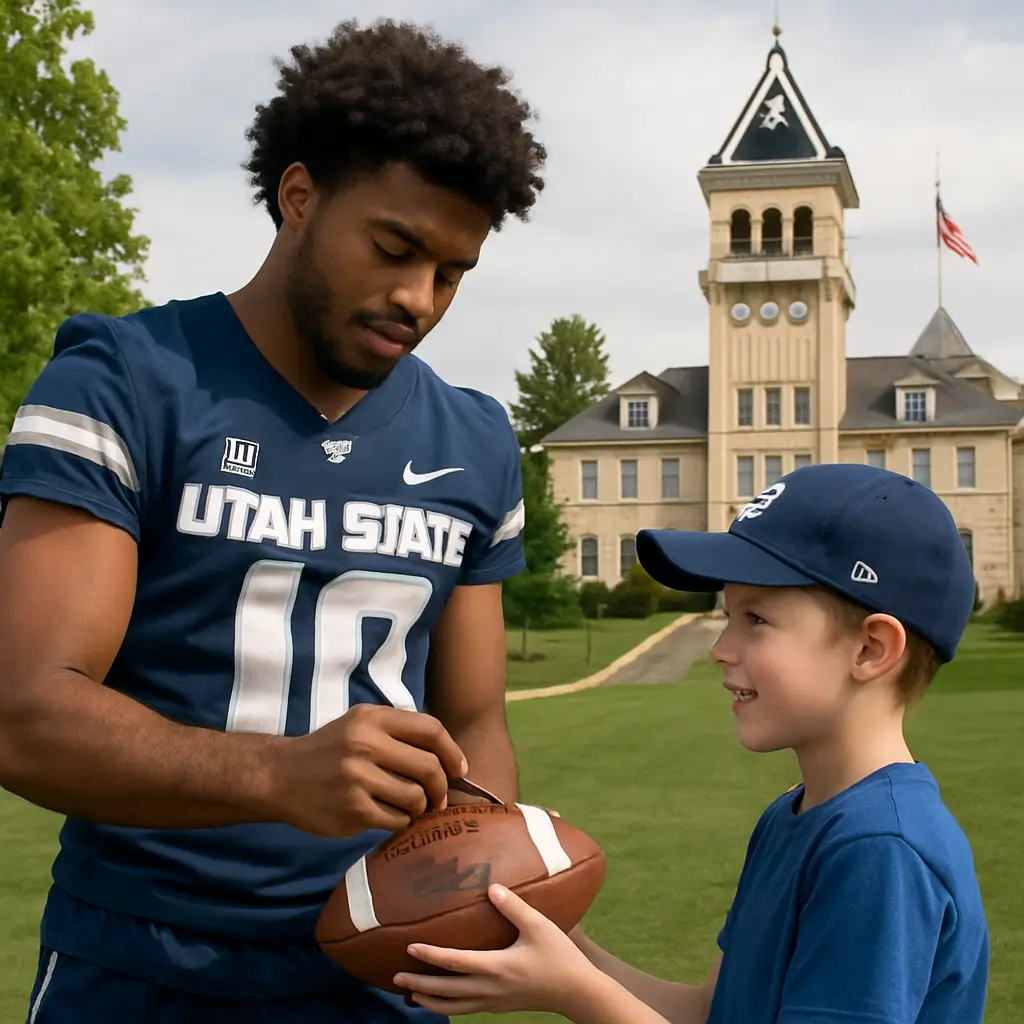
This shift has created a booming local market for verified memorabilia. While selling team-issued gear remains a complex gray area, paying for a signature on your own item is perfectly legal. Aggie student-athlete autograph sessions are becoming staples at local car dealerships and grocery stores, offering a controlled environment where fans pay a set fee for a moment with the athlete. Unlike the illicit memorabilia rings of the past, these public signings ensure the money is tracked and taxable, giving you a souvenir while directly funding the athlete’s education and lifestyle.
Beyond signatures, you can now hire athletes to simply show up and engage with the community. If you have ever wondered how to support Utah State Aggie athletes beyond buying season tickets, consider booking a player for a private event. Whether it is a quarterback attending a child’s birthday party or a gymnast judging a local tumbling competition, appearance fees allow players to monetize their local celebrity status legally. These interactions often occur through specific “sanctioned events,” which are vetted to ensure the athlete is safe and the environment is appropriate.
The most critical aspect of these interactions is the existence of a receipt. Paying cash under the table feels easier, but it jeopardizes the very eligibility you want to support because it looks like a bribe to regulators. By using official platforms or signing a simple agreement, you provide the proof the NCAA requires to verify that the money was earned rather than gifted. This documentation creates a safety net for the student.
Disclosure and the Law: The Paperwork that Protects Every USU Scholarship
Filing a disclosure agreement might sound like a bureaucratic headache, but for a Utah State athlete, it functions more like an insurance policy than a tax return. Under disclosure requirements for Utah student athletes, reporting a deal is not about the university taking a cut of the money—schools are legally prohibited from touching those funds. Instead, this mandatory step allows the USU athletic department to verify that the contract complies with state law, effectively shielding the player from NCAA inquiries. If regulators ever question a transfer of funds, this timestamped record serves as the ultimate proof that the transaction was a legitimate business deal rather than an illicit recruiting bribe.
The actual reporting process is digital and surprisingly straightforward. Athletes generally log their contracts through a secure USU athletic department NIL policy compliance portal, which acts as a central hub for all verification. To get a “green light” from the compliance office, the filing must explicitly detail three core components:
- The Parties Involved: The legal name of the business, collective, or individual fan paying the athlete.
- The Compensation: The exact dollar amount or fair market value of any free gear provided.
- The Services Rendered: A clear description of the work performed, such as “two social media posts” or “one hour of coaching,” to prove the payment was for specific activity rather than status.
Once submitted, the compliance team reviews the data to ensure the deal doesn’t cross specific “red lines,” such as promoting gambling, alcohol, or tobacco products. This quick administrative check ensures that a Saturday afternoon autograph session doesn’t accidentally cost a linebacker their scholarship or eligibility. With the legal foundation and paperwork securely in place, the only remaining question is how these new mechanics will reshape the culture of the university itself.
The Future of the ‘Aggie Way’: Navigating the Changing World of College Sports
Walking into the Spectrum or Romney Stadium feels different when you understand the mechanics behind the roster. You no longer view nil deals Utah state as a confusing shadow economy, but as the engine keeping the Aggies competitive in the Mountain West. This knowledge transforms you from a passive spectator into an active participant in the program’s modern era, understanding that player retention is now a community effort rather than just a coaching responsibility.
The landscape is not finished shifting. While collectives like The Blue A are vital today, the national conversation is already moving toward revenue sharing models where schools may eventually pay athletes directly. By grasping the current structure, you are better positioned to navigate these future changes without panic. Whether the financial support comes from a local dealership or eventually the university itself, the primary goal remains supporting the student-athletes who represent Logan on the national stage.
Sustainability at a mid-major level relies heavily on the unique bond between the town and the team. The most effective path to long-term success is not waiting for a single mega-donor, but realizing that consistent engagement creates a stable foundation. When fans patronize the businesses that sponsor players, they create an environment where building a personal brand as an Aggie student-athlete is not just profitable, but deeply connected to the valley’s culture.
Your next steps are simple but carry significant weight. Stay engaged with the evolving guidelines and consider how to support Utah State Aggie athletes through official channels like The Blue A or simply by filling the stands. The noise you make on game day now echoes in the opportunities available to the players. The era of strict amateurism has passed, but the spirit of the Aggie family is now more essential than ever before.
Learn More About the NIL Landscape
Name, Image, and Likeness plays an increasing role in college sports, and understanding how it works often requires more than individual articles or news updates.
RallyFuel is a platform focused on NIL-related topics across college athletics. It brings together information about athletes, NIL activity, and the broader structure behind modern college sports, helping readers explore the topic in more depth.
Q&A
Question: What exactly is NIL at Utah State, and what qualifies as a legal deal? Short answer: NIL (Name, Image, and Likeness) is a student-athlete’s right of publicity—the ability to earn money from their personal brand without being paid a salary by the university. Deals must be service-based: the athlete has to do something in exchange for compensation. Examples include signing autographs (Name), appearing in photos or videos for ads (Image), or allowing a caricature/avatar on merchandise or in video games (Likeness). Think of Aggies as local “micro‑influencers”: they get paid to post, attend events, or endorse products, not simply for being on the roster.
Question: How do Utah’s “shield” laws change what USU can do with NIL? Short answer: Utah law gives USU a protective framework where state rules supersede conflicting NCAA bylaws, allowing the athletic department to actively facilitate NIL activity. USU staff can educate athletes, help with branding, and connect them with local businesses—so long as the university itself doesn’t fund the deals. Actual payments must come from private sources. USU’s compliance office reviews disclosures via a secure portal to confirm fair market value, defined services, and that no prohibited categories (e.g., gambling, alcohol, tobacco) are involved—turning the school into a supportive partner while keeping athletes eligible.
Question: What is The Blue A Collective, and how is it different from a typical brand sponsorship? Short answer: The Blue A Collective is an independent “community chest” that pools contributions from fans, alumni, and boosters to fund service-based NIL opportunities (community engagement, charity work, fan interactions) across the roster. It creates a stable baseline of support and helps retain players tempted by transfer offers. By contrast, a brand sponsorship is a direct deal between one business and one athlete for specific marketing deliverables (e.g., a car dealership ad or a restaurant promo). Both are compliant, but the collective focuses on broad, consistent support, while brand deals are targeted advertisements.
Question: I’m a fan or small business—what are the best legal ways to support Aggie athletes? Short answer:
- Join The Blue A Collective to boost roster-wide retention.
- Book autographs and appearances: pay for services (not gifts), get a receipt, and keep it above board.
- Run a direct brand deal by following a simple workflow:
- Identify an athlete whose audience matches your customers.
- Define deliverables (e.g., two IG stories, a grand opening visit, a signed item).
- Set fair market value (cash or reasonable in‑kind trade) based on the actual work/influence.
- Have the athlete disclose the deal through USU’s compliance portal (list parties, compensation, services) and avoid prohibited categories.
- Documentation and taxes: expect 1099‑NEC forms for payments over $600; athletes should set aside ~30% for taxes and make quarterly estimated payments; businesses should keep clear records.
Question: Why does USU prioritize player retention over recruiting, and how does it compare to BYU? Short answer: As a Mountain West program, USU can’t outbid “Power 4” schools on raw dollars. BYU, backed by Big 12 revenue and proximity to “Silicon Slopes,” taps larger corporate budgets and a massive alumni base. Utah State’s edge is community-driven: the collective plus many mid-sized local deals create strong reasons for proven Aggies to stay—guaranteed roles, authentic local stardom (“big fish, small pond”), and an established brand network in Logan. The strategy is to make the net benefit of staying in Cache Valley outweigh higher offers elsewhere through stability, visibility, and community integration.




Leave a Comment