
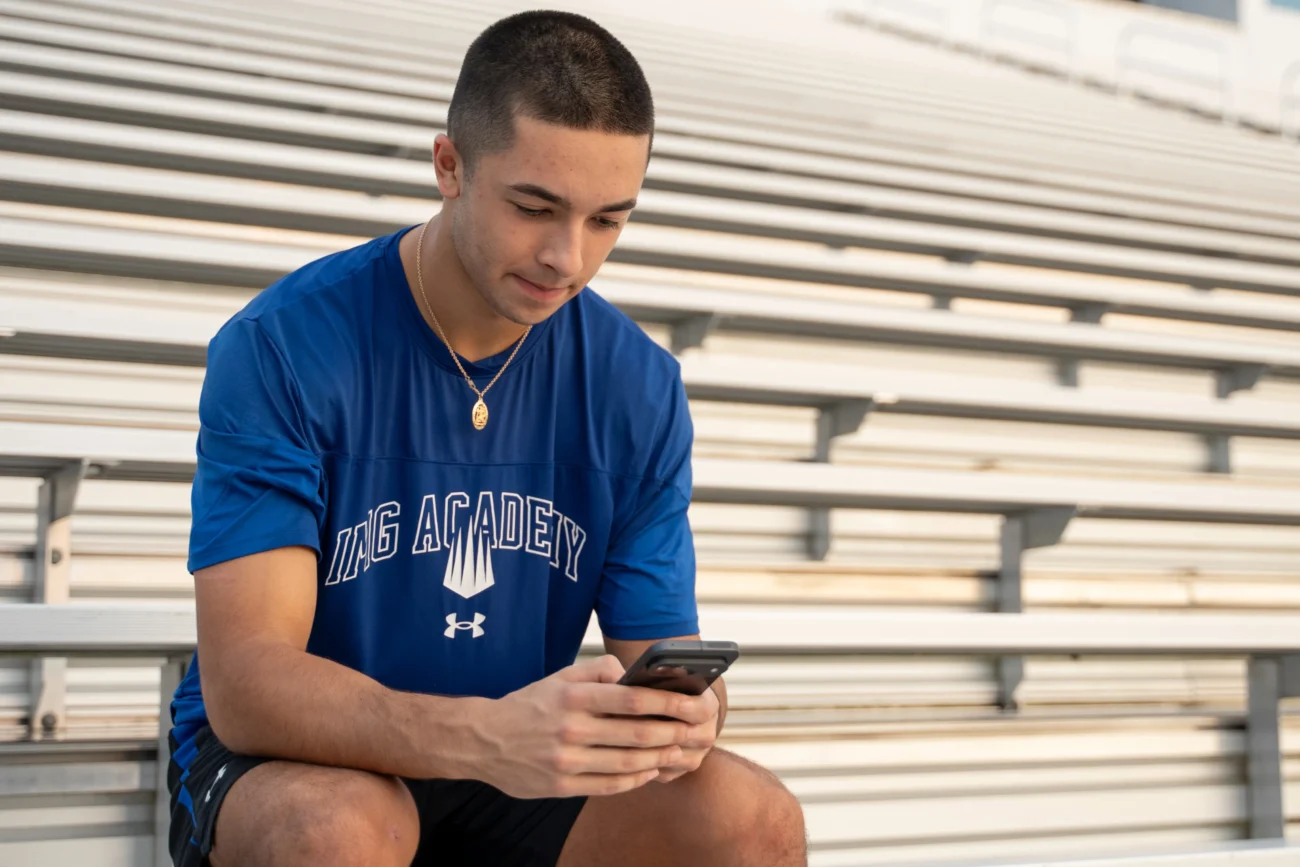
You might expect a star quarterback to have a massive bank account, but you would probably be surprised to find a college gymnast trailing his income by only a few dollars. Today, a viral TikTok following can be worth just as much as a championship ring, fundamentally changing the landscape of sports nil deals.
Everything shifted in 2021 when the NCAA changed its rules, ending the era where athletes played strictly for scholarships. Now, players can profit off their “Name, Image, and Likeness” (NIL). Think of it like a regular college student working a side-hustle at a local cafe, except these athletes are paid to be brand spokespeople. This college sports nil money is not a traditional salary paid by the university, but rather outside income generated from businesses and sponsors.
Industry data from tracking platforms like On3 reveals that the massive numbers making headlines are often “valuations” rather than guaranteed cash currently sitting in a bank account. A valuation is simply an estimated market price based heavily on an athlete’s digital footprint. Consequently, social media reach has effectively become a new financial stat sheet for modern competitors.
Breaking down NIL earnings by sport uncovers a fascinating new hierarchy in collegiate athletics. While traditional powerhouses like football still generate the largest overall wealth, athletes in “influencer” sports are rapidly closing the gap by leveraging their online audiences. Examining who actually takes home the biggest checks makes the division between gridiron giants and digital creators crystal clear.
The Heavy Hitters: Why Football and Basketball Dominate the NIL Payroll
When millions of fans tune in to a Saturday night broadcast, corporate sponsors see a massive opportunity. Programs like football and men’s basketball are traditionally known as “revenue sports” because their television contracts and ticket sales fund entire athletic departments. This incredible national visibility value translates directly into their players’ pockets. If a star quarterback can keep three million viewers glued to their screens, companies will pay handsomely to associate their products with that athlete’s recognizable face.
The data perfectly illustrates this financial divide. According to the NIL platform Opendorse, gridiron and hardwood stars command the lion’s share of the marketplace. When looking at total spending across college athletics, the top earners are predictably concentrated:
- Men’s Football: Accounting for roughly 50% of all collective and brand spending nationwide.
- Men’s Basketball: Capturing approximately 15% to 20% of the total market.
- Women’s Basketball: Emerging rapidly and claiming nearly 5% of the pie as television viewership skyrockets.
Looking past the headline-grabbing superstars, however, reveals a complex reality about the average NIL compensation per college athlete within these heavy-hitting programs. A starting point guard might land a lucrative national brand deal with a massive company like Nike, operating much like a professional endorsement.
Meanwhile, a backup offensive lineman is more likely to earn his money through local appearance fees—perhaps signing autographs at a nearby car dealership for a few hundred dollars. Both are utilizing NIL, but the payout depends entirely on how much attention they naturally attract on game day.
Yet, relying strictly on stadium seating and television time isn’t the only way to build a profitable personal brand today. When you look at a revenue vs non-revenue sports NIL comparison, an interesting plot twist emerges. While the big-stadium sports dominate traditional corporate spending, athletes in sports like gymnastics or volleyball have found a different, highly lucrative path to success that doesn’t require a prime-time ESPN slot.
Social Media as the Great Equalizer: How ‘Non-Revenue’ Sports Are Winning the Brand Game
In the “Influencer Tier” of college sports, what happens during competition is often secondary to an athlete’s personal brand. In this corner of college sports nil, visibility is measured in followers and engagement, not box scores. Instead of relying on national television broadcasts, athletes in non-revenue sports are leveraging their digital communities to build direct, lucrative partnerships with major corporations.
This direct-to-consumer approach has completely rewritten the financial playbook, making gymnastics and volleyball some of the top earning sports for female college athletes. While sponsors historically bought commercial time during major sporting events, they now pay athletes directly to reach highly targeted fans. The massive impact of social media following on NIL valuation exists because a million loyal Instagram followers is effectively a personal television network that brands can sponsor daily.
When companies evaluate these digital portfolios, they care about more than just a raw follower count. The modern marketplace treats these athletes exactly like professional influencers, determining payouts through specific engagement metrics rather than game statistics. Before signing a check, brands heavily analyze three key metrics:
- Engagement rate: The percentage of followers who actively like, comment, or share posts.
- Audience demographics: Whether the athlete’s followers match the brand’s target customers.
- Content consistency: The athlete’s ability to naturally integrate a product into their regular posts.
Digital endorsements provide an incredible path to wealth, but they represent only the highly visible half of the new collegiate economy. While social media stars thrive in this open corporate marketplace, traditional sports rely on a different financial structure entirely. To fully grasp where college football’s millions originate, we must examine the hidden engine: how institutional NIL collectives actually distribute funds.
The Hidden Engine: How Institutional NIL Collectives Actually Distribute Funds
While a gymnast’s sponsored social media post represents the open market, the millions keeping star quarterbacks on campus come from a very different source. If you remember how traditional booster clubs funded new stadiums or training facilities, you already understand the foundation of this new system. The structure of institutional NIL collectives is straightforward: wealthy alumni and passionate fans now pool their money into private, school-affiliated organizations that pay the athletes directly.
Unlike corporate sponsorships, where companies expect a return on investment through advertising, a collective’s primary goal is winning championships. These organizations build massive war chests to attract top high school talent and keep current players from transferring to rival schools. For a high-major college football player, collective payouts often act as a guaranteed financial baseline. Even if a starting offensive lineman never signs national sports nil deals or stars in a local car commercial, he can still earn a high six-figure paycheck simply by receiving his monthly distribution from the school’s collective.
This two-lane system—the alumni-funded collective for traditional sports and the brand-funded marketplace for digital influencers—has fundamentally reshaped who holds the wealth on campus. While football and basketball players largely rely on collective pools to secure their financial futures, female athletes are aggressively dominating the open corporate market. Bypassing the traditional booster-club network entirely has created an unprecedented financial shift, setting the stage to explore how this new era is finally breaking the glass ceiling for women’s athletics.
Breaking the Glass Ceiling: Why NIL Is a Game-Changer for Women’s Sports Earnings
A massive market share shift is happening right now on social media. Female athletes are aggressively leveraging their digital presence to bypass traditional broadcast barriers, rapidly shrinking the gender pay gap in college athlete endorsements. Their secret weapon is “brand friendliness.” Major companies selling lifestyle apparel, beauty items, and household products often prefer engaging, authentic storytellers over players largely hidden behind helmets. Consequently, a charismatic college athlete with a loyal TikTok following provides an incredible return on investment for household brands.
Recent Opendorse market valuation data reveals a stark contrast to how traditional television revenue is distributed. Female athletes secure a significantly higher percentage of total commercial deals than their sports’ traditional broadcast footprints would suggest. This dynamic allows women to build lucrative, pro-level incomes long before they graduate or ever sign a professional contract. The corporate marketplace has clearly spoken, with the top three women’s sports by NIL activity being:
- Basketball
- Gymnastics
- Volleyball
Seeing these top-tier influencers sign life-changing partnerships proves that the modern collegiate landscape rewards digital reach just as heavily as on-field performance. However, it is crucial to remember that million-dollar social media empires and massive alumni-funded booster checks are the exception, not the rule. While the top one percent of stars are driving luxury cars to class, stepping away from the spotlight reveals a much quieter reality check: what the “average” NCAA athlete actually earns.
Reality Check: What the ‘Average’ NCAA Athlete Actually Earns
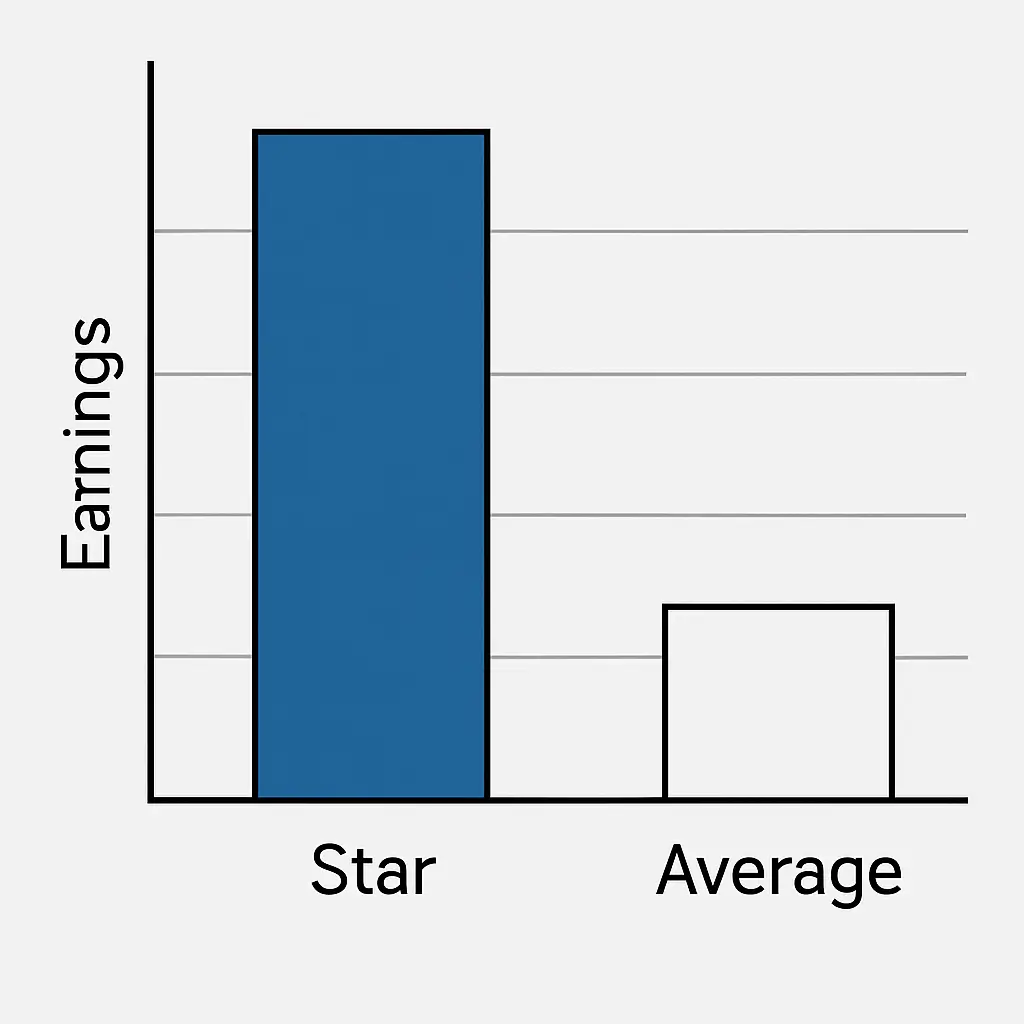
When sports news highlights multi-million dollar contracts, it creates the illusion that every collegiate locker room is full of newly minted millionaires. In reality, the average NIL compensation per college athlete sits much closer to $50 than $50,000, placing most players on the “Long Tail” of the earning curve. This economic concept simply means that while a tiny fraction of stars pull in massive checks, the remaining 90 percent of athletes are earning just enough to buy groceries or pay for a new laptop.
Cash isn’t always king for these everyday players. Instead of direct deposits, thousands rely on “in-kind compensation,” an arrangement where local businesses trade free products or meals in exchange for an Instagram shoutout. If you have ever wondered how to secure NIL deals as a walk-on athlete, this grassroots approach is the answer. A local pizza shop might lack the marketing budget to pay a backup point guard, but they will gladly trade weekly dinners for consistent online promotion.
Ultimately, this baseline of modest endorsements functions as a highly practical side-hustle, allowing players to comfortably subsidize their student lives. They aren’t buying luxury sports cars, but they are finally getting a piece of the economic pie they help create. Yet, a player’s earning ceiling isn’t fixed solely by their local market footprint. Beyond the big schools, navigating conference choice and the transfer portal is becoming the next vital step for competitors chasing bigger paydays.
Beyond the Big Schools: How Conference Choice and the Transfer Portal Shift Market Value
Just as real estate is about location, an athlete’s earning potential hinges heavily on their conference patch. The NIL deal distribution by athletic conference reveals a massive financial gap between powerhouse leagues like the SEC and smaller “Mid-Major” programs. Wealthy alumni “Collectives” at major schools pool millions of dollars to fund rosters, whereas athletes at smaller colleges rely on local businesses with much tighter marketing budgets.
Because of this disparity, the Transfer Portal—college sports’ version of free agency—has become a direct path to higher pay. If a standout player excels at a smaller school, they often transfer to a major program specifically to increase their brand valuation. This drives the tremendous influence of the transfer portal on athlete market value, allowing players to test the open market and effectively secure a corporate promotion rather than just changing jerseys. These dynamics help explain NIL earnings by sport when comparing conferences and regions.
Navigating these sudden financial upgrades requires more than just a great jump shot. Whether cashing in on local market endorsements or transferring for a massive collective payout, managing newfound wealth is critical.
Securing the Future: A 3-Step Financial Roadmap for the New NIL Landscape
You no longer just see a teenager holding a sponsored drink on Instagram; you now recognize a modern entrepreneur. Turning a viral moment into lasting success requires solid financial management.
If you or your athlete are stepping into this arena, start with these three essential practices:
- Protect your status: Follow NCAA rules for NIL compliance and eligibility by verifying every deal with your school’s compliance office.
- Save for Uncle Sam: Navigate the tax implications of student athlete sponsorship deals by implementing the 30% rule—setting aside a third of every check for taxes.
- Think beyond the post: Shift focus from one-off checks to long-term brand building, treating your social platform like a professional networking portfolio.
In the college sports nil era, college athletics is no longer just a training ground; it is a professional launchpad today. By treating these initial endorsements as careful business decisions rather than quick lottery tickets, athletes can build financial foundations that confidently outlast their college playing days.
Learn More About the NIL Landscape
Name, Image, and Likeness plays an increasing role in college sports, and understanding how it works often requires more than individual articles or news updates.
RallyFuel is a platform focused on NIL-related topics across college athletics. It brings together information about athletes, NIL activity, and the broader structure behind modern college sports, helping readers explore the topic in more depth.
Q&A
Question: Are the huge NIL numbers I see online guaranteed cash?
Short answer: Not usually. Many headline figures are “valuations” from tracking platforms like On3—estimates of an athlete’s market value based largely on their digital footprint. Actual NIL income comes from signed deals with brands or payments from collectives, not from the valuation itself. Think of a valuation as a price tag based on potential reach and engagement, while real payouts only materialize when specific sponsorships or arrangements are executed.
Question: Why do football and men’s basketball dominate NIL spending?
Short answer: Their massive TV audiences and ticket sales make them “revenue sports,” so brands pay a premium to access those viewers. Opendorse data shows men’s football accounts for roughly 50% of all collective and brand spending, men’s basketball about 15–20%, and women’s basketball near 5% and rising. Within those sports, star players land big national endorsements, while role players often earn smaller, local appearance or autograph fees—same NIL framework, very different pay driven by visibility.
Question: How are athletes in non-revenue sports earning big through NIL?
Short answer: Social media is the great equalizer. In the “Influencer Tier,” follower count and engagement can outweigh game-day airtime. Athletes in sports like gymnastics and volleyball build direct partnerships with brands by treating their channels like personal media networks. Brands look past raw followers to three core metrics: engagement rate, audience demographics fit, and content consistency. That’s why women’s basketball, gymnastics, and volleyball rank among the top women’s sports for NIL activity.
Question: What are NIL collectives, and how do they differ from brand deals?
Short answer: Collectives are private, school-affiliated groups funded by alumni and fans to pay athletes with the goal of winning, not advertising ROI. For major football and basketball programs, they often provide a reliable financial baseline—sometimes high six figures—through scheduled distributions. Brand deals, by contrast, are commercial endorsements tied to an athlete’s ability to move product through their audience. Conference strength and the transfer portal can magnify collective opportunities: moving from a mid-major to a powerhouse league often boosts an athlete’s baseline and market value.
Question: What does the average NCAA athlete actually earn, and how should they manage it?
Short answer: Most athletes are in the “long tail,” earning closer to $50 than $50,000. Many deals are in-kind—free meals or products in exchange for posts—especially for walk-ons and role players working with local businesses. To manage NIL smartly: (1) protect eligibility by clearing every deal with your school’s compliance office, (2) set aside about 30% of each check for taxes, and (3) prioritize long-term brand building over one-off posts so today’s opportunities can outlast college.



Leave a Comment