
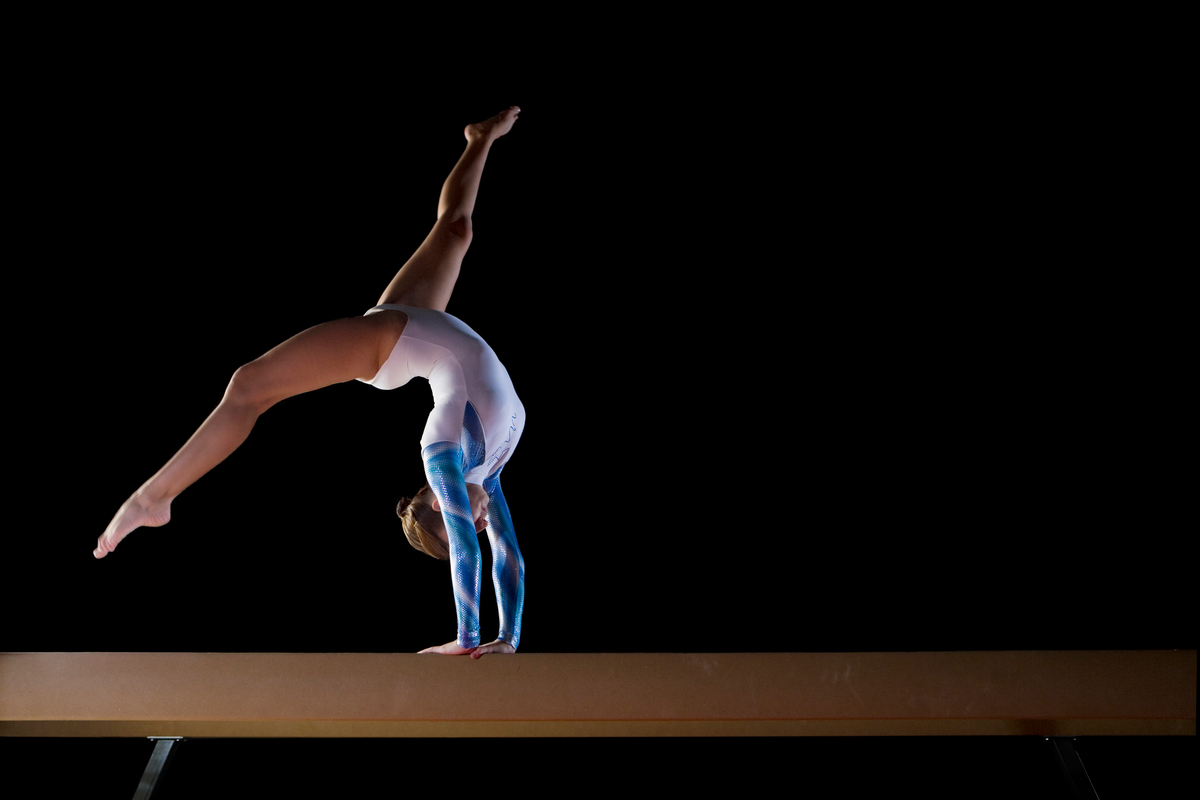
A Sport Rooted in History — Now Experiencing a New Boom
When the first real NCAA Gymnastics Championships began, Ronald Reagan was the U.S. president, John Cougar (Mellencamp) was dominating the Billboard charts with Jack & Diane and Hurts So Good, and the top-selling car was a boxy hatchback Ford Escort.
It was late 1982, about 13 years after the NCAA sanctioned gymnastics as a Division of Girls and Women’s Sports and Springfield College was crowned champion.
In 1973, the Association for Intercollegiate Athletics for Women (AIAW) was formed, giving the sport a newer and somewhat larger platform. Small colleges still dominated. That year, the University of Massachusetts earned the AIAW title. Bigger schools soon began focusing more on gymnastics. Utah won the AIAW title in 1981, followed by Florida earlier in 1982.
The introduction of those first NCAA Gymnastics Championships brought big changes — increased visibility, more funding and stronger support.
Viewership Is Skyrocketing
Fast-forward to last year, when Oklahoma won the national title against UCLA, Missouri and Utah. ABC televised it live to a million viewers, just short of the previous record of 1.02 million viewers in 2023.
Since moving from ESPNU to ABC in 2021, viewership has consistently averaged in the high six figures, and more than 60 meets were televised last season across ESPN’s eight platforms.
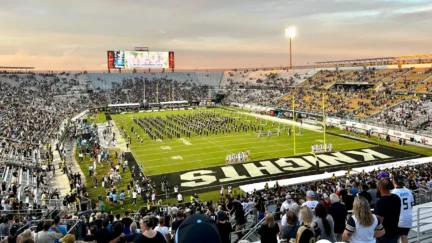
And the crowds are just as impressive. Meets with 10,000-plus fans are now common, especially in powerhouse SEC arenas.
Why the Explosion? Enter NIL.
Gymnastics has long been a popular Olympic sport — but the recent surge in the NCAA version is tied directly to Name, Image, and Likeness (NIL).
Since 2021, college athletes have been able to earn money through NIL deals, giving elite gymnasts a reason to stay in school rather than sign early (and often risky) professional contracts that once came with well-documented physical, mental, and emotional challenges.
Before NIL era
Elite gymnasts had two tough choices:
- chase the Olympics → hope for a breakout → get paid afterward
- keep amateur status → join an NCAA team → receive minimal scholarship value
After NIL era
Top gymnasts can now do both:
- stay in college
- compete on national TV
- earn serious NIL income
- maintain training for elite/Olympic competition
All those eyes on TV and in packed arenas make top gymnasts ideal NIL partners.
How Gymnasts Are Cashing In
Student-athletes today earn through:
- social media marketing
- personal appearances
- autographs & merch
- NFTs
- camps & clinics
- lessons
- product creation
- shout-out videos
For elite gymnasts, it has been life-changing.
Arkansas, Jordyn Wieber, and the New Era
Arkansas coach Jordyn Wieber led her team to its first NCAA Championship appearance last year, finishing seventh nationally. The Razorbacks’ five home meets drew 35,367 fans, averaging 6,084 per meet. Arkansas has broken season-ticket records for three straight years, selling 2,480 last season.
Wieber — a world champion and 2012 Olympic gold medalist — once had to choose between an NCAA experience and a professional career. She chose the Olympics, landed on a Corn Flakes box, and capitalized on her success… but she hated missing college gymnastics.
Today, elite stars don’t have to choose. Suni Lee, Jordan Chiles, and Jade Carey helped the U.S. win team gold in Paris — then went right back to their NCAA teams.
“What a cool thing for the sport of gymnastics,” Wieber told NBC News. “It’s getting so many more eyes, so much more exposure, and it’s allowing some of these athletes who want to do both college and elite to help grow our sport.”
NIL in 2025: A New Phase Begins
As 2025 unfolds, the NIL revolution shows no signs of flipping — it’s somersaulting into a new era of sustainability and global reach.
House v. NCAA settlement
With the settlement greenlit in June, schools can now distribute up to $20.5 million annually in direct athlete payments starting this July.
This new structure:
- gives athletes guaranteed financial support
- blends NIL’s entrepreneurial freedom with school-backed compensation
- fuels investment in non-revenue sports like gymnastics
Roster caps on the horizon
Roster limits may tighten recruiting pipelines — but could also open the door for more international stars to flood NCAA programs.
Expect NCAA rosters featuring athletes from:
- Romania
- Brazil
- China
- Canada
- California club elites
Olympic experience + college camaraderie + NIL = a magnetic combination.
Gymnasts as influencers & advocates
Athletes aren’t just flipping for fame anymore. They’re becoming:
- influencers
- advocates
- brand ambassadors
- community leaders
Auburn’s Sophia Groth is a prime example, using her platform to spotlight causes from student-parent support to mental health advocacy.
What the Next Five Years Look Like
Looking ahead, expect a more mature NIL ecosystem where:
- NIL becomes a career cornerstone, not a side gig
- gymnast followings grow across TikTok, IG, and YouTube
- deeper rosters improve meet scoring and program depth
- arenas continue selling out
- endorsement money flows into non-revenue sports
- schools face pressure to ensure equitable NIL access
For a breakdown of top NIL platforms in gymnastics, visit our Gymnastics NIL 2025 guide.
NIL visibility strategies keep gymnastics relevant between Olympic cycles. See how Team USA stars leverage NIL on this dedicated page.
Learn More About the NIL Landscape
Name, Image, and Likeness plays an increasing role in college sports, and understanding how it works often requires more than individual articles or news updates.
RallyFuel is a platform focused on NIL-related topics across college athletics. It brings together information about athletes, NIL activity, and the broader structure behind modern college sports, helping readers explore the topic in more depth.

as soon as I detected this site I went on reddit to share some of the love with them.