
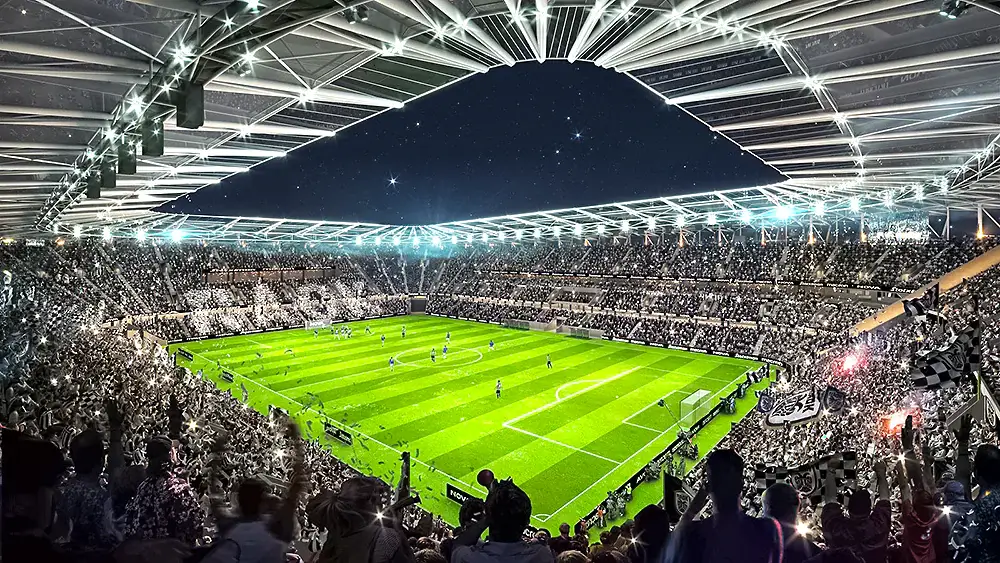
The introduction of Name, Image, and Likeness (NIL) rights has fundamentally altered the economic structure of college athletics. What began in 2021 as a regulatory adjustment has rapidly evolved into a complex marketplace involving brands, collectives, technology platforms, conferences, and potentially universities themselves. As NIL matures, several structural trends are emerging that will likely define the next phase of athlete compensation.
The Dual Structure of NIL Funding
Current NIL earnings generally originate from two distinct funding channels:
1. Traditional Brand Endorsements
National and regional brands partner directly with athletes to promote products or services. These deals mirror professional endorsement contracts and are typically concentrated among high-visibility athletes in revenue-generating sports such as football and men’s basketball, along with select Olympic and women’s sports stars who command strong social media engagement.
2. Booster-Funded NIL Collectives
NIL collectives operate as independent organizations funded primarily by alumni and supporters of specific universities. Their objective is not brand marketing efficiency but roster competitiveness. Collectives often distribute funds strategically across position groups or entire teams, serving as indirect recruiting and retention tools.
This dual structure creates a segmented marketplace. Elite athletes with national recognition secure brand-driven contracts based on market value and audience reach, while many athletes rely on collective-driven compensation designed to enhance institutional competitiveness rather than individual brand equity.
The sustainability of this bifurcated model remains uncertain, particularly as regulatory scrutiny intensifies.
The Emerging Debate: The Employee Model
One of the most significant forward-looking questions in NIL policy concerns athlete employment classification. Legal challenges and labor rulings have reopened discussion around whether college athletes should be considered university employees.
If implemented, an employee model would represent a structural shift from third-party NIL compensation to direct institutional payment. Potential implications include:
- Fixed salaries or revenue-sharing agreements
- Standardized contract terms
- Access to employee benefits
- Collective bargaining structures
However, this framework would also introduce performance-based contract risk. Employment status could formalize compensation but simultaneously increase termination exposure and contractual obligations. Universities would assume payroll responsibility, potentially reshaping athletic department budgets and Title IX considerations.
Whether the industry transitions toward employment or adopts a hybrid revenue-sharing model will likely determine the next stage of NIL evolution.
Technology Platforms and AI-Driven Matching
While high-profile athletes dominate headlines, the majority of NCAA athletes operate within a fragmented endorsement ecosystem. Historically, access to sponsorships depended on personal networks or institutional relationships.
Emerging NIL technology platforms are addressing this inefficiency by creating centralized athlete marketplaces. These platforms function similarly to professional talent databases, enabling athletes to build profiles that include:
- Performance metrics
- Audience demographics
- Social media engagement analytics
- Geographic influence
Artificial intelligence tools embedded within these platforms increasingly match athletes with compatible brands based on data-driven alignment rather than manual outreach.
The long-term effect of AI on NIL earnings may include:
- Broader deal distribution across non-revenue sports
- Increased micro-endorsement activity
- More accurate pricing of athlete market value
- Reduced transaction friction between brands and athletes
However, data-driven matching may also reinforce existing inequalities, as algorithmic prioritization often favors athletes with larger digital footprints.
Income Concentration and Market Inequality
Despite broader access tools, NIL earnings remain heavily concentrated. Publicly available data suggests a disproportionate share of NIL dollars flows to a small percentage of athletes, particularly those in Power Five football and men’s basketball programs.
Several structural forces amplify this concentration:
- National television exposure
- Conference media contracts
- Recruiting visibility
- Social media amplification cycles
Conference realignment further accelerates these disparities. When institutions join media-dominant conferences, athlete exposure increases significantly, enhancing endorsement potential. Conversely, athletes at smaller-market programs may experience reduced visibility and diminished earning capacity.
This stratification affects not only inter-conference equity but also intra-team dynamics, as compensation gaps between teammates widen. The long-term implications for locker room culture and roster stability remain under study.
Olympic and Non-Revenue Sports: Niche Opportunity or Structural Disadvantage?
Athletes in non-revenue sports such as wrestling, swimming, gymnastics, and track face a more nuanced NIL landscape. While some have leveraged personal branding and Olympic cycles to secure national partnerships, most operate within localized endorsement ecosystems.
AI-enabled marketplaces and social commerce tools may expand monetization opportunities for these athletes, particularly those with strong community engagement or niche influence. However, absent systemic revenue redistribution, earnings will likely remain uneven relative to high-profile team sports.
Professionalization of the College Sports Economy
The NIL marketplace is steadily transitioning from an experimental phase into an institutionalized economic system. Indicators of professionalization include:
- Formalized collective governance structures
- Increased compliance oversight
- Multi-year endorsement agreements
- Data analytics integration in athlete valuation
- Potential revenue-sharing proposals at the conference level
As these mechanisms stabilize, college athletics increasingly resemble a semi-professional sports economy rather than an amateur model supplemented by endorsements.
Projected Future Scenarios
Based on current structural trajectories, several developments are plausible within the next five years:
- Hybrid compensation models combining NIL deals and direct revenue-sharing.
- Increased regulatory standardization across conferences.
- AI-driven valuation benchmarks for athlete market pricing.
- Consolidation of NIL platforms into dominant marketplace providers.
- Continued concentration of top-tier earnings within elite programs.
The defining challenge will be balancing competitive equity with market-driven compensation freedom.
Conclusion
The future of NIL earnings will not be defined solely by endorsement growth but by structural transformation. The debate over athlete employment status, the integration of AI into sponsorship matching, and widening income concentration are collectively reshaping the economic identity of college sports.
The central question is no longer whether athletes will be compensated — that shift has already occurred. Instead, the focus now lies on how compensation systems will evolve, who will control them, and whether the emerging model can sustain competitive balance while maintaining institutional integrity.
As NIL transitions from regulatory disruption to structured marketplace, college athletics stands at the threshold of a fundamentally new economic era.
Learn More About the NIL Landscape
Name, Image, and Likeness plays an increasing role in college sports, and understanding how it works often requires more than individual articles or news updates.
RallyFuel is a platform focused on NIL-related topics across college athletics. It brings together information about athletes, NIL activity, and the broader structure behind modern college sports, helping readers explore the topic in more depth.



Leave a Comment