
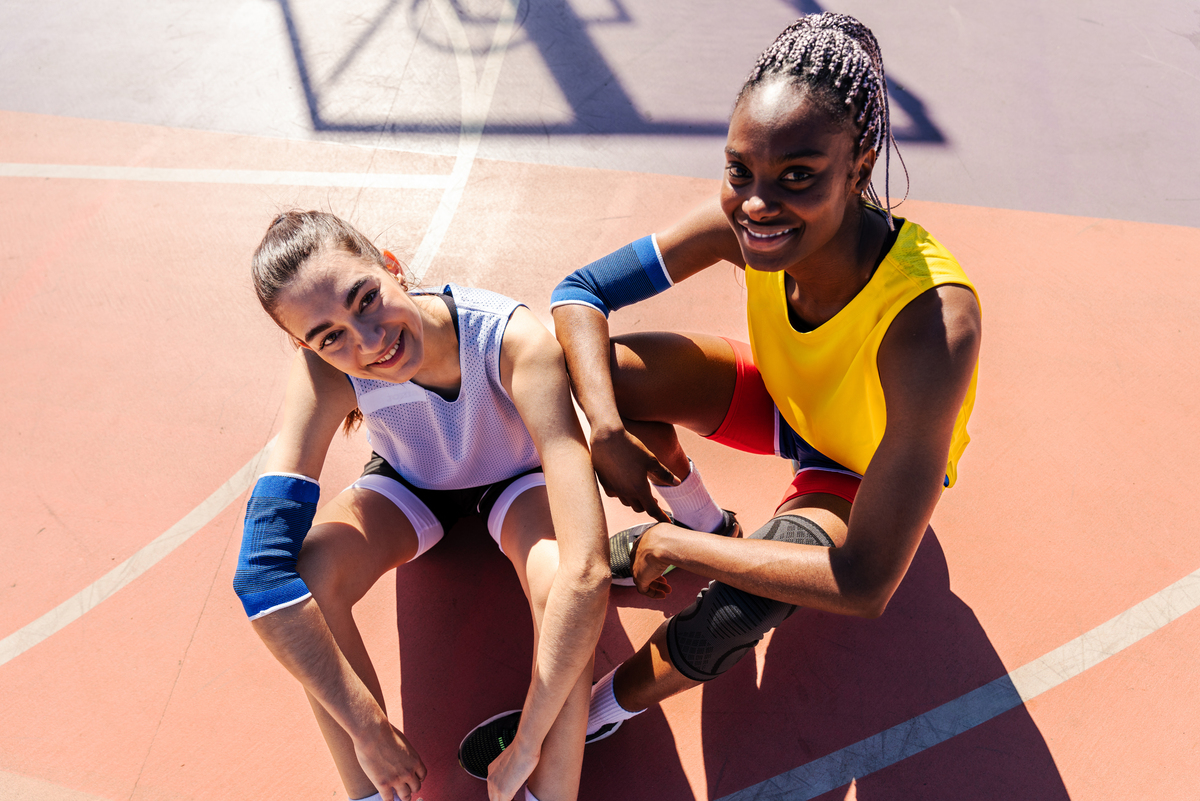
We are witnessing a significant shift in the landscape of women’s college sports with the introduction of Name, Image, and Likeness (NIL) policies. As we explore the NIL Impact, it’s crucial to understand the context and the changes these policies bring to women’s college sports.
The introduction of NIL policies goes beyond financial empowerment; it highlights the importance of female athletes within the collegiate sports landscape. You, as fans and the wider community, play a key role in shaping this evolving story.
As we examine how NIL policies are transforming women’s college sports, we lay the groundwork for exploring the historical background, legal structure, and the resulting effects on revenue opportunities.
Key Takeaways
- The introduction of NIL policies is significantly changing women’s college sports.
- NIL policies bring financial empowerment and recognition to female athletes.
- Grasping how NIL policies shape the landscape is essential for those who follow and engage with women’s college sports.
- The changes brought by NIL policies are reshaping the collegiate sports ecosystem.
- Exploring the historical context and legislative framework is essential.
The Evolution of Women’s Collegiate Athletics
The history of women’s collegiate athletics is characterized by a relentless pursuit of equality, culminating in the significant milestone of NIL policy adoption. This journey has been marked by numerous challenges and achievements that have shaped the current landscape of women’s sports.
The Historical Struggle for Equality
Women’s collegiate athletics has faced a long history of inequality, from limited funding to fewer competitive opportunities compared to men’s sports. Key milestones, such as the passage of Title IX in 1972, have been instrumental in advancing women’s sports by prohibiting gender discrimination in educational programs, including athletics. This legislation has been pivotal in increasing opportunities for female athletes.
The Watershed Moment: NIL Policy Implementation
The introduction of NIL policies represents a significant shift in the landscape of collegiate athletics, allowing athletes to profit from their Name, Image, and Likeness. For female athletes, this means new opportunities for financial empowerment and brand building, potentially changing the dynamics of women’s collegiate sports. The impact of NIL policies is being closely watched, as it could lead to a more equitable distribution of resources in collegiate athletics.
Decoding NIL Legislation and Its Implications
Decoding the legal framework surrounding Name, Image, and Likeness rights is essential for athletes and fans alike. As we navigate the complexities of NIL laws, it becomes clear that understanding these regulations is crucial for grasping their impact on women’s college sports.
The Legal Framework of Name, Image, and Likeness Rights
The legal framework governing NIL rights is multifaceted, involving both federal and state laws. At its core, NIL legislation allows athletes to profit from their name, image, and likeness without jeopardizing their collegiate eligibility. This shift has significant implications for female athletes, who can now capitalize on their athletic prowess in ways previously not possible.
The framework includes guidelines on permissible activities, such as endorsements and appearances, and restrictions on certain types of engagements, like those involving alcohol or tobacco brands.
State-by-State Variations in NIL Policies
While the federal government has set overarching guidelines, individual states have implemented their own versions of NIL policies, leading to a patchwork of regulations across the country. For instance, some states permit athletes to engage in certain business activities without restriction, while others impose stricter limitations.
| State | NIL Policy Highlights |
|---|---|
| California | Permits athletes to profit from NIL without restrictions on certain business activities. |
| Florida | Imposes stricter limitations on athlete endorsements involving specific brands. |
| New York | Requires additional disclosures for certain NIL-related activities. |
How NIL Policies Influence Revenue Growth
The implementation of NIL policies has revolutionized the financial landscape for female college athletes. With the ability to profit from their names, images, and likenesses, these athletes are now entering a new era of financial empowerment.
Financial Empowerment of Female Athletes
Female athletes are now able to capitalize on their athletic achievements in ways that were previously not possible. This change has greatly expanded their opportunities to earn income, enabling them to maintain their financial well-being throughout their college years.
Comparing Pre-NIL and Post-NIL Earning Potential
Before NIL policies, female college athletes had few avenues to earn income from their athletic abilities. Now, they can engage in endorsement deals, social media promotions, and other revenue-generating activities. This change has dramatically altered their financial outlook.
Income Diversification Strategies
To maximize their earnings, female athletes are diversifying their income streams. Strategies include social media monetization, personal branding, and entrepreneurial ventures. By adopting these strategies, athletes can build sustainable financial futures beyond their collegiate careers.
As the NIL landscape continues to evolve, it is clear that female athletes are poised to benefit significantly from these changes, securing their financial stability and independence.
Social Media as the Great Equalizer
Social media has revolutionized the way female athletes navigate the Name, Image, and Likeness (NIL) landscape. By leveraging platforms like Instagram and TikTok, athletes can build their personal brand, engage with fans, and create new revenue streams.
You, as athletes, are using social media to drive the NIL conversation forward. By harnessing the power of these platforms, you can increase your visibility, attract endorsement deals, and contribute to the growth of college sports revenue. Effective social media strategies enable athletes to diversify their income and achieve financial empowerment.
We see that athletes are monetizing their influence through sponsored content, affiliate marketing, and merchandise sales. As social media continues to evolve, its impact on athlete empowerment and college sports revenue will only continue to grow. By embracing social media, female athletes can take control of their NIL rights and unlock new opportunities for success.
Learn More About the NIL Landscape
Name, Image, and Likeness plays an increasing role in college sports, and understanding how it works often requires more than individual articles or news updates.
RallyFuel is a platform focused on NIL-related topics across college athletics. It brings together information about athletes, NIL activity, and the broader structure behind modern college sports, helping readers explore the topic in more depth.
FAQ
What is the Name, Image, and Likeness (NIL) policy, and how does it impact women’s college sports?
The NIL policy allows college athletes to profit from their name, image, and likeness, creating new financial opportunities for female athletes and changing the dynamics of collegiate athletics.
How have NIL policies affected the financial empowerment of female athletes?
NIL policies have led to the financial empowerment of female athletes by providing them with opportunities to earn money through endorsement deals, social media monetization, and other means.
What are the variations in NIL policies across different states, and how do they impact female athletes?
NIL policies vary from state to state, with some states having more lenient laws than others. These variations can impact female athletes’ ability to capitalize on their Name, Image, and Likeness, depending on the state they are in.
How can female athletes maximize their earnings through NIL policies?
Female athletes can maximize their earnings by leveraging social media, building their personal brand, and engaging in endorsement deals, among other income diversification strategies.
What role does social media play in the NIL landscape for female athletes?
Social media acts as a great equalizer for female athletes, providing them with opportunities to build their personal brand, engage with fans, and monetize their influence.
How have NIL policies changed the earning potential for female athletes compared to the pre-NIL era?
NIL policies have significantly increased the earning potential for female athletes, providing them with new opportunities to capitalize on their Name, Image, and Likeness.
What are the key factors that female athletes should consider when navigating NIL policies and opportunities?
Female athletes should consider factors such as state laws, social media presence, personal branding, and income diversification strategies when navigating NIL policies and opportunities.



Leave a Comment