
Introduction
During this active Olympic window, NIL opportunities for college winter athletes are expanding in visibility but remain structurally uneven. Winter disciplines receive heightened exposure compared to regular-season coverage, yet commercial valuation differences persist when compared to football and basketball.
The imbalance is visible in real time. Olympic visibility increases social media engagement, brand inquiries, and short-term exposure. However, revenue-sport athletes continue to operate within larger sponsorship ecosystems and stronger national broadcast integration.
The 2026 Winter Olympic cycle is currently unfolding, and global attention is focused on winter sport competition in Milano-Cortina. As events take place, collegiate athletes representing U.S. programs are competing on the Olympic stage while navigating the evolving Name, Image, and Likeness environment.
This analysis examines how NCAA winter sports NIL operates during the current 2026 Olympic cycle, how hockey athletes are positioned commercially, how skiing and Nordic competitors engage niche markets, and how Olympic visibility interacts with ongoing NIL structures.
The NIL Landscape in College Sports — Who Wins by Default?
The collegiate NIL economy currently favors sports with:
- Continuous national television contracts
- Large and active fan bases
- Stable corporate sponsorship networks
- Year-round media cycles
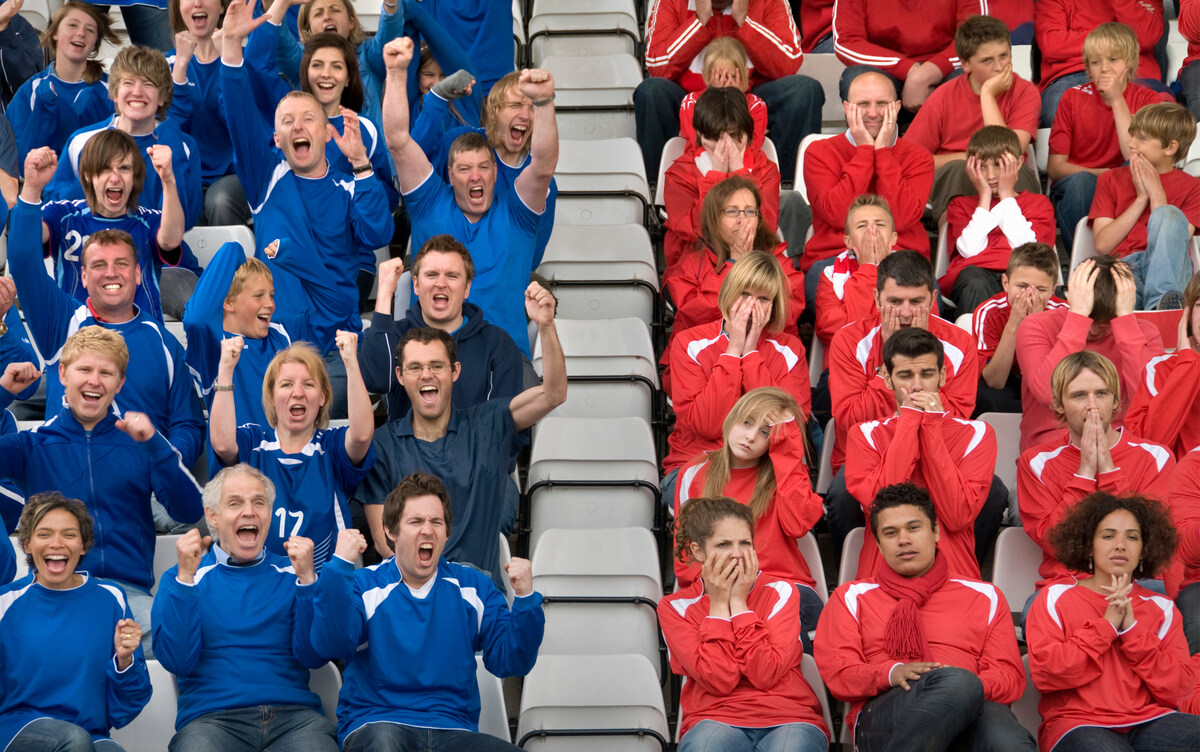
Football and basketball athletes maintain consistent visibility throughout the academic year. Their NIL valuation is supported by weekly prime-time exposure and institutional marketing integration.
Winter sports function differently. Media exposure intensifies during championship and Olympic windows, but outside these periods, broadcast frequency declines.
As the Games proceed, NIL opportunities for college winter athletes increase in attention but remain tied to shorter exposure cycles compared to revenue sports.
Where Winter Sports Stand in the NIL Economy
Winter disciplines occupy a specialized position within the NIL hierarchy. Hockey shows measurable commercial structure, while skiing and Nordic programs operate within narrower brand ecosystems.
NIL Visibility Comparison — Revenue vs Winter Sports
| port | Average NIL Deal Size | National Media Exposure | Brand Appeal Level |
|---|---|---|---|
| Football | High five to six figures (top tier) | Weekly national broadcasts | Very High |
| Basketball | High five figures to six figures | Continuous seasonal coverage | Very High |
| Ice Hockey | Moderate five figures (top athletes) | Event-driven national exposure | Moderate to High |
| Skiing | Low to moderate five figures | Limited national broadcasts | Niche / Lifestyle-focused |
During the ongoing Olympic coverage, hockey athletes experience increased name recognition. Skiing athletes gain targeted exposure aligned with equipment and outdoor brands.
However, NIL valuation differences remain visible across sports.
Ice Hockey — The Strongest NIL Position Among Winter Sports
Ice hockey currently holds the most stable NIL structure among winter sports.
As Olympic hockey games take place, collegiate affiliations are referenced in broadcasts and athlete bios. College hockey NIL 2026 activity reflects increased digital engagement during tournament matchups.
NIL hockey players college ecosystems benefit from:
- Recognizable NCAA championship structures
- Established conference rivalries
- Higher attendance and streaming metrics
Women’s hockey NIL positioning is particularly visible during the current Olympic tournament. Many athletes competing represent Division I programs, and that connection strengthens commercial narratives.
Even so, hockey NIL ceilings remain below top-tier revenue sports. Its strength is relative within winter athletics.
Skiing and Nordic Athletes — Limited but Niche NIL Potential
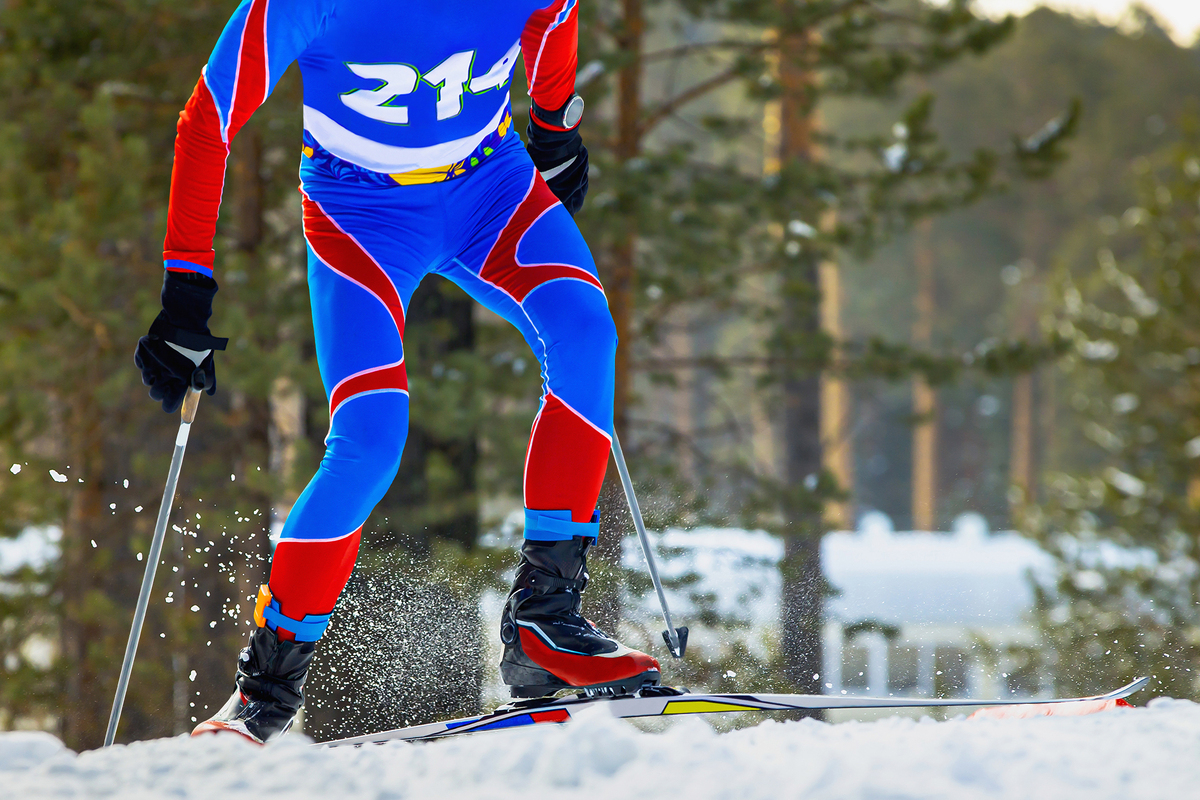
Skiing NIL opportunities are currently shaped by:
- Equipment brand alignment
- Outdoor apparel partnerships
- Regional winter tourism sponsorships
As Olympic events unfold, skiing athletes receive performance-based exposure. However, brand integration is typically equipment-centered rather than institution-centered.
Nordic competitors align with endurance, sustainability, and performance branding. NIL for Olympic sports athletes in these disciplines depends heavily on authenticity and targeted market positioning.
Exposure increases during the Games, but broader media ecosystems remain narrower than those supporting revenue sports.
The Olympic Effect on NIL in 2026
The Olympic spotlight is actively amplifying athlete branding.
During this competition window:
- Social media engagement rises around race days and hockey matchups
- Athlete interviews increase
- Brand mentions appear more frequently in digital coverage
NIL opportunities for college winter athletes are therefore experiencing short-term momentum. However, sustained commercial growth depends on continued engagement beyond individual Olympic performances.
The Olympic effect is immediate and measurable, but structurally contained within the event cycle.
Structural Barriers to NIL Growth in Winter Sports
Several constraints remain visible during the Games:
- Limited regular-season national TV contracts
- Smaller built-in fan bases
- Fewer conference-level media deals
- Shorter high-visibility windows
Broadcast economics continue to shape exposure distribution. Revenue sports maintain dominant advertising alignment, while winter disciplines rely more heavily on event-driven spikes.
The imbalance reflects structural media integration differences rather than athletic performance disparities.
Comparing NIL Ceilings — Revenue vs Winter Athletes
NIL Opportunity Gap — 2026 Snapshot
| Factor | Revenue Sports | Winter Sports | Impact on Athlete Earnings |
|---|---|---|---|
| National TV | Weekly prime-time presence | Event-focused exposure | Higher deal consistency in revenue sports |
| Social Media Growth | Large baseline followings | Olympic-driven spikes | Lower compounding audience growth |
| Brand Partnerships | National corporate networks | Regional and niche brands | Smaller average contracts |
| Conference Exposure | Major media contracts | Limited national scale | Constrained long-term valuation |
As the Games continue, winter athletes benefit from visibility but operate within narrower earning ceilings.
What Winter Athletes Can Strategically Leverage in 2026
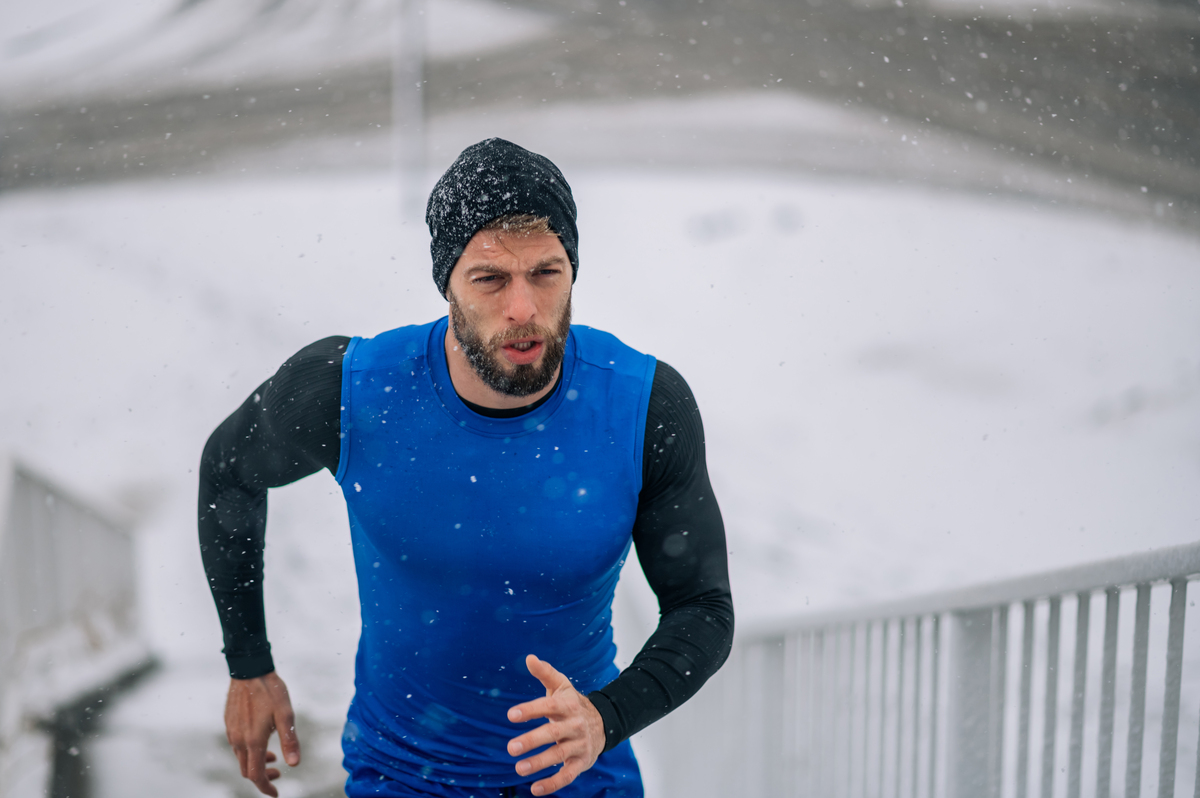
During this active Olympic cycle, winter athletes are leveraging:
- Real-time performance storytelling
- Cross-platform social media amplification
- Alignment with winter lifestyle brands
- Conference-driven promotional campaigns
Women’s hockey NIL activity is particularly aligned with Olympic performance narratives. Skiing athletes capitalize on geographic and lifestyle authenticity.
Strategic positioning during the Games strengthens short-term valuation, though broader structural limitations remain in place.
Conclusion
The 2026 Winter Olympic cycle is actively highlighting both the potential and limits of NIL opportunities for college winter athletes.
Ice hockey currently holds the strongest commercial structure within winter disciplines. Skiing and Nordic sports operate in focused, niche-driven sponsorship ecosystems. Revenue sports continue to dominate overall NIL valuation frameworks.
As Olympic competition unfolds, exposure increases, engagement rises, and brand conversations expand. Yet the underlying commercial hierarchy remains structurally differentiated across collegiate sports.
Learn More About the NIL Landscape
Name, Image, and Likeness plays an increasing role in college sports, and understanding how it works often requires more than individual articles or news updates.
RallyFuel is a platform focused on NIL-related topics across college athletics. It brings together information about athletes, NIL activity, and the broader structure behind modern college sports, helping readers explore the topic in more depth.
👉 Explore the Athletes on RallyFuel – Discover top college athletes, compare NIL valuations, and dive deeper into the world of NIL.
FAQ
Are college winter athletes benefiting commercially while the 2026 Olympics are happening?
Yes, but the benefit is concentrated within the Olympic window. As competition unfolds, athletes experience spikes in engagement and brand attention. However, long-term commercial positioning still depends on sustained exposure beyond Olympic broadcasts.
Why do football and basketball players still earn more through NIL during the Winter Games?
Revenue sports maintain year-round national media integration. Even while the Olympics are underway, football and basketball athletes operate within larger audience ecosystems, which supports higher average deal values.
Does Olympic participation automatically increase NIL valuations?
Not automatically. Performance at the Games increases visibility, but NIL valuation is influenced by audience size, engagement consistency, and sponsor alignment. Olympic exposure improves recognition but does not guarantee proportional earnings growth.
Which winter sport currently shows the strongest NIL structure?
Ice hockey demonstrates the most stable NIL environment among winter disciplines. Active Olympic participation combined with established collegiate competition structures supports stronger brand positioning compared to other winter sports.
How do skiing and Nordic athletes monetize their visibility?
These athletes typically partner with equipment brands, outdoor apparel companies, and regional sponsors. Their commercial positioning is often lifestyle-oriented rather than broadcast-driven.



Leave a Comment