
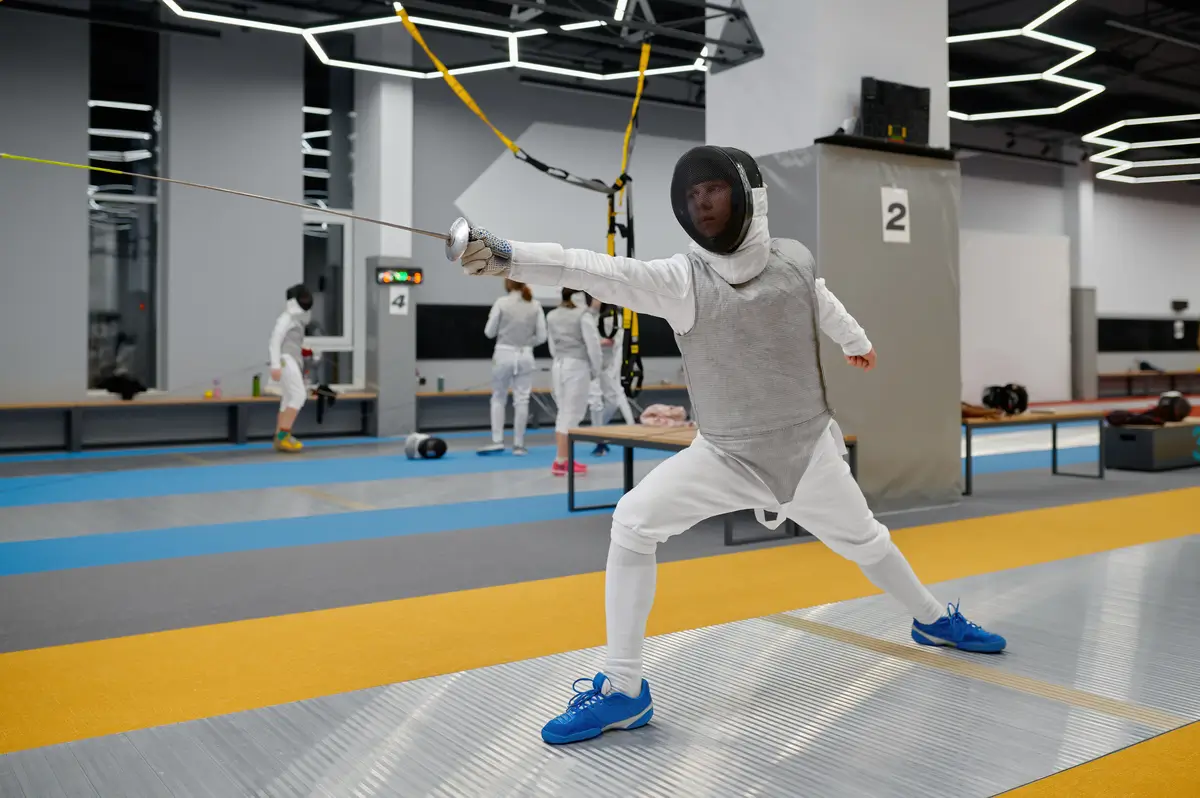
Sports headlines are dominated by quarterbacks signing seven-figure contracts and basketball stars driving luxury cars, but a quieter revolution is happening on the fencing strip. Away from the roaring stadiums, NCAA fencers are carving out their own profitable slice of this new economy. Often called “physical chess,” fencing requires a level of strategic intellect and discipline that appeals to a sophisticated sector of the business world, proving that you don’t need a televised halftime show to build a marketable empire.
At its core, Name, Image, and Likeness (NIL) is simply the legal right for a student-athlete to get paid for their public identity, much like a professional influencer or content creator. For decades, a fencer at a top university could not accept even a free pair of sneakers or payment for a local coaching clinic without risking their eligibility. Today, that barrier is gone, allowing athletes to monetize their hard work and reputation while still competing for their schools.
While these athletes may not play in front of 100,000 screaming fans, they offer something arguably more valuable to specific advertisers: the “Prestige Factor.” Marketing experts often note that brands favor fencers for their association with elite institutions like Columbia, Notre Dame, or Harvard, as well as the sport’s inherent connection to the Olympic stage. This specific demographic alignment allows companies to target highly educated, affluent audiences rather than just the general mass market usually associated with major revenue sports.
In practice, success in this niche relies heavily on digital engagement. Building a personal brand as a collegiate fencer often means trading television commercials for engaging TikTok tutorials or Instagram partnerships that highlight the intense dedication required by the sport. This shift democratizes earning potential, ensuring that financial rewards are no longer reserved solely for those who throw touchdowns.
A landscape where intellect meets athleticism is emerging. Whether through teaching specialized clinics, endorsing health products, or partnering with academic services, the nil opportunities for ncaa fencers are rapidly expanding. These student-athletes are turning their unique talents into tangible income.
Why ‘Niche’ is Your Superpower: The Brand Value of an NCAA Fencer
While a quarterback might sell thousands of soft drinks to a general crowd, a fencer appeals to a highly specific, premium audience. Brands call this “brand alignment”—finding an athlete whose lifestyle mirrors their product. Because fencing is often associated with Ivy League education and higher household incomes, companies selling luxury watches, investment services, or high-end tech see these athletes as gateways to a “high-net-worth” demographic. In this corner of the NIL world, value isn’t determined by how many people watch the match, but by exactly who is watching.
When building a personal brand as a collegiate fencer, the focus shifts from viral entertainment to prestige and performance. Marketing teams generally look for three key pillars that separate fencers from other athletes:
- Academic Excellence: Being a student-athlete at a top-tier university signals intelligence and reliability.
- International Travel: Competing on the global circuit appeals to travel, luggage, and logistics companies.
- Discipline: The sport’s reputation as “physical chess” attracts businesses valuing strategy and precision.
This distinct mix allows fencers to secure national brand ambassador roles for college athletes that go beyond the typical local pizza shop promotion. By leveraging their story as future Olympians and current scholars, they offer a narrative of elite excellence that resonates with advertisers looking for quality over quantity. Once an athlete establishes this premium reputation, the natural next step involves the tools of the trade—turning the weapons they hold into revenue streams.
The Gear Deal: Securing Endorsements with Top Equipment Brands
For an elite fencer, the cost of competition is high—blades break and uniforms wear out—which makes equipment manufacturers the first logical partners for sponsorship. Traditionally, these relationships were limited to “trade-in-kind” arrangements where an athlete received free swords or protective jackets in exchange for using them at tournaments. With the new rules, fencing gear endorsement deals for NCAA athletes have evolved from simple barter systems into paid marketing contracts. Brands now pay student-athletes not just to wear the gear, but to actively promote it to the next generation of buyers who look up to them.
Securing these paychecks requires more than just winning matches; it demands engaging digital storytelling that highlights the product’s value to a broad audience. Successful athletes often produce content creation ideas for competitive fencers like “unboxing” videos, where they film their genuine reaction to opening a new shipment of equipment. By walking viewers through the flexibility of a blade or the comfort of a new mask, the fencer acts as a trusted reviewer for fans and aspiring players. This authentic validation converts their social media followers into customers, proving to the brand that the athlete is a viable financial investment.
While representing major manufacturers provides prestige and essential equipment, the income potential is often capped by the marketing budget of niche sporting goods companies. To unlock higher earnings, savvy fencers look beyond physical products and begin selling their own expertise directly to the community. The mastery required to wield these weapons effectively is a marketable commodity in itself, leading many athletes to trade the camera lens for the classroom.
Monetizing the Mask: Leading Profitable Fencing Clinics and Private Lessons
While selling gear generates buzz, the most reliable income for many NCAA fencers comes from selling their knowledge. Parents of high school athletes are eager to pay for access to someone who has successfully navigated the complex path to Division I athletics. Teaching fencing clinics as an NIL activity allows college stars to monetize their technique and status directly, often earning more in a single weekend than a semester-long equipment contract might provide.
Local fencing academies are the primary hubs for these opportunities. Unlike football players who host camps on large fields, fencers typically partner with established private clubs that already have the necessary strips and scoring machines. By pitching private fencing clubs for sponsorships or guest coaching spots, student-athletes offer a unique value proposition: they bring the prestige of a top-tier university program to a neighborhood gym. This arrangement creates robust local business partnerships for college fencers, where the club gains marketing hype to attract new members and the athlete receives appearance fees or a significant cut of registration revenue.
Before collecting payment, however, athletes must navigate the administrative hurdles that keep their NCAA eligibility safe. Organizing a legitimate clinic requires strict adherence to business protocols rather than informal agreements:
- University Compliance Check: Submit event details to the school’s compliance office to ensure no booster or recruitment rules are violated.
- Facility Insurance: Confirm the host club’s liability policy covers guest instructors to prevent personal financial risk in case of injury.
- Local Marketing: Promote the event specifically as a “mentorship opportunity” to distinguish it from standard lessons.
- Fee Structure: Set a clear per-head price based on market rates (e.g., $100–$150 per student) rather than accepting vague “gifts.”
The financial return on this effort is tangible and immediate. A modest clinic with just 20 students paying $100 each yields $2,000 for a weekend’s work—significant capital that helps cover tuition or travel costs. However, filling those twenty spots requires a strong public profile. To ensure a packed roster for every session, savvy fencers must turn to the internet to build a reputation that reaches beyond their local zip code.
Digital Footwork: Building a Social Media Brand That Attracts Sponsors
Precise footwork defines success on the strip, but digital agility determines financial success in the NIL era. While clinics generate local income, social media scales a fencer’s influence from a neighborhood gym to a global audience. Brands are rarely looking for the athlete with the most medals; they are hunting for storytellers who can engage a specific community. For an NCAA fencer, this means transforming a personal social feed into a digital portfolio that highlights the unique “dual life” of balancing elite academics with international competition, a key tactic in monetizing social media for Olympic sport athletes.
Capturing this audience requires treating an Instagram grid less like a scrapbook and more like a professional resume. The most engaging profiles rotate between technical breakdowns that demystify the sport for newcomers and behind-the-scenes glimpses of the grueling travel schedule required to compete. By offering value—such as explaining the mental psychology of a match point—an athlete proves they can advocate for a product authentically to a wide demographic. This approach ensures that even followers who have never held a sword remain invested in the person behind the mask.
Developing these narratives relies on visual hooks, such as the spark of a blade or the slow-motion flex of a foil, to stop the scroll instantly. Content creation ideas for competitive fencers must grab attention within seconds to convert casual viewers into loyal followers. Once that audience is established and engagement metrics are solid, the athlete is ready to move from posting videos to signing contracts. To actually find these deals, student-athletes must next navigate the specific digital marketplaces where brands and players officially connect.

Opendorse vs. INFLCR: Navigating Marketplaces for Niche Athletes
Just as job seekers use LinkedIn to find employment, NCAA athletes use specialized digital marketplaces to connect with potential sponsors. These platforms, primarily Opendorse and INFLCR, serve as the official meeting grounds where brands search for talent and where contracts are safely generated. For a fencer, these apps are critical because they aggregate NIL marketplaces for niche sports athletes, allowing companies to search specifically for attributes like “Olympic hopeful” or “academic excellence” rather than just touchdown statistics.
While the specific platform is often determined by which software a university has officially partnered with, understanding the strengths of each helps an athlete maximize their visibility. When evaluating Opendorse vs INFLCR for fencing NIL, the user experience differs slightly in how opportunities are presented:
- Brand Density: Opendorse often features a higher volume of national “open board” deals accessible to all athletes, which is vital for non-revenue sports.
- Content Delivery: INFLCR specializes in delivering game-day photos directly to the athlete’s phone, making it easier to post high-quality fencing action shots immediately.
- Compliance Integration: Both platforms automatically report transactions to the university, ensuring a fencer never accidentally violates NCAA eligibility rules.
Success on these platforms requires more than just creating an account; it demands keyword optimization. Because algorithm-driven searches often filter by specific interests, a fencer must explicitly list hobbies, their academic major, and community interests to appear in relevant search results. A complete profile ensures that when a company looks for a disciplined engineering student, the fencer appears at the top of the list. While these digital tools connect athletes to national campaigns, the most accessible income often sits right outside the campus gates.
Beyond the Strip: Partnering with Local Businesses in Your College Town
While digital apps connect athletes to global brands, the most tangible opportunities often exist within walking distance of the dorms. Local business partnerships for college fencers rely less on massive follower counts and more on real-world community influence. A fencing team captain might not sell sneakers to millions, but they can drive significant foot traffic to a campus coffee shop or study hub simply by bringing their teammates. This approach shifts the focus from “internet fame” to “neighborhood credibility,” allowing student-athletes to monetize their reputation as disciplined, high-achieving members of the local community.
Securing these deals requires thinking beyond a simple social media post. When figuring out how to get fencing sponsorships as a student athlete, success usually comes from offering tangible presence rather than just digital visibility. A fencer might host a “Meet the Team” event at a frozen yogurt shop or wear a local gym’s logo during a community wellness clinic. Because fencing is viewed as an intellectual and strategic sport, these athletes are particularly attractive partners for businesses like tutoring centers, bookstores, or technology repair shops looking to associate their brand with precision and intelligence.
Authenticity remains the currency of these hyper-local relationships. A recommendation feels genuine only when the athlete actually uses the service, making a partnership with a favorite late-night pizza spot far more effective than promoting a product they never touch. However, even a handshake deal with a neighborhood restaurant constitutes a legal agreement in the eyes of the NCAA. Before accepting free meals or cash in exchange for promotion, a fencer must understand the strict regulations that keep them on the strip and out of trouble.
The Compliance Shield: Protecting Your Scholarship and Eligibility
The excitement of landing a first sponsorship deal should never outweigh the value of a collegiate education. Because fencing scholarships are often partial and highly competitive, risking the impact of NIL on fencing scholarship eligibility over a minor compliance error is a gamble no student-athlete should take. The NCAA allows profit, but it strictly forbids “pay-for-play,” meaning a booster cannot simply hand a fencer cash for winning a bout or committing to a specific university.
At the heart of every safe transaction is the principle of “Quid Pro Quo,” Latin for “this for that.” To satisfy legal requirements for NCAA fencing NIL contracts, an athlete must perform a legitimate service in exchange for payment. A fencer cannot receive $500 just for being on the roster; they must earn it by coaching a clinic, signing autographs, or creating social media content. If the work isn’t real and verifiable, the income is a violation.
Even well-intentioned offers can carry hidden risks. Before signing, athletes and parents should scan agreements for these common compliance traps:
- Inducements: Any offer contingent on attending a specific school or remaining on the team.
- Missing “Quid Pro Quo”: Payment without a clear, specific requirement of work from the athlete.
- Unauthorized Logos: Using university trademarks (like the team mascot) or fencing gear logos without written permission.
Transparency serves as the final layer of protection. Most universities require athletes to submit deals to a compliance officer before signing, ensuring the contract doesn’t conflict with school policies or USA Fencing athlete marketing guidelines. Once the deal is approved and the money hits the bank account, the challenge shifts from following rules to managing wealth, requiring a sudden crash course in taxes and budgeting.
Financial Planning for the Collegiate Professional
When that first sponsorship deposit hits, the instinct is often to celebrate, but nil opportunities for ncaa fencers carry a hidden tax burden. Unlike a summer job where taxes are deducted automatically, NIL earnings are classified as “1099” independent contractor income. The athlete receives the full amount upfront but is personally responsible for paying self-employment taxes later. Experts suggest setting aside roughly thirty percent of every check to satisfy the IRS, treating the student-athlete less like a typical employee and more like the owner of a small business.
Strategic budgeting determines how far an athlete progresses in a sport known for high overhead. A single season involves steep costs for international flights and specialized equipment, such as maraging steel blades that frequently break during competition. Effective financial planning for collegiate NIL income allows fencers to reinvest earnings directly into their development, subsidizing travel to North American Cups or World Cup events. Rather than buying luxury items, savvy athletes use partnerships to fund the grueling “pay-to-play” nature of the Olympic path.
Looking past graduation, early financial discipline builds a vital safety net. Since professional fencing rarely offers the multimillion-dollar salaries found in major league sports, habits like expense tracking are crucial for sustaining a competitive career post-college. This business-minded approach demonstrates maturity to future partners, a trait that becomes essential when shifting focus to the local economy and private academies.
Pitching Private Fencing Clubs: The Professional Roadmap
While university gyms provide a home base during the season, the heart of the fencing community often beats in private academies where the next generation of talent is trained. For a collegiate fencer, pitching private fencing clubs for sponsorships is less about asking for a donation and more about offering a connection to that younger generation. Club owners are constantly looking for ways to inspire their junior members, and an active NCAA athlete represents the ultimate goal: a college scholarship. By positioning themselves as accessible role models, student-athletes can offer guest coaching or “meet and greet” events that add tangible value to the club’s curriculum.
Cash flow can be tight for local small businesses, so smart athletes often negotiate for “training credits” rather than direct payments. This arrangement allows a fencer to trade their time—perhaps running a weekend footwork clinic—in exchange for free access to the club’s facilities or lessons during the off-season. This strategy significantly lowers the athlete’s overhead while helping the club owner fill the room with excited young fencers. To make this proposal work, how to get fencing sponsorships as a student athlete depends on presenting a clear, professional package that outlines exactly what the club gains.
Key Elements of a Club Pitch:
- Current NCAA ranking or national rating to establish authority.
- Social media reach and audience demographics.
- Proposed services, such as guest coaching or summer camps.
- Specific value provided to current club members.
- Duration of the contract and renewal terms.
Approaching these owners requires a shift in mindset from “student” to “business partner.” With the proposal ready, the next step is executing the outreach with precision.
The ‘Physical Chess’ Strategy: A 30-Day Action Plan for Your First Deal
The intense discipline displayed on the strip translates directly to value in the marketplace. Fencing has always been about strategy—anticipating moves and reacting with precision. The emerging landscape of name, image, and likeness (NIL) simply requires applying that same tactical mind to a financial future. Whether utilizing a platform for local coaching clinics or partnering with brands that value an elite aesthetic, NIL opportunities for NCAA fencers are waiting for those willing to unmask their potential.
This era is not just a chance to make money, but a low-risk business laboratory. Building a personal brand as a collegiate fencer is about establishing a professional network that will last long after graduation. By engaging with NIL opportunities, students are effectively building a resume of entrepreneurship, proving to future employers that they understand marketing, negotiation, and self-advocacy.
You do not need a million followers to begin; you simply need a structured approach. If you or the athlete you support is ready to pivot from amateur to professional, use this 30-day roadmap to launch a compliant and effective NIL presence:
- Week 1 (Audit & Profile): Clean up social media channels. Ensure the bio highlights NCAA status, lists the specific weapon (e.g., Sabre, Foil), and includes a business contact email.
- Week 2 (Content Creation): Post three times this week focusing on value rather than vanity. Share a behind-the-scenes look at training, a fencing tip for beginners, or a “day in the life” of a student-athlete.
- Week 3 (Outreach): Identify five local businesses or niche brands currently being used. Send a professional introduction explaining why their values align with the discipline of fencing.
- Week 4 (Contracting): Review any responses. Even if the first deal is a simple product exchange rather than cash, treat the agreement with professional seriousness and deliver on every promise.
The era of the athlete who couldn’t accept a free meal is over. Fencers have the unique opportunity to define their worth on their own terms, blending athletic prowess with business acumen. Approach this new world with the same focus brought to a bout. The crowd is watching, the brands are listening, and for the first time in history, the score is entirely up to the athlete.
Learn More About the NIL Landscape
Name, Image, and Likeness plays an increasing role in college sports, and understanding how it works often requires more than individual articles or news updates.
RallyFuel is a platform focused on NIL-related topics across college athletics. It brings together information about athletes, NIL activity, and the broader structure behind modern college sports, helping readers explore the topic in more depth.



Leave a Comment