
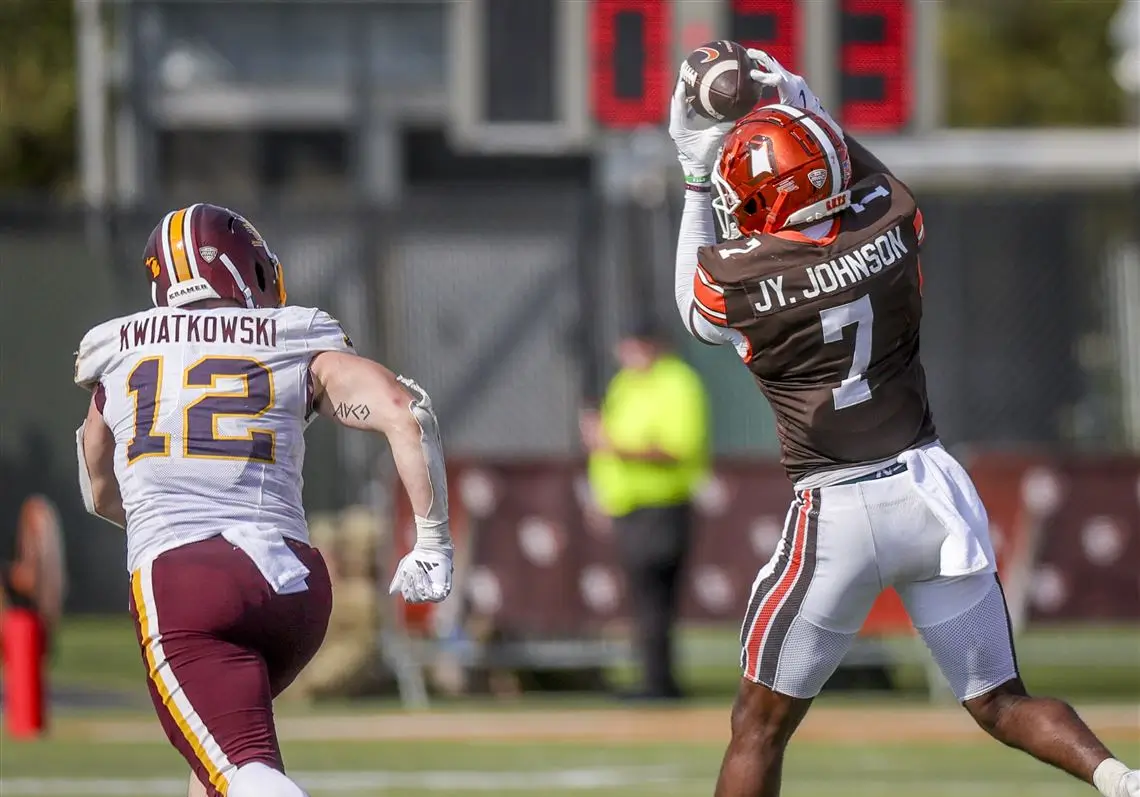
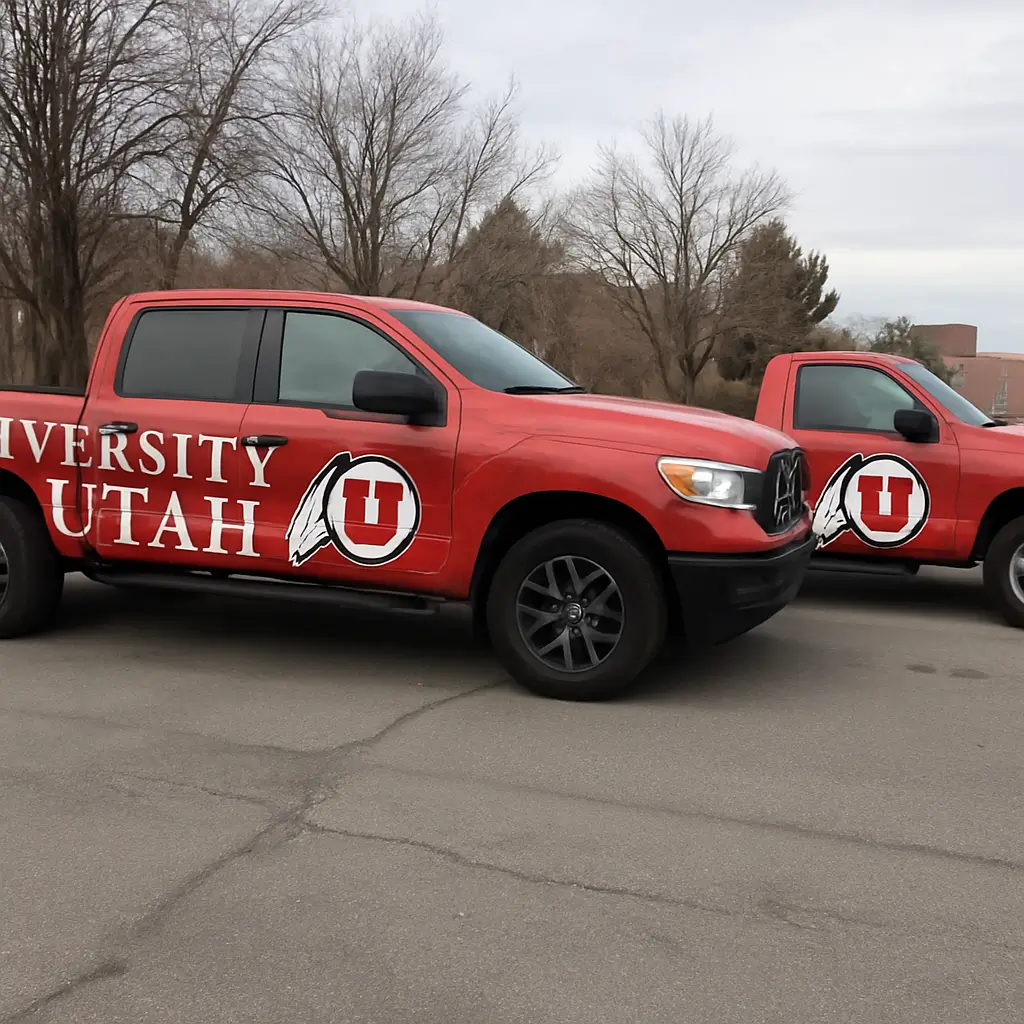
If you have driven around Salt Lake City recently, you may have noticed a fleet of matching trucks with athletes behind the wheel. This isn’t just a team perk; it is the most tangible evidence of the booming market for University of Utah NIL deals. These vehicles represent a major shift from the amateur-only era to a modern landscape where players are compensated for their value.
For decades, NCAA rules prevented players from earning a dime, but today’s landscape functions much like a “modern paper route.” Student-athletes now possess the legal right to monetize their Name, Image, and Likeness (NIL) just like any other citizen. Instead of receiving a salary from the school, they generate income by partnering with third parties who want to utilize their personal brand.
In practice, this means the playing field at Rice-Eccles Stadium has expanded into the local economy. College athlete endorsements are now standard, allowing Utes to appear in commercials, sign autographs for a fee, or promote local restaurants on social media without risking their eligibility. The rules have finally caught up to reality.
How the Crimson Collective Turns Fan Passion into Player Compensation
While the University of Utah manages scholarships and facilities, it cannot legally pay athletes a salary directly. Enter the “Collective.” Think of groups like the Crimson Collective as a massive community potluck. Instead of bringing casseroles, fans and local businesses pool their financial resources into a separate, independent organization dedicated entirely to creating paid opportunities for athletes. This allows the community to directly support the players they cheer for every Saturday without breaking NCAA rules.
You have likely spotted the fleet of Ram 1500 Big Horn trucks driving around Salt Lake City, each driven by a Utah football player. This isn’t a free gift; it is a specific type of contract called a lease-for-service agreement. In exchange for the lease, the athlete acts as a brand ambassador, participating in charity events and promoting the collective on social media. If they stop playing or transfer schools, the keys must be returned. It ensures a fair exchange—work for compensation—rather than just handing out cash.
Distinguishing between funding sources helps fans effectively support the Utes’ Big 12 bid. Here is how the two main support systems differ:
- Crimson Club (University-Run): Donations fund scholarships, build facilities like the Ken Garff Red Zone, and pay coaching salaries.
- Crimson Collective (Independent): Contributions go directly to athlete pockets through NIL contracts for marketing and community service.
By pooling resources, the collective helps retain top talent who might otherwise be lured away by schools with deeper pockets. However, driving a nice truck is only one visible perk; keeping these contracts requires actual labor in the community.
Winning Off the Field: The Real-World Work Behind Utah NIL Deals
Many fans assume players just sign autographs and cash checks, but the reality for most Utes is closer to a demanding part-time job in marketing. To earn compensation, student-athletes must actively build their commercial value and deliver tangible results for the companies paying them. This shift turns the campus into a training ground for Utah athletics brand management, where players learn to negotiate contracts and execute deliverables just like any freelance professional.
For the majority of deals, the actual “work” happens on smartphones rather than television screens. Local businesses pay athletes to post about products on social media, effectively treating the players as digital billboards that reach thousands of loyal fans instantly. A gymnast promoting a downtown boutique or a linebacker reviewing a Sugar House restaurant provides authentic advertising that traditional commercials often lack.
Finding these opportunities requires navigating specialized digital tools designed to connect talent with local entrepreneurs. Through Utah athlete marketplace platforms, a business of any size can propose a deal—from a grand opening appearance to a semester-long ambassadorship. This technology democratizes the process, allowing even non-starters in sports like skiing or swimming to secure Salt Lake City athlete sponsorships if they have an engaged following.
Beyond financial benefits, this arrangement forces young adults to develop significant professional equity. They learn to track invoices and maintain public relations standards while juggling a full course load. As athletes navigate these business waters, they must remain vigilant about specific legal boundaries to ensure they stay eligible to play on Saturdays.
Staying in the Game: Navigating Utah NIL Laws and NCAA Compliance
While earning money is permitted, NCAA compliance for Utah athletes hinges on two strictly enforced prohibitions to ensure fair competition. First, deals cannot be “pay-for-play,” meaning athletes must perform actual work, like signing autographs or filming commercials, rather than just receiving cash for being on the roster. Second, money cannot be used as an “inducement” to bribe high school recruits into signing with the Utes over a rival school.
Local lawmakers have strengthened this position through specific Utah state NIL legislation. This framework restricts the NCAA from penalizing the university for facilitating these commercial activities, effectively creating a legal safety net around the program. This stability allows the administration to support deal-making without the constant fear of arbitrary sanctions disrupting the season or punishing innocent players.
Success in the marketplace also introduces collegiate NIL tax implications, as the IRS views these payments as taxable income similar to a regular job. Students must learn to budget for tax season, adding real-world financial responsibility to their routine. These maturing systems are now expanding well beyond the gridiron to benefit other popular campus teams.
More Than Just Football: How Gymnastics and Basketball Stars Score Local Brand Deals
While custom trucks grab headlines, the “Red Rocks” might actually be the strongest brand on campus. With consistent sell-out crowds at the Huntsman Center, Utah gymnasts often boast social media followings that dwarf their football counterparts, making them highly sought after by national brands.
Financial independence for these athletes looks different than traditional support. The distinction between NIL vs athletic scholarships is vital: scholarships cover tuition and housing to get students into the classroom, while NIL provides taxable cash income for commercial work performed outside of it.
This economic freedom allows athletes to capitalize on their fame through diverse ventures:
- Social Media Campaigns: Gymnastics NIL partnership examples often include promoting activewear or energy drinks on Instagram.
- Community Appearances: Basketball players hosting youth clinics or signing autographs at local dealerships.
- Merchandise: Selling custom t-shirts featuring their own name and likeness.
Expanding Utah basketball earning potential and gymnastics revenues ensures the university attracts elite talent across the board. The continued success of these programs relies not just on the stars, but on the community that supports them.
Joining the Team: Your Role in the New Era of Ute Athletics
The mechanics behind Utah NIL deals change how you watch every snap at Rice-Eccles Stadium. Recruiting top talent and retaining stars for the Big 12 relies on more than just coaching; it requires a robust community ecosystem. This shift from spectator to active supporter is vital for the team’s longevity.
You can directly influence this success today. Start by engaging with athlete social media content, patronizing the local businesses that sponsor them, or exploring how to join Crimson Collective to contribute directly. These small daily actions aggregate to build the financial strength needed to keep the Utes competitive against national powerhouses.
The amateur era has evolved, but the community spirit defining the U remains constant. When you support these student-athletes, you aren’t just seeing a truck lease; you are investing in the future of Utah athletics.
Learn More About the NIL Landscape
Name, Image, and Likeness plays an increasing role in college sports, and understanding how it works often requires more than individual articles or news updates.
RallyFuel is a platform focused on NIL-related topics across college athletics. It brings together information about athletes, NIL activity, and the broader structure behind modern college sports, helping readers explore the topic in more depth.

Leave a Comment