
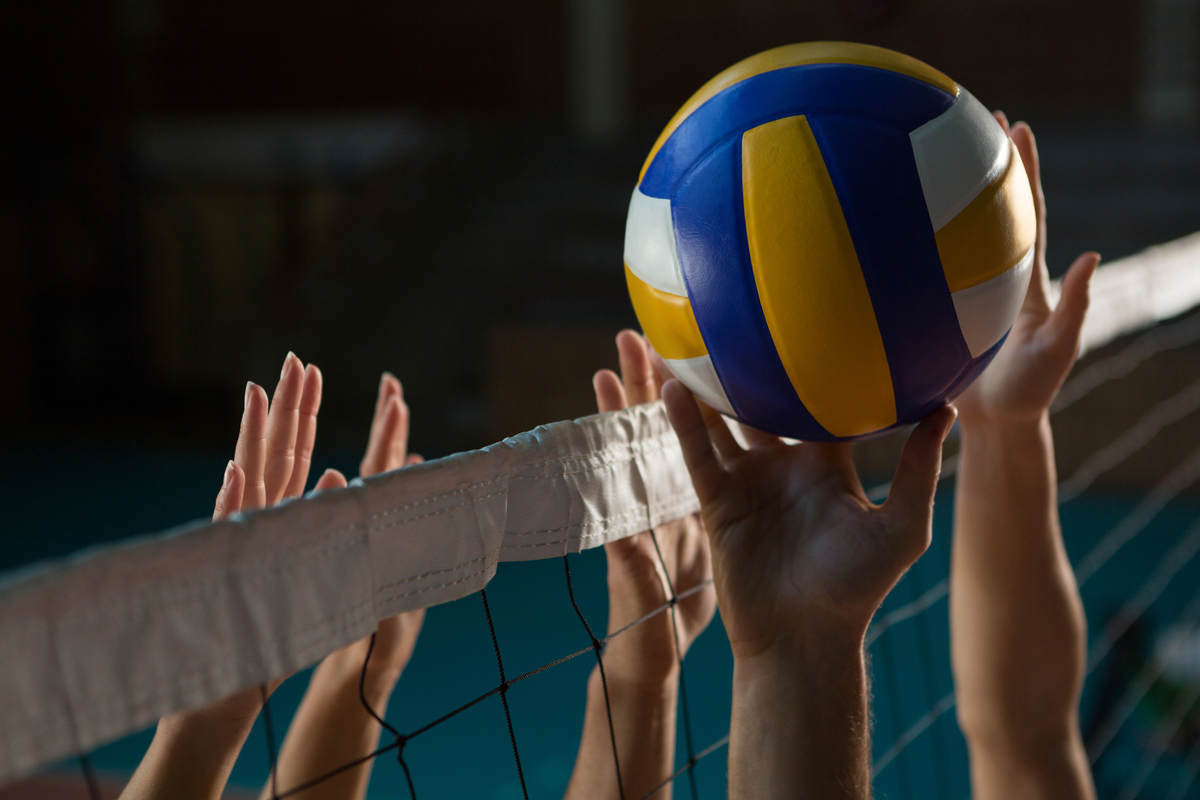
The landscape of collegiate athletics is undergoing a significant transformation with the emergence of Name, Image, and Likeness (NIL) opportunities. As we explore the world of indoor volleyball and beach volleyball, it becomes essential to understand how these changes affect collegiate athletes in both sports.
The NCAA’s policy changes have opened up new avenues for athletes to capitalize on their NIL, but the profitability of these opportunities varies between sports. We will examine the current state of NIL deals in both volleyball and beach volleyball, providing insights into which offers better financial opportunities for athletes.
The Evolution of NIL in Collegiate Sports
As of 2021, the NCAA introduced a groundbreaking policy change that opened up new avenues for collegiate athletes to capitalize on their Name, Image, and Likeness (NIL). This shift marked a significant turning point in the history of collegiate athletics, allowing athletes to profit from their NIL without jeopardizing their eligibility.
The Landmark NCAA Policy Change of 2021
The NCAA’s decision to permit NIL compensation was a response to growing legal and public pressure. This policy change was monumental because it acknowledged the changing landscape of collegiate sports and the need for athletes to benefit from their own marketability.
Several key legal decisions and legislative actions led to the NCAA’s policy change:
- The O’Bannon v. NCAA case, which challenged the NCAA’s restrictions on athlete compensation.
- State-level NIL legislation that pushed the NCAA to reconsider its stance.
These developments collectively contributed to the current NIL landscape, enabling collegiate athletes to engage in endorsement deals and other business opportunities.
| Year | Event | Impact |
|---|---|---|
| 2014 | O'Bannon v. NCAA | Court ruling against NCAA's restrictions on athlete compensation. |
| 2021 | NCAA Policy Change | Allowed athletes to profit from NIL without losing eligibility. |
| 2022 | State NIL Legislation | Various states enacted laws supporting NIL rights for athletes. |
The evolution of NIL policies in collegiate sports reflects a broader shift towards recognizing the economic value of athletes’ names, images, and likenesses. As the landscape continues to evolve, understanding these foundational changes is crucial for athletes, administrators, and fans alike.
NIL Opportunities in Volleyball and Beach Volleyball: A Comprehensive Overview
The landscape of Name, Image, and Likeness (NIL) opportunities in volleyball is rapidly evolving, presenting athletes with diverse avenues for monetization. As we delve into the world of NIL deals for volleyball athletes, it’s essential to understand the various forms these opportunities can take.
What Constitutes an NIL Deal for Volleyball Athletes
NIL deals for volleyball athletes can vary widely, encompassing endorsements, appearances, and content creation. These opportunities allow athletes to capitalize on their name, image, and likeness, turning their athletic prowess into financial gain.
Endorsements vs. Appearances vs. Content Creation
Endorsements involve athletes promoting specific brands or products, often through social media campaigns or at events. Appearances, on the other hand, refer to athletes making public appearances, such as at autograph sessions, camps, or clinics, for which they are compensated. Content creation involves athletes producing and distributing content, often through their own social media channels, blogs, or YouTube videos, that showcases their personality, skills, or expertise.
For instance, a volleyball athlete might partner with a sports equipment brand for an endorsement deal, promoting their products during competitions or on social media. Alternatively, they might make appearances at local sports camps, sharing their experiences and insights with young athletes. Content creation could involve producing instructional videos or vlogs that highlight their training regimens and competitive experiences.
Understanding these different types of NIL opportunities is crucial for athletes looking to maximize their earning potential. By diversifying their revenue streams across endorsements, appearances, and content creation, volleyball athletes can build robust personal brands that resonate with fans and sponsors alike.
Market Size Comparison: Indoor vs. Beach Volleyball
Understanding the market size of indoor and beach volleyball requires analyzing NCAA volleyball viewership and fan engagement metrics. The popularity of NCAA volleyball is a crucial factor in determining the potential for Name, Image, and Likeness (NIL) opportunities.
NCAA volleyball has seen a significant increase in viewership over the past few years. The NCAA volleyball championships have consistently drawn large audiences, with both indoor and beach volleyball events contributing to the overall viewership numbers.
NCAA Volleyball Viewership and Fan Engagement Metrics
The viewership metrics for NCAA volleyball are impressive, with the sport experiencing a steady rise in popularity. According to recent data, the NCAA volleyball championships have seen a double-digit percentage increase in viewership over the past five years.
Fan engagement is another critical metric, with NCAA volleyball athletes and teams leveraging social media platforms to connect with their audience. The engagement metrics, including likes, shares, and comments, indicate a highly interactive and invested fan base.
Growth Trends in Collegiate Volleyball Audiences
The growth trends in collegiate volleyball audiences are promising, with both indoor and beach volleyball showing potential for further expansion. The increasing popularity of the sport is attributed to various factors, including successful NCAA campaigns and the growing interest in volleyball at the collegiate level.
As the market size continues to grow, so do the opportunities for NIL deals. The expanding audience and increased engagement create a fertile ground for athletes to capitalize on their name, image, and likeness.
The comparison between indoor and beach volleyball reveals that while indoor volleyball has a larger traditional audience, beach volleyball is gaining traction, particularly among younger demographics. This shift presents unique opportunities for athletes in both disciplines to explore different NIL avenues.
Media Exposure: Television, Streaming, and Tournament Coverage
As collegiate volleyball continues to gain popularity, media exposure through various channels has become a key factor in athletes’ NIL opportunities. The way volleyball athletes are showcased on television, streaming platforms, and during tournaments significantly influences their visibility and attractiveness to sponsors.
Broadcast Deals for Collegiate Volleyball Conferences
Broadcast deals for collegiate volleyball conferences have seen a notable increase, providing more exposure for athletes. Conferences like the Pac-12 and Big Ten have secured lucrative deals, ensuring that matches are broadcast on major networks, thus enhancing the visibility of their athletes.
The rise of streaming platforms has further amplified the reach of collegiate volleyball. Platforms such as ESPN+ and FloSports offer extensive coverage of tournaments and matches, making it easier for fans to follow their favorite teams and athletes. Greater visibility helps athletes become more appealing to potential NIL partners.
As media exposure continues to grow, so do the opportunities for volleyball athletes to capitalize on their NIL potential. The combination of traditional broadcast and modern streaming platforms creates a robust landscape for athletes to gain the exposure they need.
Social Media Influence and Digital Marketing Potential
The rise of social media has significantly impacted the NIL landscape, offering volleyball athletes new avenues to monetize their name, image, and likeness. As we explore the digital marketing potential for these athletes, it’s crucial to understand the role of social media platforms in shaping their personal brand and attracting sponsors.
Platform Preferences and Follower Demographics
Different social media platforms cater to different demographics and offer unique engagement opportunities. For volleyball athletes, understanding these differences is key to maximizing their online presence.
Instagram vs. TikTok vs. YouTube Effectiveness
Each platform has its strengths: Instagram excels in visual storytelling, TikTok is ideal for short-form, engaging content, and YouTube offers a space for more in-depth video content. The effectiveness of each platform can be measured through various metrics, including follower growth, engagement rates, and content reach.
| Platform | Primary Use | Engagement Metric |
|---|---|---|
| Visual Storytelling | Average Likes per Post | |
| TikTok | Short-form Videos | Average Views per Video |
| YouTube | In-depth Video Content | Average Watch Time |
By strategically leveraging these platforms, volleyball athletes can enhance their digital marketing potential, build a stronger personal brand, and attract more lucrative NIL opportunities.
Sponsorship Landscape for Indoor Volleyball Players
As the NIL (Name, Image, Likeness) policies continue to unfold, indoor volleyball players are discovering diverse sponsorship avenues. The sponsorship landscape for these athletes is becoming increasingly complex, with various factors influencing their marketability.
One of the primary areas of focus for sponsorship deals in indoor volleyball is equipment and apparel endorsements. Top players can secure deals with major brands, promoting their products and enhancing the athletes’ visibility.
Equipment and Apparel Endorsement Opportunities
Indoor volleyball players, particularly those excelling in specific positions, can attract significant endorsement opportunities. For instance, libero players known for their defensive prowess can become the face of campaigns for defensive equipment.
Value Tiers for Different Position Players
The value of indoor volleyball players to sponsors can vary significantly based on their position on the team. Here’s a breakdown of the typical value tiers:
| Position | Typical Value Tier | Key Attributes |
|---|---|---|
| Outside Hitters | High | Versatility, scoring ability |
| Libero | Medium to High | Defensive expertise, leadership |
| Setters | Medium | Strategic importance, playmaking |
| Opposites | Medium to High | Scoring threat, blocking ability |
| Middle Blockers | Low to Medium | Blocking prowess, defensive skills |
Understanding these value tiers is crucial for athletes and sponsors alike, as they navigate the complex landscape of NIL opportunities in indoor volleyball.
Beach Volleyball’s Unique NIL Advantages
Beach volleyball’s laid-back, sun-kissed aesthetic offers a compelling backdrop for athletes to build their personal brand and attract NIL deals. This sport’s unique culture and lifestyle appeal create a fertile ground for athletes to secure lucrative partnerships.
Lifestyle Brand Partnerships and Crossover Appeal
Beach volleyball athletes are well-positioned to partner with lifestyle brands that resonate with the sport’s relaxed, outdoor lifestyle. Brands looking to tap into the beach culture can find a natural fit with these athletes, who embody the spirit of their products or services.
Athletes can capitalize on the beach volleyball aesthetic by showcasing their personality, style, and the sport’s inherent cool factor. This can involve:
- Promoting outdoor and beachwear brands
- Showcasing fitness and wellness products that align with the active beach lifestyle
- Partnering with travel and tourism brands that cater to beachgoers
By leveraging these opportunities, beach volleyball athletes can create a strong personal brand that appeals to a wide audience and attracts valuable NIL deals.
Legal and Compliance Considerations for Volleyball NIL Deals
Volleyball athletes must navigate a complex web of NCAA regulations and school-specific policies when pursuing NIL opportunities. Ensuring compliance is crucial to avoid penalties and maintain eligibility.
NCAA Regulations Specific to Volleyball Athletes
The NCAA has established guidelines governing NIL activities for collegiate athletes, including those in volleyball. Key aspects include:
- Disclosure requirements for NIL agreements
- Prohibitions on compensation for athletic performance
- Restrictions on certain types of sponsors
School-Specific Policies and Restrictions
In addition to NCAA regulations, volleyball athletes must also comply with their institution’s policies. These can vary significantly between schools.
| Policy Area | NCAA Regulation | School-Specific Variation |
|---|---|---|
| NIL Disclosure | Required for deals above $1,000 | Some schools require disclosure for all deals |
| Sponsor Restrictions | Prohibits alcohol and tobacco sponsors | Some schools may have additional restrictions |
To ensure compliance, volleyball athletes should:
- Review NCAA regulations and school policies thoroughly
- Consult with compliance officers and legal advisors
- Regularly update their knowledge of changing regulations
Case Studies: NIL Success Stories in Both Sports
Examining successful NIL deals in volleyball reveals valuable insights into athlete monetization strategies. By analyzing the approaches taken by top-earning indoor volleyball athletes, we can better understand the landscape of NIL opportunities in collegiate sports.
Top-Earning Indoor Volleyball Athletes and Their Strategies
Indoor volleyball athletes have capitalized on NIL opportunities through various means. For instance, some have leveraged their social media presence to secure lucrative endorsement deals. Others have partnered with sports equipment brands, promoting products that align with their personal brand.
One notable example is Jordan Thompson, a standout libero who has secured multiple endorsement deals through her strong online presence. Her strategy involves a mix of promotional content and engaging with her fanbase, creating a loyal following that attracts brands.
Analysis of Multi-Channel Monetization Approaches
Successful indoor volleyball athletes often employ multi-channel monetization strategies to maximize their NIL potential. This includes:
- Social media partnerships and sponsored content
- Equipment endorsements and product placements
- Appearance fees and autograph sessions
- Online coaching or training programs
By diversifying their income streams, these athletes can build sustainable careers beyond their collegiate years. As noted by sports marketing expert,
“The most successful NIL deals are those that create a win-win for both the athlete and the brand, often through multi-channel approaches.”
As the NIL landscape continues to evolve, understanding these strategies will be crucial for athletes, coaches, and marketers alike. By studying the successes of top-earning indoor volleyball athletes, we can gain valuable insights into the future of NIL in collegiate sports.
Conclusion: Which Volleyball Discipline Offers Better NIL Potential
As we have explored the various aspects of NIL opportunities in volleyball and beach volleyball, a comprehensive comparison reveals distinct advantages in each discipline. For collegiate athletes, understanding these differences is crucial in maximizing their NIL potential.
Beach volleyball appears to offer unique advantages in terms of lifestyle brand partnerships and crossover appeal, potentially leading to more lucrative NIL deals. The individual nature of beach volleyball also allows athletes to build personal brands more easily. On the other hand, indoor volleyball benefits from higher NCAA viewership and fan engagement metrics, providing a broader platform for athletes to gain exposure.
When comparing the two disciplines, we see that beach volleyball might have a slight edge in terms of NIL potential due to its alignment with lifestyle brands and the ease of building a personal brand. However, indoor volleyball’s strong collegiate following and media exposure provide significant opportunities for athletes to secure NIL deals.
Ultimately, the choice between volleyball and beach volleyball should be based on an athlete’s individual preferences, skills, and branding strategies. By understanding the NIL landscape in both disciplines, collegiate athletes can make informed decisions to optimize their marketability and financial opportunities.
Learn More About the NIL Landscape
Name, Image, and Likeness plays an increasing role in college sports, and understanding how it works often requires more than individual articles or news updates.
RallyFuel is a platform focused on NIL-related topics across college athletics. It brings together information about athletes, NIL activity, and the broader structure behind modern college sports, helping readers explore the topic in more depth.
FAQ
What are NIL opportunities, and how do they apply to collegiate volleyball athletes?
NIL opportunities refer to the ability of collegiate athletes to profit from their Name, Image, and Likeness. For volleyball athletes, this means they can engage in endorsements, appearances, and content creation, leveraging their athletic reputation and social media presence to earn money.
How have NCAA policy changes affected NIL deals in volleyball?
The NCAA’s 2021 policy change allowed collegiate athletes, including volleyball players, to engage in NIL opportunities without losing their eligibility. This shift has opened up new revenue streams for athletes in both indoor and beach volleyball.
What types of NIL deals are available to volleyball athletes?
Volleyball athletes can participate in various NIL deals, including endorsements, where they promote products or services; appearances, such as autograph sessions or camps; and content creation, leveraging their social media presence to create sponsored content.
How does the market size of indoor volleyball compare to beach volleyball in terms of NIL opportunities?
The market size and audience engagement differ between indoor and beach volleyball, influencing the potential for NIL deals. Indoor volleyball has a larger following and more significant NCAA viewership, while beach volleyball offers a unique lifestyle appeal that can attract different types of sponsors.
What role does social media play in NIL opportunities for volleyball athletes?
Social media is crucial for volleyball athletes looking to capitalize on NIL opportunities. Platforms like Instagram, TikTok, and YouTube allow athletes to build their personal brand, engage with fans, and attract sponsors, thereby increasing their earning potential.
Are there specific NCAA regulations that volleyball athletes must follow regarding NIL deals?
Yes, the NCAA has established regulations governing NIL deals for collegiate athletes, including volleyball players. These regulations dictate what types of deals are permissible and require athletes to disclose certain information to their schools.
How do school-specific policies impact NIL opportunities for volleyball athletes?
School-specific policies can further restrict or guide how volleyball athletes engage in NIL deals. Athletes must comply with both NCAA regulations and their institution’s policies, which can vary significantly.
Can you provide examples of successful NIL deals in volleyball?
Top-earning volleyball athletes have successfully leveraged NIL opportunities through endorsements, social media content creation, and appearances. These athletes often combine their athletic prowess with a strong personal brand to attract lucrative deals.
What is the future outlook for NIL opportunities in volleyball?
The future of NIL opportunities in volleyball is expected to continue evolving, with potential changes in NCAA policies and growing athlete awareness of their marketability. As the landscape shifts, athletes, fans, and sponsors will need to adapt to new opportunities and challenges.
How can volleyball athletes ensure they are complying with NCAA regulations when engaging in NIL deals?
Volleyball athletes should familiarize themselves with NCAA regulations and their school’s policies regarding NIL deals. Seeking guidance from athletic department compliance officers or legal professionals can also help ensure they remain compliant.

Leave a Comment