
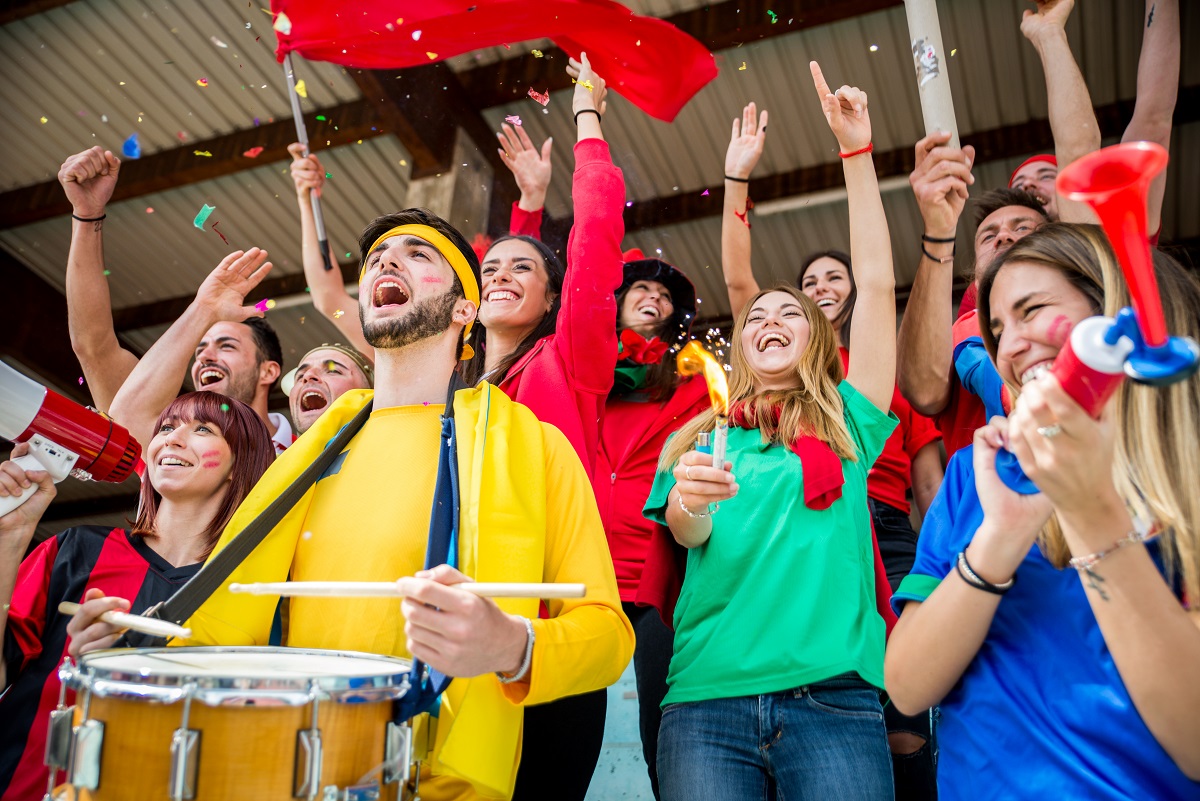
Team USA Is Fueled by Fans
Unlike the Olympics programs of most countries, Team USA is fueled solely by fans. The United States Olympic & Paralympic Committee (USOPC), often called The Team Behind the Team, is a federally chartered 501(c)(3) nonprofit organization that does not receive a dime in federal funding.
“That means athletes rely on YOU to help with the costs of training, health and wellness resources, innovative equipment, and so much more,” the group states on its official website.
At support.teamusa.com, the front page features Support Team USA Athletes! where fans can donate once or monthly, with suggested amounts from $25 to $500. Donations are capped at $25,000 per transaction.
A total of 592 U.S. athletes competed in the Paris 2024 Olympic Games, representing 46 states.
Because the United States Olympic and Paralympic Foundation is a 501(c)(3) tax-exempt organization, contributions are tax-deductible within the guidelines of U.S. law. Donors receive an official receipt for those purposes. Every bit of these donations supports U.S. Olympians, Paralympians, and those working toward becoming one. No donor contributions go toward administration or overhead costs — an important distinction from most charities.
NIL Arrived Just in Time for Olympic Hopefuls
There’s more.
When the NCAA began allowing student-athletes to earn Name, Image, and Likeness (NIL) income in 2021, it became a game-changer in time for the 2024 Paris Olympics. Suddenly, collegiate athletes with realistic Olympic dreams could earn significant money from their personal brands.
Since roughly 75% of U.S. Olympic athletes come through college programs, this shift was substantial — though it does not address core Team USA operating expenses.
Arkansas junior track and field star Rachel Glenn qualified for Paris in the high jump after finishing second at the U.S. Olympic Trials. Her NIL portfolio includes Gatorade, CELSIUS, Breakfast Brothers, Maji Pure, and Premier Sea Moss.
Quincy Wilson, the youngest U.S. male track and field athlete ever to compete in the Olympics, helped the U.S. win gold in the 4×400 relay in Paris. Even before that, he signed a lucrative deal with New Balance.
The Costs NIL Still Doesn’t Cover
But NIL income doesn’t touch the broader, heavy costs faced by prospective U.S. Olympians.
High-level international coaching is essential — and coaches who specialize in Olympic disciplines are not inexpensive. Top-tier, state-of-the-art facilities are critical, from Olympic-sized swimming pools to elite gymnastics gyms and specialized tracks.
Travel is another major expense, including international and domestic airfare, lodging, meals, and transportation for camps, competitions, and qualifiers.
Health, wellness, and recovery also play major roles. Beyond insurance, athletes rely on physical therapy, massage, nutritionists, sports psychologists, and other support systems.
The Gap Analysis: The “Olympic Deficit”
This breakdown illustrates why NIL isn’t just “extra cash” for Olympians — it is a survival mechanism. Even with USOPC support, the average elite athlete faces a massive financial shortfall.
| Financial Item | Est. Annual Cost | Notes |
|---|---|---|
| Training & Competition | $50,000 – $100,000 | Includes elite coaching, facilities, equipment, and international travel |
| Living Expenses | $30,000 – $50,000 | Basic rent, food, and utilities (varies by location) |
| Total Annual Cost | ~$100,000+ | The “break-even” point for a full-time Olympian |
| Less: Average Stipend | ($15,000 – $25,000) | Only available to top-tier / ranked athletes |
| THE DEFICIT | -$75,000 per year | This is the gap athletes must fill via NIL income or part-time work |
Without NIL, many Olympic hopefuls are forced to delay peak training years, take on outside employment, or rely on family support — all of which directly impact performance, recovery, and career longevity.
The Financial Reality of Team USA
How much does all this cost? A lot.
Team USA’s 2024 statements show $385 million in expenses, while revenue reached $497 million. The resulting $112 million surplus, typical for a Summer Games year, is being carried forward to help fund the 2028 Olympics.
Breaking this down further, the USOPC distributed $139 million in direct grants to athletes and National Governing Bodies. About $17 million went to stipends for 1,436 athletes, and another $17 million covered medical insurance and benefits. Additional funds supported entities such as the U.S. Center for SafeSport ($20 million).
Learn More About the NIL Landscape
Name, Image, and Likeness plays an increasing role in college sports, and understanding how it works often requires more than individual articles or news updates.
RallyFuel is a platform focused on NIL-related topics across college athletics. It brings together information about athletes, NIL activity, and the broader structure behind modern college sports, helping readers explore the topic in more depth.


Leave a Comment