

Introduction: Pressure Before the Podium
At the Milano-Cortina 2026 Winter Olympics, the visible competition represents only the final stage of an intense qualification process. Before athletes step onto Olympic ice, snow, or track, they pass through selection systems that generate immense psychological and performance pressure.
Qualification pressure differs from Olympic competition pressure. At the Games, athletes pursue medals. During qualification, they fight for access — a narrower and often more volatile objective.
The central thesis of this analysis is:
Olympic qualification pressure is uniquely destabilizing because it compresses performance evaluation into limited windows, forces athletes to balance peak timing with selection risk, and demands psychological regulation under structural uncertainty.
Understanding how athletes manage this pressure explains much about who ultimately competes at Milano-Cortina 2026.
Why Qualification Pressure Is Structurally Different
Qualification systems vary by sport, but they share common stress factors:
- Limited roster spots
- Federation discretion
- Ranking volatility
- Injury risk during critical events
- Media and public scrutiny
Unlike Olympic competition, qualification is often uneven. A single race, trial, or tournament may determine years of preparation.
This creates a paradox:
Athletes must approach qualification with near-Olympic intensity — but cannot afford to exhaust themselves before the Games.
The Psychological Dimensions of Qualification Pressure
Qualification stress operates in three primary domains:
1. Performance Anxiety
Athletes know:
- A poor result may eliminate Olympic chances
- External evaluation is constant
- Margins are extremely small
This often increases cortisol levels and disrupts motor precision if unmanaged.
2. Identity Threat
For elite athletes, Olympic participation defines:
- Career trajectory
- Sponsorship leverage
- National recognition
Failure to qualify is not merely competitive loss — it can be perceived as identity destabilization.
3. External Noise
Qualification periods often include:
- Media speculation
- Federation commentary
- Public debate over roster fairness
Athletes must filter external narratives to protect focus.
Sport-Specific Qualification Pressure at Milano-Cortina 2026
Hockey (Men’s & Women’s)
- Final roster selections are competitive and highly publicized.
- Veterans and emerging players compete for limited spots.
- Tactical fit often matters as much as raw statistics.
Pressure here is relational — selection committees assess cohesion and system alignment.
Alpine Skiing
- Rankings determine Olympic quotas.
- Weather variability introduces unpredictability.
- Split-second errors eliminate qualification margins.
Pressure is technical and outcome-sensitive.
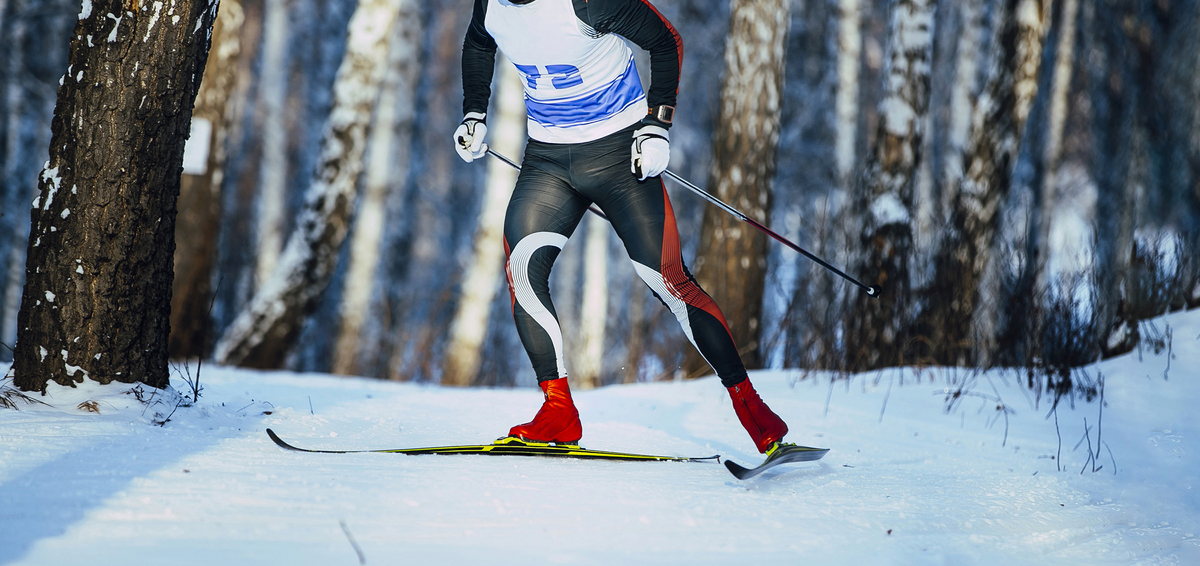
Nordic Skiing
- Endurance consistency required across events.
- Fatigue mismanagement can disrupt qualification.
- Selection often blends ranking and federation discretion.
Pressure is cumulative rather than single-event based.
Speed Skating
- National trials often decisive.
- Head-to-head formats intensify immediacy.
- Small technical errors can end Olympic bids.
Pressure is concentrated and acute.
Qualification Pressure Profile by Sport (Milano-Cortina 2026)
| Sport | Qualification Model | Pressure Type | Margin for Error | Selection Volatility |
|---|---|---|---|---|
| Women’s Hockey | Committee-based | Relational | Moderate | Medium |
| Men’s Hockey | Committee-based | Tactical + Relational | Moderate | Medium |
| Alpine Skiing | Ranking-driven | Technical | Very Low | High |
| Nordic Skiing | Ranking + discretion | Cumulative | Low | Medium |
| Speed Skating | Trial-based | Immediate | Very Low | High |
This table illustrates how structural differences shape psychological strain.
How Athletes Manage Qualification Pressure
1. Process Orientation
Elite athletes shift focus from outcome to controllable actions:
- Start mechanics
- Tactical execution
- Energy pacing
- Technical consistency
This reduces catastrophic thinking.
2. Simulation Training
Many programs simulate qualification stress by:
- Recreating high-stakes competition environments
- Timing performance under fatigue
- Practicing media exposure scenarios
Simulation reduces novelty shock.
3. Load Management Discipline
Athletes avoid overtraining during qualification windows. Fatigue increases cognitive errors, so coaches:
- Monitor neuromuscular output
- Adjust training volume
- Prioritize sleep and recovery
Fatigue control equals mental clarity.
4. Controlled Information Intake
Athletes often:
- Limit social media
- Avoid media commentary
- Delegate communication to agents
Reducing noise protects cognitive bandwidth.
Tactical vs Emotional Regulation
Qualification success often depends on:
- Emotional neutrality
- Tactical adaptability
- Acceptance of unpredictability
Athletes who interpret pressure as threat experience constriction. Those who interpret it as opportunity often expand performance capacity.
Qualification Pressure Management Framework (Milano-Cortina 2026)
| Pressure Source | Risk Factor | Management Strategy | Performance Goal |
|---|---|---|---|
| Ranking volatility | Over-aggression | Tactical pacing discipline | Stability |
| Media scrutiny | Cognitive overload | Communication control | Focus |
| Injury risk | Overtraining | Load monitoring | Durability |
| Selection uncertainty | Emotional volatility | Process orientation | Composure |
This framework demonstrates how structured management reduces destabilization.
The Hidden Reality: Qualification Is Often Harder Than the Games
At Milano-Cortina 2026, many athletes report that Olympic competition feels psychologically lighter than qualification events.
Why?
Because:
- Once selected, the uncertainty ends.
- Role clarity increases.
- Performance becomes expression rather than access.
Qualification is about entry. The Olympics are about execution.
Conclusion: Managing Access Before Competing for Glory
Olympic qualification pressure at Milano-Cortina 2026 represents a distinct psychological and structural challenge. It compresses evaluation, heightens uncertainty, and amplifies risk.
Athletes who manage qualification successfully do so not by ignoring pressure — but by structuring around it:
- Process control
- Simulation
- Recovery discipline
- Emotional regulation
Qualification determines who competes. Pressure management determines who arrives ready.
Learn More About the NIL Landscape
Name, Image, and Likeness plays an increasing role in college sports, and understanding how it works often requires more than individual articles or news updates.
RallyFuel is a platform focused on NIL-related topics across college athletics. It brings together information about athletes, NIL activity, and the broader structure behind modern college sports, helping readers explore the topic in more depth.
👉 Explore the Athletes on RallyFuel – Discover top college athletes, compare NIL valuations, and dive deeper into the world of NIL.
FAQ
1. Why is Olympic qualification more stressful than the Games?
Because qualification determines access to the Olympics, often within limited performance windows.
2. How do athletes reduce anxiety during qualification?
By focusing on controllable processes and limiting external distractions.
3. Does qualification pressure vary by sport?
Yes. Ranking systems, trial formats, and committee selection create different stress profiles.
4. What role does recovery play during qualification?
Recovery prevents fatigue-driven errors that can derail Olympic selection.
5. Is emotional regulation as important as physical preparation?
Yes. Psychological stability often determines whether peak physical capacity is fully expressed.




Leave a Comment