
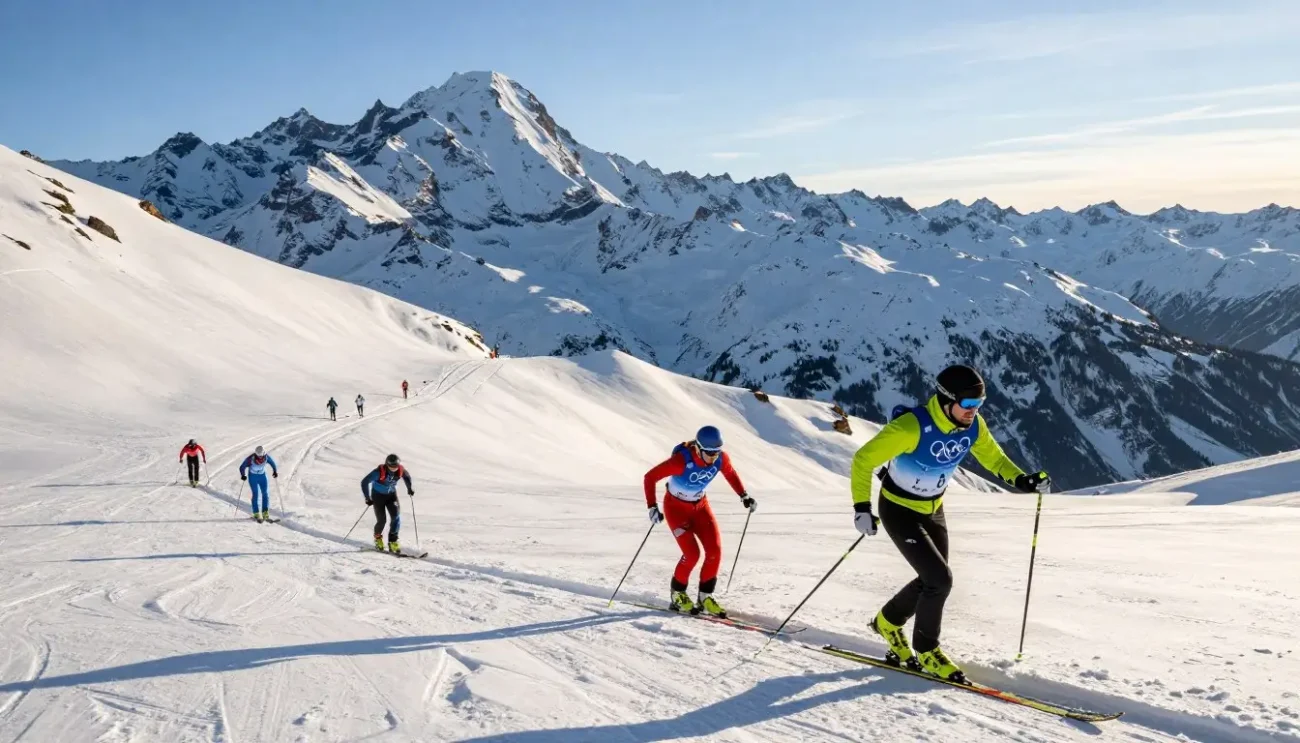
As we look forward to the Milano Cortina 2026 Olympics, Ski Mountaineering is set to make its Olympic debut, captivating audiences worldwide. This exciting sport combines endurance, strategy, and a deep connection with nature, making it a thrilling spectator experience.
You might be wondering what to expect from Ski Mountaineering at the Olympics. The competition will feature athletes navigating challenging mountainous terrains, showcasing their endurance and skill. The rules are designed to ensure a fair and safe competition, with athletes being judged on their time, technique, and overall performance.
The Emerging Sport of Ski Mountaineering
As a relatively new discipline in the world of competitive sports, ski mountaineering is capturing the attention of athletes and spectators alike. This exciting sport combines elements of skiing, mountaineering, and endurance racing, presenting a unique challenge for participants.
What Is Ski Mountaineering?
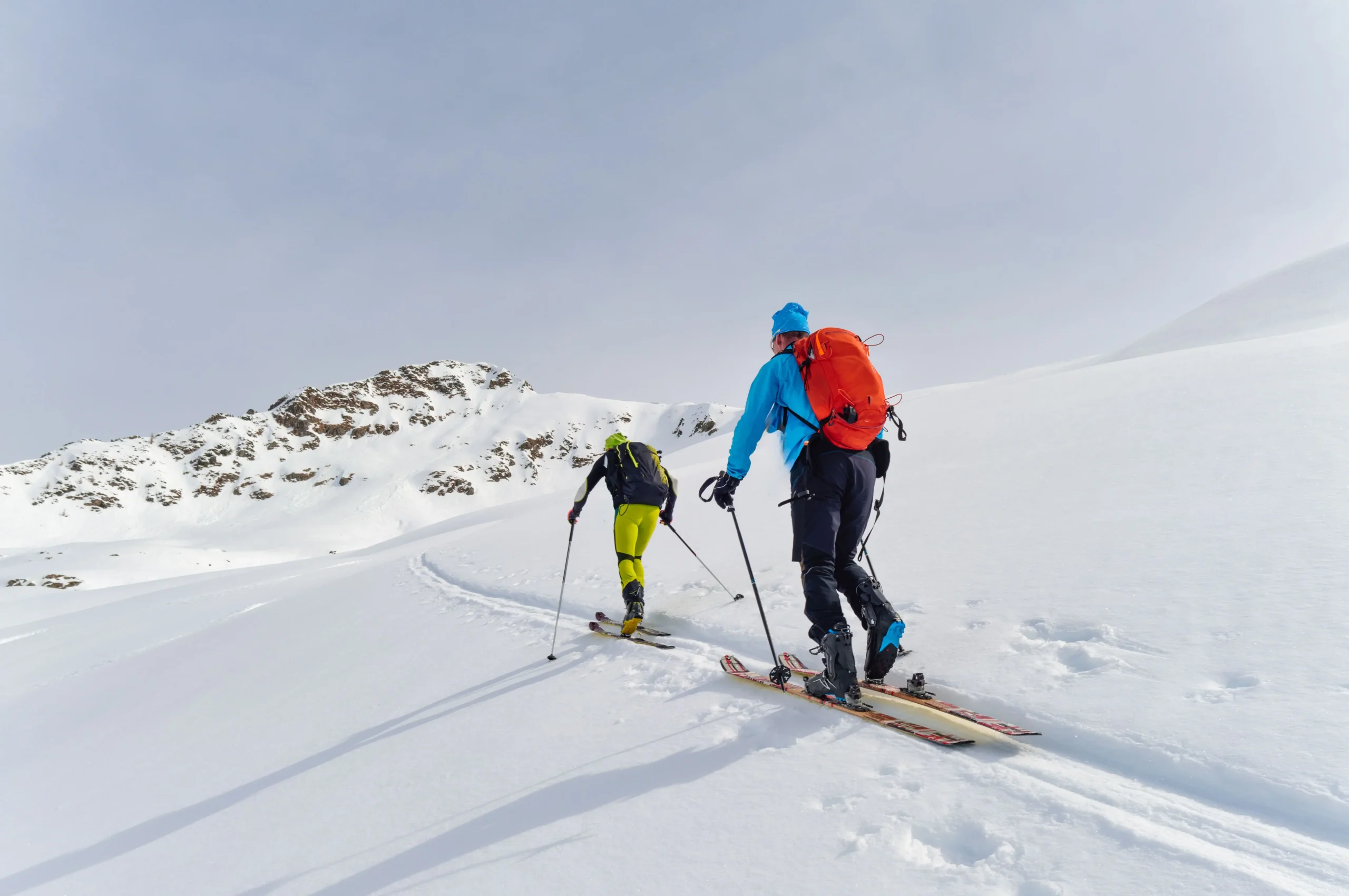
Ski mountaineering involves ascending and then descending snow-covered terrain using skis equipped with special bindings that allow for both uphill climbing and downhill skiing. Athletes must possess a broad range of skills, including skiing, climbing, and navigating varied terrain. The sport demands not only physical fitness but also technical knowledge and tactical acumen.
The Appeal and Challenges of the Sport
The appeal of ski mountaineering lies in its combination of endurance, technical skill, and connection with nature. Athletes are drawn to the sport’s challenging and varied terrain, which can include steep climbs, technical descents, and unpredictable weather conditions. The mental and physical toughness required to compete at a high level is significant, making it a compelling test for athletes.
Growing Popularity in the United States
Ski mountaineering is experiencing growing popularity in the United States, driven by increased accessibility to backcountry skiing and the rise of competitive events. The sport’s inclusion in the Olympic Games is expected to further boost its profile, attracting new athletes and fans. As the sport continues to grow, it is likely to attract more investment and attention from the skiing and mountaineering communities.
History and Olympic Journey
As we explore the evolution of ski mountaineering, we uncover a rich history that culminates in its Olympic debut. This journey is not just about the sport itself but also about the athletes who have dedicated their lives to it.
Origins of Competitive Ski Mountaineering
Competitive ski mountaineering has its roots in the early 20th century when it emerged as a form of mountaineering that combined skiing and climbing. The sport was initially practiced in the European Alps, where athletes would ski up mountains and then descend, often using skins or other traction devices to ascend. The first recorded competitions date back to the 1920s in Switzerland and France.
“Ski mountaineering is not just a sport; it’s a way of life that requires a deep connection with nature and a strong physical and mental challenge.” – Marcel Marti, former ISMF President
Path to Olympic Recognition
The journey to Olympic recognition was long and arduous. The International Ski Mountaineering Federation (ISMF) was established in 2008 to govern the sport and promote its inclusion in the Olympic Games. After years of lobbying and demonstrating the sport’s global reach and popularity, ski mountaineering was finally accepted into the Olympic program for the Milano Cortina 2026 Games.
| Year | Milestone |
|---|---|
| 2008 | ISMF established |
| 2015 | Ski mountaineering included in the International Olympic Committee (IOC) agenda |
| 2026 | Debut at Milano Cortina Olympics |
Milano Cortina 2026: The Debut Games
The Milano Cortina 2026 Olympics mark a significant milestone for ski mountaineering. The event is expected to draw top athletes from around the world, competing in various disciplines such as sprint, individual, and mixed relay events.
As the sport makes its Olympic debut, it brings with it a new era of competition and excitement. Athletes will need to be in top form, both physically and mentally, to succeed in the challenging conditions of the Italian Alps.
Ski Mountaineering at the Olympics: Format and Events
The Olympic Ski Mountaineering events promise to be thrilling, with three distinct formats that will test athletes’ endurance, skill, and strategy. As we dive into the details of these competitions, you’ll gain a deeper understanding of what makes Ski Mountaineering so captivating.
Sprint Competition Explained
The Sprint Competition is a high-intensity event where athletes race against the clock, navigating a challenging course that demands both speed and agility. This format requires athletes to be highly adaptable, as they must quickly adjust their technique to suit the terrain.
Individual Race Structure
In the Individual Race, athletes are given a longer course to tackle, testing their endurance and stamina over an extended period. The race is typically longer than the sprint, requiring athletes to pace themselves effectively while maintaining a competitive speed.
Mixed Relay Format and Team Dynamics
The Mixed Relay event brings together teams of athletes, typically consisting of two men and two women, who take turns navigating a challenging course. This format emphasizes teamwork and strategy, as athletes must work together to achieve the best possible time.
Transition Areas and Techniques
Transition areas are critical components of Ski Mountaineering competitions, where athletes must efficiently switch between different techniques and equipment. Athletes must master various transition techniques to minimize time lost during these phases, making it a crucial aspect of their overall performance.
Understanding these formats and techniques will enhance your appreciation of Ski Mountaineering at the Olympics. As the sport makes its debut at Milano Cortina 2026, fans and athletes alike will be eagerly anticipating the competitions.
Olympic Rules and Regulations
As Ski Mountaineering makes its Olympic debut, understanding the rules and regulations is crucial for athletes and fans alike. The International Ski Mountaineering Federation (ISMF) has established a comprehensive set of rules to ensure fair competition, athlete safety, and the integrity of the sport.
Course Requirements and Design Specifications
The ISMF dictates that Ski Mountaineering courses must include a variety of terrains, such as ascents, descents, and traverses, to test athletes’ versatility. Courses are designed to be challenging yet safe, with specifications including minimum and maximum altitudes, vertical ascents, and distance requirements.
Scoring System and Penalties
The scoring system in Ski Mountaineering is based on time, with the fastest time determining the winner. Penalties are imposed for infractions such as equipment violations or unsportsmanlike conduct. The scoring system is designed to be transparent and fair, with clear guidelines for athletes and officials.
Qualification Process for Athletes
Athletes qualify for the Olympic Ski Mountaineering events through a series of international competitions and rankings. The qualification process is rigorous, ensuring that only the most skilled and prepared athletes compete at the Olympic level.
Anti-Doping Regulations
Anti-doping regulations are a critical component of the Olympic rules, ensuring a level playing field for all athletes. The World Anti-Doping Agency (WADA) guidelines are strictly enforced, with regular testing and severe penalties for violations.
| Regulation | Description | Penalty for Violation |
|---|---|---|
| Course Design | Varied terrain including ascents, descents, and traverses | Course redesign |
| Scoring System | Time-based with penalties for infractions | Time penalties or disqualification |
| Anti-Doping | Strict adherence to WADA guidelines | Suspension or disqualification |
Essential Equipment and Technology
Ski mountaineering requires a unique blend of specialized equipment and cutting-edge technology to ensure both performance and safety. Athletes rely on high-quality gear to navigate the challenging terrain and conditions of the sport.
Specialized Skis and Bindings
The skis used in ski mountaineering are designed to be lightweight yet durable, with specialized bindings that allow for both climbing and descending. These skis are typically shorter and wider than those used in traditional alpine skiing, enabling athletes to maneuver through tight spaces and varied terrain.
Mandatory Safety Equipment
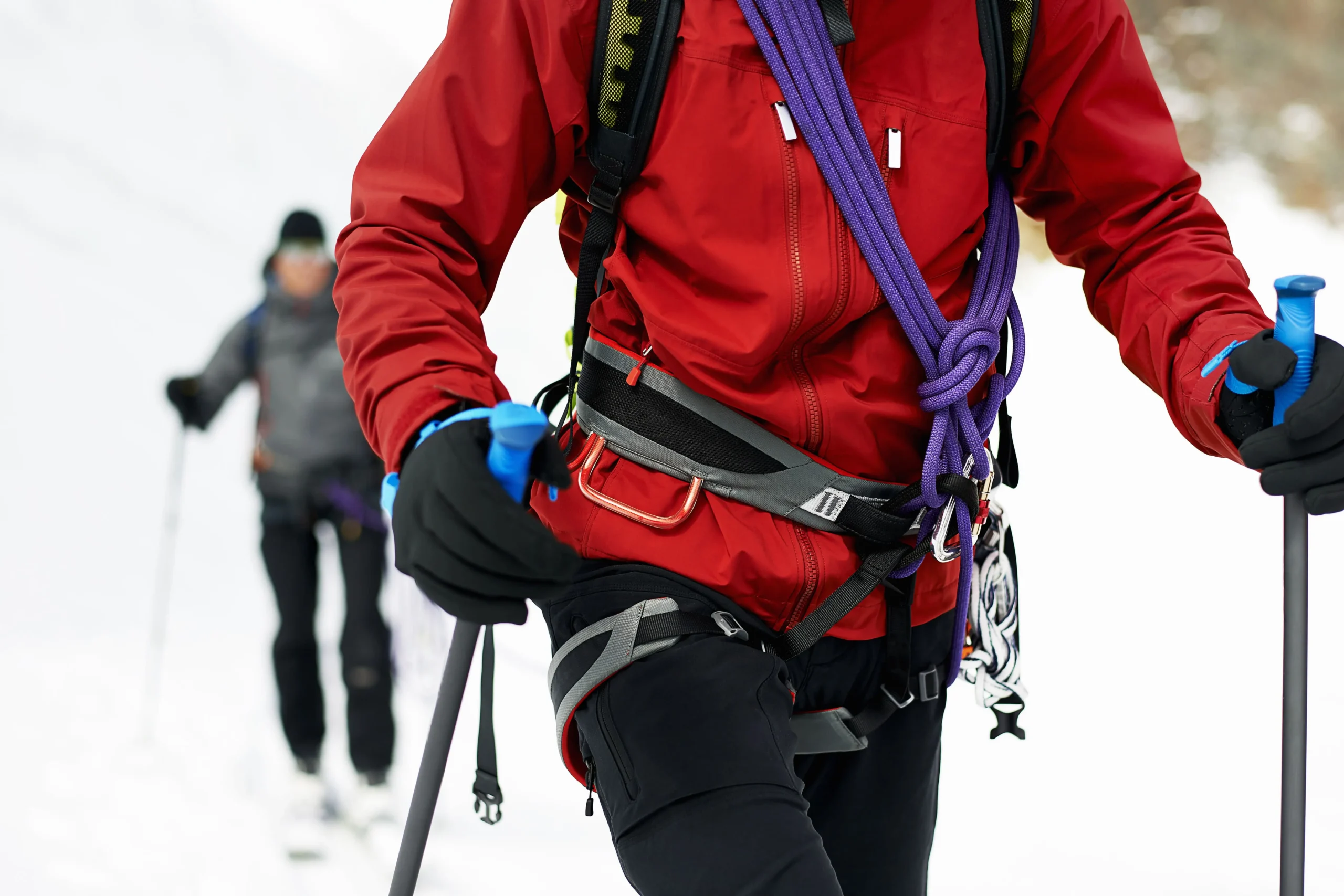
Safety is paramount in ski mountaineering, and athletes are required to carry mandatory safety equipment, including avalanche transceivers, probes, and shovels. This gear is critical in the event of an avalanche, allowing athletes to respond quickly and effectively.
Technological Innovations Shaping the Sport
Technological advancements have significantly impacted ski mountaineering, with innovations in materials and design leading to lighter, more efficient equipment. Advances in ski technology, such as improved edge hold and better glide, have enhanced athlete performance.
Equipment Regulations and Inspections
To ensure fair competition and athlete safety, ski mountaineering competitions adhere to strict equipment regulations. Equipment is subject to inspection to verify compliance with these regulations, ensuring that all athletes compete on a level playing field.
Team USA and International Athletes to Watch
With the Milano Cortina 2026 Olympics on the horizon, the ski mountaineering community is abuzz with anticipation, showcasing a diverse range of skilled competitors. As we look forward to the Olympic debut of this thrilling sport, let’s examine some of the key athletes who are likely to make a significant impact.
American Medal Hopefuls
Team USA has been making significant strides in ski mountaineering, with several athletes standing out as potential medal contenders. Notable names include:
- Lauren Deary – A seasoned competitor with a strong background in endurance sports.
- Mark Allen – Known for his versatility and experience in various mountaineering disciplines.
These athletes have been training rigorously, honing their skills in both the sprint and individual race formats.
European Powerhouses from Italy, France, and Switzerland
Europe is home to some of the world’s top ski mountaineers, with countries like Italy, France, and Switzerland producing exceptional talent. Athletes to watch from these nations include:
| Country | Athlete | Notable Achievement |
|---|---|---|
| Italy | Luca Grossi | Winner of the 2023 Ski Mountaineering World Cup |
| France | Claire Martel | Multiple-time French national champion |
| Switzerland | Janelle Jenkins | Top-10 finisher at the 2022 European Championships |
Rising Stars from Asia and South America
The sport is also gaining traction in Asia and South America, with emerging athletes showing great promise. For instance:
Athletes’ Backgrounds and Journeys
Understanding the backgrounds and journeys of these athletes can provide insight into their competitive edge. Many have overcome significant challenges to reach the top levels of ski mountaineering.
For example, Lauren Deary from Team USA began her career in cross-country skiing before transitioning to ski mountaineering, leveraging her endurance skills to excel in the new discipline. Similarly, European athletes like Luca Grossi have built their careers through a combination of local competitions and international events, gradually gaining recognition on the world stage.
As the Olympics approach, these athletes will be pushing the boundaries of performance, driven by their dedication and the collective strength of their teams.
Medal Outlook and Predictions
Ski Mountaineering’s Olympic debut at Milano Cortina 2026 has fans and athletes alike speculating about medal winners. As we analyze the medal outlook, several factors come into play, including athlete performance, team dynamics, and historical data.
Gold Medal Favorites by Event
In the Sprint Competition, athletes like Axel Maye from Switzerland and Laetitia Pagnier from France are expected to shine due to their exceptional speed and agility. For the Individual Race, Thibaut Anselmet and Juliette Soulard are top contenders, having demonstrated remarkable endurance and technical skill.
Potential Breakthrough Performers
Young athletes from emerging Ski Mountaineering nations are poised to make a significant impact. For instance, Renato Sarmiento from Chile has shown impressive climbing abilities, while Alice Perri from Italy is gaining recognition for her versatile skiing skills.
Team Competition Analysis and Predictions
The Mixed Relay event promises to be highly competitive, with teams from Italy, France, and Switzerland likely to dominate. Historical performance indicators suggest that teams with a balanced mix of experienced and young athletes will have an edge.
Historical Performance Indicators
| Country | Average Medal Count | Top Athlete |
|---|---|---|
| Switzerland | 4.2 | Axel Maye |
| France | 3.8 | Laetitia Pagnier |
| Italy | 3.5 | Alice Perri |
As the Olympics approach, these predictions will continue to evolve based on athlete performance and other factors. Stay tuned for more updates as we count down to Milano Cortina 2026.
How to Watch and Follow Olympic Ski Mountaineering
As ski mountaineering takes center stage at the Olympics, understanding the viewing options is crucial for fans. The Milano Cortina 2026 Olympics will bring this exciting sport to a global audience, and we’re here to guide you through the process of watching and following the events.
Broadcast Schedule for American Viewers
For American viewers, the broadcast schedule will be available on major sports networks. NBC Olympics will be the primary broadcaster, providing comprehensive coverage of the ski mountaineering events. You can check your local listings for the exact broadcast times.
Streaming Options and Platforms
In addition to traditional broadcasting, there are several streaming options available. Fans can watch the events live on:
- NBC Olympics Streaming Platform
- Peacock
- Other sports streaming services that will carry the Olympic coverage
These platforms will offer live coverage, replays, and highlights, ensuring you don’t miss a moment of the action.
Social Media Accounts and Resources to Follow
To stay updated on the latest news, results, and behind-the-scenes insights, follow these social media accounts:
- International Ski Mountaineering Federation (ISMF) on Twitter and Instagram
- NBC Olympics on Facebook and Twitter
- Team USA on Instagram and Facebook
Understanding Competition Terminology
Familiarizing yourself with key terms will enhance your viewing experience. Terms like sprint, individual race, and mixed relay will be used frequently. Understanding these will help you follow the competitions more effectively.
Conclusion: The Future of Olympic Ski Mountaineering
As we look to the future of Ski Mountaineering, its inclusion in the Olympics marks a significant milestone in the sport’s development. The Olympic debut at Milano Cortina 2026 will undoubtedly bring new excitement and exposure to the sport, inspiring a new generation of athletes and fans.
The Future of Ski Mountaineering is bright, with its Olympic legacy paving the way for growth and innovation. We anticipate that the sport will continue to evolve, with advancements in technology and equipment contributing to its progression.
As the sport gains more recognition, we expect to see increased participation and competition at the international level. The Olympic Ski Mountaineering legacy will be shaped by the athletes, teams, and fans who champion the sport, and we are eager to see its lasting influence on the athletic world.
You can be part of this journey, following the sport’s development and cheering on the athletes as they push the boundaries of human endurance. The inclusion of Ski Mountaineering in the Olympics is just the beginning of an exciting new chapter in the world of sports.
Learn More About the NIL Landscape
Name, Image, and Likeness plays an increasing role in college sports, and understanding how it works often requires more than individual articles or news updates.
RallyFuel is a platform focused on NIL-related topics across college athletics. It brings together information about athletes, NIL activity, and the broader structure behind modern college sports, helping readers explore the topic in more depth.
FAQ
What is Ski Mountaineering?
Ski Mountaineering is a winter sport that combines elements of skiing, climbing, and mountaineering, where athletes ski up and down mountains, often carrying equipment and navigating challenging terrain.
How did Ski Mountaineering become an Olympic sport?
Ski Mountaineering has evolved from a niche activity to a competitive sport over the years, gaining recognition from the International Olympic Committee (IOC) and making its Olympic debut at Milano Cortina 2026.
What are the different events in Olympic Ski Mountaineering?
The Olympic Ski Mountaineering program includes the Sprint Competition, Individual Race, and Mixed Relay formats, each with its unique challenges and requirements.
How are Ski Mountaineering courses designed?
Courses are designed with specific requirements and design specifications, including varying terrain, elevation gain, and technical sections, to test athletes’ endurance, skill, and strategy.
What equipment is required for Ski Mountaineering?
Athletes require specialized skis, bindings, and safety gear, such as helmets and avalanche transceivers, to compete in Ski Mountaineering events.
How can I watch Olympic Ski Mountaineering?
Olympic Ski Mountaineering events will be broadcast on various networks and streaming platforms, with schedules and availability varying by region and country.
What are the qualification criteria for Ski Mountaineering athletes?
Athletes must meet specific qualification criteria, including performance standards and ranking requirements, to compete in Olympic Ski Mountaineering events.
How are Ski Mountaineering events scored?
Events are scored based on athletes’ times, with penalties incurred for infractions or equipment issues, and the athlete with the fastest overall time wins.
What is the Mixed Relay format in Ski Mountaineering?
The Mixed Relay format involves teams of athletes, typically consisting of two men and two women, who take turns completing a course, requiring strategy, teamwork, and individual skill.
Are there any specific rules or regulations for equipment in Ski Mountaineering?
Yes, there are regulations governing equipment use, including requirements for safety gear, ski specifications, and binding standards, to ensure fair competition and athlete safety.



Leave a Comment