
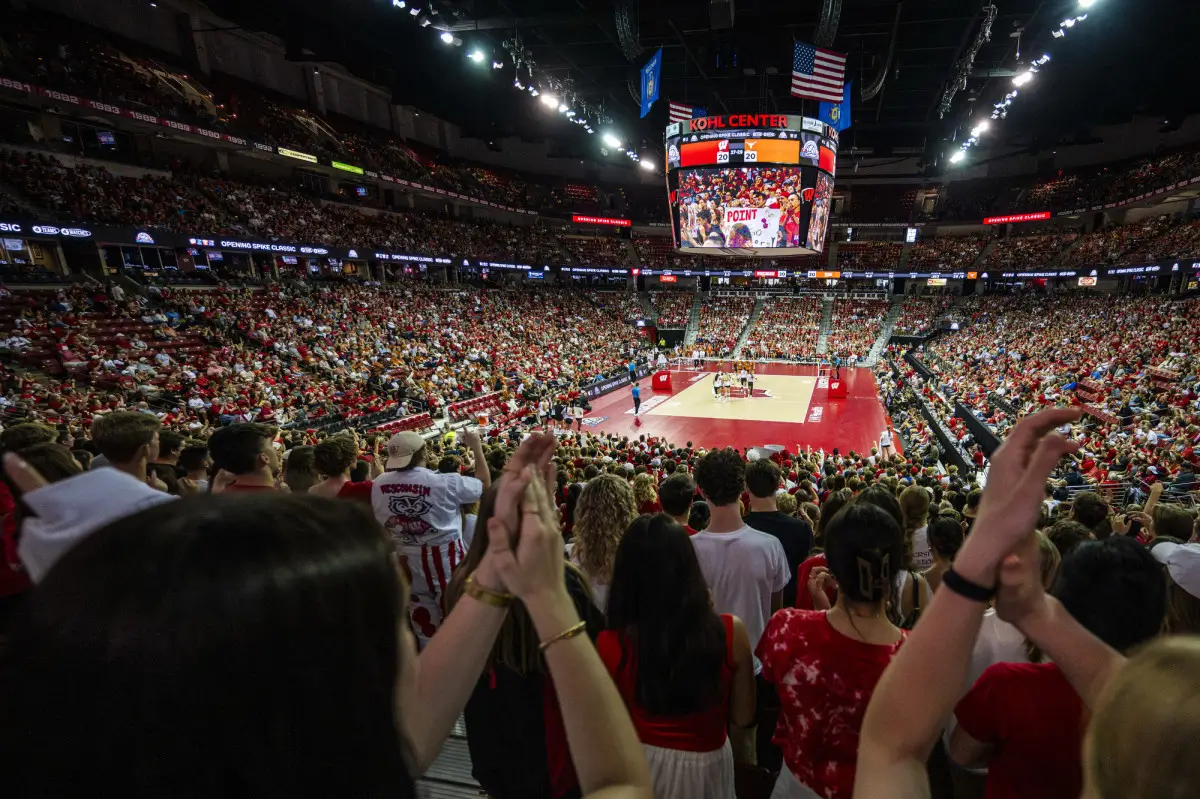
While national headlines often fixate on seven-figure contracts at major state universities, a quieter but equally impactful shift is happening closer to home. At Palm Beach Atlantic University, the new era of Name, Image, and Likeness (NIL) functions differently; it creates Palm Beach Atlantic NIL deals that prioritize community connection over corporate mergers. Instead of national commercials, a Sailfish athlete acts as a trusted “micro-influencer,” perhaps promoting a favorite Clematis Street café to their engaged peers.
Industry observations indicate that West Palm Beach local business athlete partnerships offer high engagement because these students command genuine trust within their specific neighborhoods. This evolution transforms the traditional college athlete sponsorship model into accessible opportunities, allowing DII students to earn from their reputation while deepening ties with the city they call home.
Summary
Palm Beach Atlantic’s NIL landscape centers on authentic, hyperlocal partnerships where student-athletes act as trusted micro-influencers for West Palm Beach businesses. Typical deals are modest and practical—social promotions, instructional clinics, and trade-for-service arrangements—structured to comply with NCAA/SSC rules and Florida law that prohibit pay-for-play and conflicts with university values. Students must manage taxes, potential impacts on financial aid, and time commitments like small-business operators. When businesses, boosters, and fans engage within these guardrails, they help build the Sailfish brand and students’ professional development.
Why Small Schools Win Big: The Micro-Influencer Advantage for Sailfish Athletes
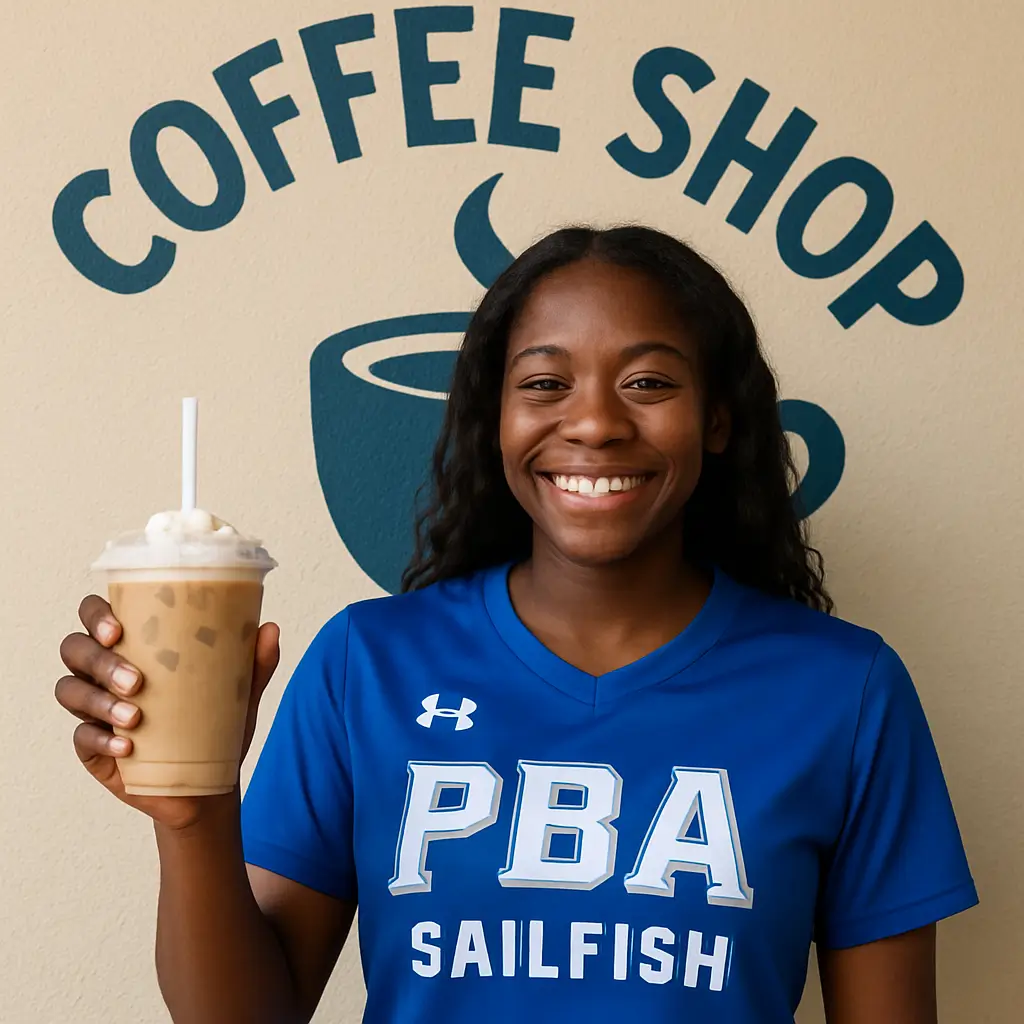
Successful local marketing often operates differently than the strategies used for athletes with millions of followers. West Palm Beach businesses frequently prefer “micro-influencers”—individuals with smaller, deeply dedicated audiences—over distant celebrities. For a student building a personal brand as a sailfish athlete, value comes from trust rather than volume. A genuine recommendation from a recognizable campus leader often drives more actual customers to a Clematis Street café than a viral post seen by thousands of strangers who will never visit Florida.
This dynamic shifts the priority from “reach”—the total number of views—to “engagement,” which measures how much an audience actually cares. Monetizing social media for small school athletes works effectively because their followers are fellow students, alumni, and neighbors who live within driving distance of the sponsor. When a PBA volleyball player posts about a local gym, the audience isn’t just scrolling past; they are likely to visit the business because they feel a personal connection to the team and the university community.
Advertisers recognize that this authentic influence is marketable, creating a unique niche for Palm Beach deals that prioritize local impact over national fame. Instead of massive contracts, these agreements usually involve fair trade-offs where credibility meets community support. This grounded approach leads to realistic expectations for everyone involved, setting the stage for the practical, service-based partnerships that define the Division II experience.
Practical Partnerships: What a Typical PBA NIL Deal Looks Like
For most Sailfish student-athletes, the reality of the new economy isn’t a six-figure check, but rather a mutually beneficial exchange with the West Palm Beach community. Local businesses often utilize a “trade-for-service” model where compensation comes in the form of goods rather than direct deposits. Imagine a midfielder promoting a Clematis Street smoothie shop on Instagram in exchange for a monthly meal credit, or a tennis player receiving equipment for wearing a local brand’s logo during practice. These practical arrangements simplify finding endorsement opportunities in Palm Beach County, allowing students to lower their living expenses while businesses gain authentic visibility among the student body.
Beyond promotional posts, athletes are increasingly monetizing their actual sports expertise through direct action. Parents often ask how do Division 2 athletes get NIL deals without massive televised exposure, and the answer frequently lies in specialized instruction. A PBA baseball player can now host a Saturday morning clinic for Little Leaguers, charging a fee for private coaching that leverages their status as a collegiate athlete. This approach creates tangible value: the local youth get high-level mentorship, and the student earns income based on their hard-earned skill set rather than just internet fame.
Dedicated supporters also play a pivotal role, provided they treat the athlete as a professional service provider. When considering what can PBA boosters provide for NIL, the focus must remain on legitimate business transactions, such as hiring a golfer to attend a corporate mixer or signing a volleyball player for an autograph session. Ultimately, most agreements at this level fall into three manageable categories:
- Social Media Promotions: Posting content for local brands like coffee shops or boutiques.
- Instructional Clinics: Hosting youth training sessions in their specific sport.
- Trade-for-Service: Exchanging publicity for free meals, gym memberships, or gear.
These opportunities are exciting, but they require careful oversight to ensure eligibility remains intact as students navigate the rules.
Guardrails and Ground Rules: Navigating PBA Compliance and Florida Law
While the freedom to sign deals is new, transparency is mandatory. To keep Sailfish athletes eligible, every agreement must go through university oversight. The steps to disclose NIL contracts to PBA compliance involve submitting deal details to the athletic department before money changes hands. This review process isn’t about the administration taking a cut, but rather verifying that a legitimate service—like signing autographs or coaching a clinic—is actually performed to satisfy NCAA rules.
“Pay-for-play” remains strictly forbidden in Division II athletics. Boosters cannot simply write a check to a player for being on the roster; there must be a clear “quid pro quo,” or work exchanged for compensation. Under the Sunshine State Conference NIL policy, offering money to recruit a student or prevent a transfer is banned, ensuring PBA sports stay rooted in fair competition rather than financial bidding wars.
State legislation adds specific boundaries to these agreements. Current Florida collegiate NIL laws and regulations prohibit deals conflicting with a school’s mission or involving restricted industries like gambling and alcohol. This framework protects the university’s values, yet it introduces complex responsibilities. Once an agreement satisfies compliance, the student-athlete must face the next challenge: managing the taxes and time demands of running their own business.
The Business of Being a Student-Athlete: Taxes, Scholarships, and Time
Earning cash for endorsements sounds exciting until April rolls around. Unlike scholarships, which are often tax-exempt, money earned creates tax responsibilities for student athlete endorsements because it counts as taxable income. For a PBA volleyball player earning $2,000 hosting clinics, the IRS views them as a self-employed independent contractor. This means they likely need to file a 1099 form, a complex new reality for young adults previously used to simple W-2 summer jobs.
Financial aid packages add another layer of complexity. While athletic scholarships usually remain safe, need-based federal aid can be reduced if a student earns significant income. Families must carefully weigh PBA athletic scholarship vs NIL income scenarios to ensure a small brand deal doesn’t accidentally reduce their eligibility for essential grants.
Success requires managing time between athletics, academics, and NIL with precision. To navigate this new landscape without burning out, students should follow four essential rules:
- Track every dollar received for the IRS.
- Check scholarship impact with financial aid before signing.
- Schedule specific “content days” to protect study time.
- Set aside 25% of earnings immediately for taxes.
With these business basics secured, the focus shifts to building a lasting legacy.
Your Playbook for the Future: Building the Sailfish Legacy
Embracing Palm Beach Atlantic NIL deals offers a fresh perspective on the student-athlete experience. Instead of viewing endorsements merely as financial transactions, view them as vital business training that bridges the gap between the classroom and the local economy. This shift transforms you from a passive spectator into an active participant in a student’s professional development, ensuring that sports remain a tool for character building rather than just commercialization.
As the Sunshine State Conference evolves, taking action is simple. Local business owners should reach out to the athletic department to explore partnerships that fit within the NCAA interim NIL policy for private universities, while fans can drive value simply by engaging with athletes on social media. By supporting these initiatives, you help build a stronger Sailfish brand and invest directly in the future leaders of West Palm Beach.
Learn More About the NIL Landscape
Name, Image, and Likeness plays an increasing role in college sports, and understanding how it works often requires more than individual articles or news updates.
RallyFuel is a platform focused on NIL-related topics across college athletics. It brings together information about athletes, NIL activity, and the broader structure behind modern college sports, helping readers explore the topic in more depth.
Q&A
Question: Why are Palm Beach Atlantic athletes attractive to local businesses for NIL partnerships? Short answer: Their influence is hyperlocal and trusted. Rather than chasing national reach, West Palm Beach brands value PBA “micro-influencers” whose followers are classmates, alumni, and neighbors likely to become customers. Engagement—not raw views—drives results, so a Sailfish athlete’s authentic recommendation can move more real traffic to a Clematis Street café than a distant celebrity’s viral post.
Question: What does a typical NIL deal look like at PBA? Short answer: Most agreements are modest, practical, and community-focused. Common formats include social media promotions for neighborhood shops, instructional clinics where athletes monetize their sport expertise, and trade-for-service arrangements (e.g., meal credits, gym memberships, or equipment in exchange for publicity). These deals help students lower living costs while giving local businesses authentic visibility.
Question: How do compliance rules and Florida law shape these deals? Short answer: Every agreement must be disclosed to PBA compliance before money or benefits change hands, and there must be a real service provided (quid pro quo) such as an appearance, autograph signing, or coaching session. Pay-for-play and recruiting inducements are prohibited under NCAA/SSC policy. Florida law also bars deals that conflict with the university’s mission or involve restricted industries like gambling and alcohol. Oversight exists to protect eligibility, not to take a cut.
Question: What can boosters and businesses do—and not do—under NIL at PBA? Short answer: They can hire athletes for legitimate services—appearances at corporate events, autograph sessions, or promotions tied to actual work performed. They cannot pay athletes simply for being on the team, use NIL to entice enrollment or prevent transfers, or propose partnerships that clash with university values or restricted industries.
Question: How should student-athletes handle taxes, financial aid, and time demands? Short answer: NIL income is taxable, and many athletes will be treated as self-employed (e.g., receiving 1099s), so they should track all earnings and set aside about 25% for taxes. While athletic scholarships typically remain unaffected, significant NIL income can reduce need-based aid, so students should check with financial aid before signing. To avoid burnout, they should plan content/clinic times in advance and protect academic and training schedules.




Leave a Comment