
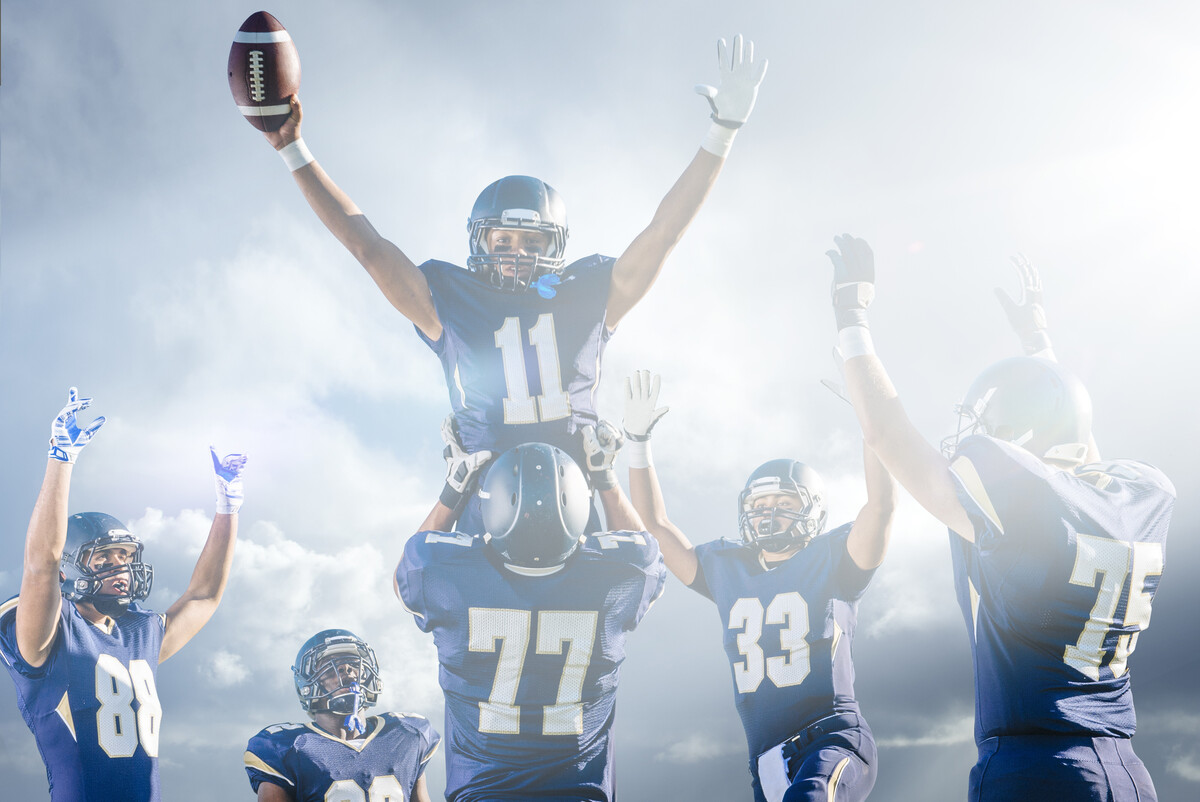
Pennsylvania stands at a unique crossroads in the NIL revolution. Act 26 of 2021 provides the statutory foundation, while the House v. NCAA settlement drives revenue sharing at Penn State and Pitt, making the collegiate market increasingly professionalized.
High school athletes, however, face strict PIAA restrictions—including an explicit ban on collectives—that create a sharp firewall between secondary and collegiate athletics. Here’s the complete guide to Pennsylvania NIL laws.
Table of Contents
- Pennsylvania’s NIL Leadership
- Pennsylvania College NIL Rules
- Pennsylvania High School NIL Rules
- College vs. High School: Key Differences
- What Pennsylvania Athletes Can Do
- What Pennsylvania Athletes Cannot Do
- Compliance Requirements
- How Fans Support Pennsylvania Athletes
- Frequently Asked Questions
Pennsylvania’s NIL Leadership
Pennsylvania’s NIL landscape is defined by a foundational state statute, evolving national mandates, and a strict PIAA firewall at the high school level.
Act 26 of 2021 (SB 381) — Foundation Statute
- Signed June 30, 2021, enacted as Article XX-K of the Public School Code
- Grants intercollegiate student-athletes the right to earn compensation for NIL
- Applies to all students enrolled in Pennsylvania institutions (regardless of residency)
- Prohibits pay-for-play (compensation for attendance, participation, or performance)
House v. NCAA Settlement (2025)
- Direct revenue sharing authorized (~$20.5M annual cap)
- Roster limits replace scholarship limits (football 105, all can be scholarshipped)
- $2.8B in back damages for athletes who played 2016–2024
- Effective July 1, 2025
High School Status — Restricted + Collective Ban
- PIAA permitted high school NIL on December 7, 2022 (25–4 vote)
- Strict “No Affiliation” restrictions:
No school logos, uniforms, or facilities - COLLECTIVES EXPLICITLY BANNED at the high school level
- 72-hour notification requirement to school principal/AD after signing an NIL agreement
Why Pennsylvania Matters
Pennsylvania is increasingly operating as “Two Pennsylvanias”:
- Revenue sharers (Power 4): Penn State (Big Ten), Pitt (ACC)
- Opt-outs: Patriot League programs (e.g., Lafayette, Lehigh) declining revenue sharing
That split creates a structural incentive for standouts at smaller programs to transfer into revenue-sharing environments. Meanwhile, the PIAA collective ban is one of the strongest in the country—designed to prevent high school “roster buying.”
Pennsylvania College NIL Rules
Pennsylvania college athletes benefit from Act 26’s statutory protections, plus the revenue-sharing reality created by the House settlement.
What Act 26 Guarantees
- Right to earn compensation for NIL without losing eligibility
- Applies to all students enrolled in Pennsylvania institutions
- Athletes can hire agents and legal representation
- Schools may facilitate deals and act as conduits for opportunities
- Pay-for-play remains prohibited
Prohibited Categories (Vice Clause)
Act 26 permits institutions to prohibit NIL agreements involving:
- Adult entertainment
- Alcohol
- Casinos and gambling (including sports betting)
- Tobacco and vaping products
- Prescription pharmaceuticals
- Controlled substances
The “Two Pennsylvanias” Problem
Revenue Sharers (Power 4)
- Penn State and Pitt fully opted into the $20.5M revenue-sharing model
Opt-Outs
- Patriot League programs (e.g., Lafayette, Lehigh) have declined revenue sharing
Result: the gap between “haves” and “have-nots” in Pennsylvania is widening—creating a clear transfer incentive into Power 4 revenue-sharing programs.
School Infrastructure (Penn State vs. Pitt)
Penn State NIL Infrastructure
- Legacy Fund: ticket surcharge (~$20/seat) + parking (~$45/pass) to fund scholarships
- Happy Valley United: consolidated collective (Success With Honor + Lions Legacy Club)
- ROAR Solutions: in-house agency creating “valid business purpose” deals for clearinghouse compliance
- Strategy: fans fund scholarships so TV money can support the $20.5M cap
Pitt NIL Infrastructure
- Alliance 412: primary collective (corporate partnership focus)
- Oakland Originals: athlete monetization via media/content (vlogs, interviews, lifestyle)
- Commerce partnerships (e.g., recurring revenue models)
- NIL business development leadership embedded inside athletics
International Student Restrictions (F-1 Visa)
- F-1 visas prohibit off-campus employment, including most active NIL work
- DHS has not exempted NIL from the “employment” definition
- Unauthorized employment is a deportable offense
- Safer avenues:
Passive income only (licensing/royalties with no promotion)
Home-country deals (work performed abroad, paid abroad) - Revenue share payments may be treated as employment income (W-2/1099), so international athletes may be excluded pending fixes
Pennsylvania High School NIL Rules
Pennsylvania high school athletes may monetize NIL, but the PIAA maintains strict restrictions—most notably an explicit ban on collectives and booster involvement.
Key Facts
- Governing Body: Pennsylvania Interscholastic Athletic Association (PIAA)
- Status: Permitted with strict restrictions (since Dec. 7, 2022)
- Philosophy: “Allow monetization of the person, protect the brand of the school”
What PIAA Allows
- Commercial endorsements and promotional activity
- Social media monetization
- Product advertisements
- Autograph signings
- Instructional clinics and camps
PIAA “No Affiliation” Restrictions
High school athletes must not:
- Reference PIAA or a PIAA member school in NIL content
- Use school name, nickname, logo, or team identifiers
- Wear school uniform or school-identifying apparel
- Promote NIL during team activities, school hours, or competitions
The Collective Ban (Most Important Difference)
PIAA explicitly prohibits boosters, alumni, and collectives from soliciting, arranging, or negotiating NIL deals for high school athletes.
A prohibited collective is any entity whose goal is to provide NIL opportunities to athletes of a specific school. If an athlete accepts money from a collective/booster tied to school choice, the athlete is deemed ineligible. Coaches facilitating donor-athlete connections can also face sanctions.
This rule exists to prevent high school NIL from becoming a recruiting arms race.
72-Hour Notification Requirement
Athletes must notify their principal or athletic director within 72 hours of entering an NIL agreement. Failure to notify can trigger eligibility consequences.
College vs. High School: Key Differences
| Feature | College (Act 26) | High School (PIAA) |
|---|---|---|
| NIL status | Fully legal | Permitted (restricted) |
| Institutional pay | Allowed (~$20.5M cap) | Prohibited |
| Third-party NIL | Unlimited | Allowed (no school affiliation) |
| Collectives | Integrated | BANNED |
| Booster involvement | Allowed | BANNED |
| School logos/uniforms | Allowed | Prohibited |
| Disclosure | Required | 72 hours required |
| Pay-for-play | Prohibited | Prohibited |
Key distinction: PIAA built one of the strongest high school firewalls in the nation. At the high school level, a collective or booster connection can trigger immediate ineligibility.
What Pennsylvania Athletes Can Do
College Athletes
- Receive institutional revenue sharing (Power 4)
- Sign endorsement deals
- Monetize social media
- Earn from camps/clinics/training
- Sell autographs and merchandise
- Make paid appearances
- Hire agents and attorneys
- Participate in collective-organized NIL
- Use school logos/uniforms (per policy)
- Use school facilities for NIL activities
- Receive fan support through platforms like RallyFuel
High School Athletes
- Monetize personal brand in individual capacity
- Sign endorsement deals (no school affiliation)
- Monetize social media (no school references)
- Earn from camps/clinics/autographs
- Build brand separate from school identity
What Pennsylvania Athletes Cannot Do
College Athletes
- Accept pay-for-play under Act 26 (attendance/participation/performance)
- Hide NIL contracts from compliance
- Sign deals conflicting with school sponsors
- Sign deals with prohibited vice categories
- International athletes: engage in most NIL on U.S. soil (F-1 risk); may be excluded from revenue share
High School Athletes
- Use school uniforms, logos, nicknames, or team identifiers in NIL content
- Reference PIAA or a PIAA member school
- Conduct NIL during school/team activities or competitions
- Accept NIL from collectives or boosters (banned)
- Accept deals linked to enrollment (recruiting inducement)
- Endorse prohibited categories (alcohol, tobacco, gambling, weapons, adult, pharmaceuticals)
Both
- Must pay taxes on NIL income (PA state + federal + self-employment)
- Must maintain academic eligibility
- Cannot accept recruiting inducements
Compliance Requirements
For College Athletes
- Disclose NIL contracts to compliance
- Submit deals over $600 to the clearinghouse for FMV verification
- Check sponsorship conflicts
- Verify deal categories are permitted
- File taxes on NIL income (expect 1099s for $600+)
- International athletes: consult Penn State Global / Pitt OIS before any NIL activity
For High School Athletes
- Notify principal/AD within 72 hours of signing any NIL agreement
- Never accept deals from collectives or boosters
- Never use school identifiers or school apparel in paid content
- Never promote NIL during school hours, practices, games, or events
- Audit social media to ensure no school logos/backgrounds appear in paid posts
For Parents
- Review contracts
- Set aside 30–40% for taxes (depending on earnings)
- Understand the collective/booster ban: one violation can trigger immediate ineligibility
- Ensure 72-hour reporting is completed
- Consider an attorney for significant deals
How Fans Support Pennsylvania Athletes
From Happy Valley to Oakland, Pennsylvania fans can support athletes through NIL.
College Athletes
Fans can support athletes at:
- Penn State (Big Ten)
- Pitt (ACC)
- Temple (AAC)
- Villanova, Saint Joseph’s, La Salle, Drexel (Big East / A10)
- Lafayette, Lehigh, Bucknell (Patriot League)
- All sports, not just football and basketball
How It Works
- Create an account on RallyFuel.com or the mobile app
- Select your Pennsylvania school affiliation
- Browse verified athletes on your program’s roster
- Purchase Fan Fuel
- Track support through your fan dashboard
Conditional Protection: Fan Fuel creates Conditional NIL Engagement Rights (CNERs). If conditions aren’t met (including transfers), fans receive automatic refunds.
Important: Fan support is voluntary and conditional. Fuel purchases are not charitable donations. RallyFuel is not a guarantor that any athlete will accept an NIL Agreement. Purchasing Fan Fuel does not guarantee athletic performance, playing time, or any specific outcome.
High School Athletes
Due to PIAA rules, Pennsylvania high school athletes cannot receive NIL from collectives or boosters. Athletes may pursue individual NIL deals, but must maintain strict separation from school identity and follow the 72-hour notification requirement.
Learn More About the NIL Landscape for Schools
Name, Image, and Likeness plays an increasing role in college sports, and understanding how it works often requires more than individual articles or news updates.
RallyFuel is a platform focused on NIL-related topics across college athletics. It brings together information about athletes, NIL activity, school responsibilities, and the broader structure behind modern college sports — helping readers explore the topic in more depth.
👉 Discover NIL Tools for Schools – Learn how your program can stay ahead of the NIL curve.
Frequently Asked Questions
When did Pennsylvania legalize NIL?
Pennsylvania passed Act 26 (SB 381) for college athletes on June 30, 2021. PIAA permitted high school NIL on December 7, 2022. Revenue sharing under the House settlement became effective July 1, 2025.
Can Pennsylvania high school athletes do NIL?
Yes, but with strict restrictions. School affiliation is prohibited, and collectives/boosters are banned. Athletes must notify the school within 72 hours of signing.
Do Pennsylvania athletes pay taxes on NIL income?
Yes. NIL income is taxable. Pennsylvania has a 3.07% flat state income tax, plus federal and self-employment taxes.
What are Pennsylvania’s major collectives?
- Penn State: Happy Valley United, plus in-house deal infrastructure like ROAR Solutions
- Pitt: Alliance 412, plus content monetization via Oakland Originals
What happens if an athlete I supported transfers?
If conditions aren’t met during the conditional period (including transfers), an automatic refund is issued to the original payment method.
Pennsylvania: The Commonwealth of Managed Professionalism
Pennsylvania has transitioned from early NIL chaos into a model of managed professionalism: Act 26 provides the foundation, revenue sharing accelerates professionalization at Penn State and Pitt, and the PIAA enforces a strict high school firewall—especially through its explicit collective ban.
For college athletes ready to maximize NIL—and fans who want conditional protection—Pennsylvania is built for the next era.

Leave a Comment