
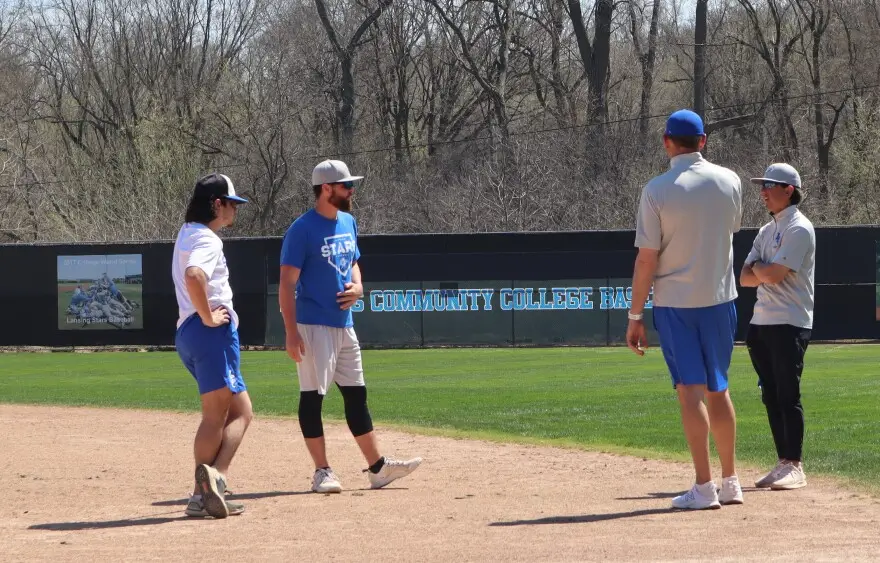
For decades, accepting a free sandwich for a social media post could cost a Polk State athlete their eligibility. That era is finally over. The latest Polk State College NIL deal transforms local players from restricted amateurs into authorized business partners.
Name, Image, and Likeness rules simply allow students to profit from their reputation, much like a local influencer. Instead of a school salary, think of it as a freelance opportunity—like a volleyball player getting paid to endorse a Winter Haven coffee shop.
While national news highlights million-dollar contracts, college NIL deals at the junior college level often serve a humbler purpose: covering tuition or rent. This shift supports our community’s talent, helping them stay in school while learning valuable business skills.
Summary
NIL rules now let Polk State athletes earn from their name, image, and likeness as independent contractors, turning local reputation into modest, often community-based income. Florida law and aligned NJCAA policies protect JUCO athletes’ rights while requiring disclosure and compliance to safeguard scholarships and eligibility. Most deals are hyper-local—social posts, signings, clinics, and ads—often facilitated by NIL marketplaces, and demand financial literacy and careful contract review. The result strengthens retention and community ties by helping students cover expenses and build real-world business skills.
What Exactly is an NIL Deal? Breaking Down the New ‘Freelance’ Era for the Polk State Eagles
Think of these athletes less as employees of the college and more like independent contractors or local influencers. When we talk about college nil deals, we aren’t discussing a salary paid by Polk State or the NJCAA. Instead, the school simply steps back, allowing players to operate like entrepreneurs who can legally sign contracts with outside businesses while keeping their roster spot.
At the heart of every agreement is a concept called “third-party endorsement.” This is a straightforward value exchange: a Winter Haven car dealership or a Lakeland coffee shop provides compensation—whether that is cash, free gear, or meals—and the athlete provides exposure to their fan base. These nil opportunities turn a player’s community reputation into a marketable asset, entirely separate from their scholarship or financial aid.
Specific name image and likeness differences clarify exactly what a business is paying for. The rights are generally split into three distinct categories:
- Name: Using the athlete’s actual signature on merchandise or name on a camp flyer.
- Image: Putting a photograph of the player on a billboard or social media post.
- Likeness: Using a digital avatar, caricature, or illustration that resembles the player.
By treating their athletic career as a small business, students gain financial freedom without breaking eligibility rules. However, operating this way requires navigating specific regulations, which brings us to how state legislation affects the Junior College level specifically.
How the Florida NIL Law Levels the Playing Field for Junior College Stars
Florida led the charge in 2021 by passing legislation that fundamentally changed amateur sports, ensuring that students own their identity regardless of where they attend school. This legal framework was designed to stop colleges from restricting financial opportunities, essentially granting student-athletes the same economic rights as any other student on campus who might start a side business or sell artwork.
Crucially, how florida nil law affects junior college athletes mirrors the protections found at major four-year universities. While the NCAA often grabs the national headlines, the National Junior College Athletic Association (NJCAA) updated its bylaws to align with state laws, ensuring players starting their careers at two-year schools aren’t left behind. This parity allows a baseball player at Polk State to build a professional foundation before they ever transfer to a larger Division I program.
Navigating these new rights does require strict adherence to Polk State Eagles athletics compliance guidelines. The legislation creates a vital safety net: a college cannot revoke a scholarship or punish a student simply because they sign a commercial deal, provided the athlete reports the activity correctly. This structure protects the student’s education first while simultaneously opening the door to local commerce.
By standardizing these NJCAA name image and likeness rules, the state has effectively leveled the playing field for local talent. Whether a student is playing in front of 80,000 fans or 800, their right to profit from their own hard work remains exactly the same. With the legal framework clear, these partnerships take specific forms within our community.
From Local Coffee Shops to Social Media Stardom: Real-World Ways Polk Students Monetize Their Brand
You might picture million-dollar shoe contracts, but the reality for most athletes is much closer to home. Monetizing personal brand for JUCO basketball players often starts with a simple smartphone. Instead of national commercials, an athlete might post an Instagram story reviewing a new smoothie from a shop on South Florida Avenue, turning their loyal local following into tangible income.
Connecting with these businesses has evolved beyond random handshake deals. The rise of the NIL marketplace for Florida state college students acts like a digital job board, allowing athletes to create profiles and local companies to browse for the perfect spokesperson. This technology removes the awkwardness of negotiation, making it easier for a Winter Haven car wash to find a volleyball player who aligns with their family-friendly image.
Opportunities generally fall into four practical categories that require time and effort rather than just athletic fame:
- Sponsored social media posts featuring a local product.
- Autograph signings at community events or store openings.
- Coaching weekend clinics for youth leagues.
- Local business commercials or radio spots.
Student athlete endorsement opportunities at community colleges thrive on this hyper-local connection. A small business in Polk County doesn’t need a spokesperson with national reach; they need someone trusted by the immediate community to drive actual foot traffic.
Earning this money is exciting, but it introduces a layer of professional responsibility that young athletes must manage carefully. One wrong step in reporting this income can jeopardize their future on the court, making rule compliance the next critical step to understand.
Avoiding the ‘Red Zone’: Essential Rules for Keeping Your Scholarship and Eligibility Safe
Just earning the money isn’t the end of the story; it’s actually where the paperwork begins. To keep their spot on the team, athletes must navigate strict disclosure requirements for Polk State athletic programs. This transparency ensures the deal doesn’t violate governing regulations, preventing a simple reporting error from accidentally stripping a player of their eligibility to compete.
Payments must always be for actual work performed, never just for being on the roster. Because the fine print can be tricky, seeking legal assistance for NIL contract review in Florida is a smart move for families. Professionals help ensure an endorsement deal doesn’t look like a bribe to attend a specific school, protecting the student from prohibited “pay-for-play” violations.
Beyond the rulebook lies the inevitable reality of tax season. Developing financial literacy for student athletes with NIL income is essential because, unlike a scholarship, these earnings are fully taxable. By mastering these regulations, Polk State athletes secure their financial standing while ensuring the program remains a stable pillar of the community.
Why This Local Win Matters: Building a Stronger Community Through Polk State Athletics
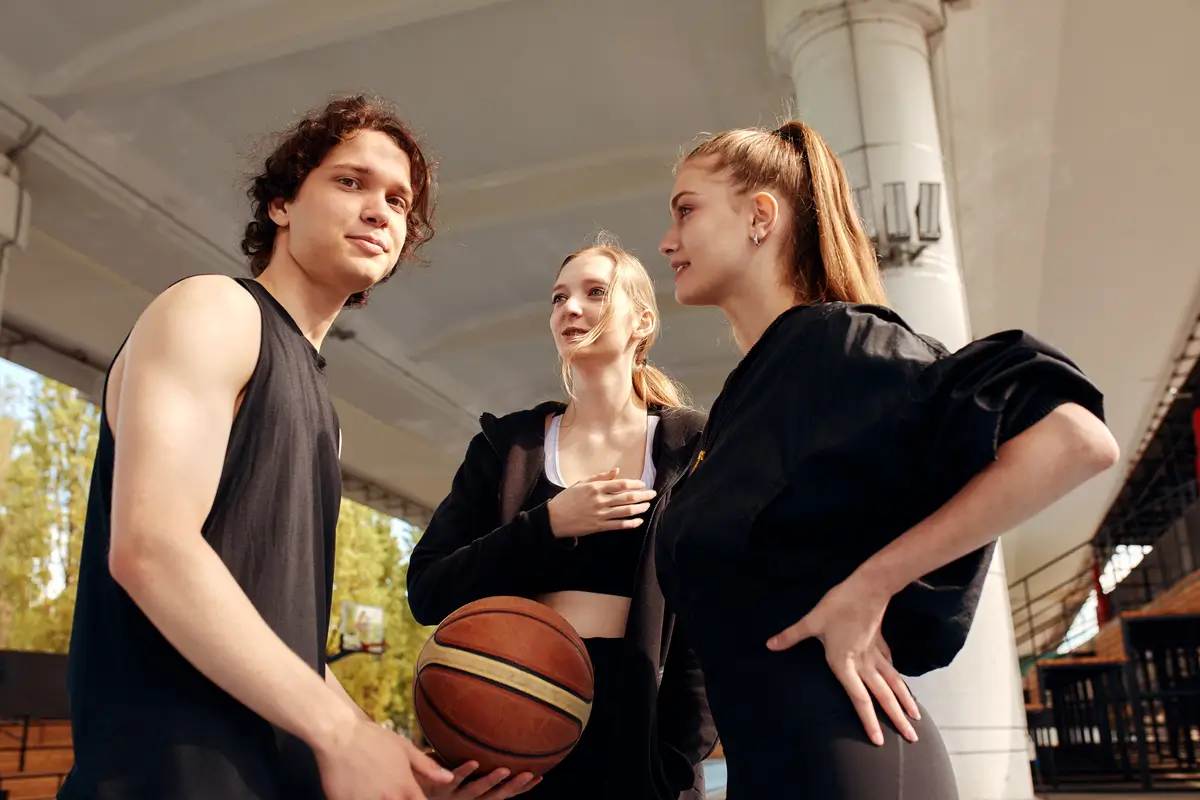
This deal isn’t just about extra cash; it’s about keeping students in school. The impact of NIL on college sports recruiting helps Polk State attract talent, but the real victory lies in retention. The benefits of NIL deals for community college athletes provide essential financial stability, allowing students to focus on their grades and graduation rather than just their bills.
When a local business partners with an Eagle, your patronage supports this ecosystem. You aren’t just buying a product; you are helping a neighbor chase a dream without drowning in debt. These partnerships strengthen the bond between the city and the college, proving that when our student-athletes succeed, the entire community wins with them.
Learn More About the NIL Landscape
Name, Image, and Likeness plays an increasing role in college sports, and understanding how it works often requires more than individual articles or news updates.
RallyFuel is a platform focused on NIL-related topics across college athletics. It brings together information about athletes, NIL activity, and the broader structure behind modern college sports, helping readers explore the topic in more depth.
Q&A
Question: What is an NIL deal, and how is it different from getting paid by Polk State? Short answer: An NIL deal lets a student-athlete earn money as an independent contractor for using their name, image, or likeness—similar to a local influencer—not as an employee of the college. The school doesn’t pay a salary or arrange the compensation; instead, outside businesses provide value (cash, gear, meals) in exchange for the athlete’s promotion or appearances. These agreements are separate from scholarships or financial aid and hinge on third-party endorsements, not team membership.
Question: What do “name,” “image,” and “likeness” actually cover in a contract? Short answer: “Name” covers use of the athlete’s actual name or signature, like on merchandise or a camp flyer. “Image” refers to photos of the player on billboards or social media. “Likeness” means representations that resemble the athlete—such as an illustration, caricature, or digital avatar—used in marketing.
Question: Are Polk State athletes allowed to do NIL deals under Florida and NJCAA rules, and what protections do they have? Short answer: Yes. Florida’s 2021 law ensures students own their identity and can profit from it, and the NJCAA has aligned its bylaws with state law so JUCO athletes have protections similar to those at four-year schools. Polk State cannot punish an athlete or revoke a scholarship just for signing a compliant commercial deal, provided the athlete follows disclosure and reporting requirements.
Question: What kinds of NIL opportunities are realistic for Polk State athletes, and how do they find them? Short answer: Most deals are hyper-local and practical: sponsored social posts for neighborhood brands, autograph signings, youth clinics, and ads or radio spots for local businesses. Athletes often start with a smartphone and a community following, promoting products like a local smoothie or coffee shop. NIL marketplaces function like digital job boards, helping Polk County businesses find student-athlete partners who fit their image and audience.
Question: How can athletes keep their eligibility and scholarships safe while doing NIL—and what should they watch for? Short answer: Disclose all deals through Polk State’s compliance process, ensure payments are for real work (not inducements or “pay-for-play”), and consider legal help to review contracts. Maintain financial literacy: NIL earnings are taxable, unlike scholarships, so plan for taxes and good recordkeeping. Following these steps protects eligibility and scholarships while helping sustain a stable, community-connected program.


Leave a Comment