

For decades, a standout performance during March Madness earned a player campus glory but zero financial reward. Today, that same athletic success launches a “digital paper route,” where student-athletes monetize their influence through social media and local partnerships. The historic Sweet 16 run by the men’s basketball team in 2023 illustrated this shift perfectly, as Princeton university nil deals surged for players who could finally capitalize on their national spotlight.
Unlike powerhouses in the SEC or Big Ten, the Ivy League prohibits athletic scholarships, meaning athletes must rely entirely on need-based financial aid or family support. This makes college athlete nil opportunities uniquely vital at Princeton. Instead of the multimillion-dollar “pay-for-play” contracts seen elsewhere, these agreements often function as essential income streams that help bridge the financial gap while offering students real-world business experience alongside their rigorous coursework.
Summary
This article explains how NIL opportunities at Princeton provide essential income and real-world experience in a no-scholarship Ivy League setting. It clarifies New Jersey’s NIL protections, the difference between legitimate deals and impermissible inducements, and Princeton’s required compliance steps. It highlights the Tiger NIL collective’s role in creating vetted, values-aligned opportunities and details how NIL income can affect need-based aid, taxes, and international student visa rules. Ultimately, it frames NIL as a pathway to long-term career development, brand-building, and leadership skills beyond college sports.
Protecting Your Eligibility: Decoding New Jersey NIL Laws and Ivy League Rules
New Jersey state NIL laws for student athletes provide a robust safety net that didn’t exist a few years ago. Under the “Fair Play Act,” the state guarantees that colleges cannot penalize students simply for earning income based on their reputation. Think of this protection like a standard student job: just as the university wouldn’t punish a biology major for paid lab work over the summer, they are legally prohibited from benching a point guard for filming a commercial. This legislation validates the student’s right to operate as a professional entity while maintaining their amateur status on the field.
Freedom comes with a critical boundary, however: the money must be for legitimate work, not a bribe to play. In the industry, prohibited payments are called “inducements.” A local car dealership can pay a Princeton athlete to sign autographs at a grand opening, but they cannot pay that student simply for promising to enroll at the university. If cash changes hands without a clear exchange of services—like a social media post or a public appearance—it crosses the line from a valid business deal to a recruiting violation that could strip a student of their eligibility.
To ensure every partnership stays on the right side of NCAA eligibility requirements for sponsorship deals, transparency is non-negotiable. Princeton requires athletes to report their activities, treating the compliance office much like a corporate HR department verifying outside employment. Following these Princeton compliance guidelines for brand partnerships creates a documented paper trail that protects the athlete’s future:
- Review Contract: Ensure terms don’t conflict with team schedules or university values.
- Notify Compliance: Submit deal details to the athletic department within 14 days.
- Verify Standing: Confirm the student is academically eligible to participate.
- Formal Approval: Receive the final green light before fulfilling the contract.
With the legal ground rules established, many athletes turn to organized support systems to find these trusted opportunities.
The Power of the Tiger NIL Collective: Connecting Princeton Talent with Alumni Support
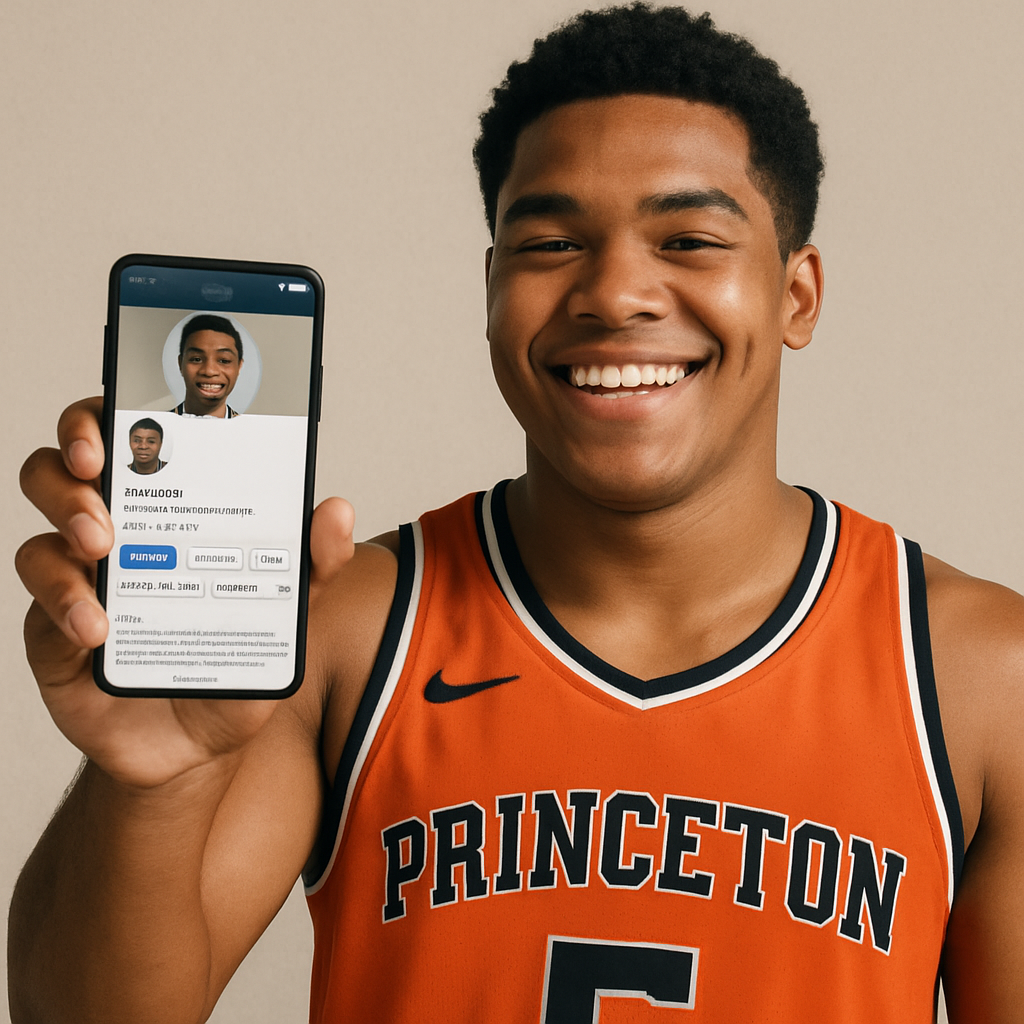
Navigating the marketplace of brand partnerships alone can be daunting for a full-time student, which is why alumni have stepped in to create organized support structures. The Tiger NIL collective operates much like a specialized alumni association, pooling resources from successful graduates to create legitimate business opportunities for current athletes. Instead of the chaotic bidding wars seen at big football schools, this independent organization focuses on connecting students with Tiger NIL collective opportunities that align with the university’s values, such as leading youth sports camps or organizing charitable initiatives.
What sets Princeton apart in this landscape is the focus on long-term career development rather than short-term cash grabs. Building an athlete personal brand at elite universities often looks less like selling energy drinks and more like high-level networking, where a deal might involve a strategic internship or consulting for a tech startup founded by a graduate. Even on a local level, a partnership might see a rower promoting a Nassau Street coffee shop, proving that the market value of Ivy League athlete endorsements relies heavily on the student’s connection to the community and their academic reputation.
By centralizing these efforts, the collective ensures that deals are vetted and structured professionally, acting as a buffer between the student and the complex logistics of contract negotiation. This system allows athletes to benefit from the powerful Princeton network without sacrificing their focus on finals or championships. However, earning this new income introduces complexity regarding financial aid and taxes.
Avoiding Financial Pitfalls: The Impact of NIL Income on Financial Aid and Taxes

While the influx of cash from a sponsorship is exciting, it can create an unexpected ripple effect on a family’s financial planning. Because Princeton does not offer athletic scholarships, all grant aid is strictly need-based. Consequently, a student earning significant revenue effectively raises their family’s total income, which can alter the Expected Family Contribution (EFC) and potentially reduce the university’s grant offer. Families must carefully calculate the impact of NIL on financial aid packages to ensure that a profitable endorsement deal doesn’t inadvertently offset essential tuition assistance.
Domestic students also face the reality that NIL money is not a paycheck with taxes already removed; it is business income. The IRS classifies these athletes as independent contractors, meaning they are responsible for paying their own taxes after the fact. This includes the standard income tax plus a specific 15.3% self-employment tax. To navigate the tax implications for college athletes earning NIL income, families should strictly follow this essential financial checklist:
- Monitor Forms: Expect a Form 1099-NEC from any business paying the student over $600.
- Save First: Set aside roughly 30% of all earnings immediately to cover federal and state obligations.
- Update FAFSA: Report NIL earnings as student income, not parental assets, on the next financial aid application.
The legal landscape becomes even stricter for athletes from abroad. International student athletes generally cannot accept NIL money for active work performed on U.S. soil. Most international students attend on F-1 visas, which strictly prohibit off-campus employment. Accepting payment for an autograph session or a social media post constitutes “work,” putting their visa status and enrollment at risk. Understanding these boundaries ensures the money remains a benefit rather than a burden, setting the stage for distinct professional advantages.
Beyond the Final Buzzer: How NIL Portfolios Create a Competitive Career Edge
Viewing Name, Image, and Likeness deals merely as a paycheck misses the bigger picture for a Princeton Tiger. Instead, consider these opportunities as a high-level internship running parallel to a degree. The student-athlete is no longer just a competitor; they are the CEO of their own brand. This perspective shift turns the daily challenge of managing academic workload and endorsement contracts into a rigorous practicum that rivals any classroom case study.
Navigating this dual-track life requires guidance, which is why utilizing Princeton athletic department NIL support services is essential. With the right backing, athletes can identify appropriate types of NIL marketing activities for Ivy League students—from hosting youth clinics to professional networking—that align with their career ambitions. The goal is to build a resume that carries weight well beyond graduation.
Ultimately, the true return on investment isn’t found in a monthly deposit, but in the professional skills sharpened along the way. As this landscape matures, the most successful graduates will be those who leveraged their athletic platform to master financial literacy and brand strategy. For the next generation, balancing elite academics with business ownership isn’t just a side hustle; it is the ultimate preparation for a leadership role in the corporate world.
Learn More About the NIL Landscape
Name, Image, and Likeness plays an increasing role in college sports, and understanding how it works often requires more than individual articles or news updates.
RallyFuel is a platform focused on NIL-related topics across college athletics. It brings together information about athletes, NIL activity, and the broader structure behind modern college sports, helping readers explore the topic in more depth.
👉 Explore the Athletes on RallyFuel – Discover top college athletes, compare NIL valuations, and dive deeper into the world of NIL.
Q&A
Question: What makes NIL opportunities especially important for Princeton student-athletes?
Short answer: Because the Ivy League does not offer athletic scholarships, Princeton athletes rely on need-based aid or family support—so NIL income can help bridge financial gaps while providing real-world business experience. The rise of social-driven “digital paper routes” lets athletes monetize their reputation through local partnerships and online presence, turning moments like the men’s basketball 2023 Sweet 16 run into legitimate earning opportunities. Beyond cash, these deals function like parallel internships that build branding, networking, and leadership skills alongside rigorous academics.
Question: What’s the difference between a legitimate NIL deal and an impermissible inducement?
Short answer: A valid NIL deal pays for real work (e.g., social posts, appearances, autographs) tied to an athlete’s name, image, or likeness. An inducement is money or benefits offered to influence enrollment or athletic participation without a bona fide exchange of services. For example, a car dealership can pay for a grand-opening autograph session, but not for a promise to attend Princeton. To protect eligibility, Princeton requires transparent reporting and approval:
- Review Contract: Confirm it aligns with team schedules and university values.
- Notify Compliance: Submit deal details within 14 days.
- Verify Standing: Ensure academic eligibility is current.
- Formal Approval: Get the green light before performing any services.
Question: How does the Tiger NIL collective support Princeton athletes?
Short answer: The Tiger NIL collective connects athletes with alumni-backed, values-aligned opportunities that are professionally vetted and structured—more curated than the bidding wars seen at some large programs. It emphasizes long-term career development, channeling deals into experiences like leading youth clinics, supporting charitable initiatives, consulting for alumni-founded startups, or partnering with local businesses (e.g., a Nassau Street coffee shop). This centralized support helps students leverage Princeton’s network without losing focus on academics or competition.
Question: How can NIL earnings affect financial aid and taxes for domestic students?
Short answer: NIL income can increase a family’s total resources, potentially raising the Expected Family Contribution and reducing need-based grant aid—so families should model the impact before committing to deals. For taxes, NIL payments are typically independent-contractor income:
- Expect Form 1099-NEC from payers over $600.
- Set aside about 30% of earnings for federal/state taxes, including the 15.3% self-employment tax.
- Report NIL income as student income (not a parental asset) on the next FAFSA.
Question: Can international student-athletes participate in NIL activities?
Short answer: Generally, international students on F-1 visas cannot accept NIL payments for active work performed in the U.S., since off-campus employment is restricted. Paid social posts, autograph sessions, or appearances typically count as “work,” risking visa status and enrollment. Understanding and respecting these boundaries is essential so that NIL remains a benefit—not a compliance or immigration liability.




Leave a Comment