
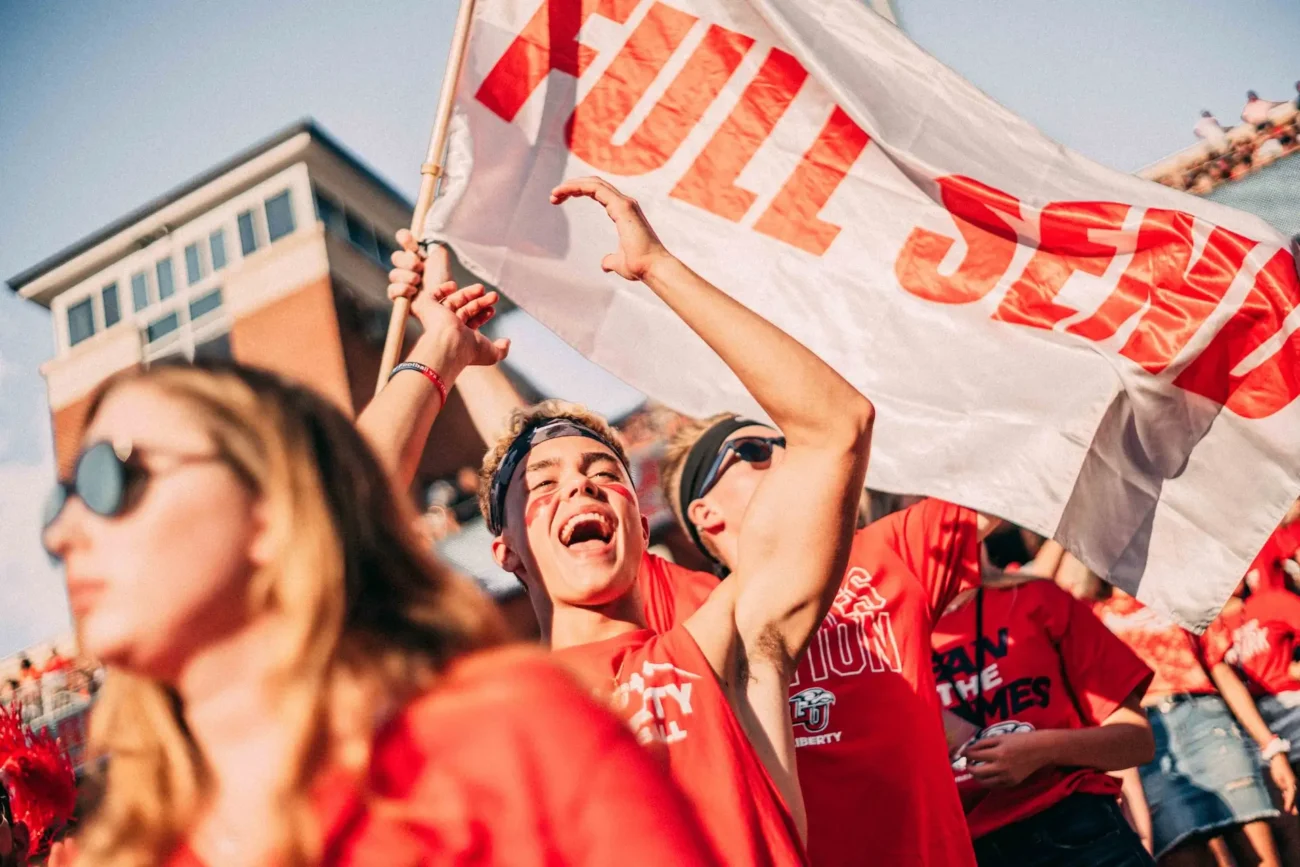
When you see a Purdue basketball star on a West Lafayette billboard, you are witnessing the modern era of college athletics. While scholarships used to be the limit, Purdue University nil deals now allow players to profit from their fame just like professional influencers.
Crucially, this money does not come from the university itself. Think of it like a high-end summer job: a local business pays the athlete directly for endorsements or autograph sessions. NCAA name image and likeness rules for Indiana strictly define this arrangement as third-party compensation rather than a school salary.
Groups like the Boilermaker Alliance help navigate this complex landscape. Acting as a bridge, this collective connects supporters with athletes to facilitate compliant deals that keep Boilermakers eligible while maximizing their earning potential.
Summary
Purdue’s NIL ecosystem enables student-athletes to earn through third-party, compliant deals rather than university pay, with local engagements managed via the Boiler Life Marketplace and pooled, community-service contracts coordinated by the Boilermaker Alliance. International athletes face F-1 visa limits on active U.S. work, often relying on passive income or overseas activations, as seen with Zach Edey. The EMPOWER program provides financial literacy, brand strategy, and compliance support, alongside Indiana’s disclosure requirements, to protect eligibility. As rules evolve toward potential revenue sharing, informed participation from fans and local businesses is increasingly vital.
Navigating the Boiler Life Marketplace: Where Local Businesses Meet Student-Athletes
Have you ever wondered how a West Lafayette pizza parlor actually hires a linebacker for a commercial? It isn’t done through secret handshakes or back-alley meetings anymore. Purdue streamlines these local business partnerships with Purdue athletes through a digital hub known as the Boiler Life Marketplace. This platform functions much like a dedicated job board or a gig-economy app, connecting eager businesses directly with student-athletes looking for work.
The engine behind this system is simplicity and safety. A business owner creates a profile, posts a specific “job,” and sets a price. This transforms Purdue student athlete brand management into something approachable, ensuring every deal is tracked and compliant with NCAA rules so a player’s eligibility is never at risk. Instead of navigating complex contracts alone, the athlete simply opens an app to see who wants to work with them.
Once connected, the actual deliverables are often straightforward and highly visible to the community. Common types of local NIL deals include:
- Social Media Shoutouts: Posting a photo enjoying a meal at Triple XXX or Harry’s.
- Autograph Signings: Scheduled meet-and-greets at local bookstores.
- Event Appearances: Attending a grand opening for a car dealership.
- Jersey Sales: Receiving royalties when fans buy gear with their specific name on the back.
While the Boiler Life marketplace for student athletes handles these individual commercial deals, it is only one piece of the puzzle. To support entire teams and retain top talent, the university ecosystem also relies on a more centralized approach where fans can pool their resources together.
Supporting the Squad Through the Boilermaker Alliance: How Fans Power the Collective Impact
While local business ads are visible, they cannot support an entire roster alone. This is where the “collective” enters the picture, functioning essentially like a pooled trust for the team. Instead of relying on a single car dealership, a collective gathers contributions from thousands of alumni and fans into one central resource.
The Boilermaker Alliance serves as the steward of this community pot. Donors contribute funds not to pay players a salary—which remains prohibited—but to facilitate legitimate work opportunities. The organization acts as a bridge, identifying local non-profits that need awareness or labor and pairing them with athletes seeking compensation.
So, how do Purdue athletes get NIL deals through this ecosystem? They sign binding contracts to perform specific charitable acts. This critical distinction ensures money is exchanged for active community service, keeping the university compliant with NCAA regulations that strictly ban “pay-for-play” inducements or paying athletes just for being on the team.
Consequently, the Boilermaker Alliance collective impact reaches well beyond the locker room, effectively turning donor dollars into volunteer hours for West Lafayette. Common initiatives include:
- Partnering with local chapters of the Boys & Girls Club for mentorship.
- Hosting free youth sports clinics for Tippecanoe County families.
- Dedicating service hours to regional food banks and animal shelters.
Collegiate NIL collectives present a complex trade-off; they provide roster stability and community support, but they also place a heavy fundraising burden on the fan base. Furthermore, even a robust collective hits a wall with international stars like Zach Edey, who face federal visa hurdles that complicate even the most generous offers.
The Zach Edey Blueprint: Managing High-Value Endorsements and International Visa Hurdles
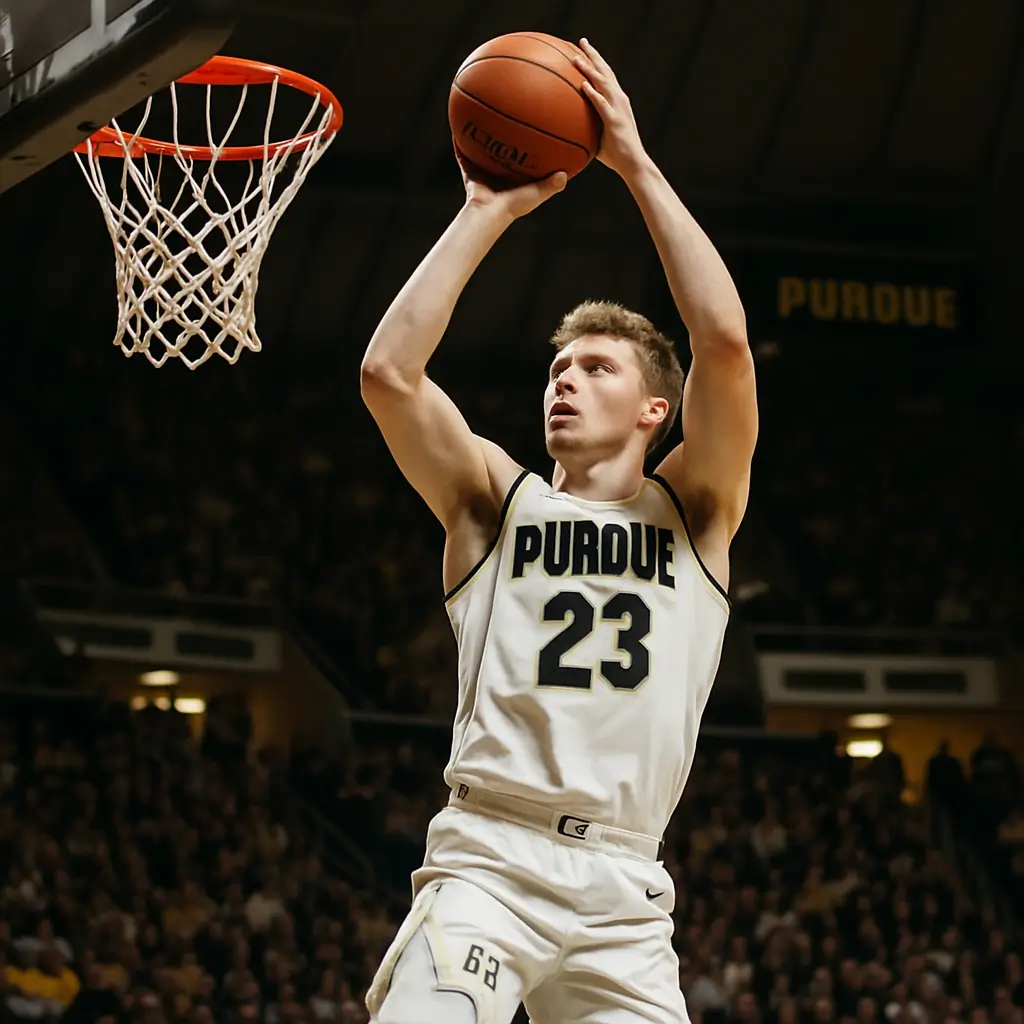
While the average athlete earns modest supplemental income, national stars operate in a different financial stratosphere. The Zach Edey NIL valuation and endorsements landscape demonstrated that when a player becomes the face of college sports, their brand value rivals that of professional athletes. This valuation isn’t just about statistics; it is driven by national television exposure and the ability to move merchandise, creating a market demand that goes far beyond local business support.
However, capitalizing on this fame is legally perilous for players from outside the United States. Most international students attend on F-1 visas, which strictly prohibit “active work” on American soil, meaning a player cannot legally film a commercial in West Lafayette or sign autographs for cash at the Purdue Memorial Union.
Consequently, international student athlete NIL rules force these players to rely on passive income—earning royalties from jersey sales or video games—where the money is generated without the athlete performing a specific service in the U.S.
Overcoming these hurdles requires creative timing and legal precision. To secure active endorsement deals, international athletes often have to wait until the team travels abroad for exhibition games, performing their contractual duties on foreign soil where U.S. labor laws do not apply. This creates a unique calendar for earnings, where a single week in Canada or Europe might account for the majority of a player’s “active” commercial work for the year.
These complications highlight the stark differences between Purdue football vs basketball NIL opportunities. While a domestic football quarterback can freely drive a sponsored truck around campus, an international basketball star must navigate a legal minefield to access their earnings. Managing these disparate realities requires a robust support system to ensure no one accidentally breaks the rules.
Keeping It ‘Old Gold’ and Legal: How Purdue’s EMPOWER Program Protects Athletes
Imagine being 19 years old and suddenly owing the IRS thousands of dollars because you didn’t realize your autograph signings counted as taxable income. To prevent these financial pitfalls, the university integrated financial literacy for Purdue student athletes directly into its support system through the EMPOWER hub. This program ensures that while players maximize their earnings, they also understand the responsibilities that come with being a professional brand ambassador.
Instead of leaving young adults to navigate this complex landscape alone, the department provides a safety net built on three educational pillars:
- Financial Stewardship: Teaching students how to budget earnings and file taxes as independent contractors.
- Brand Strategy: Helping athletes understand how to market themselves effectively to businesses and fans.
- Compliance : Ensuring every deal meets Boilermakers NIL compliance guidelines so a player’s eligibility is never compromised.
Beyond internal education, transparency is non-negotiable under the law. Indiana state NIL legislation for college sports mandates that athletes disclose specific deal details to the university before signing. This disclosure step acts as a final checkpoint, ensuring that a promotional agreement with a local business doesn’t accidentally conflict with university contracts or NCAA by-laws. With these robust safeguards in place, the ecosystem remains stable, allowing the community to look toward the future of the program with confidence.
Your Guide to the Future of Boilermaker Athletics: Staying Informed and Involved
Gone are the days when a scholarship was the only currency in West Lafayette. You now recognize that Purdue’s approach focuses on equipping Boilermakers with real-world business skills rather than simply chasing the highest bidder. This is no longer a chaotic “wild west,” but a structured environment where athletic tradition and financial opportunity coexist responsibly.
The game will continue to evolve as direct revenue sharing looms on the NCAA horizon. As rules adapt, identifying the best Purdue sports for marketing partnerships becomes critical for businesses maximizing their local impact. The bond between community commerce and campus talent is fast becoming the new standard for collegiate sustainability.
Your participation in this ecosystem is vital. Whether you purchase a custom jersey or learn how to support Purdue athletes through collectives, your engagement directly fuels the retention of top talent. Next time you cheer at Mackey, take pride knowing the gold and black community is building a future where athletes succeed in both the game and the marketplace.
Learn More About the NIL Landscape
Name, Image, and Likeness plays an increasing role in college sports, and understanding how it works often requires more than individual articles or news updates.
RallyFuel is a platform focused on NIL-related topics across college athletics. It brings together information about athletes, NIL activity, and the broader structure behind modern college sports, helping readers explore the topic in more depth.
Q&A
Question: Who pays Purdue athletes for NIL, and how is it different from a university salary? Short answer: Compensation comes from third parties—local businesses, brands, and donor-funded collectives—not from Purdue University. Under NCAA name, image, and likeness rules (as applied in Indiana), this is defined as third-party compensation in exchange for specific services (endorsements, appearances, etc.), not a school-funded wage. “Pay-for-play” inducements and paying athletes simply for being on a roster remain prohibited, so deals must reflect legitimate work performed and be structured to protect eligibility.
Question: How does the Boiler Life Marketplace connect local businesses with Purdue athletes? Short answer: It functions like a curated gig platform. A business creates a profile, posts a clearly scoped opportunity, and sets a price. Athletes browse offers in the app and accept work such as social media posts, autograph sessions, or event appearances. The marketplace tracks agreements for transparency and compliance so deals stay within NCAA and Purdue guidelines. Common local NIL activities include:
- Social media shoutouts at local restaurants
- Autograph signings and meet-and-greets
- Grand-opening or community event appearances
- Royalties from name-specific jersey sales
Question: What is the Boilermaker Alliance, and how is it different from the marketplace? Short answer: The Boilermaker Alliance is a donor-supported collective that pools contributions to fund compliant, contract-based opportunities—most often community service and nonprofit partnerships—across teams. Unlike the one-to-one, commercial focus of the Boiler Life Marketplace, the Alliance coordinates larger, mission-driven engagements (mentorships, youth clinics, food bank service) and pays athletes for specified charitable work. This model helps stabilize rosters and amplify community impact, though it also depends on ongoing fan fundraising and cannot bypass restrictions that apply to international athletes.
Question: How do international student-athletes (e.g., on F‑1 visas) participate in NIL at Purdue? Short answer: F‑1 rules generally prohibit “active work” in the U.S., so these athletes typically lean on passive income streams—like royalties from jersey sales or video games—where earnings aren’t tied to performing services on American soil. To do active endorsements (commercial shoots, signings), they often time deliverables for periods when the team is abroad, completing work in countries where U.S. visa limits don’t apply. This creates a unique earnings calendar and requires careful legal and logistical planning.
Question: What support does Purdue provide to keep deals compliant and athletes financially prepared? Short answer: Purdue’s EMPOWER program educates athletes on three pillars: financial stewardship (budgeting, taxes as independent contractors), brand strategy (how to market themselves), and compliance (aligning with Boilermakers NIL guidelines). Additionally, Indiana’s state NIL legislation requires athletes to disclose key deal details to the university before signing, serving as a final compliance check to avoid conflicts with school contracts or NCAA bylaws and to safeguard eligibility.




Leave a Comment