

For generations, wearing the blue and gold meant playing solely for a degree, but the landscape of college sports has fundamentally shifted. Today, student-athletes are transitioning into modern brand-builders through Queens University NIL deals , effectively utilizing a professional permission slip to monetize their reputation. This evolution turns the Queens Royals athletic department branding guidelines from a simple rulebook into a strategic roadmap for financial opportunity, allowing players to profit without sacrificing their eligibility.
Situated in a thriving commercial hub, the university offers a unique advantage for college athlete NIL partnerships that extends beyond the campus walls. Local businesses now have the chance to leverage hometown heroes for marketing, connecting with the community in authentic ways that traditional advertising cannot match. Charlotte’s dynamic economy fuels these collaborations, benefiting both the scoreboard and the local marketplace.
Summary
This guide explains how Queens University student-athletes can monetize NIL and how Charlotte-area businesses can partner with them. It outlines the legal and compliance framework (North Carolina law, NCAA/ASUN rules), practical steps via NIL marketplaces using a simple Contact–Contract–Compliance workflow, and key safeguards around trademarks, taxes, and international student restrictions. It highlights the outsized value of local brand-building and community-focused endorsements that don’t require national fame. A brief action plan closes with ways supporters can get started responsibly.
Turning Influence into Income: What NIL Actually Means for Queens Student-Athletes
Unlike professional athletes who sign contracts for a salary, Queens student-athletes do not receive paychecks from the university to play. Instead, Name, Image, and Likeness (NIL) operates like the “influencer” model seen on social media. A third-party business pays the athlete directly—not for scoring points, but for the right to use their reputation to promote a product. This creates a clear distinction: the school provides the education and coaching, while the private sector provides financial opportunities through independent endorsements.
While national celebrities often dominate headlines, local recognition holds immense value in a tight-knit community. A Royals volleyball player may not be famous nationally, but to a family seeking private coaching or a Myers Park café wanting to reach students, their endorsement is powerful. These partnerships allow athletes to build a personal brand that connects with the local economy, proving you don’t need millions of followers to offer real marketability.
Value isn’t always measured in cash, as many agreements involve trading goods or services for promotion. Common ways athletes leverage their influence include:
- Social media posts featuring local products
- Running youth skills camps or clinics
- Autograph signings at community events
- Guest appearances at store openings
Turning a student-athlete into a brand ambassador requires navigating strict guardrails to ensure they remain eligible to play under NCAA regulations.
Navigating the North Carolina NIL Rulebook Without a Law Degree
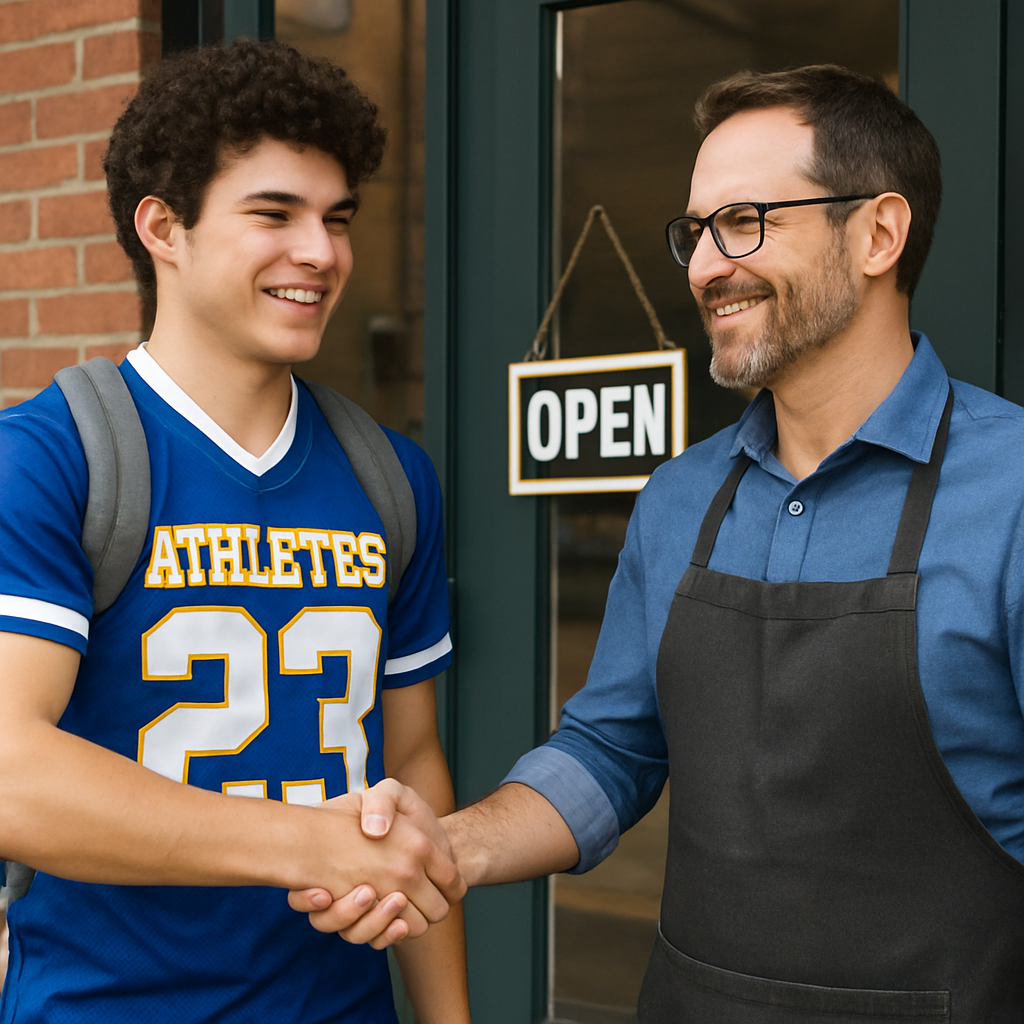
While the opportunity to earn money is exciting, it operates within a specific legal framework defined by North Carolina name, image, and likeness legislation. The state protects the amateur status of the athlete, meaning deals cannot depend on specific athletic performance or serve as a recruiting inducement. For a local Charlotte business, this means you can hire a Royal to promote your gym or coffee shop, but you cannot pay them a cash bonus specifically for winning a game or agreeing to enroll at the university.
The recent shift to the highest level of college sports amplifies this potential, as the Division I transition impact on athlete marketability has been profound. Playing on a national stage against larger competitors increases the visibility of student-athletes, making them more valuable partners for brands looking for exposure. However, with this higher profile comes stricter oversight; ASUN Conference compliance for collegiate endorsements requires transparent reporting of all deals to the athletic department to ensure every contract protects the student’s eligibility.
While these layers of regulation are complex, the process of initiating a partnership is designed to be user-friendly. Most compliance checks happen behind the scenes, leaving business owners and athletes free to focus on creating content that resonates with the community rather than worrying about red tape. Now that the rules are clear, the path is open to start building these connections.
3 Steps to Partnering with a Royal: How Charlotte Businesses Sign Student-Athlete Ambassadors
Finding a partner does not require an expensive sports agency; the barrier to entry is surprisingly low. Digital platforms have democratized the process, allowing a local bakery or tech startup to connect directly with talent. Instead of backroom deals, these connections now happen in the open ecosystem of specialized online portals designed to bridge the gap between commercial brands and student talent.
Choosing the right platform begins the journey. When comparing NIL marketplaces for mid-major conference programs, you will often find centralized apps like Opendorse or MOGL that cater specifically to schools like Queens. These digital hubs act much like a LinkedIn for athletes, displaying their interests, social media reach, and availability for promotional work so you can find the perfect match for your brand.
Once you identify a potential partner, the steps for businesses to sign college athlete ambassadors follow a straightforward “CCC” workflow:
- Contact: Reach out to the athlete or their representation through the marketplace to discuss your vision.
- Contract: Draft a simple agreement outlining the specific work (e.g., three Instagram posts) and the agreed payment.
- Compliance: Submit the deal to the university’s athletic department for final review before money changes hands.
That final step ensures everyone stays safe. For Charlotte area businesses sponsoring local college sports stars, the compliance review is a safety net confirming the deal meets all ASUN and NCAA standards. With the partnership approved, you can launch your campaign, though you must remain mindful of the financial fine print awaiting in the next phase.
Taxes, Trademarks, and the ‘Donor’ Rule: Staying Safe in the New Era of Queens Athletics
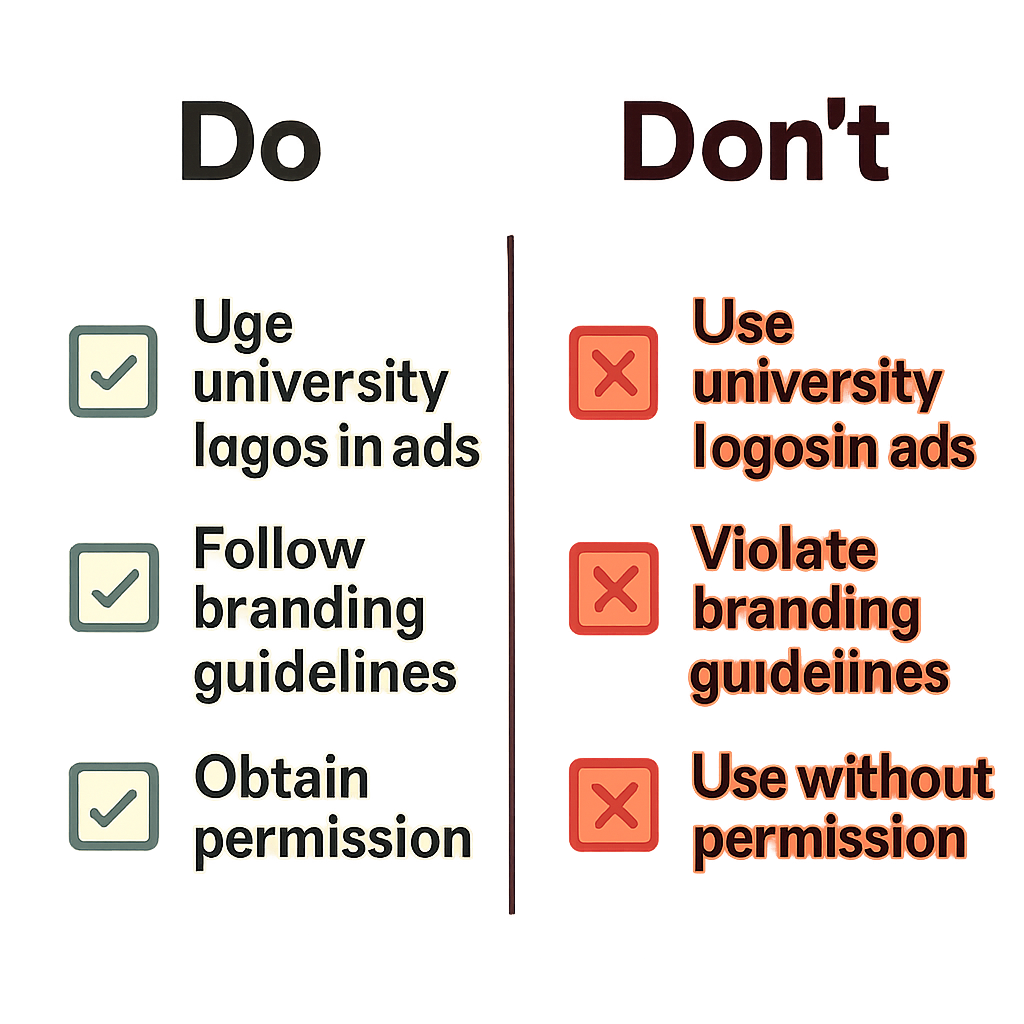
While the deal is strictly between you and the athlete, the uniform they wear remains the university’s intellectual property. Commercial use of university trademarks in athlete marketing generally requires a separate licensing agreement, meaning you cannot simply photoshop the Queens “Rex” logo onto your promotional flyers without official permission. Most compliance departments differentiate between “institutional” NIL deals, which include logos, and “non-institutional” ones where the athlete appears in plain clothing, so clarifying this distinction early prevents legal headaches for your business.
Financial responsibility shifts entirely to the student once the contract is signed, unlike the tax-free nature of many scholarships. The tax implications of NIL income for student-athletes treat these earnings as independent contractor revenue, which can catch young earners off guard during tax season. Because no taxes are withheld automatically from these payments, you provide immense value by simply reminding your student partner to set aside a portion of their earnings for the IRS, ensuring their financial victory doesn’t become a liability.
Navigating NCAA rules for international student-athlete NIL requires even greater caution because F-1 visas strictly prohibit most active off-campus employment. Since performing services for a business often violates these visa terms, international Royals usually must rely on passive income structures to participate safely. Mastering these three safety checks ensures the partnership remains beneficial for everyone, clearing the way for you to execute the practical steps in our final guide.
Your 5-Minute Action Plan for Supporting Queens University Brand-Builders
Moving from a passive observer to an informed supporter boosts the Royals’ ecosystem. Understanding how to partner with Queens University student-athletes turns game day into a powerful collaboration that strengthens the bond between the campus and the Queen City.
To start effectively while navigating Queens University of Charlotte donor rules for athlete support:
- Follow athletes on social media.
- Visit the Queens Athletics NIL portal.
- Draft a ‘Community First’ marketing idea.
Learn More About the NIL Landscape
Name, Image, and Likeness plays an increasing role in college sports, and understanding how it works often requires more than individual articles or news updates.
RallyFuel is a platform focused on NIL-related topics across college athletics. It brings together information about athletes, NIL activity, and the broader structure behind modern college sports, helping readers explore the topic in more depth.
👉 Explore the Athletes on RallyFuel – Discover top college athletes, compare NIL valuations, and dive deeper into the world of NIL.
Q&A
Question: What does NIL actually look like at Queens—who pays, and what kinds of activities count?
Short answer: NIL at Queens follows an influencer-style model where third-party businesses—not the university—pay student-athletes to leverage their name, image, and likeness in marketing. Compensation can be cash or in-kind (goods/services). Common activities include social media posts for local products, running youth camps or clinics, autograph sessions at community events, and guest appearances at store openings. Crucially, athletes are not being paid by the school or for on-field performance; the deals are independent endorsements that monetize their reputation.
Question: I’m a Charlotte business—how do I sign a Queens athlete as an ambassador?
Short answer: Start by browsing NIL marketplaces that serve mid-major programs—platforms like Opendorse or MOGL function like LinkedIn for athletes, showing interests, social reach, and availability. Then follow the simple “CCC” workflow: (1) Contact the athlete or their rep through the marketplace to share your vision, (2) Contract for specific deliverables (e.g., three Instagram posts) and payment, and (3) Compliance—submit the agreement to Queens Athletics for review before any money changes hands. You don’t need an agency, most checks occur behind the scenes, and you can also visit the Queens Athletics NIL portal to get oriented.
Question: What rules do I need to follow so the athlete stays eligible?
Short answer: North Carolina law protects amateur status, so deals cannot be pay-for-play (e.g., bonuses for winning) or recruiting inducements (e.g., payment for enrolling). The ASUN and NCAA require transparent reporting of all agreements to the athletic department; Queens’ compliance review is a safety net to confirm deals meet these standards. As Queens competes on a larger Division I stage, athlete visibility—and brand value—rises, but oversight is stricter, so keep contracts clear, performance-neutral, and fully reported.
Question: Can my campaign feature Queens logos or uniforms?
Short answer: Not without permission. University marks (like the Queens “Rex” logo) are intellectual property and typically require a separate licensing agreement for commercial use. Compliance teams distinguish between “institutional” NIL (logos/uniforms included—license required) and “non-institutional” NIL (athlete in plain clothing—no marks). Decide which route you want early; if you don’t have a license, plan creative that showcases the athlete without university trademarks.
Question: How do taxes and visa status affect NIL deals?
Short answer: NIL income is usually treated as independent contractor revenue for student-athletes, and no taxes are withheld automatically. It’s wise to remind athletes to set aside a portion of earnings for tax time. For international students, F-1 visa rules generally prohibit most active off-campus employment; performing services for a business can create immigration risk. International athletes typically must rely on passive income structures to participate safely, so proceed with extra caution and ensure compliance is involved early.


Leave a Comment