

The path to Olympic qualification is becoming increasingly complex due to recent rule changes. As we explore these changes, we will provide insights into their implications for athletes and the networks around them.
Understanding these changes is crucial for athletes, coaches, and fans alike. We will navigate through the complexities of athlete resources and the new regulations that govern Olympic qualification.
1. The Fundamentals of Olympic Qualification Systems
The path to Olympic qualification involves various stakeholders and rules. At its core, the Olympic qualification system is designed to ensure that the best athletes from around the world are represented at the Games.
How Athletes Earn Their Olympic Spots
Athletes earn their Olympic spots through a combination of performances at designated qualification events and rankings within their respective sports. The specific criteria vary depending on the sport and the International Federation governing it.
The Role of International Federations and the IOC
International Federations (IFs) play a crucial role in setting qualification standards for their sports, while the International Olympic Committee (IOC) oversees the overall qualification process. The IOC works closely with the IFs to ensure that qualification systems are fair and consistent across sports.
Qualification Windows and Competition Requirements
Qualification windows define the periods during which athletes can earn qualification spots. Competition requirements, such as achieving specific times or scores, must be met during these windows. For example, in track and field, athletes must achieve a certain standard at approved competitions during the qualification period.
| Sport | Qualification Criteria | Qualification Window |
|---|---|---|
| Track and Field | Achieving a specific standard | 12 months prior to the Olympics |
| Swimming | Achieving a specific time | 12-18 months prior to the Olympics |
| Gymnastics | Top rankings at World Championships | 2 years prior to the Olympics |
Understanding these fundamentals is essential for athletes aiming to qualify for the Olympics. By grasping how the qualification systems work, athletes can better prepare and increase their chances of success.
2. How Rule Changes Impact Olympic Qualification Across All Sports
The impact of rule changes on Olympic qualification is multifaceted, affecting various stakeholders across different sports. As the Olympic landscape continues to evolve, understanding these changes is crucial for athletes, coaches, and national programs.
Immediate Effects on Athletes and Teams
Rule changes can have an immediate and significant impact on athletes and teams. For instance, alterations in qualification standards or competition formats can suddenly change an athlete’s path to the Olympics. Athletes must be prepared to adapt their training and competition strategies in response to these changes.
As Thomas Bach, IOC President, once noted, “The Olympic Games are a reflection of our society, and they must evolve to stay relevant.” This evolution often comes through rule changes that challenge athletes and teams to be more versatile and resilient.
“The key to success lies in our ability to adapt and innovate in the face of change.” – Sebastian Coe, World Athletics President
Long-Term Consequences for National Programs
The long-term consequences of rule changes can significantly affect national programs. Changes in quota allocations or qualification pathways can influence how national governing bodies allocate resources and plan for future Olympics.
| Aspect | Immediate Impact | Long-Term Impact |
|---|---|---|
| Athlete Preparation | Adjust training to new qualification standards | Develop new training methodologies |
| National Programs | Reallocate resources based on new quotas | Strategic planning for future Olympics |
| Competition Format | Adapt to new competition formats | Innovate tactics and strategies |
The Ripple Effect Throughout the Olympic Movement
Rule changes also have a ripple effect throughout the Olympic movement, influencing various stakeholders and aspects of the Games. From sponsors to fans, the impact is widespread, contributing to the dynamic and ever-changing nature of the Olympics.
By understanding the complexities of rule changes and their impacts, we can better appreciate the challenges faced by athletes and the strategic decisions made by national programs. As the Olympic landscape continues to evolve, staying informed and adaptable is key to success.
3. Common Types of Olympic Qualification Rule Changes
Understanding the common types of Olympic qualification rule changes is essential for athletes aiming to compete at the highest level. The Olympic qualification process is complex and subject to various modifications that can significantly impact athletes and national programs.
Quota Reductions and Expansion Decisions
One of the most impactful rule changes involves quota reductions or expansions. Quota reductions limit the number of athletes a country can send to the Olympics, while expansion decisions allow more participants. For instance, the International Olympic Committee (IOC) might reduce the overall number of athletes allowed in a particular sport, affecting national Olympic committees’ selection processes.
Ranking System and Point Structure Modifications
Changes to ranking systems and point structures are another common type of rule change. These modifications can alter how athletes qualify for the Olympics. For example, a shift from a qualification standard system to a ranking-based system can significantly impact athletes’ strategies and training regimens.
Eligibility and Nationality Requirements
Eligibility criteria, including nationality requirements, are frequently updated. Athletes must comply with these changes to remain eligible for Olympic competition. This includes understanding dual nationality implications and the rules governing athletes’ representation of their countries.
Competition Calendar and Timeline Adjustments
Adjustments to the competition calendar and qualification timelines can also affect Olympic qualification. Changes in the scheduling of qualification events or the deadlines for achieving qualification standards require athletes and coaches to adapt their plans accordingly.
| Type of Rule Change | Impact on Athletes | Impact on National Programs |
|---|---|---|
| Quota Reductions | Reduced chances of selection | Stricter internal selection processes |
| Ranking System Changes | Altered qualification pathways | Need for strategic planning |
| Eligibility Changes | Compliance with new criteria | Monitoring athlete eligibility status |
| Timeline Adjustments | Adaptation of training schedules | Coordination with international calendars |
As the Olympic landscape continues to evolve, understanding these rule changes is crucial for athletes, coaches, and national Olympic committees to navigate the qualification process successfully.
4. Track and Field: World Athletics Ranking System Overhaul
World Athletics has revolutionized the qualification process for track and field events with its latest ranking system changes. This overhaul has brought significant changes to how athletes qualify for major international competitions, including the Olympics.
The new system has moved away from traditional qualifying standards, instead focusing on a ranking-based approach. This shift has far-reaching implications for athletes, coaches, and national programs.
The Shift from Qualifying Standards to Rankings
The traditional qualification system required athletes to meet specific time or performance standards to qualify for major events. The new ranking system, however, considers athletes’ performances over a period, ranking them against their peers globally.
Key aspects of the new ranking system include:
- Performances are considered over a rolling period.
- Athletes are ranked against their peers globally.
- The system allows for more flexibility and competitiveness.
How American Distance Runners Were Affected
American distance runners have faced both opportunities and challenges under the new ranking system. With more emphasis on consistent performance, athletes have had to adapt their training and competition strategies.
| Athlete | Event | Previous Qualification Method | New Ranking System Impact |
|---|---|---|---|
| Alice Johnson | 5000m | Met qualifying standard | Ranked top 10 globally |
| Bob Smith | Marathon | Failed to meet standard | Ranked top 20 globally |
Strategic Competition Selection Under New Rules
Athletes and coaches are now focusing on strategic competition selection to maximize their ranking potential. This involves careful planning of which competitions to participate in and when.
The new system encourages athletes to be more strategic in their approach, balancing the need for competitive experience with the goal of achieving a high ranking.
As the track and field community continues to adapt to the World Athletics ranking system overhaul, athletes and coaches must remain flexible and responsive to the changing landscape.
5. Swimming and Diving Qualification Evolutions
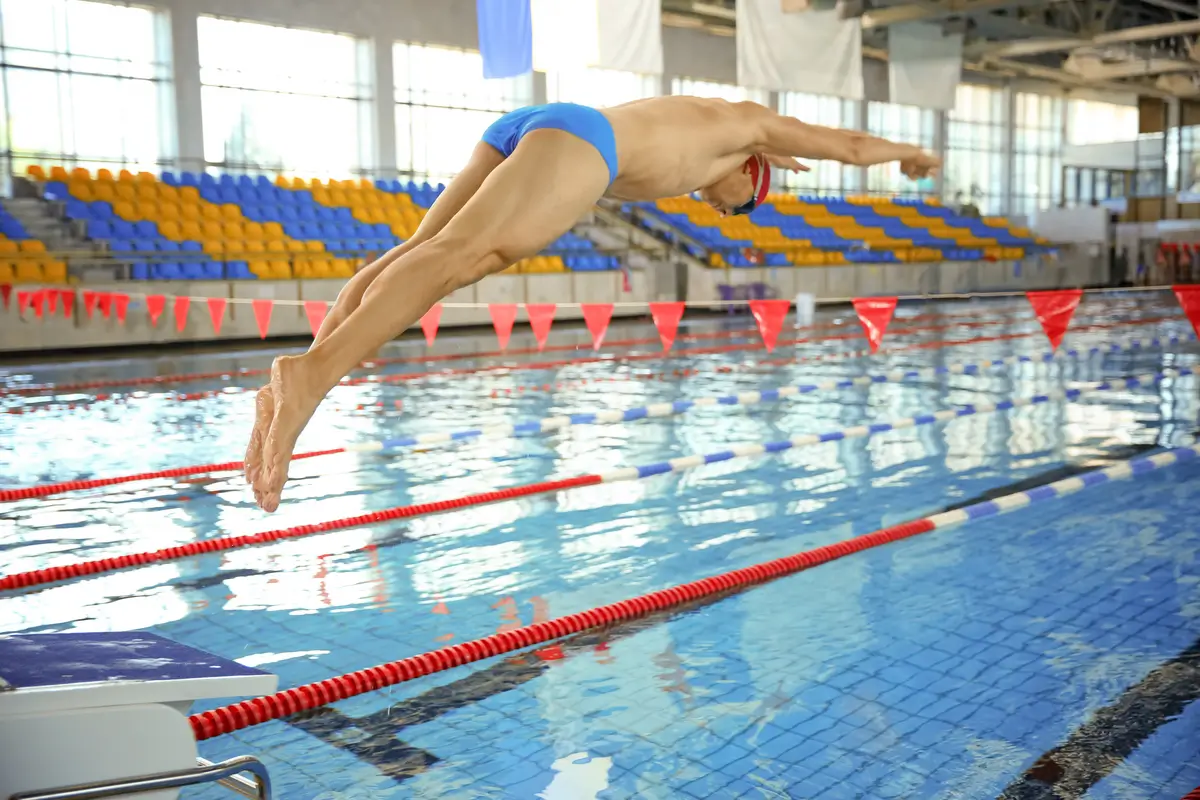
Recent years have seen a transformation in how swimmers and divers qualify for the Olympics. These changes have affected various aspects of the qualification process, from the format of the Olympic trials to the standards set by the international governing body, FINA.
USA Swimming Olympic Trials Format Changes
The USA Swimming Olympic Trials have undergone significant format changes. These adjustments aim to ensure that the most prepared athletes represent the United States at the Olympics. The new format includes revised scheduling and competition rules designed to optimize athlete performance.
FINA Time Standards and Their Impact
FINA time standards play a crucial role in determining which swimmers qualify for the Olympics. These standards have been adjusted over time to reflect the evolving competitive landscape. Swimmers must now achieve stricter qualifying times to secure their Olympic spots, making the qualification process more challenging.
Relay Qualification Procedures
Relay qualification procedures have also seen changes, with a focus on creating the most competitive teams. The selection process for relay events involves a combination of performance at specific competitions and FINA rankings. This ensures that the best possible teams represent their countries at the Olympics.
By understanding these changes, we can better appreciate the challenges faced by swimmers and divers as they strive to qualify for the Olympic Games. The evolution of qualification processes reflects the ongoing efforts to maintain the integrity and competitiveness of Olympic sports.
6. Team Sports and Their Unique Qualification Challenges
As we examine the Olympic qualification process, it becomes clear that team sports present a unique set of challenges that differ significantly from individual sports. The complexity of qualifying for the Olympics is compounded by the diverse competitive formats and rules governing each team sport.
Basketball’s Evolving Tournament Structure
Basketball has seen significant changes in its Olympic qualification process, with the introduction of new tournament structures aimed at enhancing competitiveness and global participation. The shift towards more inclusive formats has implications for how teams prepare and qualify for the Olympics.
Volleyball and Soccer Qualification Pathways
Volleyball and soccer have distinct qualification pathways that involve continental tournaments and global competitions. These pathways are designed to ensure that the most deserving teams qualify for the Olympics, based on their performance in these events.

How Team Sport Rule Changes Affect USA Programs
Rule changes in team sports can have a profound impact on USA programs, affecting everything from team preparation strategies to the financial resources required to compete at the highest level. Understanding these changes is crucial for USA teams to remain competitive in the Olympic arena.
7. Winter Olympics: Figure Skating and Skiing Rule Modifications
Rule modifications in figure skating and skiing are redefining the landscape of the Winter Olympics, affecting how athletes qualify and compete. As we delve into the specifics of these changes, it becomes clear that the impact on athletes and their qualification pathways is significant.
Figure Skating Quota Reductions for Major Nations
The International Skating Union (ISU) has implemented quota reductions for major nations in figure skating, altering the competitive dynamics. This change means that countries like the United States, Canada, and Russia will have fewer spots available for their top athletes, increasing the competition for selection.
For instance, the quota reduction has led to a more competitive environment at the national championships, where athletes must perform exceptionally well to secure one of the limited Olympic spots.
Alpine and Freestyle Skiing Point Systems
The point systems used in alpine and freestyle skiing have undergone significant modifications. The Fédération Internationale de Ski (FIS) has adjusted the calculation methods for athlete rankings, affecting how points are awarded and accumulated.
These changes impact athlete qualification, as the new point system may favor athletes who perform well in specific events or conditions. For example, the revised system might prioritize athletes with consistent performances across various terrains.
| Sport | Previous Point System | New Point System | Impact on Athletes |
|---|---|---|---|
| Alpine Skiing | Based on average performance | Weighted towards consistency and terrain adaptability | Increased emphasis on versatility |
| Freestyle Skiing | Focused on peak performance | Adjusted for risk and difficulty | Higher rewards for complex maneuvers |
Short Track Speed Skating Qualification Controversies
Short track speed skating has seen its share of qualification controversies, particularly surrounding the selection criteria and the handling of athlete injuries or illnesses. The International Skating Union has faced criticism for its transparency and fairness in the qualification process.
To address these concerns, the ISU has implemented additional measures to ensure fairness and clarity in the qualification process, including more detailed criteria and enhanced communication with athletes and national federations.
As the Winter Olympics continue to evolve, understanding these rule modifications is crucial for athletes, coaches, and fans alike. By staying informed about the changes and their implications, we can better appreciate the challenges and triumphs that unfold at the Olympic Games.
8. New Olympic Sports and Establishing Qualification Standards
The Olympic Games are evolving with the addition of new sports, presenting both opportunities and challenges in establishing qualification standards. As we witness the inclusion of skateboarding, sport climbing, surfing, and breaking, the qualification processes are being redefined to accommodate emerging athlete profiles.
Skateboarding, Sport Climbing, and Surfing Debuts
The debut of skateboarding, sport climbing, and surfing in the Olympic program has introduced new qualification pathways. Skateboarding, for instance, has adopted a ranking system that considers athletes’ performances in major international competitions. Sport climbing combines three disciplines—lead climbing, bouldering, and speed climbing—requiring athletes to demonstrate versatility. Surfing qualification is based on performance in international surfing competitions, where athletes are judged on their ability to ride waves effectively.
Breaking’s First-Ever Olympic Qualification Process
Breaking, or breakdancing, made its Olympic debut with a unique qualification process. The International Olympic Committee (IOC) established a ranking system that considers performances in designated competitions. Athletes earned qualification spots based on their rankings, with opportunities for both men and women to compete.
How American Athletes Navigate Emerging Sport Pathways
American athletes are navigating these new qualification pathways by focusing on international competitions that offer ranking points. USA Skateboarding, for example, helps athletes compete in major events to enhance their Olympic qualification chances. Similarly, USA Climbing and USA Surfing provide resources and competitions to help athletes prepare and qualify for the Olympics.
As these new sports continue to evolve, the qualification standards will likely adapt, providing more opportunities for athletes to showcase their talents on the Olympic stage.
9. The Financial and Strategic Impact on Athletes and Federations
Rule modifications in Olympic qualification systems have far-reaching financial and strategic implications for athletes and national governing bodies. These changes affect various aspects of an athlete’s career and a federation’s operational capacity.
Increased Travel and Competition Costs
Athletes often face increased travel and competition costs due to the changing qualification landscapes. For instance, altered qualification windows may require athletes to participate in more international competitions to secure their Olympic spots.
This can lead to a significant rise in expenses related to travel, accommodation, and training camps. The financial strain is particularly challenging for athletes from smaller nations or those without substantial sponsorship deals.
Sponsorship and Funding Complications
Rule changes can also complicate sponsorship and funding arrangements for athletes. As qualification pathways become more complex, sponsors may become wary of committing to athletes whose Olympic prospects are uncertain.
This uncertainty can lead to a decrease in sponsorship deals, making it harder for athletes to secure the financial resources they need.
USOPC Resource Allocation Decisions
The United States Olympic and Paralympic Committee (USOPC) must make strategic resource allocation decisions in response to rule changes. This includes deciding how to distribute funding among different sports and athletes.
| Resource | Pre-Rule Change Allocation | Post-Rule Change Allocation |
|---|---|---|
| Funding for Top Athletes | $1 million | $1.2 million |
| Training Camps and Facilities | $500,000 | $750,000 |
| Sports Science Support | $200,000 | $300,000 |
As the USOPC reallocates resources, it must balance the needs of various sports and athletes, ensuring that those with the highest potential for Olympic success receive adequate resources.
“The USOPC’s strategic allocation of resources is crucial in helping athletes adapt to rule changes and maximize their Olympic potential.” Sara Kohler, USOPC Director
10. Controversies, Legal Challenges, and Athlete Advocacy
Olympic qualification is a complex process that has led to numerous controversies and legal challenges over the years. As we delve into the intricacies of this process, it becomes clear that these issues significantly impact athletes, federations, and the overall Olympic Movement.
Notable Qualification Disputes and Appeals
Several high-profile disputes have arisen during the Olympic qualification process. For instance, controversies surrounding eligibility criteria and quota allocations have led to numerous appeals. Some notable cases include:
- Disputes over ranking systems and point structures
- Challenges to nationality and eligibility requirements
- Appeals against qualification decisions made by International Federations
Transparency and Communication Issues
A lack of transparency and clear communication has often exacerbated qualification controversies. Athletes and federations have expressed concerns over the clarity of qualification rules and the timeliness of information dissemination. To address these issues, it’s essential to improve communication channels and provide detailed explanations of qualification processes.
Athlete Commission Roles in Rule Development
Athlete commissions play a crucial role in shaping Olympic qualification rules and advocating for athletes’ interests. By involving athletes in the decision-making process, these commissions help ensure that qualification systems are fair and equitable. Some key contributions of athlete commissions include:
- Providing input on qualification rule changes
- Advocating for athletes’ rights and interests
- Helping to resolve disputes and appeals
By understanding the complexities and challenges of the Olympic qualification process, we can work towards creating a more transparent, fair, and athlete-centric system. The role of athlete advocacy and commissions will be pivotal in shaping the future of Olympic qualification.
11. Conclusion
As we have explored throughout this article, the impact of rule changes on Olympic qualification is far-reaching, affecting athletes, national programs, and the Olympic movement as a whole. The various qualification systems, from track and field to team sports, have undergone significant modifications, presenting both challenges and opportunities for athletes and federations.
To ensure that the Olympic Games remain a celebration of athletic excellence and fair competition, it is crucial that we continue to assist athletes and promote transparency in the qualification process. This includes providing resources for athletes to adapt to new rule changes and qualification pathways, as well as fostering open communication between athletes, federations, and the International Olympic Committee (IOC).
By working together, we can create a more equitable and empowering environment for athletes to succeed. As the Olympic landscape continues to evolve, it is essential that we prioritize athlete resources and transparency in Olympic qualification, ultimately enhancing the integrity and excitement of the Olympic Games.
Learn More About the NIL Landscape
Name, Image, and Likeness plays an increasing role in college sports, and understanding how it works often requires more than individual articles or news updates.
RallyFuel is a platform focused on NIL-related topics across college athletics. It brings together information about athletes, NIL activity, and the broader structure behind modern college sports, helping readers explore the topic in more depth.
FAQ
What are the main factors that influence Olympic qualification rule changes?
The main factors include the International Olympic Committee’s (IOC) strategic goals, international federation recommendations, and the evolving landscape of sports globally.
How do quota reductions affect athletes’ chances of Olympic qualification?
Quota reductions decrease the number of available spots, making it more competitive and challenging for athletes to qualify.
What role do international federations play in Olympic qualification?
International federations, such as World Athletics and FINA, set qualification standards, manage qualification processes, and work closely with the IOC to ensure fair and transparent qualification.
How do changes in ranking systems impact athlete qualification?
Changes in ranking systems can alter the pathway to Olympic qualification, requiring athletes to adapt their strategies and competition schedules.
What are the implications of eligibility and nationality requirement changes?
Changes in eligibility and nationality requirements can affect an athlete’s ability to represent their country or compete in specific events.
How do rule changes in team sports, such as basketball and soccer, affect Olympic qualification?
Rule changes in team sports can impact tournament structures, qualification pathways, and team selection processes, requiring teams to adapt their strategies.
What are the financial implications of Olympic qualification rule changes for athletes?
Rule changes can lead to increased travel and competition costs, as well as complications with sponsorship and funding.
How do athlete commissions influence Olympic qualification rule development?
Athlete commissions play a crucial role in shaping rule development, advocating for athlete interests, and ensuring that qualification processes are fair and transparent.
What are the key considerations for athletes navigating emerging Olympic sports?
Athletes must understand the new qualification pathways, adapt to evolving rules, and be prepared to compete in emerging sports.
How do the USOPC’s resource allocation decisions impact Olympic qualification?
The USOPC’s resource allocation decisions can affect the resources provided to athletes, influencing their ability to qualify for the Olympics.
What are the common controversies surrounding Olympic qualification?
Controversies often arise from disputes over qualification rules, transparency, and communication, highlighting the need for clear and fair processes.


Leave a Comment