
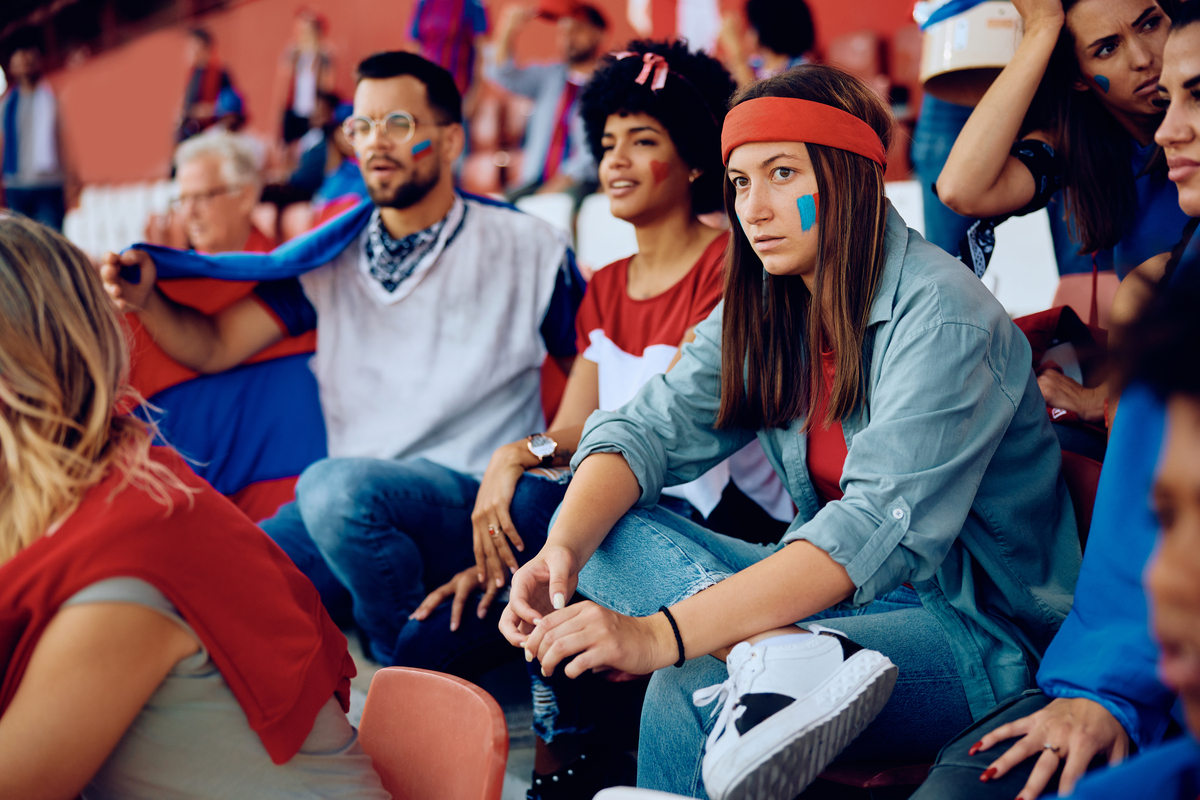
If you walk past CEFCU Stadium on game day, the crowd’s roar sounds exactly the same as it did a decade ago. Yet, a quiet revolution has aligned the program with the entrepreneurial heartbeat of the region. This is the new era of San Jose State NIL deals, where players transform from traditional students into business partners.
For years, scholarships were the compensation ceiling, but in the expensive Bay Area housing market, tuition rarely covers real life. The evolving Spartan Athletics name image likeness policy now allows athletes to bridge this gap by monetizing their fame essentially like local influencers. It isn’t a university salary, but a commercial transaction between player and community.
This shift offers more than financial relief; it creates a live lab for Silicon Valley branding for student-athletes. By turning athletic performance into marketing assets, Spartans are learning to navigate the local economy before graduation.
Summary
San Jose State athletes can now monetize their name, image, and likeness through third-party deals under updated policies and California law, turning athletic profiles into entrepreneurial opportunities without being paid by the university. The One Spartan Nation collective pools community resources to provide more stable support than sporadic brand deals, helping retain talent amid transfer pressures. Local businesses can leverage the Gold Level Sports–powered marketplace to create compliant, fair-market-value partnerships that drive authentic, hyper-local marketing. Clear guardrails—quid pro quo, no pay-for-play or recruiting inducements, and prohibited industries—keep transactions legal and fair, enabling the community to fuel Spartan success.
More Than Just a Paycheck: How NIL Acts Like a Modern ‘After-School Job’ for Spartans
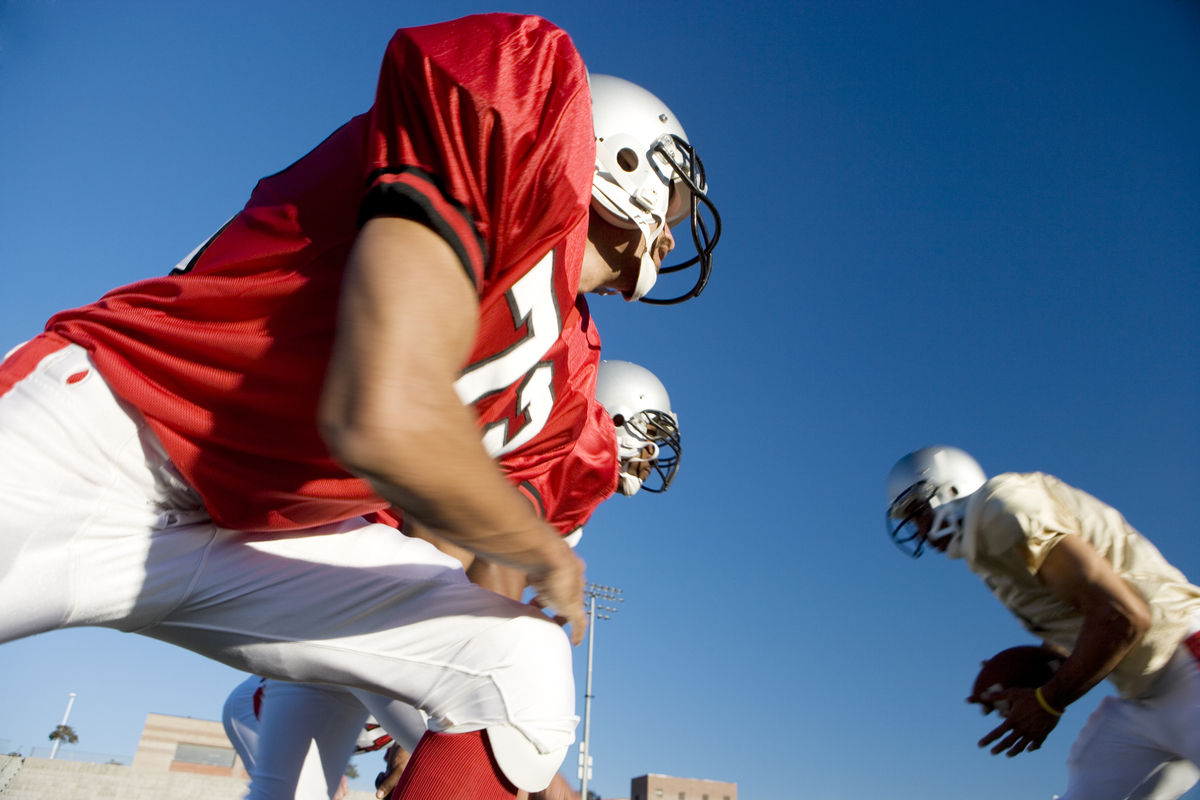
California actually led the charge that flipped the script on college sports. Before the California Fair Pay to Play Act impact took hold, a Spartan athlete accepting free tacos for an Instagram post could lose their scholarship. The new rules clarify a crucial distinction: San Jose State University still cannot pay athletes a salary to play sports. Instead, the legislation simply allows students to monetize their own identity—their name, their image, and their likeness—just like a graphic design student taking freelance commissions on the side.
Think of these deals as the modern equivalent of a traditional after-school job. Under the current Spartan Athletics name image likeness policy, a quarterback acts as an independent contractor signing third-party contracts with local businesses. If a student-athlete promotes a coffee shop on The Alameda or appears at a car dealership on Stevens Creek Boulevard, they are trading a specific marketing service for payment. The university focuses on academics and coaching, while private businesses handle the financial transactions based on the marketing value the athlete brings.
Geography gives our athletes a massive advantage compared to schools in remote college towns. The sheer density of NIL opportunities in San Jose—from tech startups to legacy family restaurants—creates a fertile marketplace for these student entrepreneurs. However, connecting hundreds of busy athletes with thousands of potential business partners creates logistical chaos without a central engine to drive the process.
The Power of the Pack: Why ‘One Spartan Nation’ Is the Engine Behind Athlete Success
While individual endorsements are exciting, relying solely on them creates instability for a roster. Enter the One Spartan Nation collective, an organization designed to streamline support for SJSU athletics. Think of a collective not as a bank, but as a community potluck; it pools resources from thousands of fans, alumni, and businesses to create structured, reliable opportunities for the team. Instead of every athlete needing to hunt for their own sponsor, this central hub gathers funds to facilitate deals for the players, ensuring support is distributed effectively across the program.
Staying competitive in the Mountain West Conference now requires more than just good coaching; it requires the resources to keep talent in San Jose. In the age of the Transfer Portal—a digital database where players can declare they want to switch schools—athletes often leave for programs offering better financial security. Comparing NIL collectives vs brand deals reveals a stark reality: brand deals are sporadic bonuses, but strong collective funding provides the reliable income that convinces star players to stay and build a legacy here rather than transferring to a rival.
You don’t need to be a corporate CEO to fuel this engine. Mountain West Conference NIL rules allow for broad participation, meaning the “curious local” is just as vital as the big donor. Supporters typically engage through three main avenues:
- Monthly Memberships: Recurring contributions that often grant exclusive access to player meet-and-greets.
- One-Time Gifts: Direct donations used to fund specific team needs or retain key players.
- Corporate Matching: Utilizing employer donation matching programs to double the impact of personal gifts.
By pooling these resources, One Spartan Nation ensures that San Jose State remains a destination for top talent rather than just a stepping stone. However, for local shop owners and service providers, simply donating is only half the story; there is also a direct way to turn athlete fame into foot traffic for your storefront.
Your Business on the Map: Leveraging the ‘Spartan Athlete Marketplace’ for Local Growth
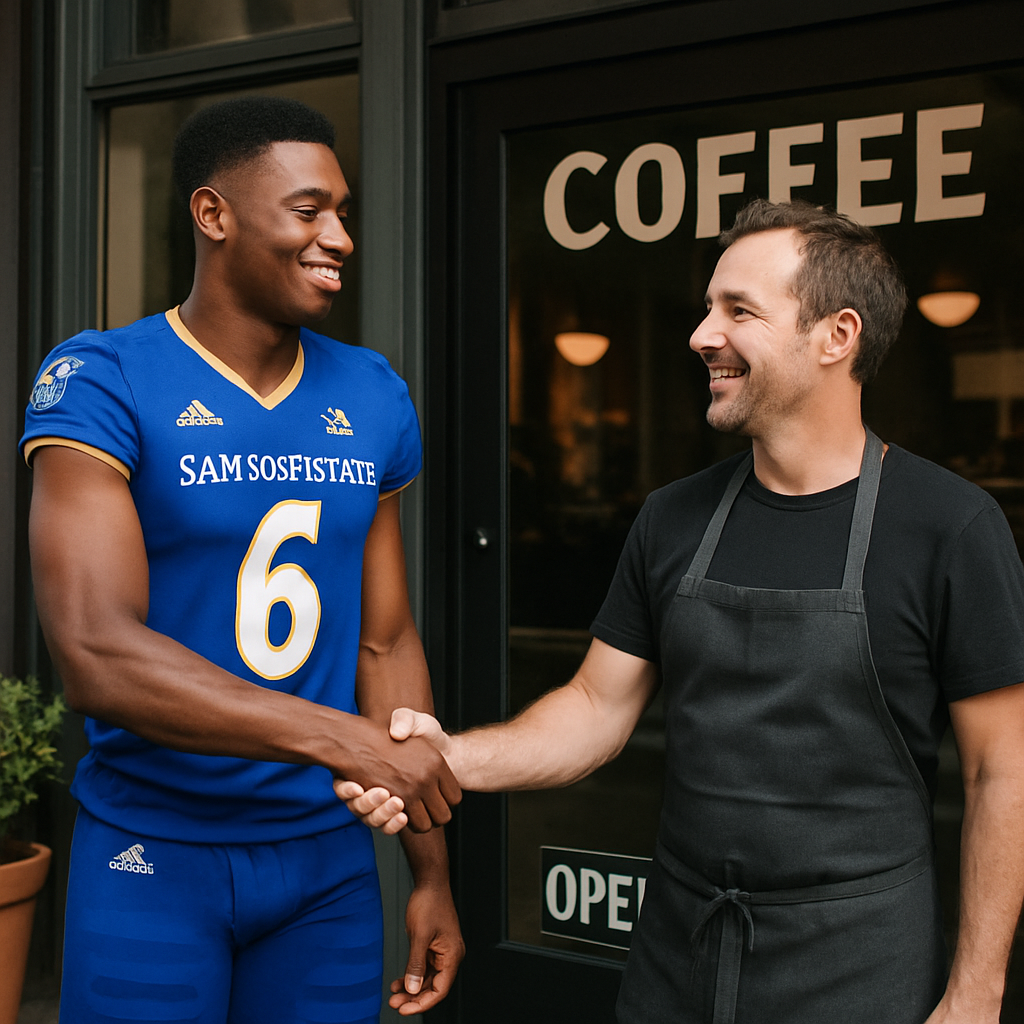
While the San Francisco 49ers or Sharks might feel out of reach for a neighborhood bakery, San Jose State athletes offer a powerful alternative for hyper-local marketing. These students live in your community and possess loyal followings that trust their recommendations. Unlike distant professional stars, Spartan athletes provide authentic connections to the South Bay area, making the benefits of local business athlete endorsements both affordable and effective for driving actual foot traffic to your storefront.
Learning how to sponsor Spartan athletes is no longer a guessing game thanks to the Gold Level Sports partnership , which powers the university’s official exchange. This digital portal acts as a streamlined Spartan athlete marketplace for brands, allowing you to browse student profiles and propose deals directly online. Whether you need a quarterback to sign autographs at a grand opening or a gymnast to post about your coffee shop on Instagram, the platform handles communication and payment securely, removing the friction of negotiating directly with a student.
Investing in a “local celebrity” social media takeover often yields better returns than generic ads because the engagement comes from a devoted, local fan base. Yet, before you send that first offer, you must understand the market’s specific guardrails. Just as you follow speed limits on the highway, you need to navigate the compliance regulations that ensure these commercial deals don’t accidentally jeopardize a player’s NCAA eligibility.
Staying Within the Lines: The Rules That Keep Spartan NIL Deals Legal and Fair
Unlike a scholarship, a Name, Image, and Likeness deal requires actual work. This concept, known legally as quid pro quo or “something for something,” means a business cannot simply write a check to a quarterback just for being on the roster. The athlete must provide a tangible service, such as signing autographs or appearing in advertisements, to satisfy the legal requirements for student-athlete contracts. This distinction ensures the arrangement is a legitimate business transaction rather than a salary for playing sports.
The SJSU compliance office acts as a crucial checkpoint, vetting disclosed deals to ensure compensation reflects fair market value rather than a hidden recruiting bribe. This system protects player eligibility while the university provides student-athlete financial literacy workshops to help young adults manage their new income and taxes responsibly.
Even with this freedom, there are strict red lines that every fan and sponsor must respect to maintain NCAA NIL compliance for athletes:
- No Pay-for-Play: Payments cannot depend on performance stats like scoring touchdowns or goals.
- No Recruiting Inducements: You cannot offer a deal to convince a high schooler or transfer student to pick SJSU.
- No Prohibited Industries: Athletes are generally barred from promoting gambling, tobacco, or adult entertainment.
Fueling the Blue and Gold: Your Action Plan for Supporting the Next Generation
The Spartan Athletics name image likeness policy shifts your role from a passive spectator to an active participant in the team’s success. You now see how San Jose state nil deals serve as a vital mechanism for keeping top talent in the South Bay while driving local commerce. Whether fueled by a neighborhood coffee shop or Silicon Valley tech company athlete endorsements, these partnerships ensure SJSU remains a powerhouse in the Mountain West conference.
Your next step is simple but impactful. Visit the Spartan NIL marketplace, support the collective, or simply engage with athletes on social media to boost their brand value. Every interaction strengthens the bond between the university and the city, proving that Spartan success is now powered by the community you help build.
Q&A
Question: What exactly are NIL deals at SJSU, and how are they different from a university salary?
Short answer: NIL deals let San Jose State athletes earn money from their name, image, and likeness through third-party contracts—much like freelancers—rather than being paid by the university to play. Under California law and SJSU policy, athletes act as independent contractors who provide specific marketing services (e.g., social posts, appearances, autograph signings) in exchange for payment. The university still cannot pay athletes a salary; it focuses on academics and coaching while private businesses handle the commercial transactions.
Question: How does NIL function like a modern “after-school job” for Spartans?
Short answer: Athletes trade real services for compensation, similar to students doing side gigs. A quarterback promoting a local coffee shop or appearing at a dealership gets paid for a defined deliverable, helping cover real-life costs in the Bay Area. This creates hands-on experience in branding and the local economy, turning athletic performance into marketable assets without compromising eligibility.
Question: What is the One Spartan Nation collective, and why is it so important
? Short answer: One Spartan Nation is a community-funded collective that pools support from fans, alumni, and businesses to create structured, reliable opportunities for athletes. Unlike sporadic brand deals, collective funding offers more stability, which is crucial for retaining talent in the Transfer Portal era. Anyone can help via monthly memberships, one-time gifts, or corporate matching—making broad participation possible and keeping SJSU competitive in the Mountain West.
Question: I run a local business—how do I sponsor a Spartan athlete?
Short answer: Use the Gold Level Sports–powered official exchange, SJSU’s digital marketplace. There you can browse athlete profiles, propose deals, and handle communication and payment securely online. Whether you want an in-person appearance or a targeted social media post, this platform streamlines the process and delivers authentic, hyper-local marketing tied to trusted student-athlete voices.
Question: What rules and compliance guardrails do NIL deals have to follow?
Short answer: Every deal must be quid pro quo (real work for payment) and reflect fair market value. Prohibited practices include pay-for-play (tying pay to on-field performance) and recruiting inducements (offers to influence a prospect’s or transfer’s school choice). Certain industries—like gambling, tobacco, and adult entertainment—are off-limits. SJSU’s compliance office reviews disclosed deals to protect eligibility, and the university offers financial literacy workshops to help athletes manage income and taxes responsibly.



Leave a Comment