
You have likely seen the headlines about college quarterbacks driving luxury cars or signing million-dollar endorsements. Yet, away from the television cameras, a quieter but equally important shift is happening in local gymnasiums and Division II stadiums. The reality is that Name, Image, and Likeness (NIL) isn’t just for future pros; it is a tool for any student-athlete to exercise their “Right to Earn.”
Instead of relying on a single wealthy donor, smaller programs are turning to NIL crowdfunding for mid-major athletes. This approach operates like a digital booster club, where the collective power of many fans contributes small amounts to support the team.
In practice, these contributions have a tangible impact on athlete retention. For a student at a smaller school, an extra $500 a month often covers essential costs like rent or textbooks, removing the financial pressure to transfer or quit.
Communities are discovering that they hold the key to keeping local talent close to home. Your micro-donation creates a sustainable future for the sports programs that define your town.
Summary
Small programs can harness fan-funded NIL through micro-deals and community-led collectives to provide steady, meaningful support that keeps athletes local. Use compliant digital platforms and structure every payment as quid pro quo work—such as social posts, clinics, and appearances—to satisfy regulations. Blend recurring subscriptions with project-based campaigns and invite local businesses to participate via matching gifts, sponsored events, and influencer arrangements. Follow NCAA guardrails (no pay-to-play, no inducements, verified work) and apply the step-by-step plan to launch a sustainable, compliant program.
Beyond the Headlines: Defining NIL Value for Athletes Who Aren’t Five-Star Recruits
Most people assume NIL is strictly for quarterbacks appearing on national television, but value looks very different in a small college town. In this context, “Fair Market Value” isn’t about millions; it is simply a measure of what a local athlete’s time and reputation are worth to their specific neighbors. If a Division 2 volleyball player can bring twenty families to a diner on a slow Tuesday night just by showing up, that influence has a concrete price tag, even if it isn’t six figures.
Instead of massive endorsement contracts, small-program fan-funding solutions often rely on “micro-deals.” These are smaller, manageable exchanges—perhaps $50 for a social media post or $100 to run a youth soccer drill at the park. Crucially, this isn’t a handout; it’s a job. To keep everything above board, the athlete must provide a service in exchange for the payment, ensuring the money is for work performed rather than a “pay-to-play” bribe disguised as charity.
Can D2 athletes benefit from fan funding? Absolutely, because these small interactions build specific community ties that big commercial deals often lack. When a softball pitcher teaches a kid how to throw a curveball, she earns money while the community gains a mentor. This grassroots approach creates a foundation for success, but it works best when neighbors pool their resources to amplify their support.
The Power of the Collective: Turning 100 Local Fans into a Professional Support System
While a single micro-deal helps, consistent support changes lives. This is where “collectives” come in. Think of a collective not as a mysterious corporate boardroom, but as a digital version of a community booster club. Instead of waiting for one wealthy donor to write a massive check, fan-driven NIL collectives for small colleges pool resources from everyday neighbors to create a steady income stream for the team.
The financial impact of this crowd-sourced model is surprisingly potent. You do not need millionaires to move the needle; you simply need volume. If 200 local fans commit to a subscription of just $20 a month—roughly the cost of a few coffees—that generates $48,000 annually. That fund is enough to provide meaningful monthly stipends to an entire starting lineup, transforming specific financial stress into stability for the athletes.
Starting a student-athlete collective at a small college requires more than just enthusiasm; it needs a structure to ensure longevity and safety. A functioning group relies on four essential pillars:
- The Organizer: Someone to rally the community and keep the mission on track.
- The Compliance Lead: A detail-oriented person to ensure every payment follows NCAA and state rules.
- The Business Liaison: The bridge connecting athletes with local service opportunities.
- The Fan Base: The engine providing consistent, recurring support.
Once the team is assembled and the funds are ready, the practical challenge shifts to logistics. Collecting cash in envelopes is no longer an option in this regulated environment. You need a reliable digital system to manage these contributions, necessitating a critical choice between subscription services and one-time donation tools.
Choosing Your Tech: Subscription-Based vs. One-Time Micro-Donation Platforms
Managing hundreds of small contributions manually creates a logistical nightmare and risks violating NCAA rules regarding financial tracking. Fortunately, specialized micro-donation platforms for college athletes have emerged to handle the heavy lifting. These apps act like a digital middleman, ensuring every dollar is recorded and that the athlete properly acknowledges the payment to remain eligible to play. Instead of hiring a compliance officer, small community groups can rely on these tools to automate the necessary paperwork for a small transaction fee.
Most platforms offer two distinct ways to structure this support, depending on your group’s goals:
- Subscription Models: Best for long-term stability. Fans pay a recurring monthly fee (e.g., $10/month) to access exclusive content, creating a predictable income stream for athletes.
- Project-Based Models: Ideal for specific events. Fans chip in one-time amounts to fund a specific goal, such as a charity appearance or a summer camp hosting fee.
Once you select a platform, the focus shifts to the “exchange” requirement of NIL laws. Automated compliance for small-scale NIL deals is only half the battle; the system still requires the athlete to perform a service in exchange for the funding to avoid being classified as a prohibited “pay-to-play” bribe. To satisfy these regulations without overwhelming a busy student’s schedule, you need to define clear, simple tasks that turn fan contributions into valid business transactions.
The Local Exchange: Real-World Tasks That Turn Fan Contributions into Valid NIL Deals
Sending a check directly to a quarterback without asking for anything in return is a compliance violation, not a donation. This fundamental rule of NIL is often called quid pro quo, a Latin phrase meaning “something for something,” which simply ensures that payments are for legitimate work rather than just a reward for being on the roster. When building a fan-funded NIL strategy from scratch, the goal is to create tasks that satisfy this legal requirement without burdening the student-athlete’s academic or training schedule.
Digital content offers the most efficient path for satisfying these work requirements. A simple “Thank You” video posted to an exclusive donor group or a birthday shoutout on Instagram serves as a valid deliverable that takes only minutes to create. These small digital interactions provide tangible value to fans who crave connection while creating a paper trail that proves the athlete earned their income through creative funding methods.
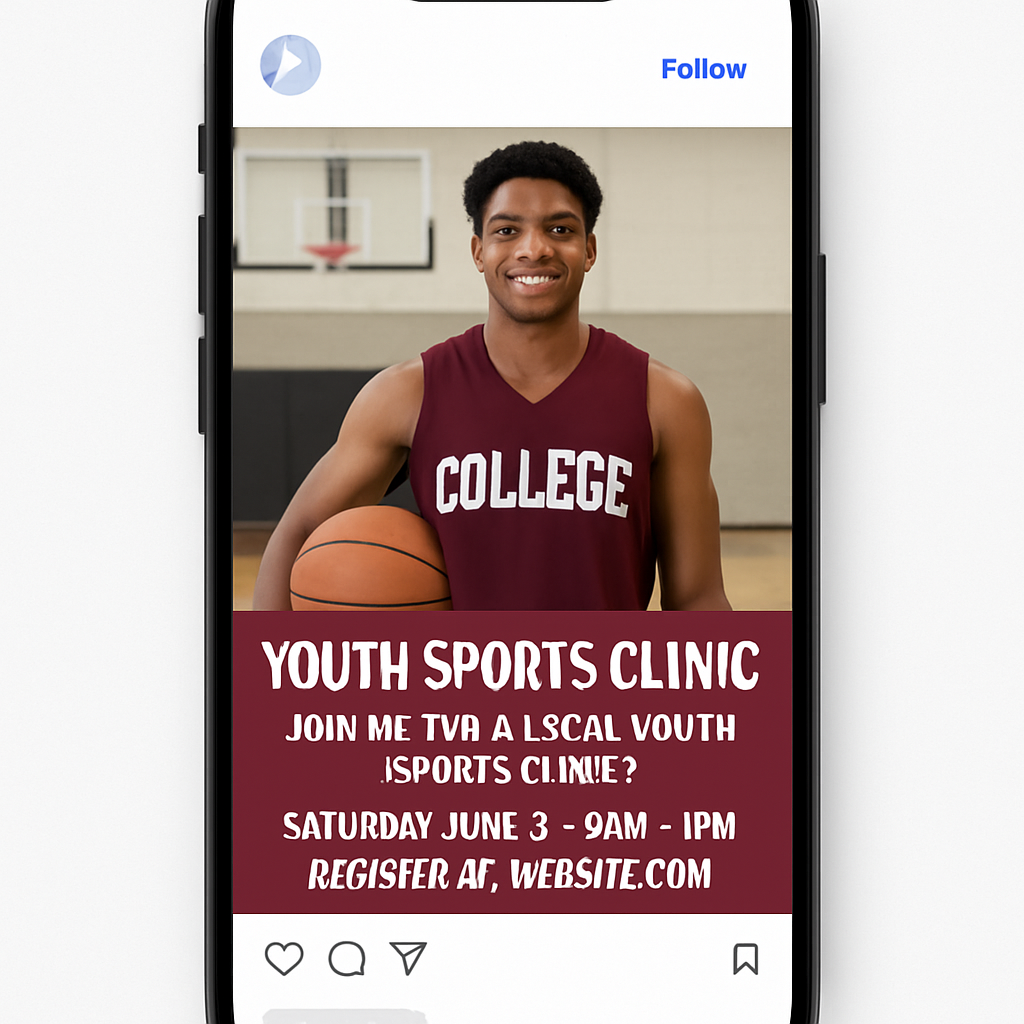
Beyond the screen, local engagements turn financial support into community growth. Athletes might host a Saturday morning passing clinic for local middle schoolers or spend an hour signing autographs at a town festival. These in-person appearances transform a simple transaction into a memorable community event, ensuring the “work” performed benefits the neighborhood as much as the paycheck benefits the student.
Establishing these clear exchanges creates a foundation of trust that extends beyond individual fans. Once a system is in place where value is traded for support, local shops and restaurants often see an opportunity to join the team.
Main Street Partnerships: How Small Businesses Win with D3 NIL Deals
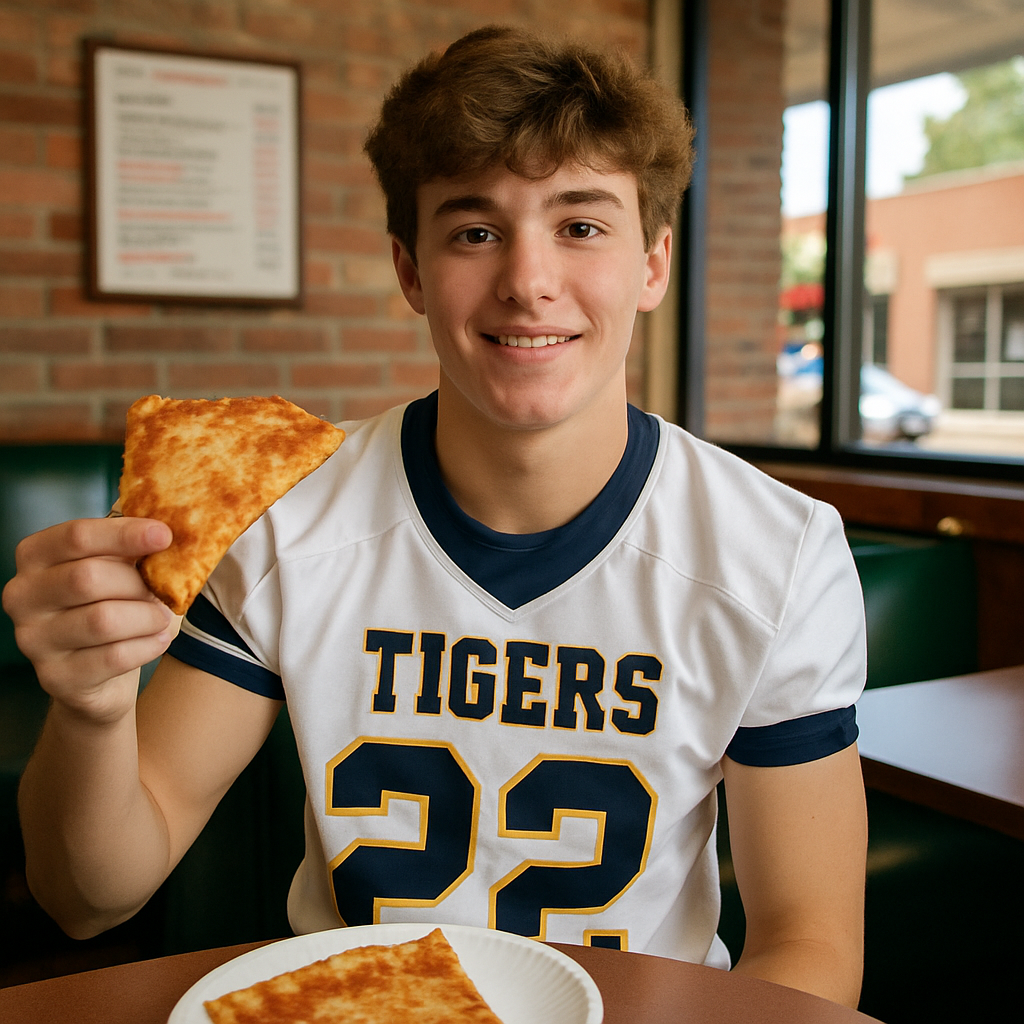
While individual fans provide the spark, local businesses often provide the fuel to keep a community NIL program running. Small shops rely heavily on local reputation—exactly what a popular student-athlete offers. Instead of buying generic billboards, a hometown hardware store or pizza place can partner with a fan collective to get authentic promotion directly from the players the community already loves.
Integrating commerce into a fan-led effort requires a clear plan rather than complex contracts. Successful small-town collectives typically offer three simple entry points for local owners:
- The ‘Matching’ Gift: A business pledges to match the next $500 raised by fans, doubling the financial impact while earning goodwill.
- The Sponsored Appearance: A shop pays for athletes to sign autographs at their location on a busy Saturday.
- The Resident Influencer: A semester-long agreement where an athlete posts about the business monthly in exchange for a stipend.
These partnerships differ significantly from standard donations because they are valid business transactions. When a company pays for advertising—like a social media post or an appearance—that cost is generally categorized as a deductible marketing expense rather than a charitable gift. This distinction allows owners to support the team using their existing advertising budget, ensuring they see a real return on investment through increased foot traffic.
As money flows from both fans and businesses into the hands of student-athletes, specific rules must be followed to keep everyone eligible. Keeping these financial ecosystems safe requires understanding the regulations designed to protect the sport.
Staying Legal: Navigating NCAA Guardrails Without a Law Degree
The biggest fear for any supporter is accidentally causing an eligibility issue for the team they love. Fortunately, navigating NCAA compliance for booster-led NIL boils down to a simple distinction: paying for work versus paying for enrollment. To help overcome NIL funding gaps in non-Power 5 schools safely, money must always be exchanged for a specific service—like a social media post or appearance—rather than acting as a bribe for talent.
Keeping your community collective on the right side of the regulations requires adhering to three straightforward principles known as the “Golden Rules” of compliance:
- No Pay-to-Play: Compensation cannot be tied to specific stats, winning games, or simply remaining on the roster.
- No Recruitment Inducements: You cannot promise NIL deals to convince a high school recruit or transfer student to sign with your university.
- Verified Work: The athlete must perform a legitimate task, and the payment must be for that work, not for their athletic ability.
Transparency serves as your best defense against violations. Most universities have a compliance office eager to guide fan groups on structuring deals correctly, ensuring no lines are crossed. By treating these interactions as honest business arrangements rather than under-the-table handouts, you protect the players while supporting them. With these safety guidelines understood, you are ready to organize your community’s passion into a functional system.
Launching Your Program: A Step-by-Step Action Plan to Fund Your Local Team’s Future
View the changing landscape of college sports not as a threat to your local program, but as an opportunity. The power to retain talent and build community pride has shifted from exclusive wealthy boosters to the everyday fan on Main Street, giving you a direct role in your team’s success.
Ready to turn that enthusiasm into tangible support? Here is a simple roadmap for building a fan-funded NIL strategy from scratch:
- Identify the specific needs of your local team or athlete.
- Platform selection: Choose a user-friendly, compliant app or site.
- Partner with local business owners to widen your reach.
- Launch the initiative with a clear, community-focused kickoff.
- Comply by ensuring athletes always provide real value or content in exchange for funds.
Scaling fan engagement for local NIL initiatives ultimately relies on consistency, not just cash. Whether you are a parent or a longtime season ticket holder, your involvement ensures that your favorite program thrives in this new era. Take that first step today—because a small community standing together creates an impact far greater than any single check.
Learn More About the NIL Landscape
Name, Image, and Likeness plays an increasing role in college sports, and understanding how it works often requires more than individual articles or news updates.
RallyFuel is a platform focused on NIL-related topics across college athletics. It brings together information about athletes, NIL activity, and the broader structure behind modern college sports, helping readers explore the topic in more depth.
👉 Explore the Athletes on RallyFuel – Discover top college athletes, compare NIL valuations, and dive deeper into the world of NIL.
Q&A
Question: Is NIL only for star athletes? How is “fair market value” defined at small schools?
Short answer: No. At smaller programs, fair market value is what an athlete’s time and local reputation are worth to their community. Micro-deals—like $50 for a social post or $100 to run a youth drill—reflect realistic, local demand. For many D2/D3 athletes, modest, steady income (even around $500/month) can cover essentials and reduce pressure to transfer or quit.
Question: How does a fan-led collective work, and what structure does it need?
Short answer: A collective is a digital booster club that pools small contributions from many fans into steady support. Volume matters: 200 fans at $20/month equals $48,000 annually—enough to meaningfully help a roster. Build around four roles: Organizer, Compliance Lead, Business Liaison, and the Fan Base. Handle funds through a compliant digital platform (not cash) and invite local businesses to amplify impact via matching gifts, sponsored appearances, and influencer-style arrangements.
Question: Which tech model should we choose—subscriptions or one-time campaigns, and how do we keep deals compliant?
Short answer: Use subscription models for predictable monthly income (e.g., $10/month for exclusive content) and project-based campaigns for specific goals (e.g., funding a clinic or event). Choose platforms that automate tracking and acknowledgments to protect eligibility. Always pair funding with clear deliverables—digital content (thank-you videos, shoutouts) or in-person engagements (clinics, autograph sessions)—so each payment is legitimate quid pro quo work.
Question: How can local businesses participate, and what do they gain?
Short answer: Offer three simple on-ramps: match fan donations (e.g., next $500), sponsor athlete appearances, or set up a “resident influencer” deal with monthly posts. These are business transactions, not donations—typically treated as deductible marketing expenses—so owners can support athletes from existing ad budgets and see a return through authentic, local promotion and increased foot traffic.
Question: What rules must we follow to stay within NCAA guardrails?
Short answer: Stick to the “Golden Rules”:
- No pay-to-play—never tie compensation to stats, wins, or roster status.
- No recruitment inducements—don’t promise deals to sway a recruit or transfer.
- Verified work—pay only for real tasks delivered by the athlete. Maintain transparency, document every exchange via your platform, and loop in the school’s compliance office for guidance. Use the step-by-step plan: identify needs, choose a compliant platform, partner with local businesses, launch publicly, and ensure every payment is for actual work.




Leave a Comment