
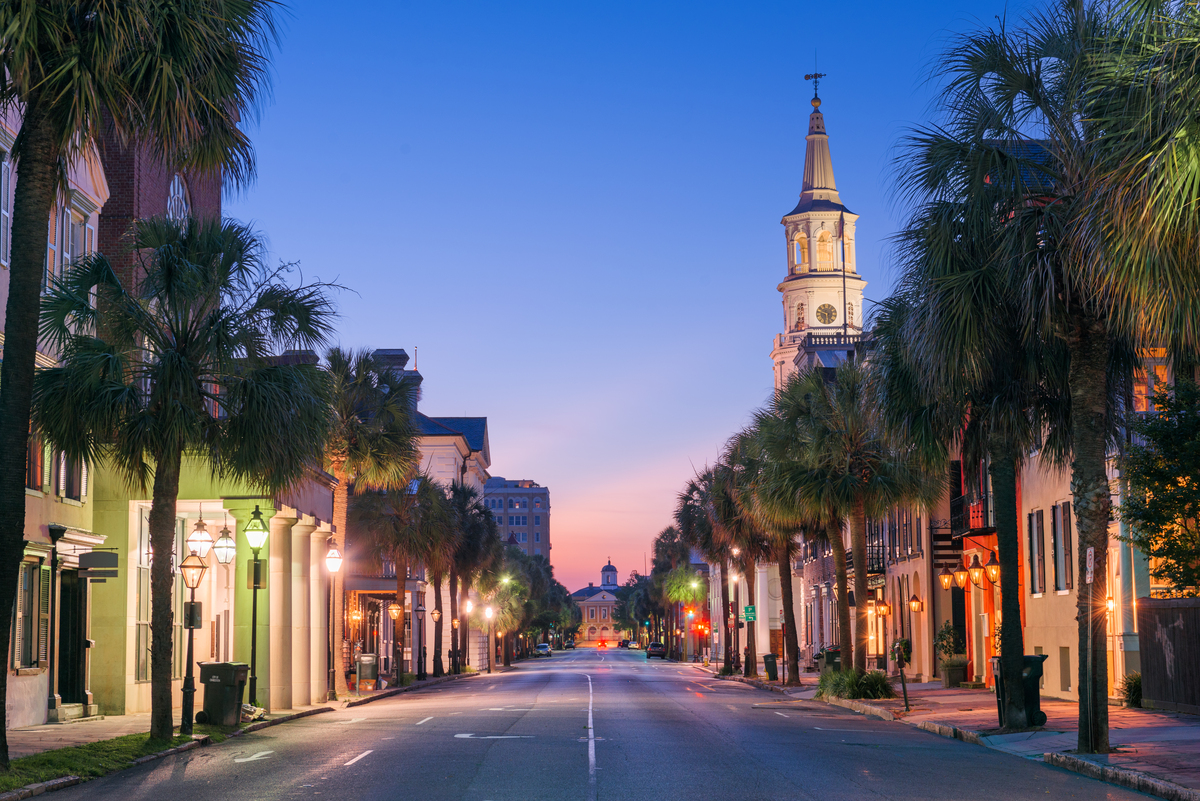
South Carolina has steadily gained recognition as a unique environment for Olympic sports development in the United States. With its extensive coastline, mild climate, and growing network of universities, the state offers a distinctive blend of coastal training conditions and collegiate programs that support high-performance athletes.
From endurance-based Olympic sports to technical disciplines, South Carolina provides opportunities that extend well beyond traditional athletic pathways.
This article explores how South Carolina Olympic sports benefit from coastal geography, how training programs are structured across the state, and why collegiate environments play a critical role in shaping future elite athletes.
Why South Carolina Is Emerging in Olympic Sports Development
Unlike traditional Olympic sports hubs concentrated in large metropolitan areas, South Carolina offers a quieter but highly strategic setting for athletic growth. The state combines natural resources with institutional support, making it increasingly attractive for Olympic-level preparation.
Key factors include:
- A long Atlantic coastline ideal for outdoor and endurance sports
- Year-round training conditions due to a mild climate
- Expanding collegiate sports infrastructure
- Access to regional and national competitions
These advantages position South Carolina Olympic sports programs as competitive alternatives to more established training regions.
The Role of Coastal Geography in Athletic Training
Natural Training Environments
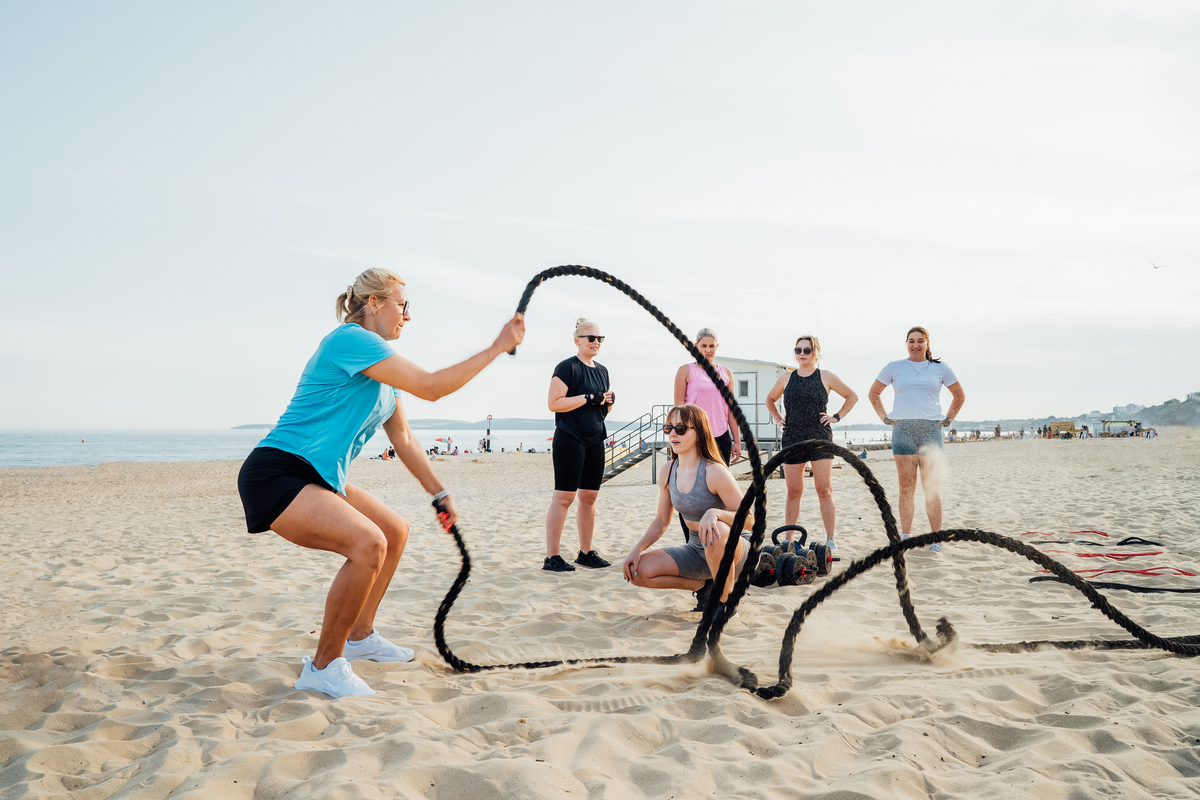
The coastal training landscape of South Carolina is one of its strongest assets. Beaches, waterways, and coastal plains allow athletes to train in natural conditions that closely replicate competition environments for certain Olympic sports.
Coastal environments support:
- Cardiovascular endurance development
- Resistance-based movement training (sand, water, wind)
- Mental resilience through outdoor exposure
- Recovery-focused training in low-impact settings
Athletes benefit from varied terrain that cannot be easily replicated indoors.
Climate Advantages for Olympic Sports
South Carolina’s climate allows for nearly uninterrupted annual training. While northern states face seasonal limitations, athletes in South Carolina can maintain consistent routines across all months.
This is especially valuable for:
- Long-term conditioning cycles
- Outdoor Olympic sports preparation
- Collegiate programs with extended competitive seasons
The result is reduced downtime and improved athlete continuity.
Olympic Sports Commonly Developed in South Carolina
Water and Endurance-Oriented Sports
Thanks to its coastal location, South Carolina supports Olympic sports that rely on endurance, balance, and environmental adaptability. Training often integrates water access, coastal terrain, and outdoor conditioning.
Examples include:
- Rowing and paddling-based disciplines
- Triathlon and endurance training foundations
- Track and field conditioning near coastal areas
While not all sports are coastal by nature, many benefit indirectly from the environment.
Technical and Indoor Olympic Sports
In addition to outdoor disciplines, collegiate programs across South Carolina support indoor and technical Olympic sports. Universities invest in specialized facilities that complement outdoor training.
These programs emphasize:
- Strength and conditioning science
- Skill refinement and repetition
- Injury prevention and recovery protocols
By combining indoor precision with outdoor conditioning, athletes gain a balanced training experience.
Collegiate Programs as the Core of Athlete Development
Structure of Collegiate Training Programs
Collegiate programs in South Carolina serve as the backbone of Olympic sports development. Universities provide structured schedules that align academic responsibilities with high-performance training.
Core elements include:
- Periodized training plans
- Sport-specific coaching staffs
- Performance analytics and monitoring
- Academic support for student-athletes
This structure ensures athletes progress physically while maintaining educational goals.
Integration of Academics and Olympic Sports
South Carolina colleges place strong emphasis on dual development. Athletes are encouraged to pursue degrees that support long-term career stability, whether within or outside sports.
Academic integration often includes:
- Flexible course scheduling
- Tutoring and academic advising
- Career planning services
This approach attracts athletes seeking sustainable Olympic sports pathways.
Coastal Training Facilities and Resources
University-Linked Training Centers
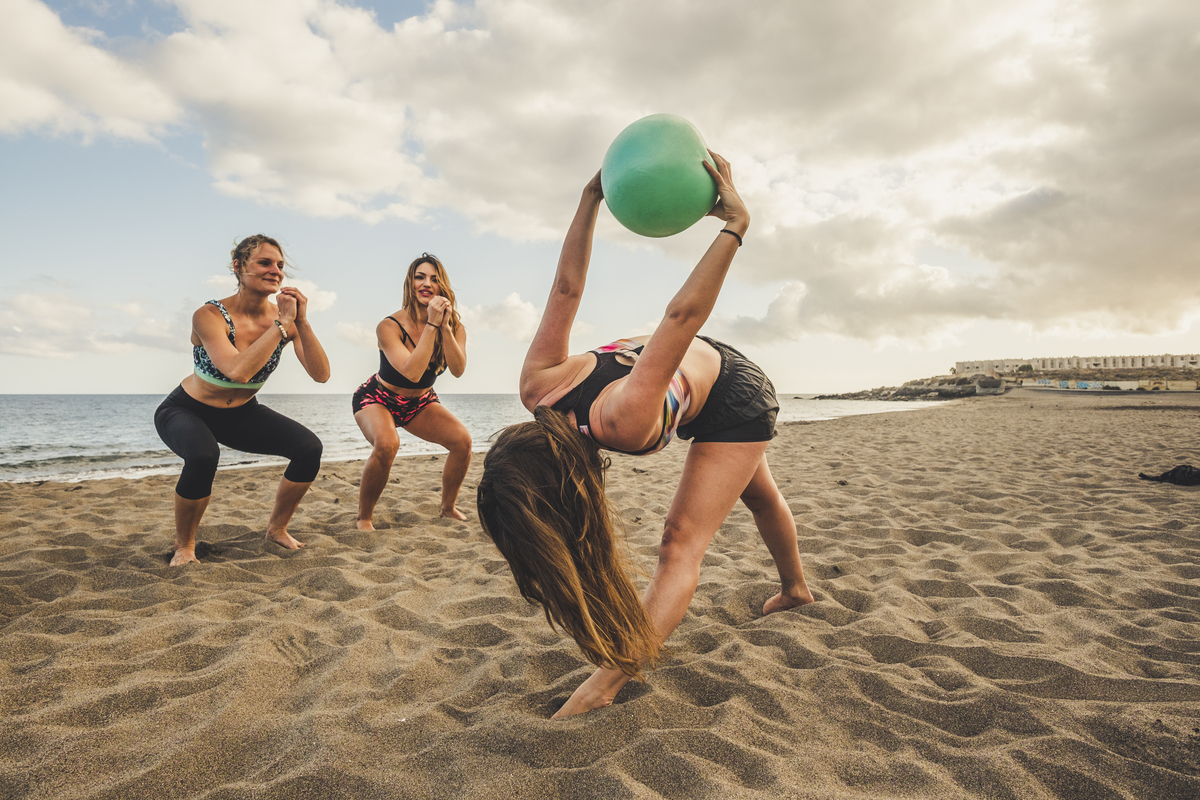
Many South Carolina Olympic sports programs operate in close collaboration with regional training centers. These facilities often sit near coastal zones or are designed to simulate outdoor conditions.
Common features include:
- High-performance gyms
- Recovery and rehabilitation areas
- Outdoor conditioning spaces
- Sport science labs
Access to such facilities enhances both collegiate and elite-level preparation.
Community and Club Partnerships
Beyond universities, South Carolina benefits from strong community involvement. Local clubs and regional training groups often work alongside collegiate programs, expanding athlete development opportunities.
This ecosystem allows:
- Youth-to-college progression
- Shared coaching expertise
- Continuous competition exposure
Such collaboration strengthens the overall Olympic sports pipeline.
Recruitment and Athlete Pathways in South Carolina
How Athletes Enter Collegiate Programs
Recruitment into South Carolina Olympic sports collegiate programs typically begins through club competition, regional events, and national qualifiers. Coaches evaluate both athletic potential and academic readiness.
Key recruitment factors include:
- Performance consistency
- Long-term development potential
- Academic eligibility
- Coachability and discipline
Early engagement increases opportunities for placement and support.
Transition From Collegiate to Elite Competition
South Carolina collegiate programs often act as stepping stones to national and international competition. Athletes can continue competing in elite circuits while enrolled, especially in Olympic sports with overlapping calendars.
This pathway supports:
- National team selection
- Post-collegiate competition
- Coaching and leadership roles
Collegiate programs thus remain central even beyond graduation.
Sports Science and Innovation in Training
Data-Driven Performance Development
Modern training programs in South Carolina increasingly rely on sports science. Universities use performance data to fine-tune athlete development and reduce injury risk.
Common applications include:
- Load monitoring
- Biomechanical analysis
- Recovery optimization
- Nutrition planning
These methods elevate training quality across Olympic sports.
Injury Prevention and Longevity
Coastal training environments also support lower-impact conditioning, which helps reduce overuse injuries. When combined with sports science, athletes gain long-term durability.
This focus is critical for Olympic sports that demand years of consistent preparation.
Life After Collegiate Olympic Sports
Career Opportunities for Athletes
Graduates of South Carolina Olympic sports collegiate programs often pursue careers in:
- Professional athletics or coaching
- Sports performance and rehabilitation
- Education and youth development
- Business and management
The academic foundation provided by collegiate programs ensures flexibility after competition.
Continued Connection to the Olympic Sports Ecosystem
Many former student-athletes remain involved in the South Carolina sports ecosystem as coaches, mentors, or program developers. This continuity strengthens future generations of athletes.
Why South Carolina Is a Strategic Choice for Olympic Sports
South Carolina offers a rare combination of:
- Coastal training advantages
- Structured collegiate programs
- Supportive athletic communities
- Academic and career stability
These factors make the state an increasingly attractive destination for athletes pursuing Olympic sports development in a balanced, long-term environment.
Final Thoughts
South Carolina Olympic sports continue to evolve through the synergy of coastal training and collegiate programs. Athletes benefit from natural environments, scientific training methods, and academic integration that supports both performance and personal growth.
For those seeking an alternative to traditional Olympic sports hubs, South Carolina provides a compelling model—one where environment, education, and elite sport align to create sustainable athletic success.
Learn More About the NIL Landscape
Name, Image, and Likeness plays an increasing role in college sports, and understanding how it works often requires more than individual articles or news updates.
RallyFuel is a platform focused on NIL-related topics across college athletics. It brings together information about athletes, NIL activity, and the broader structure behind modern college sports, helping readers explore the topic in more depth.
👉 Explore the Athletes on RallyFuel – Discover top college athletes, compare NIL valuations, and dive deeper into the world of NIL.
FAQ
How does coastal training impact Olympic athlete performance?
Coastal training introduces natural resistance, variable terrain, and environmental factors that improve endurance, balance, and adaptability, which are valuable across many Olympic sports.
Are South Carolina collegiate programs suitable for elite-level athletes?
Yes. Many collegiate programs are designed to support athletes competing at national or international levels while maintaining academic progress.
Do South Carolina Olympic sports programs focus only on outdoor disciplines?
No. While coastal conditions enhance outdoor training, many programs combine indoor technical preparation with outdoor conditioning for a complete training model.
Can student-athletes train year-round in South Carolina?
South Carolina’s climate allows near year-round training, reducing seasonal interruptions common in colder regions.
Is South Carolina a good option for long-term athlete development?
Yes. The state’s mix of collegiate structure, coastal training environments, and community support makes it well-suited for long-term Olympic sports pathways.



Leave a Comment