
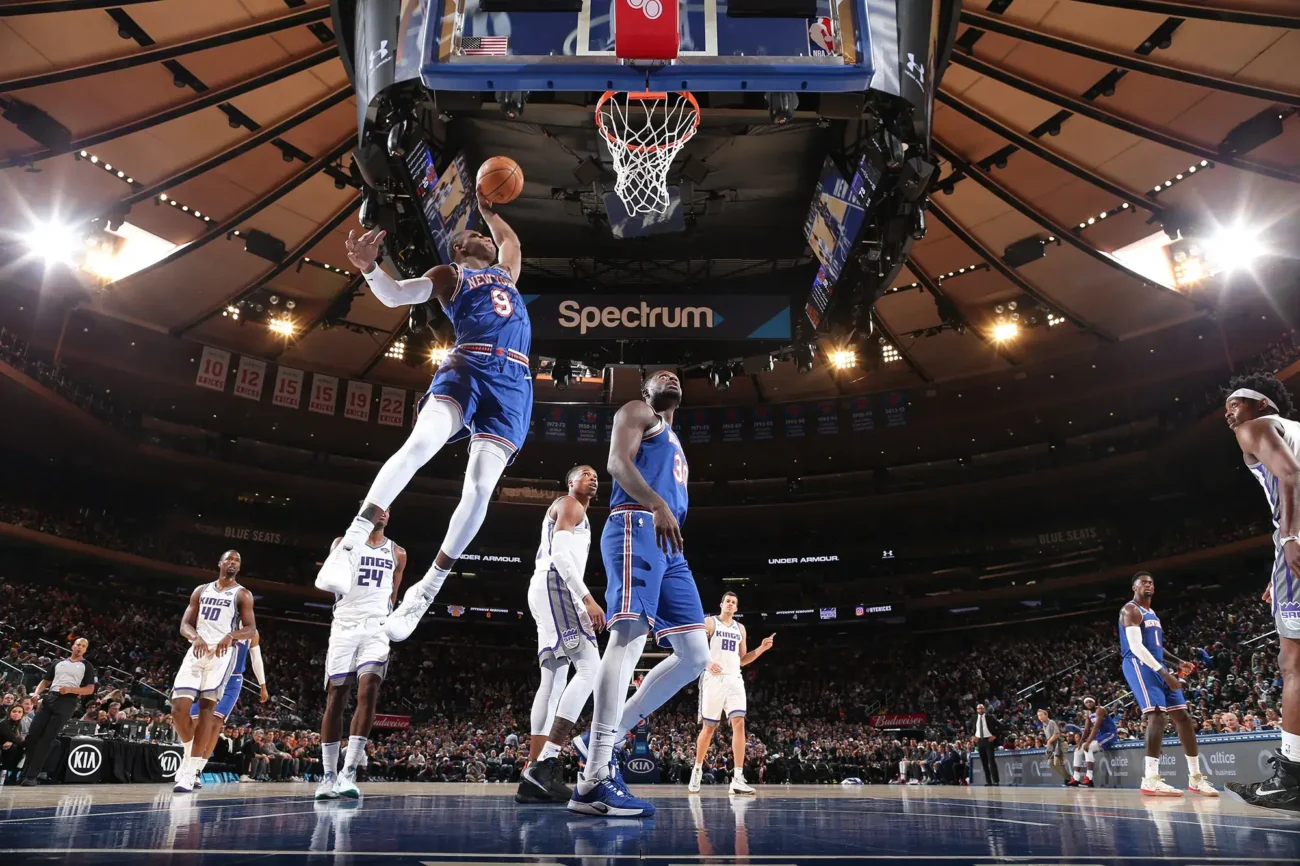
For decades, a St. John’s jersey was a symbol of amateur pride, but today, it acts as a business platform in New York City. The Red Storm isn’t just recruiting players; they are building brands. This change comes from NIL—Name, Image, and Likeness—which allows athletes to function like social media influencers, monetizing their St. John’s NIL fame through local sponsorships rather than backroom handshakes.
While the court remains the same, the economics have shifted. Industry experts suggest the massive NYC market makes St. John’s University NIL deals uniquely lucrative compared to smaller college towns. By embracing student-athlete branding, the program transforms the roster into a collection of small businesses, ensuring players are compensated for their value to the Big East.
Summary
St. John’s is leveraging NIL to turn its athletes into marketable brands, with the NYC media market providing unmatched exposure and sponsorship opportunities. An independent collective, primarily known as Storm Marketing, structures compliant, work-for-value deals—spanning community service, content creation, and social media promotion. Rick Pitino’s credibility amplifies donor confidence and boosts transfer-portal recruiting, where competitive NIL packages often prove decisive. Strict compliance and financial literacy programs protect athletes, while community participation fuels the program’s long-term success.
What is the Red Storm NIL Collective and How Does It Fuel Team Success?
While St. John’s University provides scholarships, coaching, and facilities, the school itself cannot cut a paycheck to athletes for endorsements. This is where the “collective” steps in. Think of a collective as an independent organization separate from the athletic department—essentially a sophisticated fan club with a business license. For St. John’s, this engine is primarily known as Storm Marketing. It pools contributions from wealthy boosters, alumni, and passionate local fans to create paid opportunities for athletes, ensuring the team stays competitive in the recruiting landscape without breaking NCAA rules.
Money doesn’t just appear in a player’s bank account for existing, however; there must be a “fair exchange” of services. Under the umbrella of Storm Marketing NIL initiatives, athletes are treated like independent contractors rather than employees. This distinction is crucial because it keeps the process legal and often utilizes specific tax statuses, like 501(c)(3) designations for charity work, to benefit both the donor and the athlete. The collective acts as the bridge, matching the pooled funds with players willing to perform work.
So, what is the Red Storm collective called upon to do specifically? They generally structure deals around three main activities that provide value back to the community and the donors:
- Community Service: Players hosting basketball clinics for youth in Queens or visiting local hospitals.
- Content Creation: Filming promotional videos, interviews, or shout-outs for donors.
- Social Media Promotion: Posting branded content to their personal Instagram or TikTok accounts to increase visibility.
This infrastructure is vital, but the location amplifies the potential.
Why the NYC Media Market Gives St. John’s Players a Million-Dollar Edge
Location drives real estate values, and that same rule now dominates college sports. While a star player at a university in a rural town might compete for a deal from the only car dealership in the county, a St. John’s athlete sits at the center of the world’s media capital. This NYC media market advantage for college athletes means the ceiling for exposure is virtually nonexistent. Being minutes away from Madison Square Garden and major corporate headquarters offers access that a typical college campus simply cannot manufacture.
The benefit extends beyond Wall Street corporations to the vibrant neighborhoods of Queens. Consider a popular bagel shop on Union Turnpike or a pizzeria near campus; these local business sponsorships for Queens university athletes are now actionable marketing strategies. A business owner can pay a Red Storm guard to sign autographs or post a review on Instagram, driving foot traffic for the shop while putting cash in the player’s pocket.
Visibility in this market amplifies a player’s brand faster than anywhere else in the Big East. One good game at “The Mecca” can turn a collegiate athlete into a household name overnight, attracting national sponsors who crave the New York spotlight. However, a great location still needs a magnet to attract the talent to utilize it.
How the ‘Rick Pitino Effect’ is Supercharging NIL Recruiting in Queens
While the New York market sets the stage, Head Coach Rick Pitino provides the credibility that unlocks the wallet. Modern donors view contributions to a “collective”—the independent fund used to pay athletes—like a business investment where the expected return is victory. The Rick Pitino impact on Red Storm NIL resonates because his Hall of Fame resume assures boosters that their capital is fueling a contender, not a gamble. When the fanbase believes the team can win in March, the pool of available funds for player partnerships grows exponentially.
This financial momentum directly changes how NIL affects St. John’s basketball recruiting, specifically regarding the Transfer Portal. Similar to professional free agency, the portal allows the coaching staff to recruit experienced veterans who prioritize both development and earning potential. Pitino’s pedigree gets St. John’s in the door with top talent, but competitive NIL offers are often the deciding factor in signing a seasoned scorer over a rival school. Yet, managing these high-stakes deals requires strict adherence to NCAA policy.

Staying Within the Lines: How St. John’s Navigates NIL Rules and Financial Literacy
The Big East isn’t the Wild West; strict boundaries still protect the integrity of the game. Administrators work tirelessly to ensure NIL compliance rules for Big East student-athletes are followed, ensuring that payments are legitimate business transactions rather than illegal bribes. Think of these regulations as the “traffic rules” for this new economy:
- No Pay-for-Play: Athletes cannot be paid specifically for scoring points or winning games.
- Work Requirement: There must be actual service performed, like an autograph session or social media post.
- No Direct Payments: The university cannot pay players directly; funds must come from third parties.
- No Inducements: Money cannot be promised strictly to secure a recruit’s commitment.
Beyond the rulebook, the biggest challenge for a 19-year-old making real money is often the IRS. Financial literacy programs for Red Storm players have become as essential as strength training, teaching athletes that a $10,000 check isn’t $10,000 in spending money. St. John’s brings in experts to explain tax brackets and budget management, ensuring that today’s windfalls don’t become tomorrow’s liabilities. This holistic approach prepares athletes for life after the buzzer sounds.
Your Playbook for the Future: How NIL is Rebuilding the St. John’s Legacy
Understanding the evolution of Name, Image, and Likeness transforms how you watch the game. The question “Are St. John’s basketball players getting paid?” no longer signals scandal, but rather a commitment to remaining elite in the Big East. This financial ecosystem allows the university to leverage New York City’s unique market power, turning local business opportunities into recruiting victories that translate directly to performance on the court.
The Red Storm NIL future depends on active community participation. You can now influence the team’s trajectory by contributing to the official collective, visiting businesses that sponsor athletes, or engaging with players’ social media content. These actions do more than support individual students; they strengthen the entire program. As college sports change, your involvement ensures St. John’s doesn’t just adapt to the modern era but thrives in it, keeping the excitement alive in Queens.
Learn More About the NIL Landscape
Name, Image, and Likeness plays an increasing role in college sports, and understanding how it works often requires more than individual articles or news updates.
RallyFuel is a platform focused on NIL-related topics across college athletics. It brings together information about athletes, NIL activity, and the broader structure behind modern college sports, helping readers explore the topic in more depth.
Q&A
Question: What is NIL and how is it changing St. John’s athletics? Short answer: NIL—Name, Image, and Likeness—lets student-athletes earn money from endorsements and appearances, much like influencers. At St. John’s, this shift turns the roster into a set of individual brands. Leveraging New York City’s exposure, athletes monetize through local sponsorships, community events, and social media, getting compensated for the value they bring without violating pay-for-play rules.
Question: What is the Red Storm NIL collective and how does it work? Short answer: The primary collective is known as Storm Marketing—an independent, donor-funded organization separate from the athletic department. It pools money from boosters, alumni, and fans to create compliant, work-for-value opportunities. Athletes operate as independent contractors, often engaging in community service, content creation, and social media promotion. Some initiatives use 501(c)(3) structures for charitable work, benefiting donors and athletes while keeping transactions legal and compliant.
Question: Why does the NYC media market give St. John’s players an edge? Short answer: New York offers unmatched visibility and access. Proximity to Madison Square Garden and major corporate HQs raises the ceiling for exposure and national sponsorships. At the neighborhood level, Queens businesses—like local bagel shops or pizzerias—can sponsor athletes for signings or posts, driving foot traffic and athlete income. One standout performance in the city can rapidly amplify a player’s brand compared to smaller markets.
Question: How is Rick Pitino influencing NIL and recruiting at St. John’s? Short answer: Pitino’s Hall of Fame credibility boosts donor confidence, expanding the collective’s resources. That financial momentum is pivotal in the transfer portal, where experienced players often choose programs offering strong development plus competitive NIL packages. His reputation gets St. John’s in the door; compelling, compliant NIL deals help close.
Question: How does St. John’s stay compliant and prepare athletes for money management? Short answer: The program follows strict guidelines: no pay-for-play, actual work must be performed, the university can’t pay directly (funds come from third parties), and no inducements tied to recruitment. Administrators oversee compliance like “traffic rules” for NIL. St. John’s also runs financial literacy programs—covering taxes, budgeting, and planning—so athletes understand that headline checks come with obligations and long-term considerations.



Leave a Comment